
Menu
-
Shop All
Contact
hey@getstride.com
Stride Health Group
Stride Health Group Ltd
Company No 05158025
Lamas Road
Badersfield
Norwich
England
NR10 5FB
UK








Low mood: could a nutrient deficiency or hormone imbalance be the cause?
Low mood is one of the most searched health concerns in the UK, and for good reason. When mood is persistently flat, heavy, or unresponsive to things that should provide enjoyment, and this continues for weeks rather than days, it signals that something biological may be contributing alongside any psychological or situational factors. Low mood from nutrient deficiency or hormone imbalance does not look or feel different from low mood driven by other causes, which is exactly why investigating the measurable biological contributors matters. Understanding what is driving your low mood specifically requires looking at the biomarkers most commonly involved, and this is where targeted testing becomes a useful next step.
This page is not a substitute for mental health support. If you are experiencing depression or are concerned about your mental health, please speak with your GP or a qualified mental health professional. What this page addresses is the biological layer: the measurable deficiencies and hormonal imbalances that research consistently associates with mood, and that are often overlooked in standard assessments.
What causes low mood from a biological perspective?
Vitamin D deficiency
Vitamin D receptors are found throughout the brain, concentrated in the hippocampus, prefrontal cortex, and amygdala, regions directly involved in mood regulation, emotional processing, and stress response. Vitamin D activates the gene encoding tryptophan hydroxylase 2, the enzyme that converts tryptophan into serotonin in the brain. When vitamin D is low, serotonin production may be reduced. This is a mechanistic pathway, not just a correlation. Large-scale observational studies consistently show that people with low serum vitamin D are significantly more likely to experience depressive symptoms, and multiple meta-analyses confirm that correcting a deficiency can meaningfully improve mood, particularly in people with confirmed low baseline levels. In the UK, where sunlight is sufficient for vitamin D synthesis only roughly from April to September, deficiency is extremely common, particularly in autumn and winter. Approximately one in five UK adults may have low vitamin D levels at any given time.
Vitamin B12 and folate deficiency
B12 and folate both sit at the centre of the methylation cycle, the biochemical process through which the brain synthesises serotonin, dopamine, and noradrenaline. When either is deficient, neurotransmitter production is impaired at the substrate level. B12 deficiency can present as low mood, emotional flatness, and irritability long before any neurological symptoms appear. Research shows that B12 deficiency can mimic depression closely enough that it is missed even in clinical assessments. Folate deficiency is similarly associated with depressive symptoms and with poorer response to antidepressant medication in people who are deficient. People who follow plant-based diets, take metformin or proton pump inhibitors, or have gut conditions affecting absorption are at particular risk.
Iron deficiency and low ferritin
Iron deficiency, even in the absence of anaemia, has a well-established relationship with mood. Iron is required for the synthesis of dopamine, serotonin, and noradrenaline, meaning that low iron stores directly affect the neurotransmitter systems most relevant to emotional wellbeing. Low ferritin also impairs oxygen delivery to the brain, contributing to fatigue and emotional blunting. Women with heavy periods and those following plant-based diets are among the groups most at risk of low ferritin without a diagnosis being made.
Thyroid dysfunction
Thyroid hormone drives the metabolic activity of every cell, including neurons. Low thyroid function (hypothyroidism) reduces neurotransmitter synthesis and metabolic rate in the brain, producing a cluster of symptoms that overlaps closely with depression: persistent low mood, fatigue, slow thinking, reduced motivation, and emotional flatness. Studies consistently find elevated rates of thyroid dysfunction in people presenting with depression, and it is estimated that a meaningful proportion of people diagnosed with depression have an unaddressed thyroid issue contributing. The overlap is large enough that a thorough thyroid panel, including Free T3 and thyroid antibodies, is a reasonable investigation for anyone with persistent low mood.
Blood sugar instability and metabolic health
Blood sugar that spikes and falls sharply produces mood changes that track the glucose curve: irritability, anxiety, and low energy in the troughs, temporary improvement after eating. Over time, higher HbA1c levels, even in the prediabetic range, are associated with increased risk of depressive symptoms. The mechanism involves both direct effects of glucose on brain function and indirect effects through systemic inflammation, which is elevated in metabolic dysfunction and independently associated with depression. Checking HbA1c and fasting glucose provides useful context for whether metabolic patterns are contributing to mood symptoms.
Systemic inflammation
Research over the past two decades has increasingly established that chronic low-grade inflammation plays a causal role in a subset of depression cases. Elevated CRP is found in a proportion of people with treatment-resistant depression. Inflammatory cytokines cross the blood-brain barrier and alter the metabolism of tryptophan, reducing serotonin availability and increasing the production of neurotoxic compounds. Homocysteine, which reflects B-vitamin metabolism and cardiovascular inflammatory risk, is also consistently elevated in people with depression. A pattern of elevated homocysteine alongside low B12 and folate is one of the most common and addressable biological signatures in mood presentations.
How to test for biological contributors to low mood
A standard GP assessment for low mood rarely includes the biomarkers most relevant to a biological investigation. TSH may be checked, and a basic blood count may identify severe anaemia, but Free T3, ferritin, vitamin D, folate, and homocysteine are typically absent. This means that many biological contributors to mood are simply not looked for.
A comprehensive blood panel for investigating low mood covers:
Vitamin D is among the most straightforward markers to check and the most commonly low. The test is a simple blood draw measuring 25-hydroxyvitamin D.
Vitamin B12 and folate provide a complete picture of methylation capacity and neurotransmitter substrate availability.
Ferritin is a more sensitive indicator of iron status than a blood count alone. Cognitive and mood effects can occur at ferritin levels above the clinical anaemia threshold.
TSH, Free T4, and Free T3 provide a complete thyroid assessment. TSH alone frequently misses early thyroid dysfunction and impaired T4-to-T3 conversion.
HbA1c assesses long-term blood sugar regulation and its relationship to metabolic inflammation.
CRP and homocysteine flag systemic inflammation and B-vitamin pathway disruption, both measurable contributors to mood.
Biomarker testing for low mood works best alongside, not instead of, any mental health support you are already receiving or considering. Identifying a low vitamin D level or impaired thyroid function does not replace talking therapy or psychiatric care; it identifies whether there is a biological layer that can be addressed alongside other approaches.
Evidence-based strategies to support mood through biology
Address nutrient deficiencies systematically
The most meaningful intervention when a deficiency is confirmed is correcting it. Vitamin D supplementation shows the most consistent mood benefit in people with confirmed deficiency at baseline, with clinical trials using eight weeks or longer showing modest but meaningful improvements in depressive symptoms. B12 and folate can be increased through dietary changes (meat, fish, dairy, eggs for B12; leafy vegetables and legumes for folate) or supplementation when absorption is a concern. Iron-rich foods such as red meat, lentils, and fortified cereals support ferritin levels, with vitamin C enhancing absorption from plant sources. Testing before and after supplementation is the only reliable way to know whether levels have been restored.
Support thyroid function through nutrition and tracking
If thyroid markers are suboptimal, the co-factors that affect thyroid hormone production and conversion are worth addressing. Selenium (found in Brazil nuts, oily fish, and eggs) is required for T4-to-T3 conversion. Iodine (found in dairy, seafood, and some fortified foods) is the raw material for thyroid hormone synthesis. Ferritin, often low in people with thyroid symptoms, also affects conversion efficiency. Tracking TSH, Free T3, and the relevant co-factors over six to twelve months gives a clear signal of whether nutritional support is shifting the markers.
Stabilise blood sugar and reduce inflammation
Dietary patterns that reduce blood sugar variability, emphasise anti-inflammatory foods, and provide consistent protein for neurotransmitter synthesis provide a biological foundation for mood stability. Omega-3 fatty acids (from oily fish, walnuts, and flaxseed) have a well-evidenced anti-inflammatory and serotonin-supporting role. Reducing ultra-processed food and refined carbohydrates lowers the glucose variability and chronic inflammation that feed into mood dysregulation. Regular moderate exercise lowers CRP, supports dopamine activity, and produces measurable improvements in mood independent of other interventions.
Optimise sleep and circadian rhythm
The relationship between sleep and mood is bidirectional and strong. Poor sleep depresses serotonin and dopamine activity, elevates cortisol, and increases systemic inflammation. Consistent sleep timing, seven to nine hours of sleep, and limiting light exposure in the two hours before bed support melatonin production and the circadian rhythm that mood regulation depends on. Checking vitamin D and thyroid markers is particularly relevant for people whose low mood worsens seasonally, as both interact with circadian function.
Stride tests that can help with Low mood
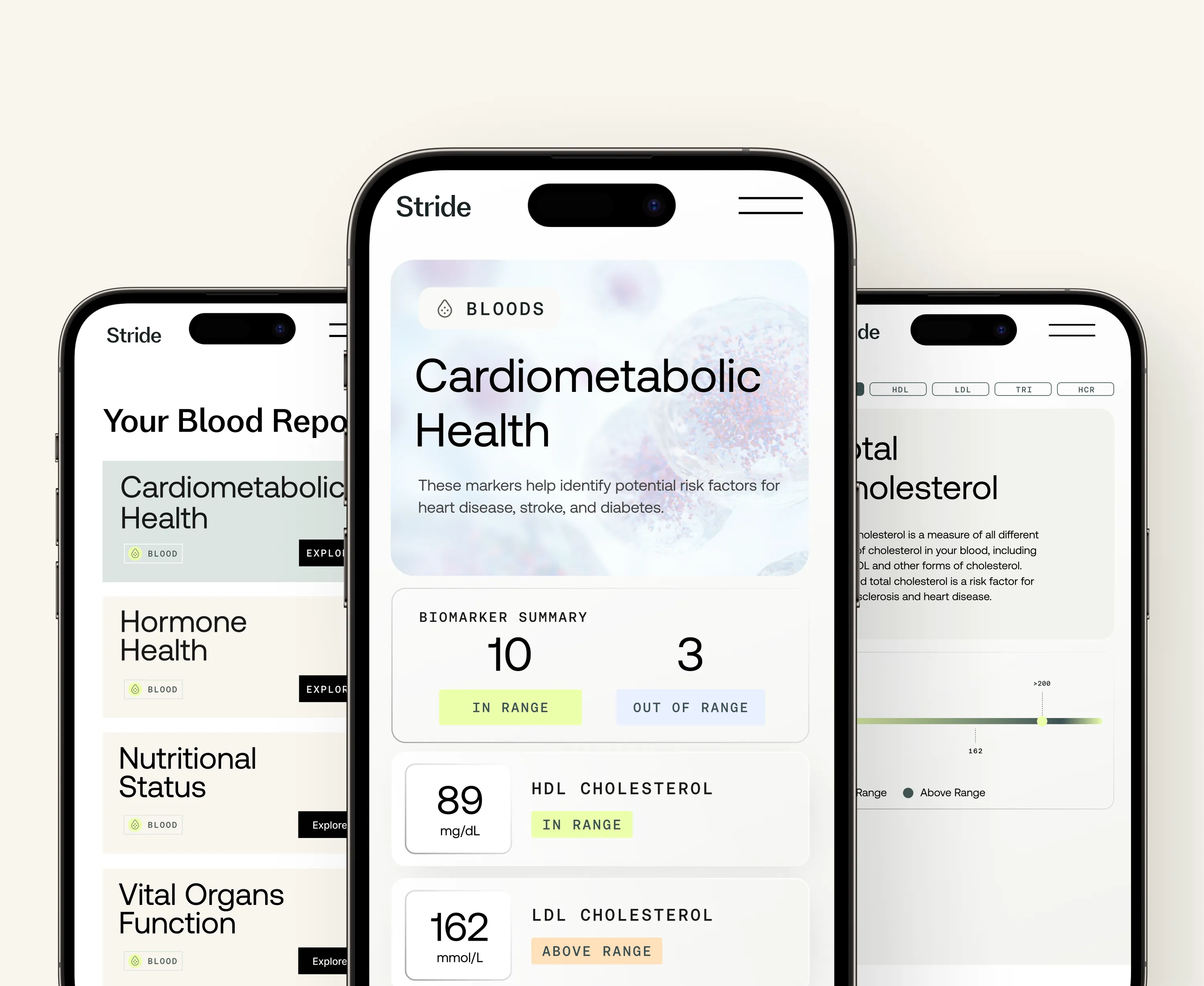
Health Tests
Optimal Bloods
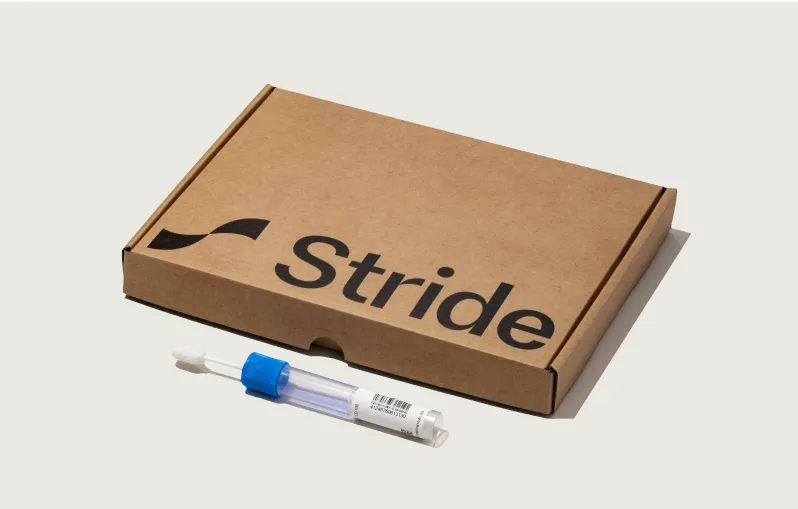
At-home test for more than 70 blood-based biomarkers
From £399 £279.30
Biomarkers
| Biomarker | What it measures | Why it matters | Relevance |
|---|---|---|---|
| Vitamin D Blood Test (25-OH) | 25-OH vitamin D status | Drives serotonin synthesis; consistently associated with depressive symptoms when low; common UK deficiency | 5 |
| Active B12 Blood Test (Holotranscobalamin) | Active B12 status | Required for methylation and neurotransmitter synthesis; deficiency mimics depression closely | 5 |
| Folate (Vitamin B9) Blood Test | Vitamin B9 status | Essential for methylation and serotonin production; low folate associated with poorer antidepressant response | 5 |
| TSH Blood Test (Thyroid Stimulating Hormone) | Pituitary signal for thyroid hormone | Thyroid dysfunction is a common and underdiagnosed contributor to persistent low mood | 5 |
| FT3 Blood Test (Free Triiodothyronine) | Active thyroid hormone | Most closely linked to mood and motivation; missed by TSH-only testing | 4 |
| Ferritin Blood Test | Iron storage levels | Required for dopamine and serotonin synthesis; mood effects occur above anaemia threshold | 4 |
| hsCRP Blood Test (High Sensitivity C-Reactive Protein) | Systemic inflammation | Elevated in a proportion of depression cases; links metabolic health and mood through inflammatory pathways | 3 |
| HbA1c Blood Test (Glycated Haemoglobin) | Long-term blood sugar control | Blood sugar instability and insulin resistance associated with depressive symptoms | 3 |
| FT4 (Free Thyroxine) Blood Test | Thyroid storage hormone | Needed alongside Free T3 to assess thyroid conversion efficiency | 3 |
FAQs
Can low vitamin D cause depression or low mood?
Vitamin D has direct biological pathways to mood. Vitamin D receptors are found in brain regions that regulate emotion and stress response, and vitamin D drives the enzyme that converts tryptophan into serotonin. Multiple meta-analyses have found that people with confirmed vitamin D deficiency who supplement consistently for eight weeks or more show modest but meaningful reductions in depressive symptoms. The effect is strongest in people with low baseline levels. This does not mean vitamin D is a primary treatment for clinical depression, but correcting deficiency removes a modifiable biological risk factor. In the UK, where deficiency is extremely common, particularly in autumn and winter, checking vitamin D is a reasonable first step for anyone with persistent low mood.
Can thyroid problems cause low mood and depression?
Yes, and this is one of the most commonly missed biological contributors. Thyroid hormone drives the metabolism of brain cells, and when levels are insufficient, the brain's ability to produce and regulate neurotransmitters including serotonin and dopamine is impaired. The symptom profile of hypothyroidism overlaps substantially with depression: persistent low mood, fatigue, slow thinking, reduced motivation, and emotional blunting. Standard thyroid testing measures TSH alone, which frequently misses early thyroid dysfunction and impaired T4-to-T3 conversion. A full thyroid panel including Free T3 and thyroid antibodies gives a more complete picture.
What is the connection between B12 deficiency and low mood?
Vitamin B12 is essential for the methylation cycle, the process through which the brain synthesises serotonin and dopamine. When B12 is low, this process is impaired at the substrate level, and mood is affected before more obvious neurological symptoms such as numbness or memory problems appear. B12 deficiency can closely mimic depression in presentation, and the two conditions can coexist. Groups at higher risk include older adults (absorption declines with age), people following plant-based diets, those taking metformin or proton pump inhibitors long-term, and people with gut conditions including coeliac disease or Crohn's. Testing B12 alongside homocysteine gives a fuller picture of whether the methylation pathway is functioning adequately.
Can seasonal affective disorder (SAD) be related to a vitamin D deficiency?
Seasonal affective disorder shares several biological features with vitamin D deficiency. Both worsen in autumn and winter, both are associated with reduced serotonin activity, and both respond to some of the same interventions (light exposure, vitamin D supplementation). Low vitamin D was one of the early proposed mechanisms for SAD, and while the evidence suggests that vitamin D is a contributing factor rather than the sole cause, correcting deficiency is a reasonable and low-risk first step for people whose low mood has a clear seasonal pattern. The UK's latitude means that vitamin D synthesis from sunlight is near-zero between October and March.
Does iron deficiency cause low mood?
Iron deficiency, even without anaemia, is associated with emotional blunting, irritability, and low energy, all of which contribute to a low mood presentation. Iron is required for the synthesis of dopamine, serotonin, and noradrenaline, the key neurotransmitters involved in mood regulation. Low ferritin (the stored form of iron) can produce these effects at levels that appear normal on a standard blood count. Women with heavy periods and people following plant-based diets are among those most likely to have low ferritin without being identified through routine testing. Checking ferritin specifically, rather than relying on a haemoglobin result, is the most sensitive approach.
What is homocysteine and why does it matter for mood?
Homocysteine is an amino acid that accumulates in the blood when B12, B6, and folate are insufficient. Elevated homocysteine is consistently associated with depression in research studies, and is also a marker of cardiovascular inflammatory risk. The mechanism is both direct, through impaired methylation and neurotransmitter synthesis, and indirect, through the pro-inflammatory effects of elevated homocysteine on blood vessels and neural tissue. A pattern of elevated homocysteine alongside low B12 and folate is one of the most common and addressable biological signatures in mood presentations, and is frequently missed by standard testing.
How is biological low mood different from clinical depression?
The distinction is not always clean. Biological contributors to mood, including deficiencies and hormonal imbalances, produce real depressive symptoms and do not represent a less serious or less genuine form of suffering. What distinguishes the biological investigation is that it identifies measurable and often correctable drivers. Clinical depression may have many overlapping causes, and a biological contributor does not replace psychological or psychiatric assessment; it adds to it. If you are experiencing significant low mood, particularly with any thoughts of self-harm, please speak with your GP or call a mental health helpline. A blood test is a useful parallel investigation, not a substitute for professional support.
Can gut health affect mood?
Yes. The gut-brain axis is a well-established bidirectional communication pathway. The gut microbiome produces approximately 90% of the body's serotonin, influences systemic inflammation, and affects the absorption of the nutrients most relevant to mood, including B12, folate, iron, and vitamin D. Gut dysbiosis (an imbalanced microbiome) is associated with increased intestinal permeability, elevated inflammatory markers, and altered neurotransmitter availability. People who notice that mood is consistently worse after certain foods, or that low mood emerged following a course of antibiotics or gut illness, may find that investigating the microbiome alongside a blood panel provides a more complete picture.
Find out what your body is actually trying to tell you.
Answer 8 quick questions and get a free personalised report - covering which area of your biology is most worth looking at first, what testing in that area reveals, and what actions become available once you have that data.
Where do you feel you're operating below your potential right now?
Methylation & Cellular Health
Your biology is signalling a methylation upgrade - here’s what that means and what to do about it.