
Menu
-
Shop All
Contact
hey@getstride.com
Stride Health Group
Stride Health Group Ltd
Company No 05158025
Lamas Road
Badersfield
Norwich
England
NR10 5FB
UK



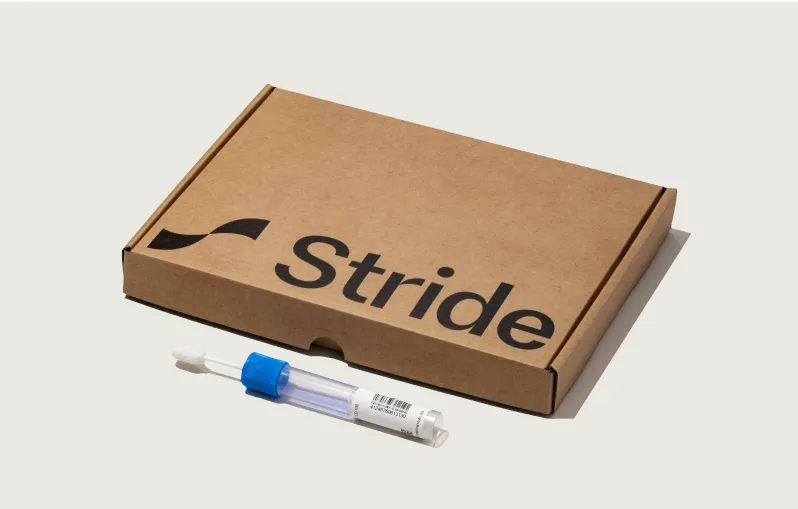
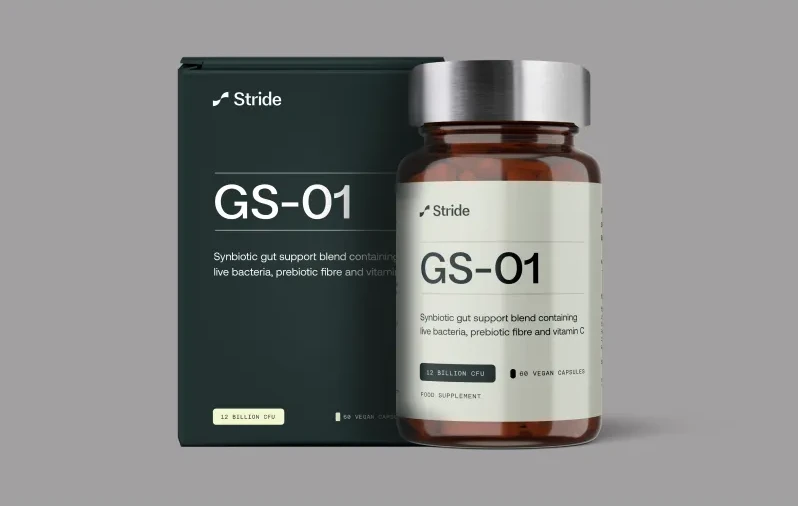




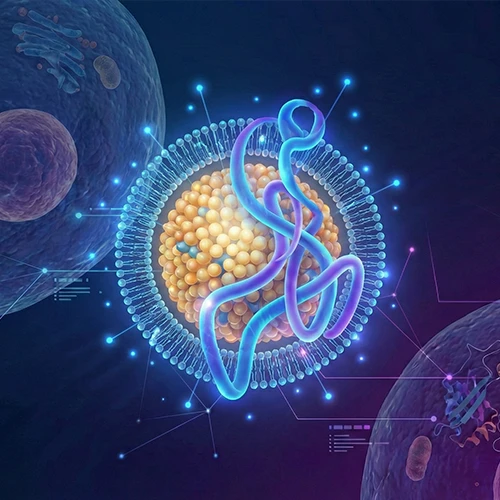

Fertility and nutrition: biomarkers that matter when trying to conceive
Fertility and nutrition are more deeply connected than most people who are trying to conceive realise. The hormonal systems that govern ovulation, sperm quality, and embryo implantation all depend on a foundation of nutritional and metabolic health that standard fertility assessments rarely examine in full. Understanding which biomarkers are most relevant to your fertility specifically requires looking beyond hormone panels and reproductive function into the nutritional and metabolic status that determines how well those systems operate. This is where targeted testing becomes particularly useful.
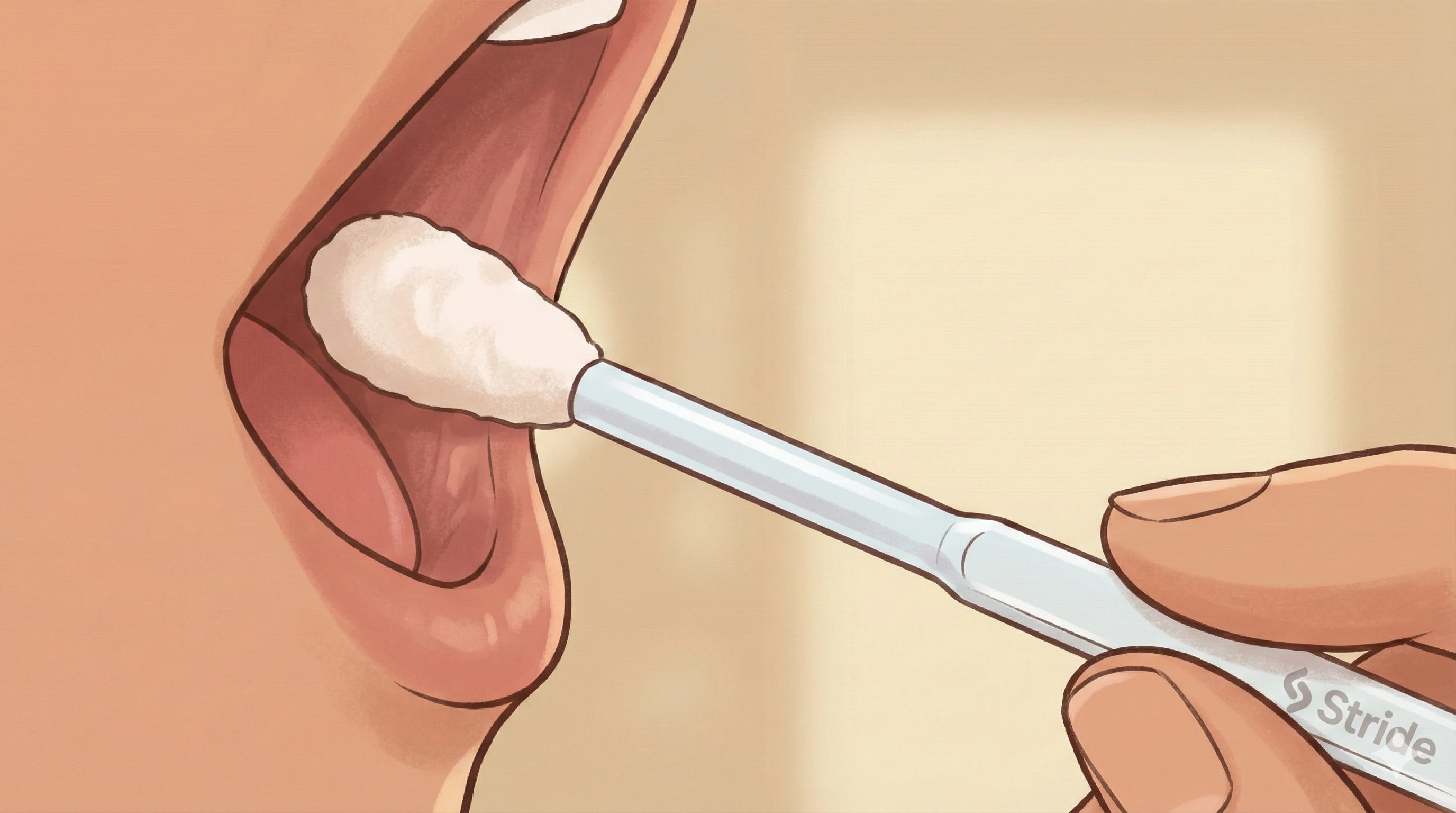
What affects fertility and why nutrition matters when trying to conceive?
Folate, methylation, and the MTHFR gene
Folate is essential for DNA synthesis, cell division, and the methylation reactions that regulate gene expression during embryo development. The MTHFR gene encodes an enzyme that converts dietary folate into its active form, methyltetrahydrofolate (methyl-THF), which the body uses in the remethylation of homocysteine to methionine. Variants in the MTHFR gene, particularly C677T and A1298C, reduce the efficiency of this conversion by 30 to 70% depending on whether one or two copies of the variant are inherited. These variants are extremely common: approximately 10 to 25% of people in northern European populations carry two copies of the C677T variant. When folate metabolism is impaired by MTHFR variants, homocysteine can accumulate, and the availability of methyl groups for DNA methylation during cell division is reduced. This matters because the period immediately before and after conception is the most methylation-intensive of any developmental stage. Testing homocysteine levels alongside MTHFR status is more actionable than genetic testing alone, because homocysteine reflects how effectively folate metabolism is actually functioning in your specific biology, accounting for both genetics and dietary folate intake.
Thyroid function and fertility
Thyroid dysfunction is one of the most common and most underdiagnosed causes of subfertility and early pregnancy loss. Thyroid hormones regulate ovulation, luteal phase function, and the endometrial environment required for implantation. An underactive thyroid, including subclinical hypothyroidism (elevated TSH with normal T4 and no obvious symptoms), is associated with a significantly higher rate of irregular cycles, anovulation, and miscarriage. Research shows that the presence of thyroid peroxidase antibodies (Anti-TPO), even in women with normal TSH, is associated with miscarriage rates up to 43%, compared with 2 to 6% in the general population. Many reproductive specialists now recommend TSH below 2.5 mIU/L as the target in the preconception period, rather than the standard laboratory upper limit of 4.5, which is set for the general population rather than for conception. Testing TSH, Free T4, Free T3, and Anti-TPO together gives a complete thyroid picture.
Iron, ferritin, and blood formation
Iron and ferritin are essential not just for energy and cognition but specifically for reproductive function. Low ferritin is associated with irregular ovulation, reduced egg quality, and impaired early embryo development. The mechanism involves both reduced oxygen delivery to the developing follicle and impaired mitochondrial function in egg cells. In pregnancy, iron demands increase substantially to support the growth of the placenta and fetal blood volume. Beginning the preconception period with confirmed adequate ferritin levels, rather than simply assuming adequacy, means you enter pregnancy with a reserve rather than a deficit. Ferritin below 50 ng/mL is considered suboptimal for reproductive health by many fertility nutritionists, even though the standard lower reference limit is typically set at 12 to 15 ng/mL.
Vitamin D and reproductive outcomes
Vitamin D receptors are present in ovarian tissue, the endometrium, and the developing follicle. The evidence linking vitamin D status to fertility outcomes includes associations with ovarian reserve, IVF success rates, and implantation success. In women with PCOS, low vitamin D is associated with more severe insulin resistance and poorer reproductive outcomes. For men, vitamin D is associated with sperm motility and testosterone production. UK-based couples trying to conceive are at high risk of vitamin D insufficiency given the latitude and limited sunlight exposure for most of the year, making testing and correcting vitamin D a high-priority step in preconception planning.
Vitamin B12 and homocysteine in conception
Vitamin B12 is a cofactor in the same methylation pathway as folate. Deficiency impairs DNA synthesis, cell division, and the methylation of homocysteine. Elevated homocysteine is associated with impaired implantation, higher miscarriage risk, and neural tube defects. Women who are vegetarian, vegan, or who have been taking oral contraceptives for several years are at particular risk of B12 insufficiency. Testing B12 and homocysteine together is more informative than testing B12 alone, because B12 in the serum may appear adequate while functional deficiency exists at the cellular level where methylation occurs.
Blood glucose, HbA1c, and reproductive hormones
Insulin resistance and elevated blood glucose have direct effects on reproductive hormones. In women, insulin resistance drives excess androgen production by the ovaries, disrupting the hormonal balance that governs ovulation. PCOS, which affects approximately 10% of women of reproductive age, is characterised by insulin resistance, elevated androgens, and disrupted ovulation. Even in women without PCOS, blood glucose instability affects the hypothalamic-pituitary-ovarian axis that regulates the menstrual cycle. For men, insulin resistance is associated with lower testosterone and reduced sperm quality. HbA1c provides a three-month average blood glucose picture and is considerably more informative than a single fasting glucose reading.
How to test when trying to conceive
Standard NHS fertility investigations typically begin only after twelve months of trying to conceive, and focus on hormonal assessment of ovarian reserve and basic sperm analysis. The nutritional and metabolic picture that is often the most modifiable element of fertility is rarely examined.
A comprehensive preconception biomarker panel should include:
TSH, Free T4, Free T3, and Anti-TPO antibodies give a complete thyroid picture. Standard testing often measures only TSH, missing subclinical hypothyroidism and autoimmune activity that significantly affect reproductive outcomes.
Folate and homocysteine together reveal how effectively the methylation pathway is functioning. Elevated homocysteine in the context of low-normal folate is a clear signal to optimise methylation support before conception.
Vitamin B12 is essential for DNA synthesis and cell division in the early embryo. Testing B12 status alongside homocysteine is more informative than B12 alone.
Ferritin reflects iron stores available to support ovulation, egg quality, and the increased demands of early pregnancy.
Vitamin D supports ovarian function, endometrial receptivity, and implantation. UK-based women should test and correct vitamin D as a standard preconception step.
HbA1c reveals whether blood glucose patterns are affecting the hormonal environment for fertility. Particularly relevant for women with PCOS, irregular cycles, or a family history of type 2 diabetes.
MTHFR genetic testing reveals which variants are present in the MTHFR gene, informing which form of folate supplementation is most appropriate (folic acid vs. methylfolate) and whether homocysteine requires active management.
Home biomarker testing is most useful before starting to actively try to conceive, or at any point during the trying to conceive (TTC) period where unexplained sub-fertility is present. It provides a modifiable biological picture that standard fertility investigations do not capture.
Evidence-based nutritional strategies when trying to conceive
Folate and methylation support
Adequate folate intake in the preconception period is well validated to reduce the risk of neural tube defects and supports the methylation reactions essential for early embryo development. The standard recommendation is 400 micrograms of folic acid per day for at least one month before conception. For women with MTHFR variants, particularly those who are homozygous for C677T or A1298C, methylfolate (the active form of folate) is more directly usable than synthetic folic acid, which requires MTHFR enzyme activity to convert it. Testing both MTHFR status and homocysteine levels allows you to select the right form and dose of folate for your specific genetics, rather than relying on population-average supplementation guidelines.
Iron and nutrient-dense eating
Building iron stores before conception is considerably easier than correcting iron deficiency during pregnancy, when demands increase and nausea may limit dietary intake. Food sources with the best iron bioavailability include red meat, liver, shellfish, and dark leafy greens eaten alongside vitamin C to enhance non-haem iron absorption. Ferritin should be tested and, where possible, raised to at least 50 ng/mL before conception. This creates a reserve that supports the demands of early pregnancy without the fatigue and impaired immune function that accompany iron deficiency.
Vitamin D optimisation through testing
A standard vitamin D supplement (400 to 1000 IU daily) is insufficient to correct deficiency in most UK adults during winter months. Testing 25-OH vitamin D and targeting levels above 75 nmol/L before conception is a more reliable approach than universal supplementation without a baseline. Vitamin D correction typically takes three to four months, making preconception testing timeline-relevant for anyone actively planning a pregnancy.
Blood glucose stability and insulin sensitivity
The dietary strategies that support insulin sensitivity and stable blood glucose are highly relevant in the preconception period. These include prioritising whole foods, distributing carbohydrate across meals rather than concentrated intake, pairing carbohydrate-containing foods with protein and fibre to blunt glucose peaks, and reducing processed food intake. For women with PCOS or insulin resistance, even modest improvements in HbA1c are associated with meaningful improvements in ovulatory function and cycle regularity. Tracking HbA1c over three to six months gives an objective measure of whether dietary changes are producing the expected metabolic improvement.
Stride tests that can help with Fertility and nutrition
Health Tests
Optimal Bloods
At-home test for more than 70 blood-based biomarkers
From £399 £279.30

Health Tests
DNA & Methylation Test
Genetic methylation testing, three levels
From £169 £109.85
Biomarkers
| Biomarker | What it measures | Why it matters | Relevance |
|---|---|---|---|
| TSH Blood Test (Thyroid Stimulating Hormone) | Thyroid pituitary signal | Subclinical hypothyroidism and thyroid antibodies significantly increase miscarriage risk and disrupt ovulation | 5 |
| TPO Antibodies (Thyroid Peroxidase Antibodies) Blood Test | Autoimmune thyroid activity | Present in Hashimoto's thyroiditis; elevated Anti-TPO is associated with miscarriage rates up to 43% | 5 |
| Active B12 Blood Test (Holotranscobalamin) | Active B12 status | Essential for DNA synthesis and cell division; deficiency impairs early embryo development | 5 |
| Vitamin D Blood Test (25-OH) | 25-OH vitamin D status | Supports ovarian function, endometrial receptivity, and implantation | 5 |
| Ferritin Blood Test | Iron storage levels | Low ferritin is associated with irregular ovulation and reduced egg quality; essential to build stores before conception | 5 |
| FT3 Blood Test (Free Triiodothyronine) | Active thyroid hormone | Thyroid hormone is required for normal ovulation and luteal phase function; T3 is the active form | 4 |
| FT4 (Free Thyroxine) Blood Test | Thyroid storage hormone | Provides context for the T3 picture; can be normal even when T3 conversion is impaired | 4 |
| HbA1c Blood Test (Glycated Haemoglobin) | Average blood glucose | Insulin resistance disrupts ovulation and reduces sperm quality; HbA1c provides a three-month metabolic picture | 4 |
| hsCRP Blood Test (High Sensitivity C-Reactive Protein) | Systemic inflammation | Chronic inflammation affects implantation and early pregnancy; CRP reflects the inflammatory background | 3 |
| MTHFR Gene Test (Methylenetetrahydrofolate Reductase) | Folate metabolism genetics | Determines the efficiency of folate conversion and the appropriate form of preconception supplementation | 5 |
FAQs
What blood tests should I get before trying to conceive?
A preconception blood test should cover at minimum: thyroid function (TSH, Free T4, Anti-TPO), nutritional status (vitamin D, ferritin, vitamin B12), methylation markers (homocysteine, folate), and metabolic health (HbA1c). Standard NHS preconception advice covers folate supplementation and folic acid but does not routinely test whether levels are actually adequate. Homocysteine is a particularly valuable marker because it reflects how effectively the entire folate and B12 methylation pathway is functioning, not just the level of either nutrient in isolation. MTHFR genetic testing adds context by revealing whether you carry variants that reduce enzyme activity and whether methylfolate rather than folic acid is the more appropriate supplement.
Does the MTHFR gene affect fertility?
MTHFR variants are very common and many people with them conceive without difficulty. The variants become more clinically relevant when they combine with low folate intake, elevated homocysteine, or co-existing conditions such as thyroid dysfunction. MTHFR C677T and A1298C reduce the enzyme's ability to convert folate to its active form, which can limit the availability of methyl donors for DNA methylation during cell division in the early embryo. Testing homocysteine levels alongside MTHFR status gives a functional picture: if homocysteine is elevated, methylation support is genuinely compromised and requires intervention. If homocysteine is normal despite carrying MTHFR variants, dietary folate intake is likely adequate and more aggressive intervention is not warranted.
How does thyroid function affect fertility?
Thyroid hormones are required for normal ovulation, corpus luteum function, endometrial preparation for implantation, and the hormonal milieu of early pregnancy. Even subclinical hypothyroidism, where TSH is elevated but T4 and T3 appear normal, is associated with irregular ovulation, reduced implantation rates, and higher early miscarriage risk. The presence of Anti-TPO antibodies, the marker of autoimmune thyroid activity (Hashimoto's thyroiditis), significantly increases miscarriage risk even when thyroid hormone levels are within the normal range. Many reproductive specialists recommend TSH be below 2.5 mIU/L for women trying to conceive, rather than the general population upper limit. Testing the full thyroid panel before starting to try to conceive gives time to optimise thyroid status before pregnancy.
What vitamins are most important when trying to conceive?
The vitamins with the strongest evidence for fertility and preconception health are: folate (or methylfolate for those with MTHFR variants), vitamin D, vitamin B12, and vitamin C. Folate supports DNA synthesis and cell division in the early embryo and is well established as a neural tube defect preventive. Vitamin D supports ovarian function and implantation. Vitamin B12 works alongside folate in the methylation pathway and supports egg quality and early cell division. Vitamin C supports progesterone levels and the corpus luteum. Iron, while not a vitamin, is equally critical: building ferritin reserves before conception ensures the body has the stores to support a developing pregnancy without becoming deficient. Testing these markers gives you the information to supplement precisely where needed, rather than taking a broad spectrum supplement that may not address your specific pattern of insufficiency.
Can vitamin D affect fertility?
Yes. Vitamin D receptors are present in ovarian follicles, the endometrium, and the developing egg. Research links vitamin D deficiency to reduced IVF success rates, poorer implantation, and disrupted ovarian function. In women with PCOS, low vitamin D is associated with more severe insulin resistance and poorer hormonal profiles. For men, vitamin D supports testosterone production and sperm motility. The UK population has a high rate of vitamin D insufficiency for most of the year, making preconception vitamin D testing a high-yield step. The target for reproductive health is generally considered to be above 75 nmol/L, which is higher than the minimum to avoid clinical deficiency (around 50 nmol/L). Testing before supplementing ensures you reach the target range rather than simply moving from deficient to borderline.
How does iron deficiency affect fertility?
Iron deficiency, reflected by low ferritin, is associated with irregular ovulation, reduced egg quality, and impaired mitochondrial function in follicular cells. The developing follicle depends on adequate oxygen delivery, which requires sufficient iron for haemoglobin synthesis. In the preconception period, ferritin stores also need to be sufficient to support the increased demands of early pregnancy, which significantly raises iron requirements. Many women enter pregnancy with ferritin in the technically normal range but below the 50 ng/mL level considered optimal for reproductive health. Testing ferritin before trying to conceive and correcting it through dietary and supplementation strategies over three to six months provides the foundation for iron adequacy through pregnancy without emergency supplementation after the fact.
Does homocysteine affect fertility?
Elevated homocysteine is associated with impaired implantation, increased miscarriage risk, and neural tube defects in the developing embryo. Homocysteine is a by-product of methionine metabolism that is normally converted back to methionine through a process that requires B12 and active folate (methyl-THF). When this conversion is impaired, homocysteine accumulates. The causes include B12 deficiency, folate insufficiency, MTHFR genetic variants that reduce conversion efficiency, and chronic kidney disease. In the context of fertility, elevated homocysteine is both a direct risk factor and a useful indicator of the overall health of the methylation pathway that the developing embryo depends on for DNA synthesis and cell division. Testing homocysteine is more actionable than MTHFR testing alone because it shows whether the pathway is functionally impaired, not just genetically predisposed to impairment.
Should both partners test when trying to conceive?
Yes. Male factor infertility accounts for approximately half of all fertility difficulties, and many of the nutritional and metabolic factors that affect fertility are equally relevant for men. Testosterone, vitamin D, and zinc are particularly important for sperm quality, motility, and DNA integrity. Elevated homocysteine in men is associated with impaired sperm DNA methylation patterns. Blood glucose instability reduces testosterone and directly impairs sperm production. MTHFR variants in men have been associated specifically with sperm DNA methylation abnormalities that affect fertilisation and embryo development. A preconception biomarker panel for both partners gives the most complete picture of the biological factors relevant to the conception journey and identifies the specific areas requiring optimisation in each person's biology.
Find out what your body is actually trying to tell you.
Answer 8 quick questions and get a free personalised report - covering which area of your biology is most worth looking at first, what testing in that area reveals, and what actions become available once you have that data.
Where do you feel you're operating below your potential right now?
Methylation & Cellular Health
Your biology is signalling a methylation upgrade - here’s what that means and what to do about it.