
Menu
-
Shop All
Contact
hey@getstride.com
Stride Health Group
Stride Health Group Ltd
Company No 05158025
Lamas Road
Badersfield
Norwich
England
NR10 5FB
UK








Dry skin, eczema and psoriasis: what your biomarkers might reveal
Dry skin, eczema and psoriasis are among the most commonly searched skin health topics in the UK, and for good reason: these conditions affect millions of people and are frequently misunderstood as purely external problems. Eczema (atopic dermatitis) is a chronic inflammatory skin condition driven by immune dysfunction and a disrupted skin barrier; psoriasis is an autoimmune condition in which the immune system accelerates the growth and shedding of skin cells; persistent dry skin often reflects a combination of both internal and environmental factors. What connects all three is that they are rarely just skin-deep. Understanding what is driving your skin symptoms specifically requires looking at the biomarkers most commonly involved, and this is where targeted testing becomes useful.

What causes eczema, psoriasis and persistent dry skin?
Immune dysregulation and systemic inflammation
Both eczema and psoriasis involve abnormal immune activity, though through different pathways. In atopic eczema, the immune system overreacts to environmental triggers, producing elevated IgE antibodies and eosinophils that drive itching, redness and barrier breakdown. In psoriasis, autoreactive T cells trigger an inflammatory cascade that accelerates skin cell turnover from the usual 28-30 days down to 3-5 days, resulting in the characteristic scaling plaques. In both cases, systemic inflammation markers such as CRP (C-reactive protein) are often elevated, and raised CRP in psoriasis is consistently associated with more severe symptoms and higher risk of cardiovascular and metabolic comorbidities. Measuring these inflammatory markers provides visibility into what is happening systemically, not just at the skin surface.
Nutrient deficiencies affecting the skin barrier
The skin barrier depends on specific micronutrients to maintain its integrity and modulate the immune response. Vitamin D plays a direct regulatory role in skin immune function, and low levels have been linked to increased severity of both eczema and psoriasis in multiple studies. A 2024 meta-analysis found that vitamin D supplementation was associated with reduced atopic dermatitis severity in children and adults with confirmed deficiency. Vitamin B12 supports skin cell turnover and immune regulation, and research suggests it may help reduce psoriasis symptoms. Iron and ferritin are required for cellular repair and oxygen delivery to the skin; low ferritin contributes to poor healing and is commonly depleted alongside inflammatory skin conditions. Zinc plays a role in skin integrity and wound repair, and deficiency can exacerbate inflammatory skin responses. Testing these nutrient co-factors alongside inflammation markers provides a complete picture of what is and is not supporting your skin from within.
Gut microbiome dysregulation and the gut-skin axis
There is substantial and growing evidence connecting gut health to skin conditions, particularly eczema. The gut microbiome plays a central role in immune education and systemic inflammation regulation. Dysbiosis (an imbalance of gut bacterial populations) increases intestinal permeability, allowing bacterial fragments and inflammatory molecules to enter the bloodstream and amplify immune reactivity throughout the body, including at the skin. People with eczema frequently show distinct differences in gut microbiome composition compared to unaffected individuals. Histamine-producing bacteria in the gut can also drive histamine intolerance, which manifests as skin flushing, itching and eczema-like flares that are often misattributed to food allergy. Understanding your gut microbiome profile alongside blood biomarkers gives a more complete picture of why your skin is reacting the way it is.
Thyroid dysfunction and hormonal factors
Thyroid disorders and skin conditions overlap more frequently than standard testing reveals. Hypothyroidism and Hashimoto's thyroiditis are both associated with persistent dry, flaky skin, impaired wound healing and changes in skin texture, because thyroid hormone regulates the rate at which skin cells are produced and shed. Psoriasis and eczema also carry a higher rate of co-occurring autoimmune thyroid disease, since underlying immune dysregulation tends to affect multiple systems simultaneously. If you experience fatigue, weight changes or mood shifts alongside skin symptoms, checking thyroid markers alongside inflammation and nutrient panels provides a much more informative starting point than skin-only assessment.
Genetic predisposition and filaggrin variants
A significant proportion of people with eczema carry variants in the filaggrin gene (FLG), which encodes a structural protein essential to the skin barrier. FLG loss-of-function variants are among the strongest known genetic risk factors for atopic dermatitis, and they also increase susceptibility to food allergy and asthma through what is known as the atopic march. Psoriasis has a strong hereditary component, with multiple chromosomal loci, including PSORS1, identified as major genetic determinants. DNA-level testing can identify whether genetic predisposition to inflammatory skin conditions or barrier dysfunction is part of your picture, which changes how you approach both prevention and long-term management.
Stress, cortisol and the HPA-skin axis
Chronic stress elevates cortisol, which disrupts the immune balance that keeps both eczema and psoriasis in check. Elevated cortisol suppresses regulatory immune responses while amplifying inflammatory ones, a pattern that consistently predicts flare frequency in both conditions. Stress is one of the most commonly reported triggers for psoriasis flares, and the mechanism is directly biological rather than simply psychological. This is why skin condition management that focuses only on topical treatment without addressing systemic inflammation, nutrient status and stress physiology tends to produce partial and inconsistent results.
How to test for dry skin, eczema and psoriasis
Standard GP assessment for eczema and psoriasis is clinical, based on symptom presentation and history. Blood testing is typically only initiated when symptoms are severe, when standard treatments have not worked, or when systemic medication is being considered. This means that the internal factors driving skin symptoms, including vitamin D status, ferritin, thyroid function, inflammation levels and gut health, are rarely investigated in people with mild to moderate persistent skin conditions.
A more comprehensive approach looks at the systemic factors that most commonly underlie or amplify inflammatory skin conditions:
CRP (C-reactive protein) measures systemic inflammation. Elevated CRP in people with skin conditions is both a signal of disease activity and a risk factor for the cardiovascular and metabolic complications associated with psoriasis.
Vitamin D is directly involved in immune regulation at the skin level. Low vitamin D is consistently associated with greater eczema and psoriasis severity, and is highly prevalent in the UK population due to limited sunlight availability for most of the year.
Ferritin is an iron storage marker that affects tissue repair and immune function. Low ferritin impairs the cellular machinery needed to repair a compromised skin barrier and is frequently depleted in people with chronic inflammatory conditions.
Vitamin B12 supports immune regulation and skin cell turnover. Research indicates a potential role in reducing psoriasis activity, and deficiency is common in people with gut absorption issues, which frequently co-occur with eczema.
CRP and homocysteine together give insight into both acute inflammation and longer-term cardiovascular risk, which is elevated in psoriasis due to the sustained systemic inflammatory burden the condition places on the body.
Gut microbiome assessment identifies dysbiosis, reduced diversity, histamine-producing bacteria, and imbalances in the short-chain fatty acid-producing bacteria that regulate systemic immune responses. This layer of information is not available from blood testing alone and is particularly relevant for people whose skin symptoms are accompanied by digestive issues.
For people whose skin symptoms have been assessed clinically but have not responded fully to topical treatments, comprehensive blood and microbiome testing often reveals modifiable factors that standard dermatology assessment does not capture.
Evidence-based strategies to support skin health
Nutrition for the skin barrier and immune regulation
Vitamin D from sunlight is limited in the UK for most of the year, and dietary sources (oily fish, eggs, fortified foods) rarely provide sufficient intake alone. Monitoring your vitamin D level and supplementing based on your actual measurement is more reliable than estimating from sun exposure or diet. Omega-3 fatty acids from oily fish, walnuts and flaxseed reduce the inflammatory signalling that drives eczema and psoriasis flares. Iron-rich foods support ferritin levels and barrier repair. Probiotic and prebiotic foods (fermented vegetables, legumes, diverse fibre sources) support the gut microbial diversity that regulates systemic immune responses. Tracking these biomarkers over time is the only reliable way to know whether your dietary approach is working at the biological level.
Gut health and its relationship to skin
Reducing processed food intake, increasing dietary fibre variety and incorporating fermented foods consistently improves microbial diversity in most people. If gut symptoms (bloating, irregular bowel habits, food sensitivities) accompany skin symptoms, assessing your microbiome provides targeted information that general dietary advice cannot. People with a confirmed dysbiosis pattern benefit from knowing specifically which bacterial populations are imbalanced, rather than applying a one-size-fits-all probiotic approach.
Managing systemic inflammation through lifestyle
Chronic psychological stress, disrupted sleep and excessive alcohol intake all raise systemic inflammation and trigger or worsen skin flares. Regular low-intensity exercise has been shown to reduce inflammatory markers including CRP over time. Consistent sleep timing supports immune regulation at a circadian level. These factors are not incidental to skin health, they are direct biological inputs into the immune dysregulation driving eczema and psoriasis. Testing CRP at baseline and retesting after sustained lifestyle changes is the most direct way to track whether your inflammation is actually reducing.
Long-term tracking over single snapshots
Inflammatory skin conditions fluctuate with season, stress cycles, hormonal changes and gut health status. A single test provides a baseline; repeated testing over time reveals the patterns that predict your flares and the changes that are genuinely moving the needle. This is the difference between guessing at triggers and actually understanding your biology.
Stride tests that can help with Dry skin, eczema and psoriasis
Health Tests
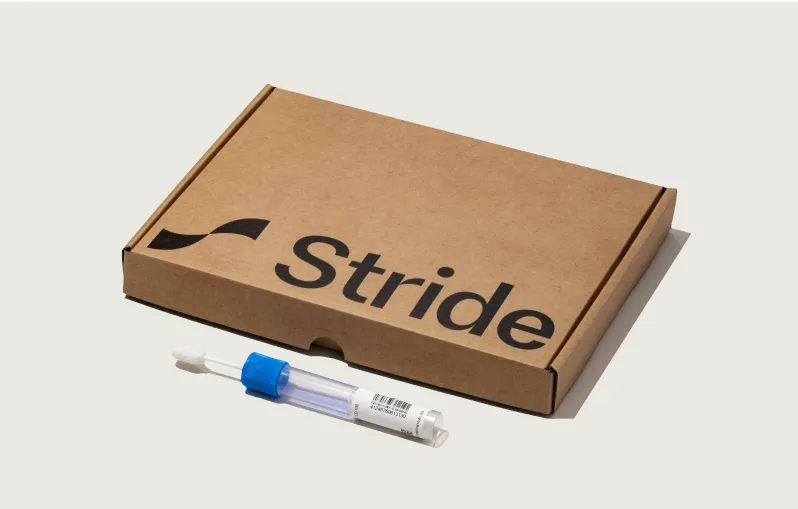
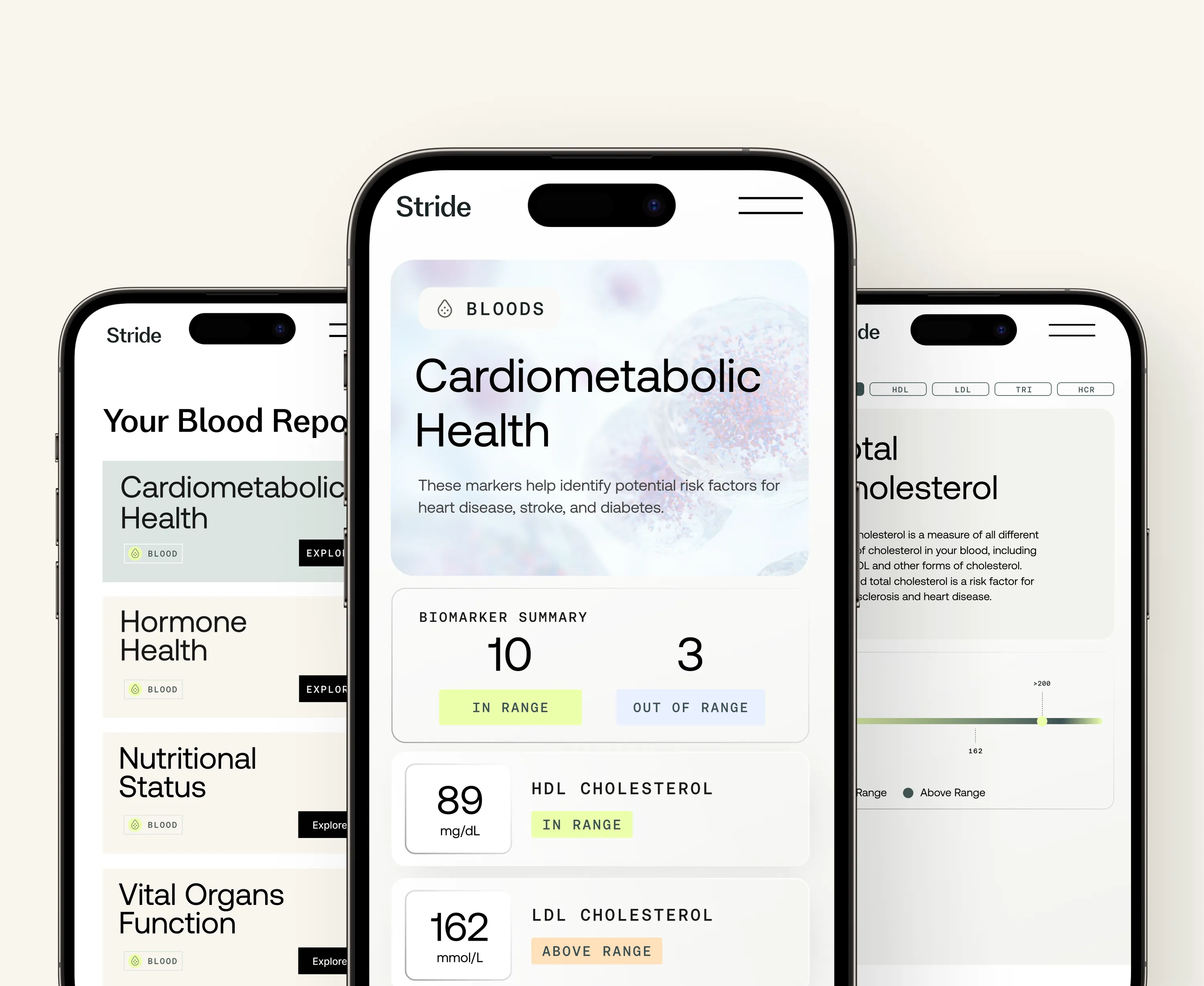
Optimal Bloods
At-home test for more than 70 blood-based biomarkers
From £399 £279.30
Health Tests
Optimal Biome
Gut microbiome test for comprehensive analysis & personalized health solutions
From £399 £279.30

Health Tests
DNA & Methylation Test
Genetic methylation testing, three levels
From £169 £109.85
Biomarkers
| Biomarker | What it measures | Why it matters | Relevance |
|---|---|---|---|
| hsCRP Blood Test (High Sensitivity C-Reactive Protein) | Systemic inflammation | Elevated in both eczema and psoriasis; indicates disease activity and cardiovascular risk in psoriasis | 5 |
| Vitamin D Blood Test (25-OH) | 25-OH vitamin D status | Low levels linked to increased eczema and psoriasis severity; regulates skin immune function | 5 |
| Ferritin Blood Test | Iron storage | Required for skin barrier repair and immune function; commonly depleted in inflammatory conditions | 4 |
| Active B12 Blood Test (Holotranscobalamin) | Active B12 status | Supports immune regulation and skin cell turnover; research indicates role in reducing psoriasis activity | 4 |
| TSH Blood Test (Thyroid Stimulating Hormone) | Thyroid function | Thyroid disorders frequently co-occur with eczema and psoriasis; hypothyroidism causes dry skin and impaired healing | 3 |
FAQs
Can a blood test help identify what is causing my eczema?
A blood test cannot diagnose eczema on its own, but it can identify the internal factors that drive or worsen it. The most relevant markers include vitamin D status, ferritin, vitamin B12, CRP (inflammation), and thyroid function. In people with atopic eczema, elevated total IgE levels indicate systemic allergic reactivity, and eosinophil counts reflect the degree of immune overactivation. These markers help explain why standard topical treatments sometimes fail, and they point toward modifiable internal factors that can be addressed alongside dermatological care. A comprehensive blood panel combined with a gut microbiome assessment provides the most complete picture of what is sustaining your skin symptoms beyond the surface.
What is the difference between eczema and psoriasis?
Eczema, most commonly atopic dermatitis, is driven by an overactive allergic immune response (IgE-mediated) and a structural defect in the skin barrier, often involving filaggrin gene variants. It typically presents as intensely itchy, dry, cracked skin in flexural areas (inner elbows, backs of knees) and is closely associated with asthma and hay fever. Psoriasis is an autoimmune condition in which T cells mistakenly attack skin cells, triggering rapid cell turnover and the formation of raised, scaly plaques, most commonly on the elbows, knees and scalp. Unlike eczema, psoriasis carries significant cardiovascular and metabolic comorbidity risk driven by chronic systemic inflammation. The two conditions have different immune pathways, different genetic underpinnings, and different treatment approaches, though both benefit from identifying systemic inflammatory and nutritional factors through blood testing.
Can gut health affect eczema and psoriasis?
Yes, significantly. The gut and skin are closely connected through the immune system. Gut dysbiosis, meaning an imbalance of bacterial populations and reduced microbial diversity, increases intestinal permeability and allows inflammatory signals to enter the bloodstream, which amplifies immune reactivity at the skin. People with atopic eczema consistently show distinct gut microbiome profiles compared to people without eczema, and changes in gut bacteria precede eczema flares in some individuals. Histamine-producing gut bacteria can also drive histamine intolerance, causing skin itching and redness that mimics eczema or worsens existing flares. Assessing your gut microbiome alongside blood biomarkers tells you whether gut health is a contributing factor in your specific case, rather than assuming it is or is not relevant.
Does vitamin D deficiency cause eczema or psoriasis?
Vitamin D deficiency does not directly cause eczema or psoriasis, but it consistently worsens both conditions and is associated with increased severity. Vitamin D plays a direct regulatory role in skin immune function, modulating the inflammatory pathways that drive both conditions. Low vitamin D levels are more prevalent in people with eczema and psoriasis compared to unaffected individuals, and a 2024 meta-analysis found that vitamin D supplementation was associated with reduced eczema severity in people with confirmed deficiency. In the UK, vitamin D deficiency is common throughout autumn and winter due to limited sunlight, which aligns with the typical pattern of worsening skin symptoms in these months. Testing your vitamin D level and supplementing based on your actual measurement is more targeted than standard public health supplementation guidance.
Can psoriasis affect internal organs as well as the skin?
Yes. Psoriasis is now understood as a systemic inflammatory disease rather than a skin-only condition. Up to 40% of people with psoriasis develop psoriatic arthritis, which causes joint pain and swelling, often before skin symptoms are severe. Psoriasis is also independently associated with elevated cardiovascular risk, driven by the chronic inflammatory burden it places on the body, with raised CRP being a consistent finding. Metabolic syndrome, type 2 diabetes, and non-alcoholic fatty liver disease all occur at higher rates in people with psoriasis compared to the general population. This is why blood testing that includes inflammation markers, lipid profiles, HbA1c and liver enzymes provides genuinely important health information for people with psoriasis, well beyond what a skin examination alone can reveal.
Why does my skin get worse in winter?
Winter worsens eczema, psoriasis and dry skin through several converging mechanisms. Vitamin D production in the skin requires UV-B from direct sunlight, which is not available in the UK from October to March, causing vitamin D levels to fall across the population during this period. Cold, dry air reduces ambient humidity and strips the skin of moisture more aggressively than warm, humid conditions. Central heating further reduces indoor humidity. Reduced sunlight also affects mood, sleep quality and circadian rhythms, which influence immune regulation and inflammation. If your skin condition shows a clear seasonal pattern, monitoring your vitamin D level in late autumn and supplementing appropriately is one of the most evidence-based interventions available.
What lifestyle changes genuinely improve eczema and psoriasis?
The most evidence-supported lifestyle interventions for eczema and psoriasis include maintaining optimal vitamin D levels through supplementation during winter months, increasing dietary omega-3 fatty acids through oily fish or supplements to reduce inflammatory signalling, improving gut microbiome diversity through increased dietary fibre variety and fermented foods, and reducing psychological stress through consistent sleep, moderate exercise and recovery practices. For psoriasis, reducing alcohol intake has a direct anti-inflammatory effect, and smoking cessation measurably reduces flare severity. The key distinction between general wellness advice and targeted intervention is knowing your actual biomarker levels: without testing, you cannot know whether vitamin D, ferritin, B12 or gut dysbiosis is the most relevant factor for your biology.
Can food allergies cause eczema?
Food allergy and eczema are closely associated in children, though the relationship is more complex than it might appear. Certain foods, most commonly dairy, eggs, wheat, nuts and fish, can trigger or worsen eczema in people with atopic sensitisation, detected through elevated IgE to specific allergens. However, many apparent food-eczema connections in adults are actually driven by gut dysbiosis and histamine intolerance rather than true IgE-mediated allergy. Histamine produced by gut bacteria in response to fermented foods, wine, aged cheeses and processed meats can cause itching and flushing that resembles eczema. An elimination approach without testing first can lead to unnecessarily restricted diets. Assessing IgE, eosinophils, gut microbiome composition, and inflammatory markers together provides a more accurate picture of which dietary factors are genuinely driving your symptoms.
Is there a genetic component to eczema and psoriasis?
Yes, for both conditions. For eczema, filaggrin (FLG) gene variants are the strongest known genetic risk factor, present in approximately 25-30% of people with atopic dermatitis. These variants impair the skin's barrier function from birth, allowing allergen exposure that sensitises the immune system and initiates the atopic cycle. Eczema risk is also influenced by immune regulatory gene variants and family history. For psoriasis, the genetic contribution is substantial, with monozygotic twins having two to three times higher concordance than dizygotic twins. Nine chromosomal loci have been identified, with PSORS1, which encodes HLA-CW6, being the major genetic determinant. Knowing your genetic architecture helps explain why you developed these conditions and guides which interventions are most likely to be effective for your specific biology.
Find out what your body is actually trying to tell you.
Answer 8 quick questions and get a free personalised report - covering which area of your biology is most worth looking at first, what testing in that area reveals, and what actions become available once you have that data.
Where do you feel you're operating below your potential right now?
Methylation & Cellular Health
Your biology is signalling a methylation upgrade - here’s what that means and what to do about it.