
Menu
-
Shop All
Contact
hey@getstride.com
Stride Health Group
Stride Health Group Ltd
Company No 05158025
Lamas Road
Badersfield
Norwich
England
NR10 5FB
UK










Diarrhoea: when it's more than a stomach bug and what to test
Diarrhoea is something most people experience occasionally and recover from quickly, but persistent or recurring diarrhoea that lasts more than a few weeks is a different matter entirely. Chronic diarrhoea has an estimated prevalence of around 4 to 5% in Western populations and is one of the most common reasons for gastroenterology referral in the UK. Understanding what is driving your symptoms specifically, whether that is an inflammatory condition, a gut microbiome imbalance, a food sensitivity, or a nutrient deficiency, requires looking at the biomarkers most commonly involved, and this is where targeted testing becomes useful.

What causes chronic diarrhoea?
Irritable bowel syndrome and gut-brain axis disruption
IBS with a diarrhoea-predominant pattern (IBS-D) is among the most frequent diagnoses for people with chronic loose stools. The gut-brain axis plays a central role: the enteric nervous system in the gut communicates bidirectionally with the brain, and disruptions to this signalling, often amplified by stress, poor sleep, or dysbiosis in the microbiome, alter intestinal motility and fluid secretion. A key clinical finding is that IBS is not associated with structural inflammation, meaning that faecal calprotectin and CRP are typically normal, while the experience of symptoms can be severe.
Gut microbiome imbalance and dysbiosis
The composition of the gut microbiome influences every aspect of digestive function. When the balance between beneficial and pathogenic bacteria shifts, a state of dysbiosis, the gut lining becomes more permeable, immune signalling is disrupted, and transit time can accelerate, producing loose or watery stools. Specific imbalances, including low levels of short-chain fatty acid-producing bacteria or overgrowth of particular species, are increasingly linked to both IBS and inflammatory bowel conditions. Microbiome testing can identify the diversity and composition of your gut bacteria in ways that standard stool cultures cannot.
Coeliac disease and gluten sensitivity
Coeliac disease is an autoimmune condition in which gluten consumption triggers an immune response that damages the lining of the small intestine, impairing nutrient absorption and producing chronic diarrhoea. It affects around 1 in 100 people in the UK, though a significant proportion remain undiagnosed. Coeliac serology, specifically anti-tissue transglutaminase (tTG-IgA) antibodies, is a standard first-line blood test for chronic diarrhoea in British Society of Gastroenterology (BSG) guidelines. Non-coeliac gluten sensitivity can produce similar digestive symptoms without the autoimmune component.
Inflammatory bowel disease
Crohn's disease and ulcerative colitis are chronic inflammatory conditions affecting the gastrointestinal tract. Both involve immune-mediated inflammation of the intestinal lining and produce symptoms including diarrhoea, abdominal pain, and rectal bleeding. Faecal calprotectin is now recommended as a first-line screening tool for IBD, as it reflects the degree of bowel wall inflammation with high sensitivity. A positive calprotectin result does not diagnose IBD but indicates the need for further investigation, typically endoscopy.
Thyroid overactivity
An overactive thyroid accelerates the body's metabolic processes, including intestinal motility, which can produce loose stools and increased frequency. This is a less commonly recognised cause of chronic diarrhoea and one that responds well to treatment once identified. A standard thyroid function test including TSH is recommended in the BSG guidelines for all patients presenting with chronic diarrhoea and can quickly confirm or rule out this cause.
Nutrient deficiencies and malabsorption
Conditions that impair nutrient absorption in the small intestine, including coeliac disease, exocrine pancreatic insufficiency, and bile acid malabsorption, can produce chronic diarrhoea alongside deficiencies in fat-soluble vitamins, iron, B12, and folate. Low ferritin in the context of chronic diarrhoea often signals either reduced absorption or increased intestinal blood loss. Checking iron, B12, and vitamin D alongside inflammatory markers gives a more complete picture of what chronic diarrhoea is doing to your nutritional status over time.
How to test for chronic diarrhoea
Standard investigation in primary care follows BSG guidance and begins with a panel of blood and stool markers aimed at distinguishing functional gut disorders like IBS from organic disease such as IBD, coeliac disease, or thyroid dysfunction. The recommended first-line blood tests include full blood count, ferritin, CRP, coeliac serology (tTG-IgA), and thyroid function. Faecal calprotectin is recommended as a stool-based screening tool for intestinal inflammation.
Where standard blood tests reveal deficiencies or abnormal inflammatory markers, further investigation is typically indicated. For people with symptoms that suggest a broader gut health picture, including dysbiosis, transit changes, or bloating alongside diarrhoea, a comprehensive microbiome assessment provides information that blood tests alone cannot supply.
If your diarrhoea is accompanied by blood in the stool, significant unintentional weight loss, or persistent pain, your GP should be involved promptly. Home testing is most useful for people investigating a pattern of chronic or recurrent loose stools without red flag symptoms, or for those who want to understand their gut microbiome and inflammatory markers in more depth than a standard appointment allows.
Evidence-based strategies to support gut health and reduce chronic diarrhoea
Dietary adjustments and food sensitivities
A low-FODMAP diet (reducing fermentable carbohydrates including lactose, fructose, and certain fibres) has strong clinical evidence for IBS-D and is the most widely recommended dietary intervention for chronic diarrhoea without an identified inflammatory cause. It works best as a structured elimination and reintroduction process under dietitian supervision. Separately, if coeliac serology is positive, strict gluten removal is a medical requirement rather than a lifestyle choice and should be guided by a healthcare professional.
Probiotic support and microbiome diversity
Specific probiotic strains have been shown in randomised trials to reduce stool frequency and improve consistency in IBS-D. Lactobacillus and Bifidobacterium strains are the most studied. However, the evidence remains strain-specific and dose-dependent, meaning that not all probiotic supplements produce the same effect. Increasing dietary fibre from varied plant sources supports microbiome diversity, which is itself associated with more stable intestinal transit. Tracking your microbiome composition before and after dietary changes is the most reliable way to understand what is actually shifting for your biology.
Stress modulation and gut-brain axis support
The gut-brain axis means that psychological stress has a direct physiological effect on intestinal motility and secretion. Chronic stress elevates cortisol, which can accelerate gut transit and increase intestinal permeability, worsening loose stools. Practices that demonstrably reduce the stress response, including structured relaxation, regular moderate exercise, and adequate sleep, have meaningful effects on gut symptoms in IBS, independent of dietary changes.
Identifying and correcting nutrient deficiencies
Chronic diarrhoea depletes several key nutrients over time, most commonly iron, B12, and vitamin D. Correcting these deficiencies does not directly treat the diarrhoea but supports the immune and mucosal function of the gut and addresses the fatigue and cognitive symptoms that often accompany chronic gastrointestinal conditions. Testing biomarker levels before supplementing, and tracking whether they improve with repletion, gives a clearer picture of whether your approach is working for your specific biology.
Stride tests that can help with Chronic diarrhoea
Health Tests
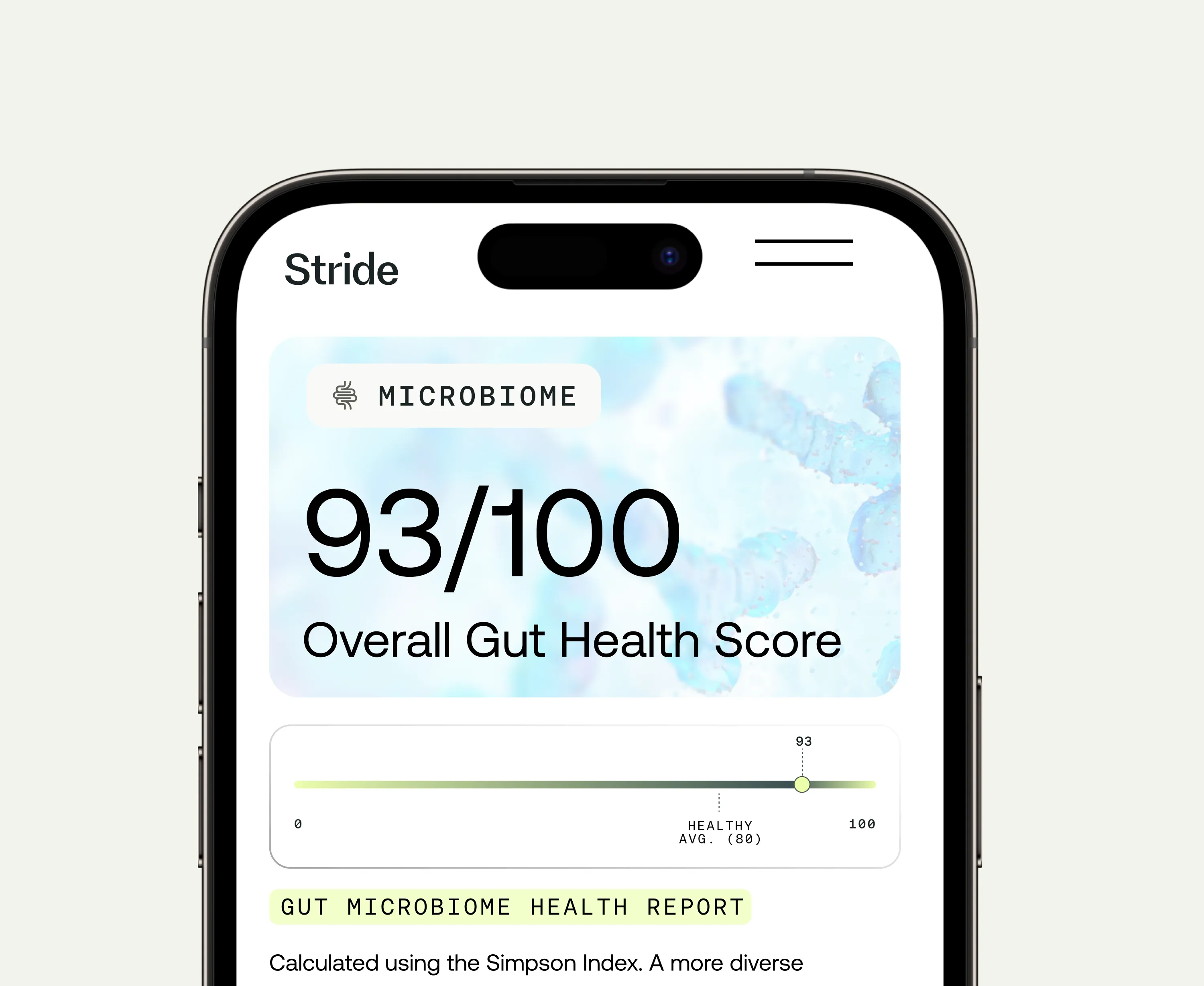
Optimal Biome
Gut microbiome test for comprehensive analysis & personalized health solutions
From £399 £279.30
Health Tests
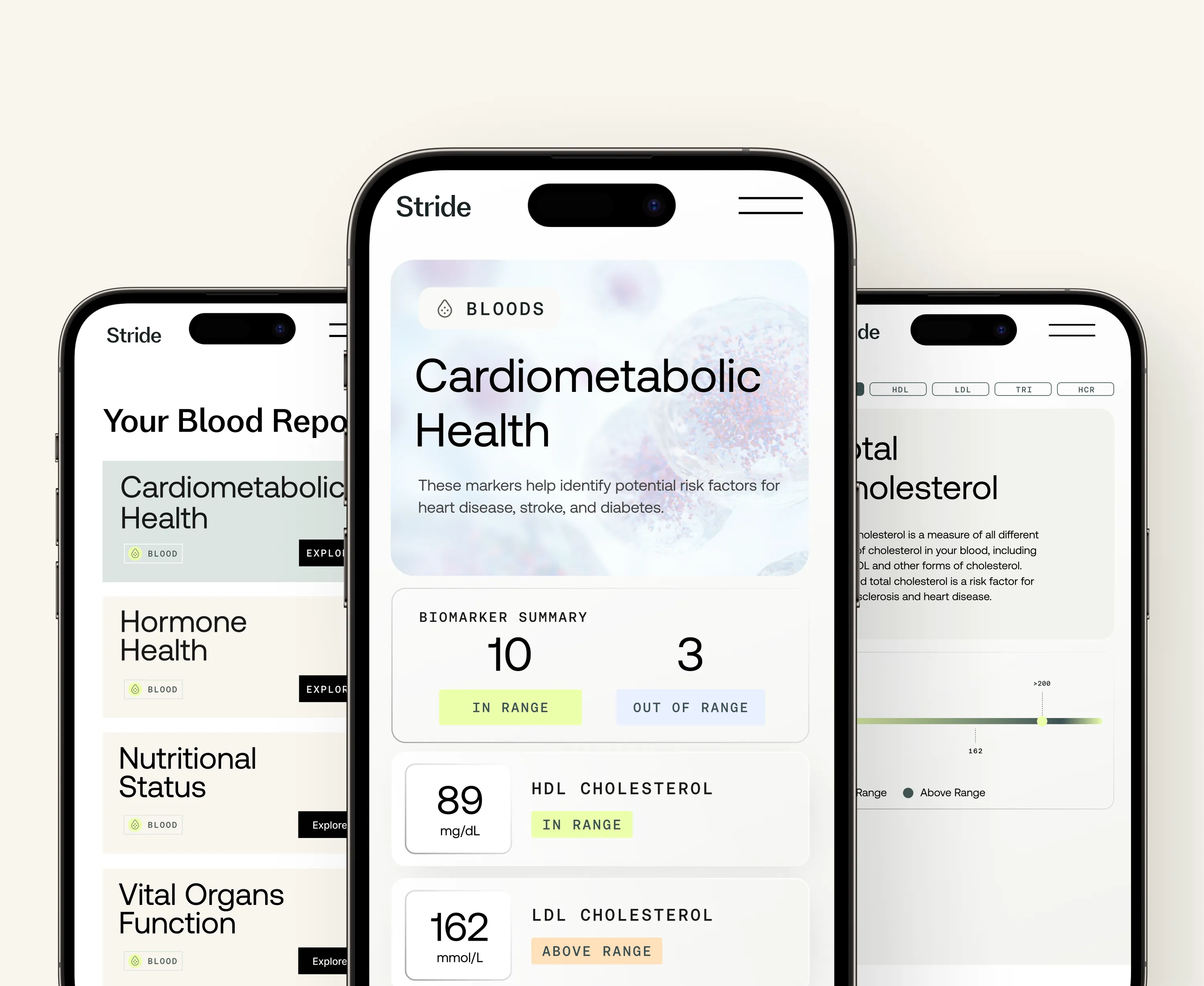
Optimal Bloods
At-home test for more than 70 blood-based biomarkers
From £399 £279.30
Biomarkers
| Biomarker | What it measures | Why it matters | Relevance |
|---|---|---|---|
| hsCRP Blood Test (High Sensitivity C-Reactive Protein) | Systemic inflammation | Elevated in IBD and other inflammatory gut conditions; normal in IBS | 5 |
| Ferritin Blood Test | Iron storage levels | Low ferritin signals malabsorption or intestinal blood loss; commonly depleted in chronic diarrhoea | 5 |
| TSH Blood Test (Thyroid Stimulating Hormone) | Thyroid stimulating hormone | Overactive thyroid accelerates gut motility and is a recognised cause of chronic loose stools | 4 |
| Active B12 Blood Test (Holotranscobalamin) | Active B12 status | Terminal ileum absorption of B12 is impaired in several GI conditions; deficiency worsens fatigue and neurological symptoms | 4 |
| Vitamin D Blood Test (25-OH) | 25-OH vitamin D status | Low vitamin D is common in malabsorptive gut conditions and is associated with impaired gut immune function | 4 |
FAQs
What is the difference between acute and chronic diarrhoea?
Acute diarrhoea typically resolves within 1 to 2 days and is most commonly caused by a viral or bacterial infection. Chronic diarrhoea is defined as loose or watery stools occurring more than three times per day for four weeks or longer. Chronic diarrhoea is far more likely to have a non-infectious cause, including IBS, IBD, coeliac disease, thyroid dysfunction, or gut dysbiosis, and warrants investigation rather than waiting for spontaneous resolution. The distinction matters because the two types of diarrhoea require fundamentally different approaches to investigation and management.
Can stress cause chronic diarrhoea?
Stress does not cause structural damage to the gut, but it has a direct physiological effect on gut function through the gut-brain axis. The enteric nervous system, which governs intestinal motility and fluid secretion, is richly connected to the central nervous system via the vagus nerve and shared neurotransmitter pathways. Chronic stress elevates cortisol and activates the sympathetic nervous system, which can accelerate gut transit and reduce the gut's tolerance for normal digestive sensations. This is particularly relevant in IBS, where the gut is hypersensitive to both physical and psychological triggers. Managing the stress response consistently often improves bowel habit stability alongside other approaches.
Can an overactive thyroid cause diarrhoea?
Yes. Hyperthyroidism accelerates the body's metabolic rate across multiple systems, including the gastrointestinal tract. Increased thyroid hormone activity speeds intestinal transit, reducing the time available for water absorption from the stool and producing loose or frequent stools. This is a less commonly recognised cause of chronic diarrhoea but one that resolves with effective thyroid treatment. Because the digestive symptoms often accompany more recognisable signs of thyroid overactivity, including weight loss, palpitations, and heat intolerance, a thyroid function test is a standard part of the BSG chronic diarrhoea workup.
What does a gut microbiome test show that a standard stool test does not?
A standard stool culture tests for specific bacterial or parasitic pathogens that cause acute infection. A gut microbiome test analyses the entire community of microorganisms living in your intestine, measuring species diversity, the relative abundance of beneficial and potentially problematic bacteria, the presence of short-chain fatty acid-producing species, and markers of intestinal inflammation. This provides information about the ecological health of your gut rather than simply confirming or ruling out a specific infection. People with IBS, chronic bloating, or recurrent loose stools often have normal stool cultures alongside significant dysbiosis that a microbiome test can identify.
What blood tests should you have for persistent diarrhoea in the UK?
British Society of Gastroenterology guidelines recommend that all patients with chronic diarrhoea have a panel of blood tests including full blood count, ferritin, CRP, coeliac serology (tTG-IgA antibodies), and thyroid function (TSH). Faecal calprotectin is recommended as a stool-based first-line screen for intestinal inflammation. These tests collectively allow GPs to distinguish inflammatory bowel disease from functional disorders like IBS, screen for coeliac disease, assess for nutritional deficiencies, and rule out thyroid-related causes before considering referral for endoscopy.
Is IBS the same as chronic diarrhoea?
IBS is a common cause of chronic diarrhoea but is not the same thing. IBS is a functional bowel disorder in which gut symptoms occur without identifiable structural or biochemical changes in the gut lining. Diarrhoea-predominant IBS (IBS-D) produces frequent loose stools, often accompanied by bloating, urgency, and abdominal discomfort, but with normal inflammatory markers and normal gut structure on imaging or endoscopy. Chronic diarrhoea is a symptom, not a diagnosis, and can have many other causes including IBD, coeliac disease, thyroid overactivity, and bile acid malabsorption. Reaching an accurate diagnosis requires ruling out these other causes before concluding that IBS is the explanation.
Can gut dysbiosis cause chronic diarrhoea?
Yes. The gut microbiome regulates intestinal transit, barrier integrity, and immune signalling. Dysbiosis, an imbalance in the composition and diversity of gut bacteria, can disrupt each of these functions. Low levels of butyrate-producing bacteria reduce the energy supply to the intestinal epithelium, impairing its barrier function. Overgrowth of certain species can increase intestinal motility. A disrupted microbiome is associated with both IBS-D and inflammatory bowel conditions, and emerging research suggests that restoring microbiome balance through dietary approaches and targeted probiotics can improve stool consistency and frequency over time.
How do I know if my diarrhoea is related to food intolerance?
Food intolerances typically produce symptoms within hours of eating a trigger food, and patterns are often consistent. The most common dietary triggers for loose stools include lactose (dairy), fructose (found in fruit and sweeteners), and FODMAPs more broadly. A structured elimination diet followed by careful reintroduction, ideally with dietitian support, is the most reliable way to identify food triggers. Blood tests for specific IgG food intolerances are widely marketed but are not recommended by NHS guidelines, as elevated IgG to a food reflects exposure rather than clinical intolerance. If symptoms persist across multiple dietary changes, testing for coeliac disease and assessing the gut microbiome is a more informative next step.
Find out what your body is actually trying to tell you.
Answer 8 quick questions and get a free personalised report - covering which area of your biology is most worth looking at first, what testing in that area reveals, and what actions become available once you have that data.
Where do you feel you're operating below your potential right now?
Methylation & Cellular Health
Your biology is signalling a methylation upgrade - here’s what that means and what to do about it.