
Menu
-
Shop All
Contact
hey@getstride.com
Stride Health Group
Stride Health Group Ltd
Company No 05158025
Lamas Road
Badersfield
Norwich
England
NR10 5FB
UK









Kidney health: early warning signs and what your blood tests can show
Kidney health is one of the most important areas to monitor proactively, because chronic kidney disease develops silently. Most people with early-stage chronic kidney disease (CKD) have no symptoms at all, and by the time symptoms appear, significant kidney function has already been lost. The kidneys filter approximately 200 litres of blood per day, removing waste products, regulating fluid balance, controlling blood pressure, and maintaining electrolyte equilibrium. When kidney function declines, waste products accumulate in the bloodstream, blood pressure rises, and the risk of cardiovascular complications increases substantially. Understanding what your kidney function blood test results reveal, and what warrants attention, is one of the most practical and high-value uses of routine blood testing.
What affects kidney health?
Diabetes and insulin resistance
Diabetes is the leading cause of chronic kidney disease in the UK and globally. Persistently elevated blood glucose damages the tiny blood vessels (glomeruli) inside the kidneys that filter waste from the blood, a condition called diabetic nephropathy. This damage accumulates silently over years, and by the time albuminuria (protein in the urine) becomes detectable, the structural damage to the glomeruli is already significant. People with type 2 diabetes or prediabetes benefit from annual kidney function monitoring, including both eGFR from a blood test and an albumin-to-creatinine ratio (ACR) from a urine test, because together they detect early damage that blood testing alone may miss.
High blood pressure
Hypertension is both a cause and a consequence of kidney disease. Chronically elevated blood pressure creates mechanical stress on the glomerular blood vessels, gradually impairing their filtering capacity. Conversely, as kidney function declines, the kidneys lose their ability to regulate sodium and fluid balance, which raises blood pressure further. This bidirectional relationship means that blood pressure control is one of the most important modifiable factors for both preventing and slowing the progression of kidney disease. Regular kidney function monitoring in people with hypertension gives early warning of whether blood pressure is causing structural kidney stress over time.
Genetic conditions and family history
Polycystic kidney disease (PKD) is the most common hereditary kidney disorder, affecting approximately 1 in 1,000 people in the UK. Cysts develop in both kidneys and enlarge progressively over decades, eventually impairing kidney function. PKD is typically identified through imaging rather than blood tests, but eGFR monitoring tracks functional decline over time. Alport syndrome, IgA nephropathy, and several other inherited conditions also affect the kidneys and may present with haematuria (blood in the urine) and gradual eGFR decline. Family history of kidney disease significantly increases personal risk and provides a strong rationale for regular monitoring.
NSAID use and medication effects
Non-steroidal anti-inflammatory drugs (NSAIDs) such as ibuprofen and naproxen reduce blood flow to the kidneys by inhibiting prostaglandins that maintain glomerular perfusion. Regular or high-dose NSAID use is a common and underappreciated cause of kidney function decline, particularly in older adults, people with existing kidney disease, and those who are dehydrated. Contrast dyes used in CT and MRI scans, certain antibiotics, and some cancer treatments are also directly nephrotoxic. People who use NSAIDs regularly, or who have had recent contrast imaging or nephrotoxic drug treatment, benefit from kidney function monitoring.
Cardiovascular risk and the kidney-heart connection
Kidney disease and cardiovascular disease share many common risk factors and are bidirectionally linked. Reduced kidney function causes fluid retention, electrolyte imbalances and activation of hormonal systems that raise blood pressure and promote atherosclerosis. At the same time, cardiovascular disease reduces renal perfusion and accelerates kidney damage. This means that high cholesterol, elevated homocysteine, elevated CRP and other cardiovascular biomarkers are directly relevant to kidney health, and comprehensive monitoring of both kidney function and metabolic markers provides the most complete risk picture.
Age-related decline in kidney function
Kidney function declines gradually with age, even in the absence of any specific kidney disease. The average eGFR falls by approximately 0.5-1 ml/min/1.73m2 per year from around the age of 40 onwards. This normal age-related decline means that older adults may have eGFR values below the standard reference threshold of 60 while not having clinically significant kidney disease. The distinction between normal ageing and pathological decline is made by looking at trends over time and at other markers of kidney damage, rather than any single eGFR reading. Regular monitoring across multiple years provides this trend information.
Dehydration and acute kidney injury
Acute kidney injury (AKI) describes a sudden and rapid decline in kidney function, most commonly triggered by severe dehydration, infection (particularly sepsis), blood pressure drops during surgery, or nephrotoxic substances. AKI is detectable through rising creatinine and falling eGFR on blood tests. In most cases, kidney function recovers fully with appropriate treatment, but recurrent AKI episodes accelerate the development of CKD over time. People who experience frequent episodes of illness-related dehydration, or who have had hospital admissions involving AKI, benefit from kidney function monitoring as part of routine health assessment.
How to test for kidney health
The two key markers in kidney function testing are creatinine and eGFR, measured from a standard blood draw.
Creatinine is a waste product produced at a constant rate from the breakdown of muscle tissue. Healthy kidneys continuously filter creatinine out of the bloodstream. When kidney filtration capacity falls, creatinine accumulates in the blood. Rising creatinine levels are one of the earliest and most reliable indicators of declining kidney function, though the absolute level varies with muscle mass, diet and body size, which is why it is used within the eGFR calculation rather than as a standalone marker.
eGFR (estimated glomerular filtration rate) is calculated from creatinine, alongside age, sex and body size, using the CKD-EPI formula approved for use in the UK. eGFR estimates how many millilitres of blood the kidneys are filtering per minute. A normal eGFR is 90 or above. Values of 60-89 are generally considered within normal range in the absence of other signs of kidney damage. An eGFR persistently below 60 for three months or more indicates chronic kidney disease and requires further assessment. An eGFR is most informative when tracked over time: a steady value is reassuring; a declining trajectory is a meaningful signal even if the current value is within range.
Urea is another waste product that rises when kidney filtration is impaired, though it is less specific than creatinine because it is also raised by dehydration and high protein intake. Normal range without CKD is 2.5-7.8 mmol/L. Urea alongside creatinine and eGFR gives a more complete picture of kidney waste clearance.
Electrolytes: sodium, potassium, bicarbonate are tightly regulated by the kidneys. Disruption to potassium and sodium balance is a key complication of progressive CKD and can have serious cardiovascular consequences. Monitoring these alongside eGFR is important in people with known kidney disease.
Cholesterol, HbA1c and blood pressure are not kidney markers themselves, but they are the primary modifiable risk factors for CKD progression. A comprehensive blood panel that includes these alongside kidney markers provides the full picture of what is driving decline and where intervention can have the most impact.
For people with an eGFR below 60, or eGFR above 60 with signs of kidney damage (protein in urine), GP referral for further investigation is appropriate. This typically includes urine ACR to detect albuminuria, kidney ultrasound to assess structure and rule out obstruction, and blood pressure review. Kidney function blood testing is the entry point, not the endpoint, of kidney health assessment.
Evidence-based strategies to support kidney health
Blood sugar and insulin sensitivity
For people with diabetes or prediabetes, maintaining blood glucose within target range is the single most important intervention for preventing diabetic nephropathy. Each percentage point reduction in HbA1c is associated with a meaningful reduction in the risk of kidney complications. Dietary approaches that reduce refined carbohydrate intake, combined with regular exercise to improve insulin sensitivity, produce measurable reductions in HbA1c over 3-6 months that translate directly into lower kidney disease risk over time.
Blood pressure management
Target blood pressure for people with kidney disease is generally below 130/80 mmHg, which is lower than the standard population target. Reducing sodium intake, maintaining a healthy body weight, increasing potassium-rich vegetables and fruits (in people without advanced CKD where potassium restriction may be needed), and regular aerobic exercise all contribute to blood pressure reduction through mechanisms that are complementary to medication. Monitoring both kidney function and blood pressure together provides a more complete picture of how well these risk factors are being managed.
Hydration and kidney protection
Adequate hydration supports kidney filtration and reduces the concentration of waste products in the collecting system. The evidence for specific water targets is less clear than popular health messaging suggests, but consistent pale yellow urine throughout the day is a reliable indicator of adequate hydration. Avoiding prolonged dehydration, particularly during illness, exercise in heat or fasting, is a practical protective measure. For people with kidney stones, higher fluid intake is directly therapeutic, as it reduces stone-forming mineral concentration in the urine.
Protein intake and CKD
High protein intake increases the metabolic load on the kidneys, because processing protein generates nitrogen-containing waste products including urea and creatinine. For people with already reduced kidney function (eGFR below 60), moderate protein intake (0.6-0.8g per kg body weight per day) is typically recommended to slow progression. For people with normal kidney function and metabolic goals that include higher protein intake, monitoring eGFR periodically provides reassurance that the kidneys are handling the load without adverse effects.
Medication management
NSAIDs (ibuprofen, naproxen, diclofenac) should be used sparingly or avoided entirely in people with any degree of kidney function reduction. If you take regular NSAIDs for pain management, monitoring kidney function periodically and discussing alternatives with your GP is a prudent approach. Certain supplements, including high-dose vitamin C and some herbal preparations, can also affect kidney function and warrant consideration in the context of overall kidney health monitoring.
Stride tests that can help with Kidney health
Health Tests
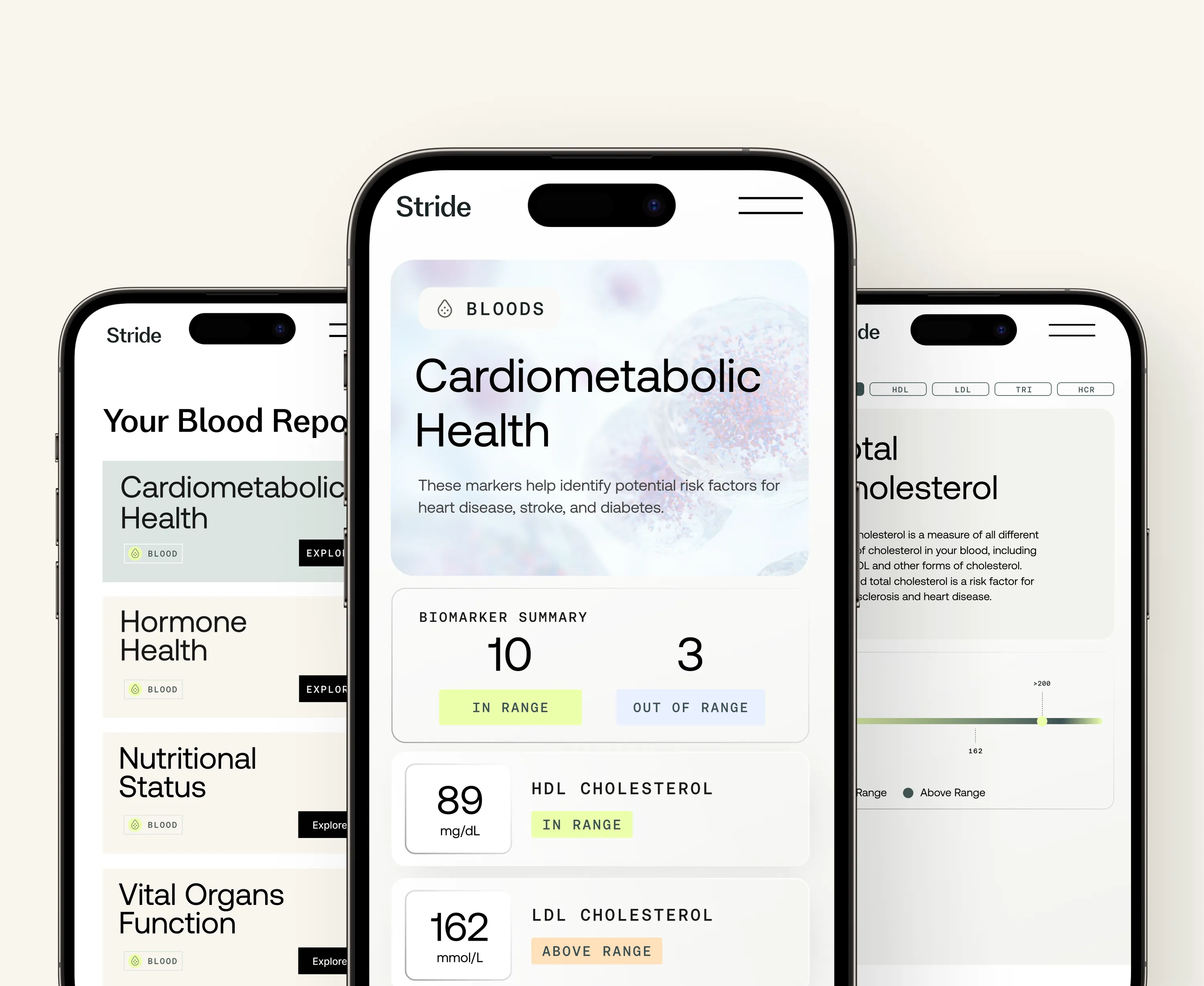
Optimal Bloods
At-home test for more than 70 blood-based biomarkers
From £399 £279.30
Biomarkers
| Biomarker | What it measures | Why it matters | Relevance |
|---|---|---|---|
| Creatinine Blood Test | Muscle waste clearance by kidneys | Rises when kidney filtration falls; the primary input for eGFR calculation | 5 |
| eGFR (estimated Glomerular Filtration Rate) | Estimated kidney filtration rate | The most direct indicator of overall kidney function and CKD staging | 5 |
| Urea Blood Test (Kidney, Liver & Metabolic Biomarker) | Protein waste clearance | Rises with declining kidney function; also affected by dehydration and protein intake | 4 |
| HbA1c Blood Test (Glycated Haemoglobin) | 3-month blood glucose average | Elevated blood glucose is the leading modifiable risk factor for kidney function decline | 5 |
| LDL Cholesterol Blood Test | Low-density lipoprotein | Elevated LDL drives cardiovascular complications that accelerate CKD progression | 4 |
| hsCRP Blood Test (High Sensitivity C-Reactive Protein) | Systemic inflammation | Chronic inflammation is both a driver and a consequence of CKD | 3 |
| Vitamin D Blood Test (25-OH) | 25-OH vitamin D status | The kidneys activate vitamin D; CKD impairs this process, worsening bone and cardiovascular health | 3 |
| Ferritin Blood Test | Iron storage | Anaemia from iron deficiency is a common complication of CKD and affects quality of life | 3 |
FAQs
What is a normal eGFR level and what does a low eGFR mean?
A normal eGFR is 90 or above (measured in ml/min/1.73m2). An eGFR of 60-89 is generally considered within normal range if there are no other signs of kidney damage. An eGFR persistently below 60 for three months or more indicates chronic kidney disease and warrants investigation and monitoring. The CKD stages based on eGFR are: stage 1 (eGFR 90+, with other signs of kidney damage), stage 2 (60-89, with damage), stage 3a (45-59), stage 3b (30-44), stage 4 (15-29), and stage 5 (below 15, kidney failure). Most people with stages 1-3a have no symptoms at all, which is why regular testing is the only reliable detection method for early CKD.
What are the early warning signs of kidney problems?
Most early kidney disease produces no symptoms, which is what makes it dangerous. When early symptoms do appear, they are often non-specific: fatigue, reduced concentration, mild changes in urine colour or frequency, or mild ankle swelling. These symptoms overlap with many common conditions and are rarely attributed to kidney disease without testing. More specific symptoms, such as persistent foamy urine (which indicates protein leakage), visible blood in urine, significant swelling of the ankles or face, persistent itching, or very high blood pressure, typically indicate more established kidney dysfunction. The practical implication is that for people with diabetes, hypertension, a family history of kidney disease, or regular NSAID use, annual blood and urine kidney function monitoring is more reliable than waiting for symptoms.
How does high blood pressure damage the kidneys?
Chronically elevated blood pressure creates mechanical shear stress on the delicate glomerular capillaries that perform kidney filtration. Over time, this stress causes scarring and thickening of the vessel walls, reducing their filtration surface area and efficiency. The kidneys respond to reduced blood flow by releasing hormones (particularly renin and angiotensin) that raise blood pressure further, creating a self-reinforcing cycle. This is why hypertension-related kidney damage tends to progress gradually and silently, and why blood pressure control is one of the most evidence-based interventions for slowing CKD progression regardless of its initial cause.
Can kidney function decline be reversed?
Early-stage kidney disease, particularly when driven by modifiable factors such as poorly controlled diabetes, hypertension, or NSAID overuse, can often be stabilised and occasionally partially reversed with targeted intervention. Reducing blood pressure to target range, optimising blood glucose in diabetes, stopping nephrotoxic medications, and maintaining appropriate hydration can all slow or arrest further decline. Structural damage from fibrosis is largely irreversible, which is why early identification and intervention matters so much. The trajectory of eGFR over multiple measurements is more informative than any single reading: a stable eGFR in someone with diabetes is a meaningful positive signal, even if the absolute value is below 60.
How often should I have my kidney function tested?
For people with no known risk factors and no family history of kidney disease, kidney function is typically checked as part of routine health assessment every 3-5 years from around age 40. For people with diabetes, hypertension, cardiovascular disease, obesity, or a family history of kidney disease, annual testing of both eGFR (blood) and urine ACR is standard clinical practice. For people on potentially nephrotoxic medications, monitoring frequency is guided by the specific drug and dose. For people already diagnosed with CKD, testing frequency increases with disease stage: stage 3 typically requires monitoring every 6-12 months, stage 4 every 3-6 months.
What is the connection between kidney health and blood pressure?
The kidneys are central regulators of blood pressure. They control blood pressure through fluid balance (regulating sodium and water retention), through the renin-angiotensin-aldosterone system (RAAS) which acts as a blood pressure sensor and responder, and through the production of erythropoietin and other hormones. When kidney function declines, this regulatory capacity is impaired: the kidneys retain more sodium and fluid, and the RAAS becomes overactivated, both of which raise blood pressure. Conversely, sustained hypertension damages the kidney's filtration architecture. This bidirectional relationship means that treating one condition effectively requires monitoring and managing the other, making combined cardiovascular and kidney function assessment more valuable than either alone.
Can I check my kidney function at home?
At-home finger-prick blood tests that measure creatinine and calculate eGFR are available, though kidney function testing is most accurate with a venous blood sample processed in an accredited laboratory. The most significant limitation of at-home kidney testing is that it does not include the urine albumin-to-creatinine ratio (ACR), which is essential for detecting early kidney damage from diabetes even when eGFR is still normal. A venous blood panel that combines full kidney markers with metabolic biomarkers relevant to kidney risk provides substantially more information than creatinine alone and is the basis of any meaningful kidney health assessment.
What lifestyle factors most significantly affect kidney health over time?
The three lifestyle factors with the greatest evidence base for kidney protection are blood glucose management (for people with diabetes or prediabetes), blood pressure control, and avoiding nephrotoxic medications including regular NSAID use. Beyond these, maintaining a healthy body weight reduces the metabolic load on the kidneys and lowers the risk of developing diabetes and hypertension. Adequate hydration supports filtration efficiency and reduces kidney stone risk. A diet lower in sodium reduces blood pressure-related kidney stress. Smoking cessation reduces vascular damage throughout the body including the renal vasculature. Tracking the biomarkers that reflect these risk factors (HbA1c, cholesterol, CRP) alongside eGFR provides the clearest picture of whether your approach is having a measurable protective effect.
Find out what your body is actually trying to tell you.
Answer 8 quick questions and get a free personalised report - covering which area of your biology is most worth looking at first, what testing in that area reveals, and what actions become available once you have that data.
Where do you feel you're operating below your potential right now?
Methylation & Cellular Health
Your biology is signalling a methylation upgrade - here’s what that means and what to do about it.