
Menu
-
Shop All
Contact
hey@getstride.com
Stride Health Group
Stride Health Group Ltd
Company No 05158025
Lamas Road
Badersfield
Norwich
England
NR10 5FB
UK









Inflammation: what causes it, how to measure it and why it matters
Inflammation is one of the most searched health topics in the UK, and for good reason. It sits at the root of nearly every major chronic condition, from cardiovascular disease and type 2 diabetes to autoimmune disorders and accelerated biological ageing. The challenge is that the inflammation most worth tracking is the kind you cannot feel: a low-grade, persistent elevation in inflammatory markers that operates silently for months or years before producing obvious symptoms. Understanding what is driving your inflammatory biomarkers specifically, and whether they are elevated at all, requires looking at the markers most directly involved, and this is where targeted testing becomes useful.

What causes chronic inflammation?
Diet and metabolic dysfunction
Ultra-processed foods, refined carbohydrates, and diets high in omega-6 fatty acids relative to omega-3s are among the most consistently documented dietary drivers of elevated inflammatory markers. A diet pattern that raises blood glucose rapidly and repeatedly, reflected in elevated HbA1c or fasting glucose, also drives inflammatory signalling: high blood sugar triggers the release of cytokines and activates nuclear factor-kB, a master regulator of the inflammatory response. Visceral adipose tissue, the fat stored around internal organs rather than under the skin, is metabolically active and secretes pro-inflammatory cytokines including interleukin-6 (IL-6), which directly stimulates the liver to produce CRP.
Gut health and intestinal permeability
Approximately 70% of the immune system resides in and around the gut, making the microbiome one of the most influential regulators of systemic inflammation. When the diversity of gut bacteria declines or the intestinal epithelial barrier becomes more permeable, bacterial products including lipopolysaccharide (LPS) can enter the bloodstream and trigger a sustained immune response. This low-grade endotoxaemia is associated with elevated CRP and is a key mechanism linking gut dysbiosis to systemic inflammatory conditions. A disrupted microbiome does not just affect digestion; it directly influences inflammatory activity throughout the body.
Chronic stress and cortisol dysregulation
Acute stress activates a short-term inflammatory response as part of the immune preparation for physical threat. Chronic psychological stress, however, creates a more complex picture: while cortisol is broadly anti-inflammatory in the short term, sustained cortisol elevation can paradoxically impair the immune system's sensitivity to its own anti-inflammatory signals, a process called glucocorticoid resistance, resulting in a net pro-inflammatory state. Studies consistently find elevated inflammatory markers in people with chronic stress, poor sleep, and disrupted HPA axis function, independent of other lifestyle factors.
Autoimmune activation
Several autoimmune conditions are characterised by persistently elevated inflammatory markers as a direct consequence of the immune system attacking the body's own tissues. Rheumatoid arthritis, lupus, inflammatory bowel disease, Hashimoto's thyroiditis, and psoriasis all produce elevated CRP and ESR as measurable signals of underlying immune activation. In these conditions, tracking inflammatory markers over time is clinically useful for assessing disease activity and monitoring treatment response. Genetic factors influence individual susceptibility to autoimmune inflammation, which is why DNA testing alongside blood biomarkers gives a more complete picture.
Infections, chronic and subclinical
Acute infections produce rapid, dramatic rises in CRP. Less recognised is that subclinical or chronic low-grade infections, including periodontal disease, chronic sinus infections, and persistent viral infections, maintain a background elevation of inflammatory markers that does not resolve after the acute phase. Elevated CRP in the context of no obvious acute illness can reflect one of these persistent sources of immune activation.
Environmental exposures and lifestyle factors
Smoking is one of the most potent inducers of chronic systemic inflammation outside of disease. It elevates CRP, increases oxidative stress, and damages vascular endothelium in a way that compounds cardiovascular risk independently of other factors. Poor sleep quality, particularly disrupted or shortened deep sleep, is associated with elevated morning CRP. Physical inactivity reduces the anti-inflammatory effects of regular exercise, which normally signals the immune system to maintain lower baseline inflammatory tone.
How to test for inflammation
Standard NHS testing typically uses CRP (C-reactive protein) as the primary inflammatory marker, measured in a blood sample. CRP is produced by the liver in response to inflammatory signalling from cytokines including IL-6. It rises quickly at the onset of inflammation and falls when the stimulus resolves, making it a useful real-time marker of both acute and chronic inflammatory states. A standard CRP is most useful for detecting moderate-to-significant inflammation. A high-sensitivity CRP (hs-CRP) detects lower levels of chronic inflammation relevant to cardiovascular risk.
Homocysteine is an amino acid that becomes elevated in the context of poor methylation (related to B vitamin status, particularly B12, folate, and B6) and is independently associated with systemic inflammation and cardiovascular risk. It is a biomarker that sits at the intersection of metabolic, cardiovascular, and inflammatory health.
Evidence-based strategies to reduce chronic inflammation
Anti-inflammatory nutrition
The dietary pattern with the strongest evidence base for lowering systemic inflammatory markers is a Mediterranean-style diet: high in oily fish, olive oil, legumes, vegetables, fruit, and nuts, and low in refined carbohydrates, ultra-processed foods, and red meat. Specific components with direct anti-inflammatory effects include omega-3 fatty acids (EPA and DHA from oily fish), polyphenols from berries and extra virgin olive oil, and dietary fibre, which supports short-chain fatty acid production in the gut. Tracking CRP and homocysteine before and after dietary change gives measurable feedback on whether your specific approach is reducing inflammatory tone.
Exercise as a systemic anti-inflammatory
Regular aerobic exercise produces an acute rise in inflammatory markers followed by a sustained reduction in baseline inflammation, a process mediated by myokines released from contracting muscle tissue. Sedentary behaviour, by contrast, maintains chronically elevated inflammatory signalling. The evidence is strongest for moderate-intensity exercise performed consistently: 150 or more minutes per week of activities like brisk walking, cycling, or swimming. High-intensity training without adequate recovery can temporarily raise inflammatory markers, making the balance between exercise load and recovery a relevant consideration for people with already elevated CRP.
Sleep and recovery
Sleep is the primary window for immune regulation and cellular repair. Consistently short sleep duration, below 6 hours, is associated with elevated morning CRP and IL-6. Disrupted sleep architecture, including reduced time in slow-wave sleep, impairs the cortisol rhythm that normally governs the anti-inflammatory response during the night. Prioritising sleep timing consistency, reducing light exposure in the evening, and addressing sleep apnoea (which creates repetitive inflammatory spikes throughout the night) are among the most impactful but underused tools for reducing chronic inflammatory load.
Gut microbiome support
Because a significant proportion of systemic inflammatory signalling originates in or is modulated by the gut, supporting microbiome diversity is a direct route to lowering inflammatory tone. Increasing the diversity of plant foods in the diet (aiming for 30 or more different plant species per week) is the most evidence-based dietary approach to microbiome diversity. Fermented foods including yoghurt, kefir, kimchi, and sauerkraut have been shown in randomised trials to reduce inflammatory markers alongside increases in microbiome diversity. Tracking your microbiome composition before and after dietary changes helps confirm whether the shifts you are making are translating to measurable changes in your gut health.
Stride tests that can help with Chronic inflammation
Health Tests
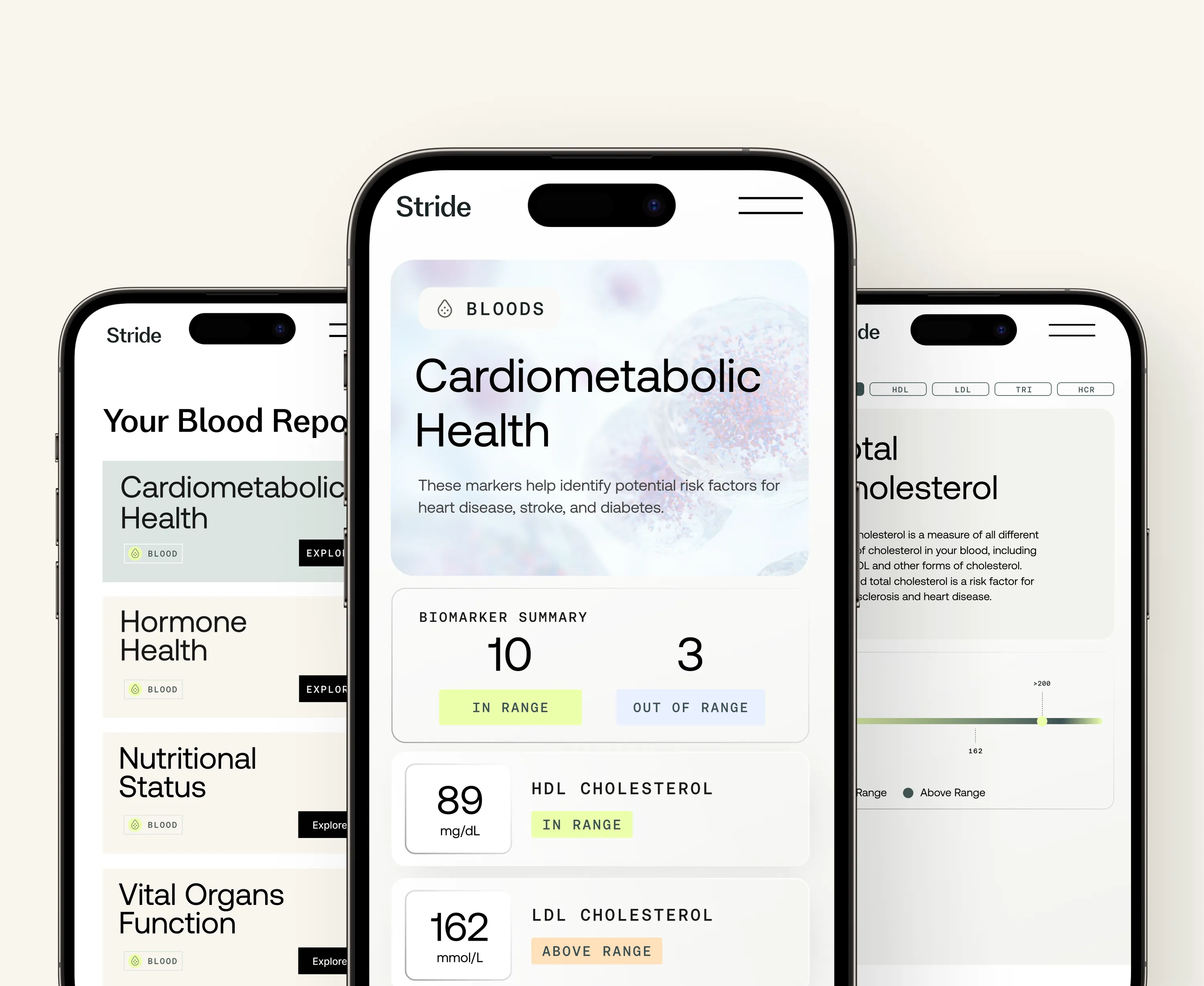
Optimal Bloods
At-home test for more than 70 blood-based biomarkers
From £399 £279.30

Health Tests
DNA & Methylation Test
Genetic methylation testing, three levels
From £169 £109.85
Biomarkers
| Biomarker | What it measures | Why it matters | Relevance |
|---|---|---|---|
| hsCRP Blood Test (High Sensitivity C-Reactive Protein) | C-reactive protein (liver-produced inflammatory marker) | The primary blood marker of systemic inflammation; rises and falls in real time with inflammatory activity | 5 |
| HbA1c Blood Test (Glycated Haemoglobin) | 3-month average blood glucose | Elevated blood glucose drives chronic inflammatory cytokine release; a key metabolic driver of silent inflammation | 5 |
| Vitamin D Blood Test (25-OH) | 25-OH vitamin D status | Low vitamin D is associated with higher inflammatory marker levels and impaired immune regulation | 4 |
| Ferritin Blood Test | Iron storage and acute phase protein | Ferritin rises as an acute phase reactant alongside CRP; very high levels can indicate active inflammatory processes | 3 |
| LDL Cholesterol Blood Test | Low-density lipoprotein | Inflammation promotes oxidation of LDL particles, increasing cardiovascular risk beyond what cholesterol levels alone suggest | 4 |
| Active B12 Blood Test (Holotranscobalamin) | Active B12 status | B12 deficiency elevates homocysteine, directly increasing inflammatory and cardiovascular risk | 3 |
FAQs
What is the difference between acute and chronic inflammation?
Acute inflammation is the short-term protective response your immune system mounts following injury, infection, or a sudden physical insult. It is characterised by redness, swelling, warmth, and pain at the site of the problem, and resolves within days to weeks as the trigger is addressed. Chronic inflammation is a persistent, low-grade activation of the immune system that can continue for months or years without obvious localised symptoms. It often operates silently, measurable only through blood markers like CRP, while gradually damaging blood vessels, organs, and DNA. Chronic inflammation is associated with cardiovascular disease, type 2 diabetes, neurodegenerative conditions, and accelerated biological ageing.
What does a CRP blood test actually measure?
CRP (C-reactive protein) is a protein produced by the liver in response to cytokine signals released during inflammation. The liver begins producing CRP within hours of an inflammatory stimulus, and levels can rise rapidly in acute infections or injuries. In the context of chronic inflammation, CRP is elevated at a lower, more sustained level rather than spiking dramatically. A standard CRP test detects moderate-to-significant inflammation (above 10 mg/L), while a high-sensitivity CRP (hs-CRP) detects lower levels relevant to cardiovascular risk assessment. CRP tells you that inflammation is present but does not identify its source or location.
Can chronic inflammation cause fatigue?
Yes. Chronic systemic inflammation activates the immune system in a way that diverts energy and resources away from normal cellular function. Pro-inflammatory cytokines including IL-6 and TNF-alpha directly act on the brain to produce symptoms that resemble sickness behaviour: fatigue, reduced motivation, cognitive slowing, and low mood. This is a physiological mechanism rather than simply feeling unwell and explains why conditions with elevated inflammatory markers, including IBD, rheumatoid arthritis, and even subclinical metabolic inflammation, consistently produce fatigue as a prominent symptom. Reducing inflammatory load through diet, sleep, and exercise often improves energy levels as a direct consequence.
What level of CRP is considered concerning?
Laboratory reference ranges vary, but as a general guide: CRP below 1 mg/L reflects very low inflammatory activity; 1 to 3 mg/L indicates low to moderate elevation that may be relevant to cardiovascular risk; 3 to 10 mg/L suggests mild to moderate inflammation; and above 10 mg/L indicates significant inflammation that warrants investigation for an acute or active cause. High-sensitivity CRP (hs-CRP) uses a finer scale for cardiovascular risk, where values above 2 mg/L are considered elevated risk. A single result should always be interpreted in context, and tracking CRP over time is more informative than a single snapshot.
Can gut health affect inflammation levels?
Yes, significantly. Around 70% of the immune system is located in and around the gut, and the composition of the gut microbiome directly influences systemic inflammatory signalling. When microbiome diversity falls or the intestinal barrier becomes more permeable, bacterial products including lipopolysaccharide enter the circulation and trigger a sustained inflammatory response, a process sometimes called metabolic endotoxaemia. This mechanism links gut dysbiosis to elevated CRP and inflammatory conditions well beyond the digestive system. Improving microbiome diversity through diet and tracking both gut health and inflammatory markers together gives the most informative picture of how these systems interact for your biology specifically.
How long does it take to reduce inflammation through lifestyle changes?
CRP responds relatively quickly to meaningful lifestyle changes, with reductions measurable within 4 to 12 weeks of consistent dietary improvement, exercise, and sleep optimisation. More structural changes, such as reducing visceral fat, improving HbA1c, or restoring microbiome diversity, take longer, typically 3 to 6 months of consistent change. Tracking biomarkers at baseline and again after a period of lifestyle intervention is the most reliable way to know whether your approach is reducing inflammatory load. Retesting CRP, homocysteine, and HbA1c after 3 to 6 months of targeted changes gives concrete evidence of whether your biology is responding.
Is inflammation always bad?
No. Acute inflammation is a necessary and protective immune process that enables healing from injury and clearance of infection. Without it, minor wounds would become life-threatening. The problem arises when inflammatory signalling does not resolve, transitioning from a short-term protective mechanism to a chronic background state that damages tissues and contributes to disease. The distinction between helpful acute inflammation and harmful chronic inflammation is central to understanding why reducing chronic inflammatory markers is a meaningful health objective, while seeking to eliminate all inflammatory activity would be counterproductive.
What DNA factors influence how much inflammation I produce?
Several genetic variants influence individual susceptibility to chronic inflammation. Variants in genes regulating cytokine production, including IL-6 and TNF-alpha, affect how strongly the immune system responds to inflammatory stimuli. MTHFR variants impair methylation, which elevates homocysteine, an independent marker of inflammatory and cardiovascular risk. Variants affecting omega-3 fatty acid metabolism influence how effectively anti-inflammatory pathways function. Understanding your genetic predispositions alongside your current inflammatory biomarkers allows you to make targeted lifestyle and nutritional interventions based on how your specific biology processes and regulates immune signals, rather than following population-level guidelines that may not apply to you as an individual.
Find out what your body is actually trying to tell you.
Answer 8 quick questions and get a free personalised report - covering which area of your biology is most worth looking at first, what testing in that area reveals, and what actions become available once you have that data.
Where do you feel you're operating below your potential right now?
Methylation & Cellular Health
Your biology is signalling a methylation upgrade - here’s what that means and what to do about it.