
Menu
-
Shop All
Contact
hey@getstride.com
Stride Health Group
Stride Health Group Ltd
Company No 05158025
Lamas Road
Badersfield
Norwich
England
NR10 5FB
UK




News
8 Minutes
How Detoxification Really Works: Liver Pathways Explained
The word "detox" has been hijacked by marketing. Three-day juice cleanses, charcoal teas, water fasts, all promising to flush something invisible out of your system. The body is already doing it, second by second, and not in the way the supplement aisle suggests.

 29/04/2026
Detoxification beyond the juice cleanse aisle
The word "detox" has been hijacked by marketing. Three-day juice cleanses, charcoal teas, water fasts, all promising to flush something invisible out of your system. The body is already doing it, second by second, and not in the way the supplement aisle suggests. Real detoxification is a continuous biochemical process, run primarily by the liver, and it depends on a steady supply of nutrients.
That last point is the one most cleanses get backwards. Detoxification is a nutrient-requiring process. Cutting calories or living on lemon water can actively starve the very pathways you are trying to support. The most effective way to "boost" detoxification is rarely to restrict, it is to feed the system what it needs.
This article explains:
How liver detoxification actually works
The liver processes two streams of compounds. Endogenous: hormones, metabolic by-products, neurotransmitters. Exogenous: alcohol, medications, pesticides, plastics, food additives. Whatever the source, the conversion follows the same three-phase architecture.
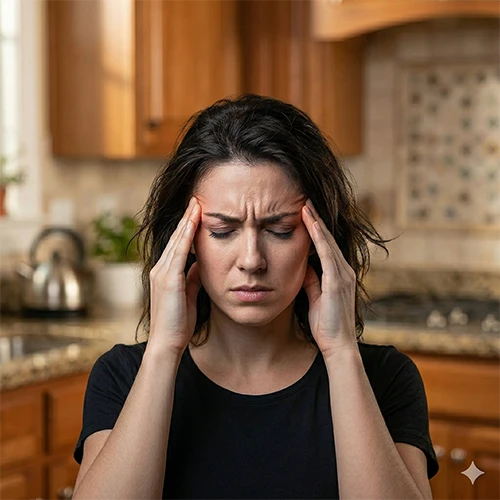
Each phase has a different job, different enzyme machinery, and different nutrient demands. They also need to stay in balance. Pushing Phase I without Phase II keeping pace creates a backlog of reactive intermediates, which is the biochemistry behind the headaches, irritability, and fatigue some people experience on aggressive detox protocols.
Phase I: Activation
Cytochrome P450 enzymes chemically transform toxins into reactive intermediates ready for the next step.
Phase II: Neutralisation
Conjugation enzymes attach a partner molecule, making the intermediates water-soluble and safe to excrete.
Phase III: Elimination
Compounds leave the body via bile and stool, or via the kidneys and urine.
Phase I: activating the compounds
Phase I is run by the cytochrome P450 enzyme family, often shortened to CYP450. These enzymes chemically modify toxins through oxidation, reduction, or hydrolysis, turning them into more reactive intermediates the next phase can act on.
The catch is that those intermediates can briefly be more harmful than the original compound. If Phase II cannot keep up, they accumulate, drive oxidative stress, and contribute to headaches, fatigue, and hormonal swings.
Genetic variants in CYP1A2, CYP2D6, and CYP3A4 explain why caffeine and medications affect people so differently. Fast metabolisers clear compounds quickly, slow metabolisers leave them circulating for hours.
Phase I depends on B vitamins (B2, B3, B6, B12, folate), antioxidants including glutathione, amino acids, bioflavonoids from colourful plants, and phospholipids.
Phase II: neutralising the intermediates
Phase II takes those reactive intermediates and conjugates them, attaching a partner molecule that makes them water-soluble and ready for excretion. Methylation is one of the major routes. Sulfation, glucuronidation, glutathione conjugation, and acetylation are others.
This is where individual variation matters most. Variants in GSTM1, GSTT1, GSTP1 (glutathione pathway), COMT (methylation and catechol metabolism), SULT1A1 (sulfation), and the UGT family (glucuronidation) all shift the efficiency of this phase. The downstream effects show up in oestrogen clearance, alcohol tolerance, and reactions to environmental chemicals.
Cruciferous vegetables, including broccoli, cauliflower, kale, rocket, and cabbage, earn their reputation here. They contain glucoraphanin, which converts to sulforaphane when chopped or chewed, and sulforaphane is one of the most studied Phase II activators. Broccoli sprouts contain far higher concentrations than mature heads.
Key Phase II nutrients include amino acids from quality protein, glutathione precursors (NAC, glycine, glutamine), methyl donors (folate, B12, choline, betaine), magnesium, and sulfur-containing foods.
Phase III: transport and elimination
Phase III moves neutralised compounds out of the liver cell. From there they take one of two routes: into bile, which dumps them into the digestive tract for elimination via stool, or back into the bloodstream for the kidneys to filter into urine.
This is where the gut becomes non-negotiable. If bowel movements are sluggish or bile flow is poor, conjugated toxins can be reabsorbed before they leave the body, a process called enterohepatic recirculation. Some of the work of Phases I and II gets undone.
“Detoxification is finished in the toilet, not in the liver.”
The gut-liver connection
You cannot have efficient detoxification without a functioning gut. Beyond regular elimination, the microbiome itself participates in detox.
Some gut bacteria produce an enzyme called beta-glucuronidase, which deconjugates compounds that Phase II had already neutralised. This effectively reverses the work, sending hormones (especially oestrogen) and toxins back into circulation. Microbiome imbalances, low fibre intake, and chronic constipation all amplify the problem.
Fibre is the unsung hero. It binds conjugated compounds and carries them out via bile before bacteria have a chance to deconjugate them. Low-fibre diets, even with otherwise good nutrition, leave detoxification half-finished.
Why detox capacity matters
Hormone clearance
The liver clears oestrogen, cortisol, and thyroid hormones. Inefficient detoxification shows up as PMS, oestrogen-dominance symptoms, and thyroid sluggishness.
Energy and fatigue
Detoxification is ATP-intensive. Strained pathways increase oxidative load on the mitochondria, and chronic fatigue often follows.
DNA and longevity
Cumulative toxic exposure drives DNA damage and inflammation. Efficient detoxification reduces both, and the underlying machinery becomes less efficient with age.
Why detoxification is personal
Two people exposed to identical doses of caffeine, alcohol, or environmental chemicals can have very different outcomes. That variation is largely written in your genes and shaped by your gut, which is why generic detox advice can be a poor fit.
DNA and methylation testing can map the relevant variants in CYP450 (Phase I), the conjugation enzymes (Phase II), antioxidant production, and methylation efficiency. Microbiome testing can flag bacterial imbalances that interfere with Phase III, including elevated beta-glucuronidase activity. Together they answer a question one-size-fits-all advice cannot: where, exactly, your detox bottleneck might be.
Practical ways to support detoxification
The patterns that move the needle are the patterns that look unsexy on a wellness blog. Consistency beats intensity.
Equally important is reducing the load on the system. Limiting alcohol, ultra-processed foods, and unnecessary medications gives the liver less to process in the first place, which often does more for symptoms than any added supplement.
FAQs
Do juice cleanses or detox teas actually work?
Not in the way they are marketed. Juices remove most protein and fat, both of which the liver needs to run Phase II conjugation. Detox teas are typically diuretics or laxatives, which produce visible "results" without changing underlying detoxification capacity. Sustained, varied nutrition is consistently more effective than any short-term cleanse.
How long does the liver take to clear alcohol?
For most adults, the liver processes roughly one unit of alcohol per hour, which is around half a pint of regular-strength beer or a small glass of wine. The exact rate is genetically influenced (the ADH1B and ALDH2 genes are key drivers) and slows with age, illness, and heavy chronic intake.
How can I tell if my detoxification pathways are sluggish?
Symptoms are non-specific, but persistent fatigue, hormonal symptoms (PMS, irregular cycles, oestrogen-dominance signs), strong reactions to caffeine or alcohol, sensitivity to fragrances or chemicals, and irregular bowel movements can all hint at strain in one or more phases. Genetic and microbiome testing can localise the bottleneck more precisely than symptoms alone.
Why do I sometimes feel worse on a "detox"?
It usually points to an imbalance between the phases. Aggressive Phase I activation without enough nutrient support for Phase II creates a backlog of reactive intermediates, which can show up as headaches, irritability, brain fog, or skin breakouts. The fix is more nutrients, not more restriction.
Do I need a supplement for liver support?
Most people do not need a dedicated liver supplement. The bigger wins come from consistent protein, cruciferous vegetables, fibre, hydration, and limiting alcohol. Targeted support, such as glutathione precursors or methylation co-factors, can be useful where genetic or symptom evidence points to a specific bottleneck.
The bottom line
Detoxification is biology, not a programme. Support it with consistent protein, cruciferous vegetables, fibre, and hydration, and the liver does what it has been built to do.
If symptoms point to a bottleneck, genetic and microbiome testing can localise the issue more precisely than another round of green juice.
Find out what your body is actually trying to tell you.
Answer 8 quick questions and get a free personalised report - covering which area of your biology is most worth looking at first, what testing in that area reveals, and what actions become available once you have that data.
Where do you feel you're operating below your potential right now?
Methylation & Cellular Health
Your biology is signalling a methylation upgrade - here’s what that means and what to do about it.