
Menu
-
Shop All
Contact
hey@getstride.com
Stride Health Group
Stride Health Group Ltd
Company No 05158025
Lamas Road
Badersfield
Norwich
England
NR10 5FB
UK





News
8 Minutes
Nutrition by Addition: Protein
When it comes to advice about healthy lifestyles, taking certain foods away tends to be the common advice given to achieve optimal results. Cut carbs, eliminate sugar, and restrict calories is usually what we hear. But for many people focusing on this type of scarcity mindset can lead to a cycle of deprivation, intense cravings, and energy crashes.

 04/02/2026
Why adding in protein is the secret to lasting energy and satiety
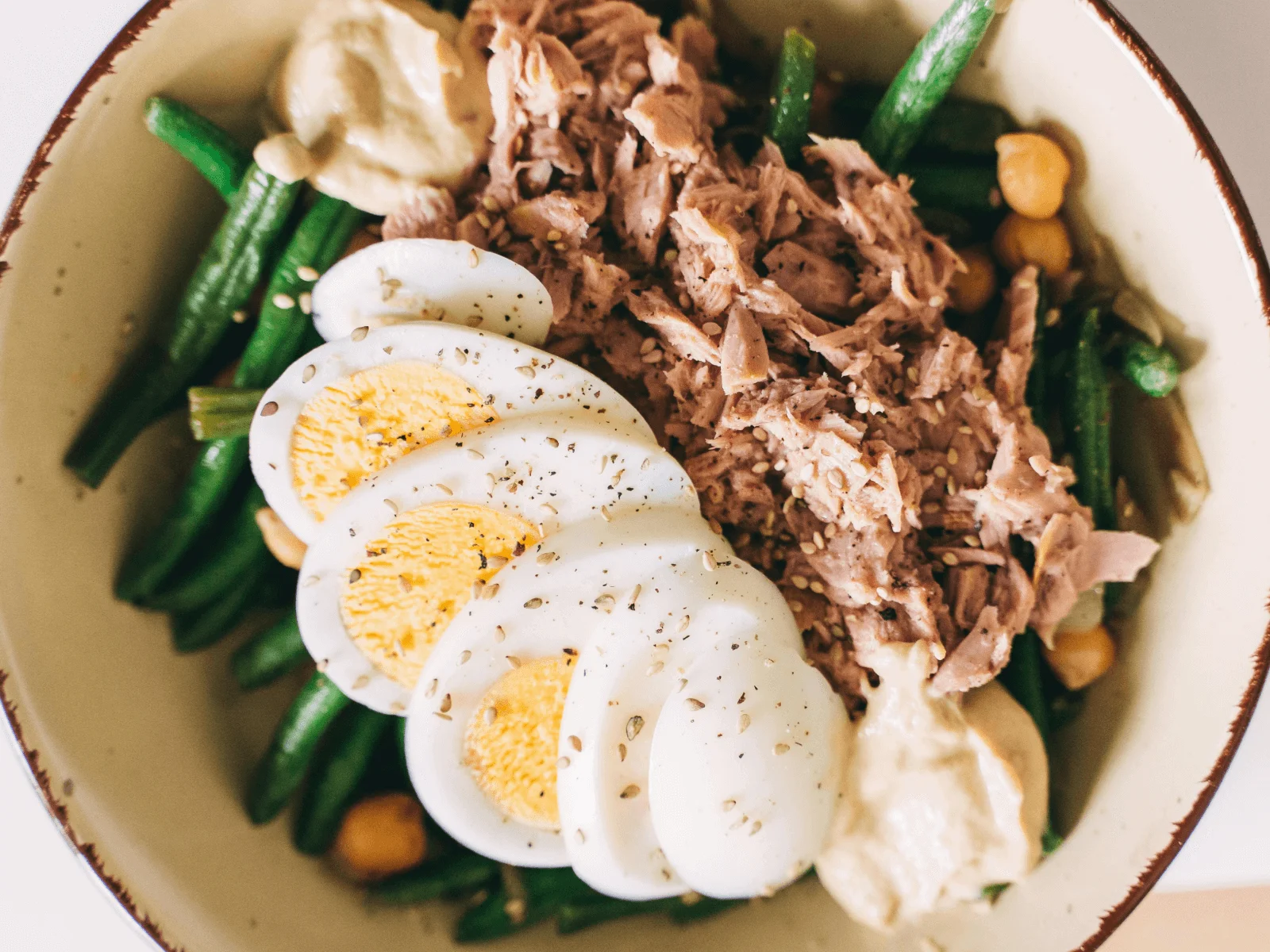
There is a much more empowering way to look at your plate - Nutrition by Addition. Instead of focusing on what you can’t have, this philosophy encourages you to shift your focus to what you can add to your meal to feel your best.
By intentionally “crowding in” high-quality protein and fiber, you naturally satisfy your body’s biological needs… your body will thank you for it. This isn’t a way of tricking your mind into thinking it's getting enough; it's a way to form a synergistic relationship with your own body to quiet “food noise”, boost your metabolism, and protect your long-term health.
For those utilising advanced health data, such as DNA, microbiome, and blood testing, this approach moves beyond guesswork. By understanding your unique genetic markers, gut microbial composition, and blood biomarkers, you can transition from a prescriptive "diet" to a personalised state of metabolic sovereignty.
The science of fullness: Quieting the "Food Noise"
We’ve all experienced "food noise" - those persistent, intrusive thoughts about snacks or your next meal even when you’ve recently eaten. This often happens because your internal hunger signals are out of balance.
Dietary protein is your most powerful tool for turning down the volume on that noise. When you eat protein, your gut sends "I’m full" messages, through the gut-brain axis, to your brain through key hormones:
-
The Fullness Signal (GLP-1): Protein triggers the release of Glucagon-Like Peptide-1 (GLP-1), a hormone that slows down how fast food leaves your stomach. This keeps you feeling satisfied for much longer and prevents the sharp blood sugar spikes that lead to "hanger" later on.
-
The Reward Signal (PYY): This hormone tells your brain’s reward centers that you’ve had enough, reducing the drive to keep snacking.
-
The Hunger Switch (Ghrelin): Protein is better than any other nutrient at suppressing Ghrelin, the hormone that makes your stomach growl.
By prioritising protein in every meal, you aren't just eating; you're sending a high-priority signal to your brain that the body is nourished.
Energy that lasts: The protein advantage
Have you ever felt a "carb crash" or afternoon slump? That lethargy is usually the result of your blood sugar spiking and then plummeting. Protein acts as a stabilizer. It slows the absorption of sugars into your bloodstream, ensuring a steady, reliable flow of energy throughout the day.
Furthermore, protein gives you a unique "metabolic tax break". This is thanks to a process called Diet-Induced Thermogenesis (DIT). Your body actually has to work harder to digest and process protein than it does for fats or carbs.
-
Fats and Carbs: Only a small fraction of their energy is used up during digestion.
-
Protein: About 20% to 30% of the calories in protein are burned just through the act of processing them.
This means that a protein-forward diet naturally increases your Total Daily Energy Expenditure (TDEE) without you having to spend more time on the treadmill or spin bike. Additionally, by slowing glucose absorption, protein prevents the rapid insulin spikes and subsequent "crashes" that lead to mid-afternoon lethargy and sugar cravings.
Muscle: Your body’s metabolic engine
Skeletal muscle is far more than just a tool for movement, it is your body's largest "metabolic organ". It is the primary place where your body processes the sugar (glucose) from your blood. So, maintaining this tissue is not just about strength; it is a cornerstone of metabolic resilience.
As we age, we naturally begin to lose muscle mass, a process called sarcopenia, simply because our muscles face anabolic resistance where they become less responsive to protein and exercise. When we lose muscle, our metabolism slows down, and our bodies become less efficient at managing blood sugar. This is especially important for those losing weight rapidly - whether through diet or modern medications - because up to 39% of that weight loss can come from muscle rather than fat.
Adding protein "triggers" your muscles to repair and grow. It provides the essential building blocks (amino acids) that tell your body to stay strong and metabolically resilient.
The gut-muscle connection: Protein meets fibre
A healthy metabolism is a team effort between your muscles and your gut. When you "crowd in" both protein and diverse fibers (like beans, lentils, and veggies), your gut bacteria go to work, this strategy is often called fibermaxxing.
These bacteria ferment the fiber into Short-Chain Fatty Acids (SCFAs). Think of these as tiny messengers that travel from your gut to your muscles to:
-
Boost Energy Cells: They help your mitochondria (your cells' "power plants") run more efficiently.
-
Lower Inflammation: They help calm the low-grade inflammation that can make it harder for your body to build muscle and stay healthy.
-
Improve Insulin Sensitivity: They help your body use the energy from your food more effectively, keeping your blood sugar stable and protecting against myosteatosis where fat infiltrates in the muscles.
Using your health data to personalise your plan
While a protein-forward approach works for everyone, the "right" amount and type of food depends on your unique biology. This is where DNA and microbiome testing change the game.
DNA: Your genetic roadmap
Your genes can tell you how your body is "wired" to handle food:
-
The "Hunger Gene" (FTO): Some people have a genetic version of this gene that makes them feel less full after a meal, leading to a natural drive to eat more. If you have this variant, a protein-forward diet is even more critical for managing that signal.
-
MC4R: This gene influences your tendency to snack or seek out high-calorie foods.
-
ADRB2 & FABP2: These markers reveal how your body specifically processes fats and how likely you are to store them.
Microbiome: Your internal pharmacy
Microbiome testing shows if you have the specific bacteria - specific bacteria like Ruminococcus bromii or Akkermansia - needed to turn fiber into those helpful SCFAs that support your muscle health and blood sugar stability.
Empowering your plate: Plant-based addition
You don’t have to eat meat to thrive on a protein-forward diet. For those participating in Veganuary, Meatless Mondays, or living a full plant-based lifestyle, the goal is to find "complete" sources that provide all the nutrients your body needs.
|
Plant-based power house |
Protein content |
Why add it? |
|
Seitan (Wheat Meat) |
25g per 100g |
Incredibly high protein-to-calorie ratio; great texture |
|
Tempeh (Fermented Soy) |
19g - 21g per 100g |
Rich in probiotics for gut health and fiber |
|
Lentils |
18g per cup |
A fiber "maxxing" staple that feeds your gut |
|
Tofu (Extra Firm) |
12g - 16g per 100g |
A "complete" protein that works in almost any dish |
|
Nutritional Yeast |
8g per serving |
A savory way to add protein and B12 to any meal |
|
Hemp Seeds |
9g per 3 tbsp |
Perfect balance of healthy fats (Omega-3 and Omega-6) |
Easy "Addition" Swaps:
-
Boost Your Breakfast: Instead of just oats, add a scoop of hemp seeds or Greek yogurt to keep you full until lunch.
-
Level Up Your Salad: Add a half-cup of edamame or chickpeas to turn a light side into a satisfying meal.
-
Satisfy Your Cravings: If you're having pasta, use a lentil-based noodle or add some tempeh crumbles to your sauce for extra staying power.
Conclusion: Take Your Next Step with Confidence
The "Nutrition by Addition" approach is about working with your biology, not against it. It's about recognising that your body is a complex system of signals, and those signals respond best to abundance and nourishment rather than restriction and rules.
When you use advanced testing to see inside your body - mapping your DNA, your blood markers, and your microbiome - you move from following a generic diet to following a personalised plan. You'll know exactly what your "Hunger Gene" is doing, how your gut is handling fiber, and whether your muscles have the fuel they need to keep your metabolism strong.
Start today by asking a simple question: "What can I add to my plate to feel more satisfied, energized, and strong?" That single shift is the first step toward a lifetime of metabolic resilience.
Frequently Asked Questions
How much protein do I need per day?
Protein needs vary depending on age, activity level, and goals. For most adults, a range of around 1.2–2.0 grams of protein per kilogram of body weight per day is appropriate. Those aiming to build or maintain muscle, particularly as they age, often benefit from the higher end of this range.
Do I need to eat fibre if I’m focusing on protein?
Yes. While protein plays a central role in satiety and muscle health, dietary fibre supports digestion, blood sugar control, and gut health. Pairing protein with fibre-rich foods helps stabilise energy levels and supports longer-lasting fullness.
How much fibre do I need?
General fibre recommendations provide a useful reference point, but fibre intake needs vary between individuals based on tolerance, gut health, and overall diet. Rather than focusing on a single number, prioritising fibre diversity from whole foods is often more effective and sustainable.
Can eating more protein help with energy levels?
Yes. Protein helps slow carbohydrate absorption and supports more stable blood sugar levels, which can reduce energy crashes. When combined with fibre and balanced meals, protein intake supports more consistent energy throughout the day.
Is it better to focus on protein or fibre for satiety?
Both matter. Protein is the strongest driver of satiety, while fibre supports fullness by slowing digestion and feeding beneficial gut bacteria. Together, they work synergistically to reduce cravings and support appetite regulation.