
Menu
-
Shop All
Contact
hey@getstride.com
Stride Health Group
Stride Health Group Ltd
Company No 05158025
Lamas Road
Badersfield
Norwich
England
NR10 5FB
UK













DNA Tests
Advanced Genetic Methylation Test
Excellent

Rated 4.9 out of 5
(383 Reviews)
The Stride Advanced DNA & Methylation Test analyses 52 genes across 29 personalised reports, covering core methylation genes such as MTHFR, MTR, MAOA and COMT, alongside additional genes involved in nutrition and metabolism such as VDR and FTO. It’s ideal if you want personalised insight into how your DNA affects methylation, diet, nutrient absorption and metabolic health.
Using a simple at-home cheek swab, this one-time test delivers clear, actionable nutrition guidance you can use long term. For the most complete picture, including fitness, stress and recovery, the Optimal test provides the fullest level of insight.
What's included :
- Analyse the five key methylation cycles PLUS more than 20 nutrigenetic reports
- Understand how variants across 50+ genes including MTHFR and COMT affect your health and lifestyle
- Learn how to fine-tune your nutrition and supplement choices to support optimal methylation & wellness
- Includes 1:1 consultation to interpret results and next steps
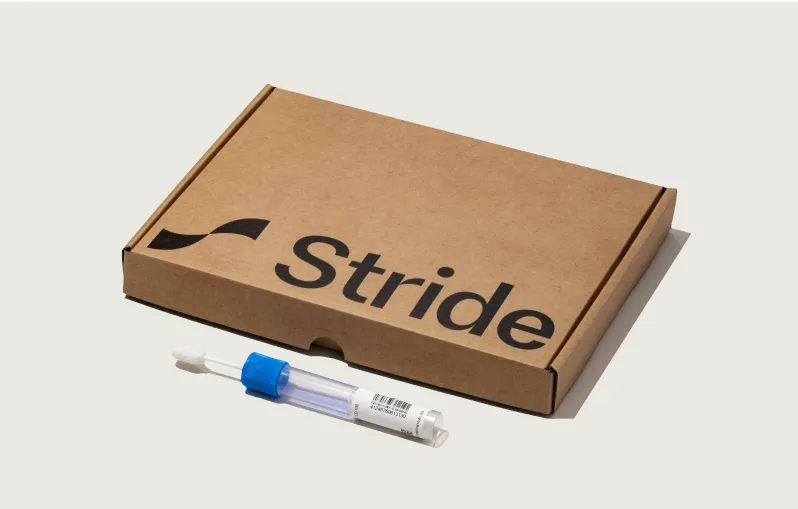
- Cheek swab at home, results in 10 working days
- In-house accredited laboratory
Choose your test level.
Not everyone is looking for the same insights, so our DNA test comes in 3 levels, Optimal, Advanced and Core.









Secure, private platform

30-day money-back guarantee
As featured in










50%+
of adults have genetic variations disrupting methylation, the process that controls mood, detox, and hormone balance.
 Constant fatigue
 Low mood / stress
 Hormonal imbalance
 Slow recovery
How It Works
Here’s how your DNA test works
Simple, fast, and science-backed, your journey to better health in three easy steps.

Step 1
Order your kit
Delivered in 1–2 days

Step 2
Provide your DNA sample
Easy at-home self-collection

Step 3
In-house lab testing
Private and secure analysis <10 days
Step 4
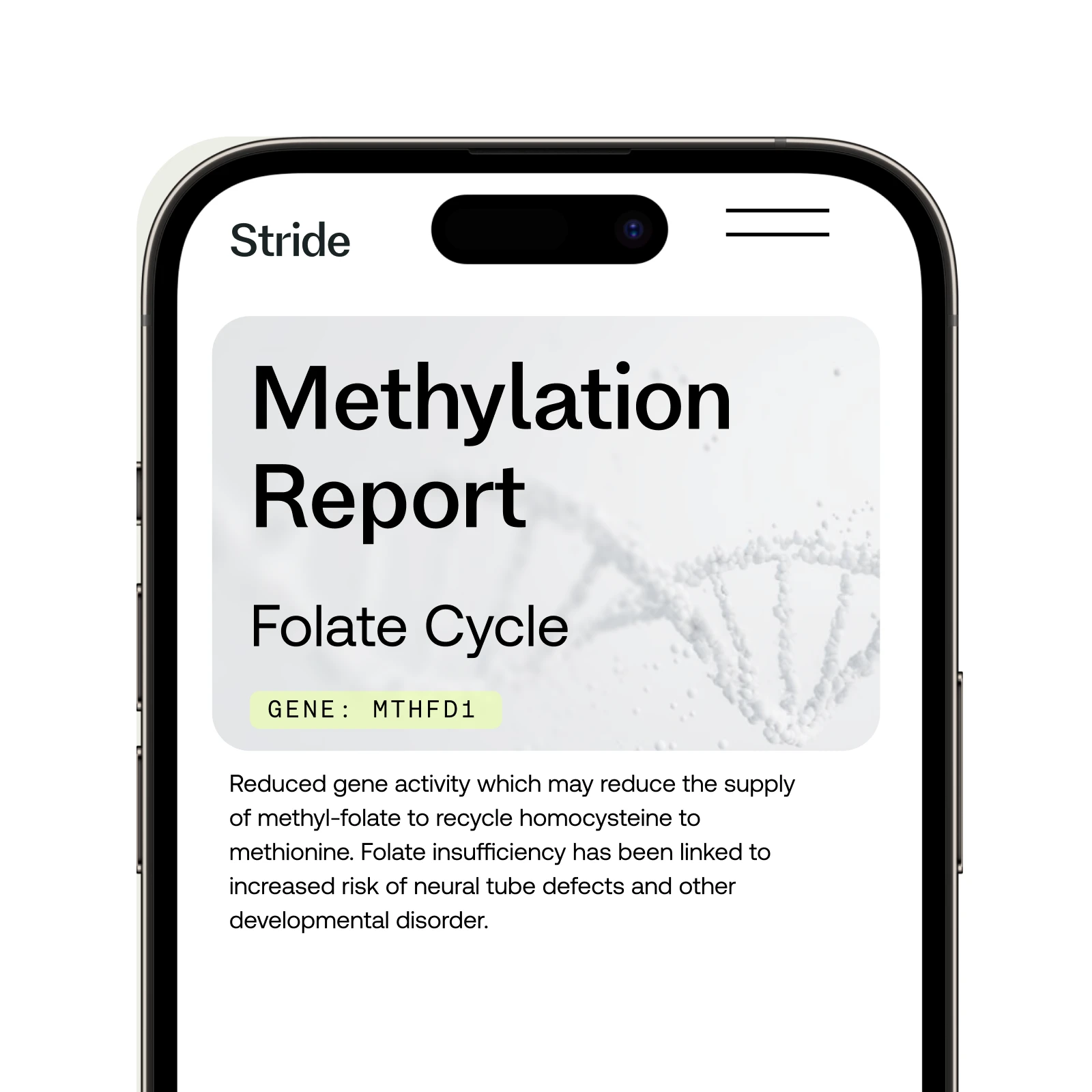
Get your personalised report
45+ insights with expert guidance
Science
Stride methylation test: How your biology speaks to you
Methylation is a core control system in the body. It helps regulate how you produce energy, clear waste, repair cells, and stay resilient over time. The Stride DNA & Methylation Test shows how well this system is likely to work for you — and how to support it.

1. What is methylation?
A control system that helps your body run properly
Methylation is a natural process that helps your body decide what to do, when to do it, and how well to do it. It works like a set of switches inside your cells, turning key processes up or down as needed — including energy production, detoxification, repair, and recovery.
The Stride DNA & Methylation tests focus on the main methylation cycles, starting with how your body converts folate (vitamin B9) into its usable form — a step that unlocks many other important processes.
What exactly is being “switched”?
Small markers (called methyl groups) are added to parts of your DNA and other molecules. They don’t change who you are — they simply help your body prioritise what needs attention.
Does methylation change my genes?
No. Your genes stay the same. But your DNA can show how efficiently your methylation cycles are working, helping you make better health decisions.
Is methylation fixed for life?
No. It can change over time and responds to factors like nutrition, stress, environment, and ageing.

2. Why methylation matters
Because many core body systems rely on it
When methylation is working well, your body is better at producing energy, clearing toxins, repairing cells, and staying resilient as you age.
When it’s under strain, people may notice fatigue, slower recovery, inflammation, or feeling generally “out of sync”. Changes in methylation are commonly linked to ageing and long-term health issues.
How does this affect detox and repair?
Methylation helps your body neutralise waste products and repair everyday cellular damage. If this system is overloaded or inefficient, things can start to back up.
What happens if methylation isn’t working well?
Your body may struggle to keep up with repair and regulation, which can contribute to low energy, inflammation, and faster biological ageing over time.
Can I influence methylation myself?
Yes. Nutrition (especially methylated B-vitamins), lifestyle, stress levels, and environmental exposure all play a role.

3. How Stride helps you
Clear insight, then clear next steps
The Stride Optimal DNA & Methylation test looks at how well your methylation cycles are likely to function, based on your genetics.
We don’t just give you raw data. We translate your results into practical guidance, helping you understand where your body may need extra support.
What does the test actually show me?
It highlights genetic patterns linked to how efficiently your methylation cycles work, and where your body may benefit from extra support.
What do I do with the results?
You’ll receive clear recommendations and a complimentary 1:1 expert consultation. This covers nutrition, supplements (if needed), and simple lifestyle adjustments tailored to you.
How is this different from a standard DNA test?
Many DNA tests stop at information. Stride focuses on interpretation and action — turning complex biology into practical steps you can actually use.
Reports
Methylation is just one part of the picture
Stride gives you a wider view of your health, with clear reporting across multiple key systems — all delivered in MyStride with expert guidance and actionable next steps.
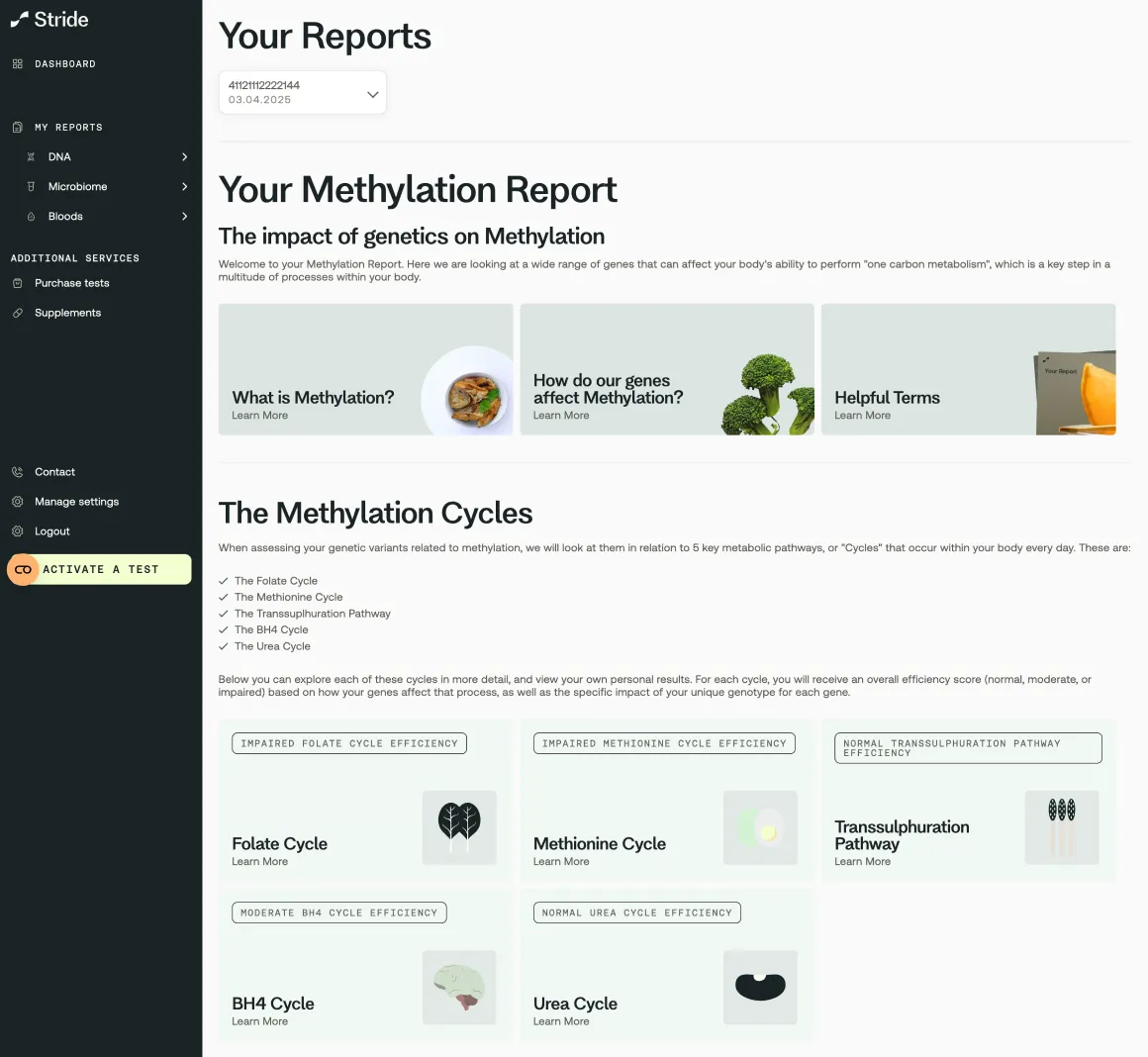
Methylation Profile
Understand how your folate, methionine, BH4, and transsulphuration cycles are wired.
Helps with: DNA repair, detox, neurotransmitters, energy.
Includes: 5 reports
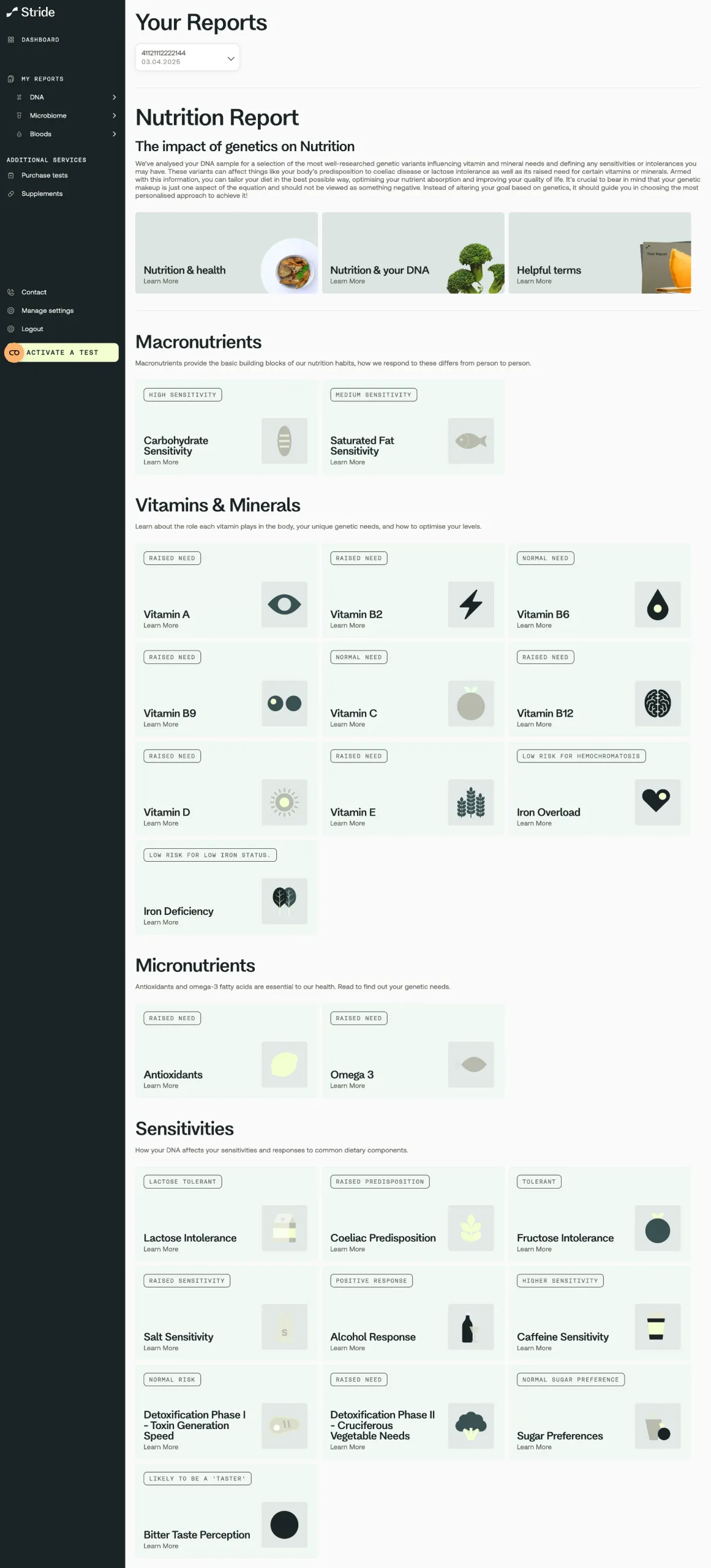
Nutrition
See how your genes shape vitamin/mineral needs and carb/fat handling.
Helps with: intake, intolerances, better absorption.
Includes: 24 reports
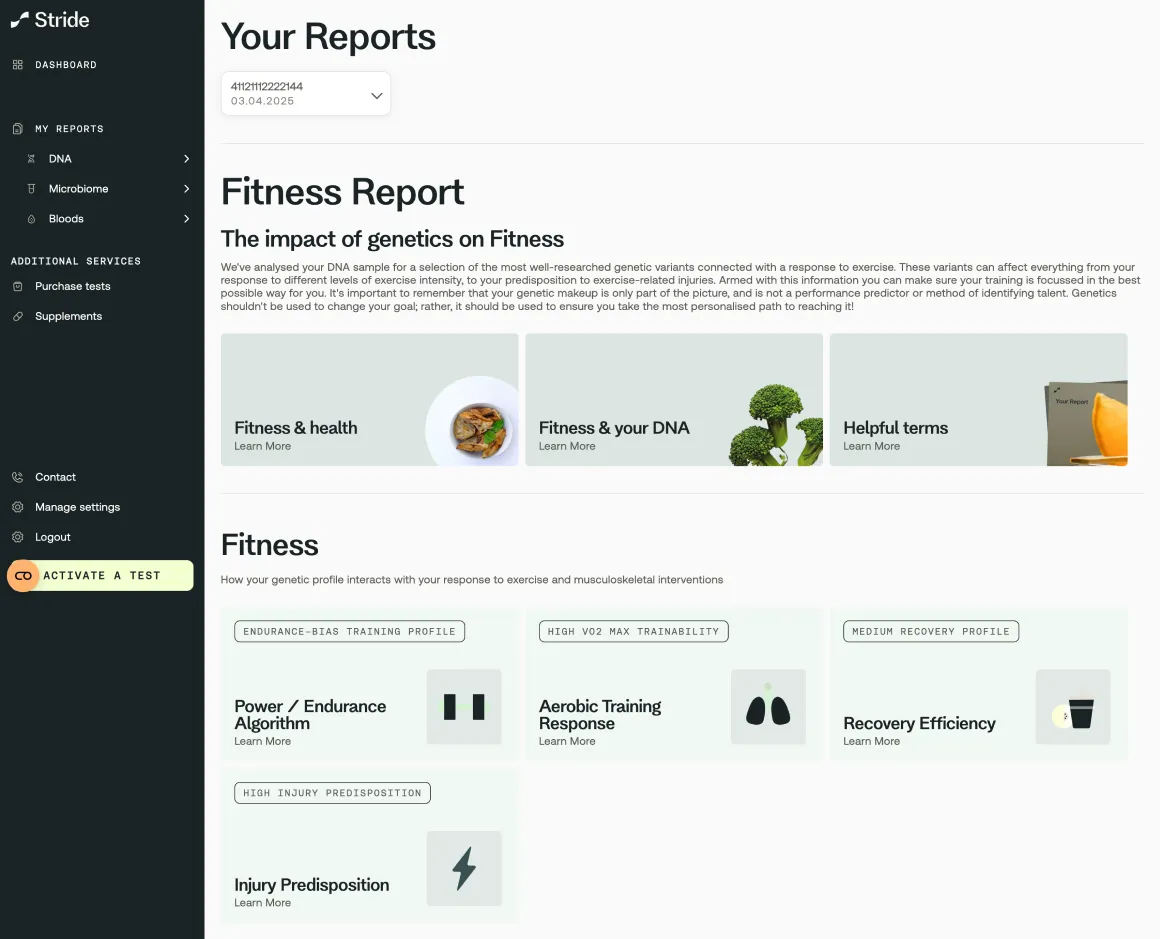
Fitness
Train the way your body responds best. Avoid wasted effort and plateaus.
Helps with: intensity, recovery, injury risk, programming.
Includes: 4 reports
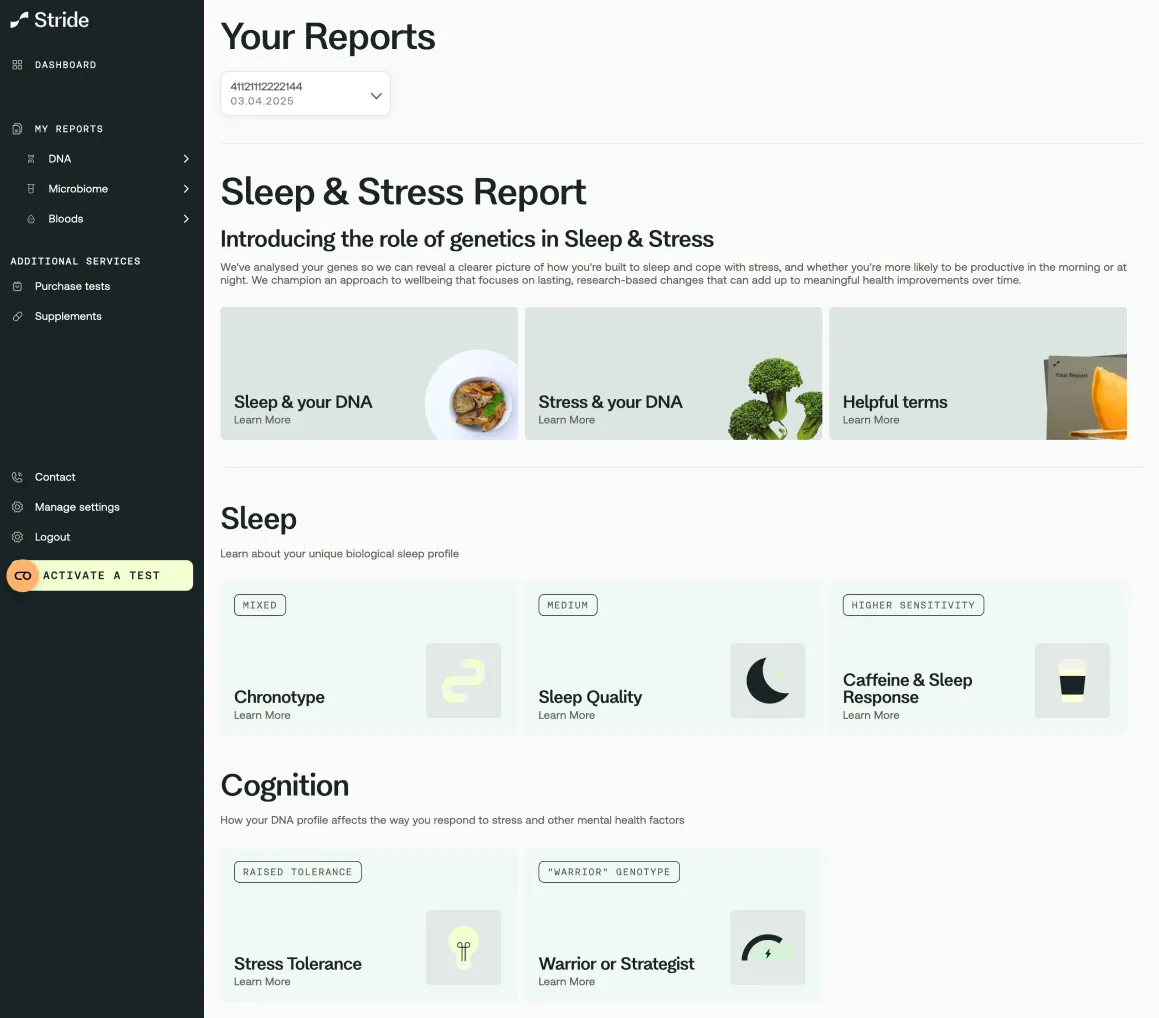
Sleep & Stress
Work with your natural rhythm and resilience. Wake restored; stay calm daily.
Helps with: chronotype, sleep quality, coping under stress.
Includes: 5 reports
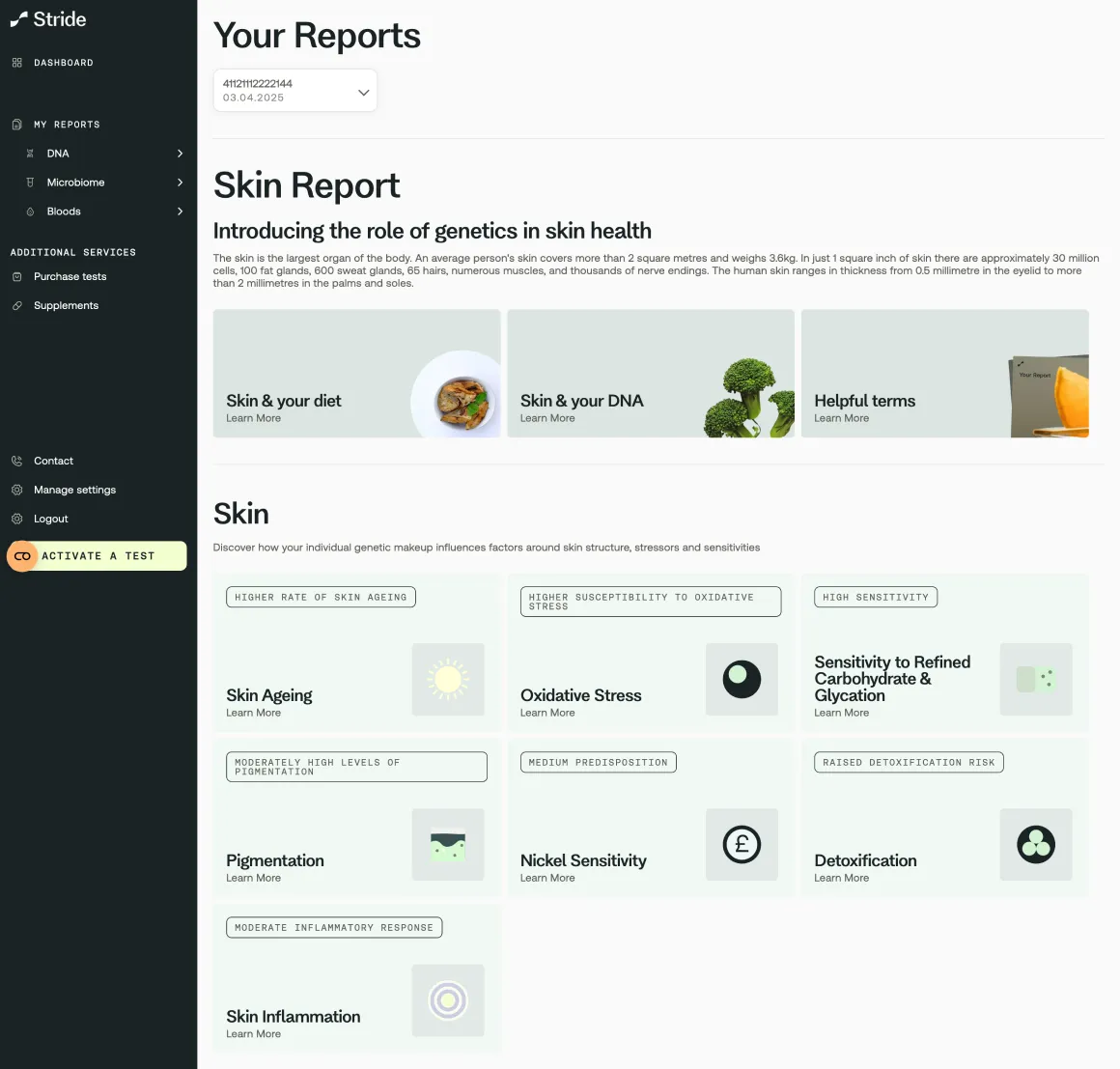
Skin
Target what your skin actually needs. Personalised care for visible results.
Helps with: DNA repair, detox, neurotransmitters, energy.
Includes: 5 reports
What reports & genes are included?
Methylation
Folate Cycle (5 genes)
The Folate Cycle converts dietary folate into usable forms for critical bodily processes. Understanding your genetic predispositions is crucial because variations like impaired MTHFR or DHFR function can significantly reduce folate processing efficiency.
Genes: DHFR, MTHFD1, MTHFR (A1298C), MTHFR (C677T)
Methionine Cycle (6 genes)
The Methionine Cycle drives methylation by producing SAMe - vital for gene expression, detox, and brain chemistry. Variants here can raise homocysteine and stall key pathways like BH4 and Transsulphuration. A methylation panel can uncover blocks behind fatigue, poor focus, and hormonal imbalance.
Genes: MTR, MTRR, FUT2, TCN2, PEMT, BHMT
The Transsulphuration Pathway (2 genes)
This pathway clears homocysteine by turning it into cysteine - fuel for glutathione and taurine. Genetic blocks here can impair detox, raise sulphite toxicity, and drive brain fog and burnout. Screening for these variants can reveal why your stress and recovery systems are under strain.
Genes: CBS (C699T), GSS
The BH4 Cycle (4 genes)
The BH4 Cycle makes key neurotransmitters like dopamine and serotonin and supports nitric oxide and thyroid function. It depends on folate and SAMe from other cycles. Variants can lead to mood issues, poor sleep, and low motivation. Knowing your BH4 profile helps explain and address deeper neurological imbalances.
Genes: MTHFR (A1298C), COMT, VDR, MAOA, MAOB
Urea Cycle (2 genes)
The Urea Cycle detoxifies ammonia by converting it into urea for safe excretion - a vital process linked to liver function, nitrogen balance, and brain health. It also produces arginine, needed for nitric oxide (NO), which supports blood flow and protects your heart. Variants here or low BH4 can impair NO production, increasing oxidative stress and cardiovascular risk.
Genes: NOS3, SOD2
Nutrition
Carbohydrate Sensitivity (9 genes)
Your genes influence how well you process carbs, your insulin sensitivity, and how efficiently you use glucose. Some people are more prone to blood sugar spikes from high-GI foods, increasing the risk of insulin resistance. Knowing your genetic response helps you tailor carb choices to support steady energy, gut health, and long-term metabolic balance.
Genes: ACE, PPARG, TCF7L2, ADRB2, CLOCK, PLIN, INSIG, FTO, FABP2
Saturated Fat Sensitivity (15 genes)
This panel reveals how your body absorbs and processes fat, especially saturated fat, and how it affects your cholesterol levels. While fats are essential for energy, vitamin absorption, and cell health, some genotypes are more sensitive to saturated fat, raising the risk of high cholesterol and heart disease. Knowing your fat response helps you make smarter, heart-healthy choices.
Genes: APOC3, APOA5, APOA2, LPL, FABP2, FTO, CETP, LEPR, MC4R, PLIN, TCF7L2, PPARG, APOE, LIPC, APOE
Vitamin A (2 genes)
Your genes affect how efficiently you convert carotenoids into active vitamin A (retinol), with some people converting up to 60% less. Poor converters need more preformed vitamin A to support vision, immunity, and gene expression. Understanding your genetic efficiency helps ensure you’re meeting your body’s true vitamin A needs.
Genes: BCMO1, BCO1
Vitamin B2 (2 genes)
Riboflavin (vitamin B2) powers key coenzymes involved in energy production, fat metabolism, and detoxification. It also supports healthy homocysteine levels, especially in those with MTHFR variants that reduce enzyme efficiency by up to 65%. If you carry these variants, targeted B-vitamin support can help lower cardiovascular risk and optimise methylation.
Genes: MTHFR (C677T), MTHFR (A1298C)
Vitamin B6 (2 genes)
Vitamin B6 supports over 140 enzyme reactions, including those involved in brain function, blood vessel health, and antioxidant defence. It also helps lower homocysteine, especially important for those with low-functioning MTHFR variants. For these individuals, B6 can play a key role in reducing cardiovascular risk and supporting optimal methylation.
Genes: MTHFR (C677T), NBPF3
Vitamin B9 (3 genes)
Folate is central to one-carbon metabolism, working with B12, B6, and riboflavin to regulate homocysteine and support heart, immune, and brain health. MTHFR variants can reduce folate processing by up to 65%, raising homocysteine and disease risk. Knowing your genetic efficiency helps guide the right form and dose of folate for optimal protection.
Genes: MTHFR (C677T), MTHFR (A1298C), CBS
Vitamin C (3 genes)
Vitamin C supports collagen production, hormone synthesis, immunity, and antioxidant defence. But genetic variations in how you absorb and transport vitamin C can leave you with suboptimal levels - even with a good diet. Testing helps identify whether your genes may be limiting this vital nutrient’s impact on your skin, stress response, and long-term health.
Genes: SLC23A1, GSTT1, SOD2
Vitamin B12 (2 genes)
Vitamin B12 powers red blood cell formation, nerve health, and energy production, and plays a vital role in the methylation cycle. Some people have gene variants that reduce B12 absorption and transport, leading to deficiency even with adequate intake. Testing reveals if your genetics are limiting B12 activity and if you need a more bioavailable form or higher intake.
Genes: FUT2, TCN2
Vitamin D (1 gene)
Vitamin D supports bone strength, muscle function, immunity, and insulin signalling. But your genetic makeup can affect how well you activate, transport, and respond to it. Variants in genes like VDR and CYP2R1 may mean you need more vitamin D than others to maintain optimal levels. Understanding your genetic profile helps tailor your intake to match your body’s true needs.
Genes: VDR
Vitamin E (2 genes)
Vitamin E protects cells from oxidative stress, supports brain and heart health, boosts immunity, and may slow cellular aging. However, genetic differences in absorption and transport can lead to lower circulating levels, even with a good diet. Knowing your genetic profile can uncover hidden needs and help you optimise vitamin E’s protective effects.
Genes: CYP4F2, ZPR1
Iron Overload (1 gene)
Iron is vital for oxygen transport, immune defence, and healthy skin, hair, and nails. But certain genetic variants, especially in the HFE gene, can lead to excessive iron absorption and increase the risk of iron overload (hemochromatosis). Identifying these variants can help you manage iron intake and prevent long-term damage from hidden excess.
Genes: HFE
Iron Deficiency (3 genes)
Iron is essential for oxygen transport, immune defence, brain function, and muscle activity. While most focus is on deficiency, some genetic variants – like those in the TMPRSS6 gene – can disrupt how your body regulates iron through hepcidin, affecting absorption and storage. Understanding your genetic control of iron balance helps fine-tune intake and avoid both deficiency and overload.
Genes: TMPRSS6, TFR2, TF
Antioxidants (3 genes)
Your antioxidant system defends cells against free radicals, protecting energy levels, thyroid health, immunity, and insulin sensitivity. But genetic differences in key detox enzymes can weaken this defence, raising the risk of chronic diseases. Identifying these variants reveals whether your body needs extra support from diet or lifestyle to boost resilience.
Genes: CAT, GPX1, SOD2
Omega 3 (2 genes)
Omega-3 fatty acids play an important role in reducing chronic inflammation and supporting brain, eye, nerve and skin health. DHA is the most biologically active omega-3, yet many people produce only limited amounts from plant-based ALA or even from EPA. Variants on genes involved in inflammatory signalling can increase inflammatory load and therefore raise the body’s demand for DHA. In individuals with higher inflammatory activity, relying on conversion alone may be insufficient. In these cases, obtaining adequate DHA directly from diet or supplementation may be necessary to support optimal inflammatory control and overall resilience.
Genes: IL6, TNF
Lactose Intolerance (1 gene)
The LCT gene controls your ability to produce lactase – the enzyme needed to digest lactose in dairy. While most people lose this ability after infancy, some have a genetic trait called lactase persistence, allowing them to tolerate dairy into adulthood. Knowing your LCT status helps you understand whether dairy is a friend or foe to your digestion.
Genes: LCT/MCM6
Coeliac Predisposition (1 gene)
Gluten is a protein found in wheat, barley, and rye but certain HLA gene variants can trigger an immune reaction to it, increasing your risk of Coeliac disease. These genes influence how your immune system responds in the gut. Knowing your HLA status can clarify whether gluten may be harming your health behind the scenes.
Genes: HLA DQ2/DQ8
Fructose Intolerance (1 gene)
Fructose is a natural sugar found in fruit, but variants in the ALDOB gene can impair its metabolism, leading to hereditary fructose intolerance. This can cause nausea, bloating, and discomfort after eating fructose-containing foods. Identifying ALDOB mutations helps explain unexplained digestive symptoms and guides smarter food choices.
Genes: ALDOB
Salt Sensitivity (2 genes)
While the body needs some salt for muscle and fluid balance, certain genetic variants can make you more sensitive to sodium – raising your risk of high blood pressure, heart disease, and stroke. Knowing your salt sensitivity helps you take proactive steps to protect your cardiovascular health.
Genes: ACE, AGT
Alcohol Response (1 gene)
The ADH1C gene influences how your body breaks down alcohol. Some variants produce a slower-acting enzyme, which is linked to higher HDL (“good”) cholesterol levels in moderate drinkers. While this doesn’t affect alcohol tolerance, it can reveal how your genetics shape the impact of alcohol on heart health.
Genes: ADH1C
Caffeine Sensitivity (1 gene)
Your response to caffeine is shaped by your genetics – specifically how quickly your body breaks it down. Fast metabolisers may handle caffeine well, while slow metabolisers are more likely to experience anxiety, sleep issues, and cardiovascular effects. Knowing your caffeine metabolism can help you tailor your intake for better focus, energy, and long-term health.
Genes: CYP1A2
Detoxification Phase I - Toxin Generation Speed (2 genes)
High-heat cooking of meats can produce harmful compounds like HCAs and PAHs, which damage cells through oxidative stress. Your genes influence how efficiently your body detoxifies these compounds. Certain variants may slow this process, increasing your risk of long-term cellular damage. Understanding your genetic detox capacity can guide safer cooking and dietary choices.
Genes: CYP1A2, EPHX1
Detoxification Phase II - Cruciferous Vegetable Needs (2 genes)
Phase II detox relies on enzymes like GSTM1 to neutralise harmful compounds in the liver. Some people carry a deleted version of the GSTM1 gene, meaning this key enzyme is missing – reducing detox capacity. If you have this variant, increasing your intake of cruciferous vegetables can help support your body’s natural detox pathways.
Genes: GSTM1, GSTT1
Sugar Preferences (1 gene)
Excess sugar can lead to fatigue, brain fog, and long-term health issues. A specific genetic variant influences how your body regulates blood glucose and how strongly you crave sweet foods. Carriers of this variant may consume more sugar and face a higher risk of cavities and metabolic imbalances. Knowing your sugar response can help you take control of cravings and protect your health.
Genes: GLUT2
Bitter Taste Perception (1 gene)
Your ability to taste bitterness is influenced by the TAS2R38 gene, which encodes a receptor that detects bitter compounds in foods like broccoli and brussels sprouts. People with certain variants are “supertasters” and may find these foods more intense or unpleasant. Knowing your taste genetics can help explain food preferences – and guide strategies for improving dietary variety.
Genes: TAS2R38
Why test DNA methylation with Stride?

Deeper Analysis
Most methylation tests on the market look at only a handful of genetic variants. StrideDNA analyse more than 9,000 genetic locations with every sample for the most precision picture of your health.

Data Security
We use strong technical and organisational measures to keep your data safe. It is stored securely and encrypted, and only accessible by the minimum necessary members of our team.

Expert Support
Forget hard to understand lab reports on a static PDF, with no support. StrideDNA results are delivered in your own interactive, world-class portal and every test includes 1:1 support from our expert team of human health practitioners.

Faster turnaround
Unlike almost every other test provider, we own and operate our own in-house laboratory here in the UK. This means we can be higher quality, lower cost and deliver results faster than anyone else.
US VS THEM
Why smart optimisers choose Stride
Get faster results, deeper insights, and real guidance, not just data. Here’s how Stride stacks up.
| Stride Advanced DNA & Methylation Test | 10x Health System | Ultimate Human | |
|---|---|---|---|
| Genes analysed | 59 | 5 | 13 |
| Results time | 10 days | 4 weeks | 5 weeks |
| 1:1 Expert consultation |  |
 |
|
| Personalised plan | |
|
|
| Money-back guarantee | |
|
|
| Price | $244.30 | £499 | $599 |
| Buy Now |
For the curious.
What is the Advanced DNA & Methylation Test?
The Advanced DNA & Methylation Test combines deep methylation analysis with nutrigenetic insights to show how your genes influence nutrient needs, sensitivities, metabolism, and detoxification.
Why is methylation important for health, and how do genetic variants affect it?
Methylation is a core biochemical process that supports gene expression, detoxification, energy production, immune function, neurotransmitter balance, and lipid metabolism.
Genetic variants in methylation-related genes (e.g., MTHFR, MTR, MTRR, COMT, BHMT, CBS) can influence how efficiently your body converts and uses nutrients such as folate and B12, which may affect energy, mood, cardiovascular and neurological health.
Understanding your variants helps tailor nutrition and supplementation (e.g., folate form and dose, B-vitamin support), alongside lifestyle changes to optimise methylation.
What's included with the Advanced DNA & Methylation Test?
You'll receive:
- At-home DNA test kit + free UK lab return
- 5 Methylation Reports: Folate, Methionine, Transsulphuration, BH4, Urea
- 24 Nutrigenetic Reports covering: vitamin/mineral needs (A, B2, B6, B9, B12, C, D, E, iron, omega 3), sensitivities (lactose, coeliac predisposition, fructose, caffeine, alcohol, salt, sugar), and detoxification phases I & II
- 1:1 Health Expert Support (including dietician)
- Stride digital health platform
What methylation pathways does it analyse?
It covers the Folate Cycle, Methionine Cycle, Transsulphuration Pathway, BH4 Cycle, and Urea Cycle as the foundation for methylation-related insights.
What methylation genes are included?
The Advanced test includes the same core methylation gene panel as the Core test (e.g., MTHFR C677T/A1298C, MTR, MTRR, COMT, BHMT, CBS, MAOA, MAOB, DHFR, FUT2, NOS3, PEMT, SOD2, TCN2, VDR) within an analysis of 9,000+ loci.
Why is the AHCY gene not included in Stride's Methylation Report?
Our inclusion criteria require strong, actionable human evidence.
AHCY SNPs rs41301825 and rs13043752 are considered benign and rare; rs121918608 is a very rare pathogenic mutation. They do not provide broadly applicable, modifiable insights for most users.
How does the Advanced test differ from the Core test?
Advanced includes everything in Core plus 24 nutrigenetic reports to guide diet, sensitivities, detox capacity, and supplement planning for a wider, more practical action plan.
How can this test benefit my health?
It helps you personalise nutrition (e.g., folate and B-vitamins), manage food and stimulant sensitivities, and support detoxification pathways—informing targeted diet and supplement strategies.
What kind of support do I receive with my StrideDNA Test?
All Stride tests include 1:1 consultations with qualified dieticians and health practitioners to translate your results into a tailored plan.
How long does it take to receive my results?
Expect your personalised reports within 10 business days of sample receipt at our UK laboratory.
Where is the methylation test available?
We ship worldwide from the UK. Availability spans the UK, Europe, North America, Asia-Pacific, Oceania, South America, and Africa. Delivery times and customs fees vary. If your country is missing, email hey@getstride.com.
Can I take this test if I’m under 18?
StrideDNA tests are designed for adults (18+).
If you are under 18, testing should only be arranged by a parent or legal guardian, and ideally interpreted with a qualified healthcare professional. Regulatory rules and availability for minors can vary by country.
If you’re unsure, email hey@getstride.com and we’ll advise before you order.