














DNA Test

StrideDNA

The complete at-home DNA test

Excellent   Star Star Star Star Star  
Rated 4.8 out of 5 (423 Reviews)

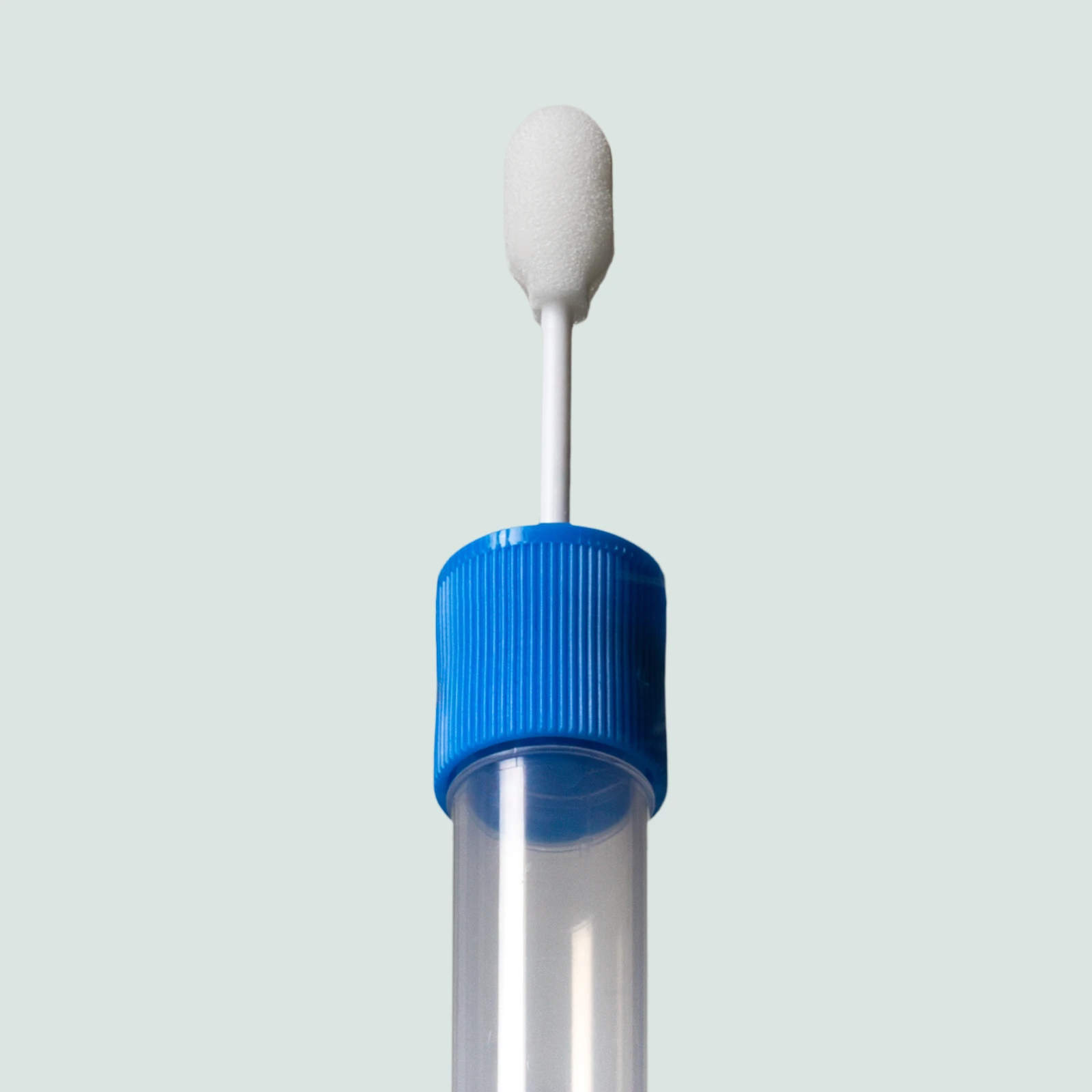
One cheek swab, taken at home in two minutes. We read 110 genes and turn them into 45 plain-English reports covering the food, training, sleep and skincare that suit your biology — and the things that quietly do not.

45 reports across

  • 1:1 video consultation with a Stride expert, included
  • Simple at-home cheek swab — results in 10 working days
  • Your DNA never changes: test once, use it for life

Optimal - 110 Genes

Methylation and nutrition in full, plus sleep, stress, skin and fitness.

€369 €239.85

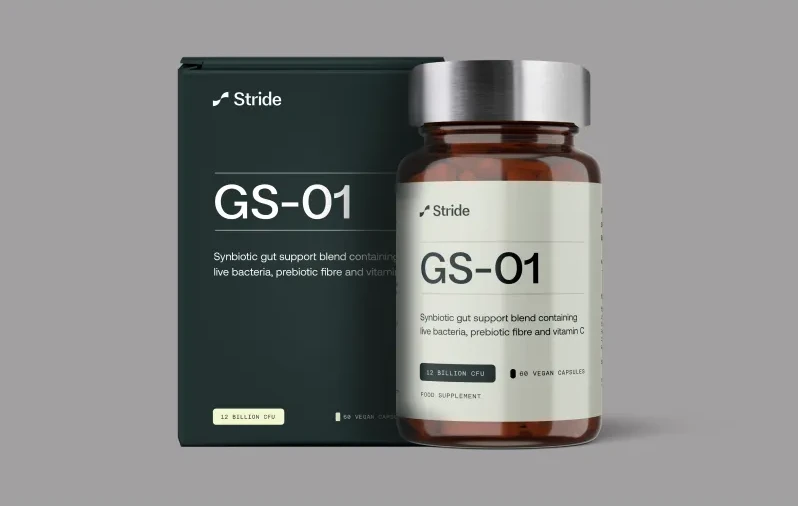
A bottle of MS-01 daily methylation support stack

Free gift

Free MS-01 4-week supply with this order

4-week supply of our daily support stack with active-form vitamin B6, B9 & B12 to support methylation — free with every health test or bundle, for a limited time.

Order today, shipping next day.

Apple Pay Google Pay Shop Pay Klarna PayPal Mastercard AMEX Visa

Secure, private platform

30-day money-back guarantee

What you’ll learn

The questions your DNA can answer

Most people arrive with a specific, stubborn problem rather than an interest in genetics. Here is where StrideDNA has something concrete to say — and where the answer comes from.

  • Why am I always tired?

    How well you absorb and activate iron, B12, B9 and B2 — and whether your folate and methionine pathways are converting them into usable energy at all.

    Nutrition
  • Which supplements are actually worth taking?

    Twelve nutrient reports covering vitamins A, B2, B6, B9, B12, C, D and E, omega 3, iron and antioxidants — including which form of each your body can actually use.

    Nutrition
  • Why does the same diet work for everyone but me?

    Your carbohydrate sensitivity, saturated fat response, appetite signalling and sugar preference — the reasons two people can eat identically and respond very differently.

    Nutrition
  • Why am I wide awake at 3am?

    Your chronotype, sleep quality, how long caffeine stays in your system, and how quickly you clear stress hormones once the day is over.

    Sleep & stress
  • Am I training the right way?

    Whether you respond better to power or endurance work, how fast you recover between sessions, and where you are genetically most likely to pick up an injury.

    Fitness
  • Why is my skin ageing faster than my friends’?

    Collagen breakdown, glycation from refined carbs, oxidative stress, pigmentation and inflammation — so your routine targets your actual weak point.

    Skin

As featured in

Financial Times Forbes The Telegraph Fitt Insider Sheerluxe The Standard Red Country & Town House Luxurious Magazine InTouch Rugby

What’s included

Five areas. One swab.

Every StrideDNA kit reads all 110 genes and returns every report below. There are no levels to choose between and nothing held back for an upgrade.

Nutrition

24 reports

What to eat, what to supplement, and what your body quietly struggles with.

Carbohydrate and saturated fat sensitivity, twelve vitamin and mineral reports, omega 3, lactose, gluten and fructose tolerance, salt, alcohol and caffeine response, and how efficiently you clear everyday toxins.

Genes include FTO, TCF7L2, APOE, VDR, HFE, FADS1

Skin

7 reports

Why your skin behaves the way it does — and which routine is worth the money.

Skin ageing and collagen breakdown, oxidative stress, glycation from refined carbohydrate, pigmentation, nickel sensitivity, detoxification and inflammation.

Genes include MMP1, SOD2, GPX1, MC1R

Sleep & stress

5 reports

When your body actually wants to sleep, and how well it switches off.

Your chronotype, sleep quality, how long caffeine stays in your system, your stress tolerance, and whether you handle pressure as a warrior or a strategist.

Genes include CLOCK, PER2, CYP1A2, COMT

Methylation

5 reports

The maintenance system running underneath all of it.

Five pathways that use B vitamins to build and recycle the molecules behind energy, mood and detoxification. Your genes affect how efficiently each one runs, which is what decides the forms and doses of folate and other B vitamins that suit you.

Genes include MTHFR, MTR, MTRR, COMT, CBS

Fitness

4 reports

How to train for the body you have, not the one in the programme.

Your response to high-intensity versus aerobic training, how quickly you recover between sessions, and your genetic injury risk profile.

Genes include ACTN3, ACE, PPARGC1A, COL1A1

And a human to explain it

1:1

A video consultation with a Stride practitioner, included with every kit.

You leave with the two or three changes that matter most for you — not 45 reports and a lot of homework.

Buy Now

How it works

Four steps, and only one of them is yours

No fasting, no appointment, no needles. The hardest part is remembering to post the envelope.

  1. Step 1

    Your kit arrives

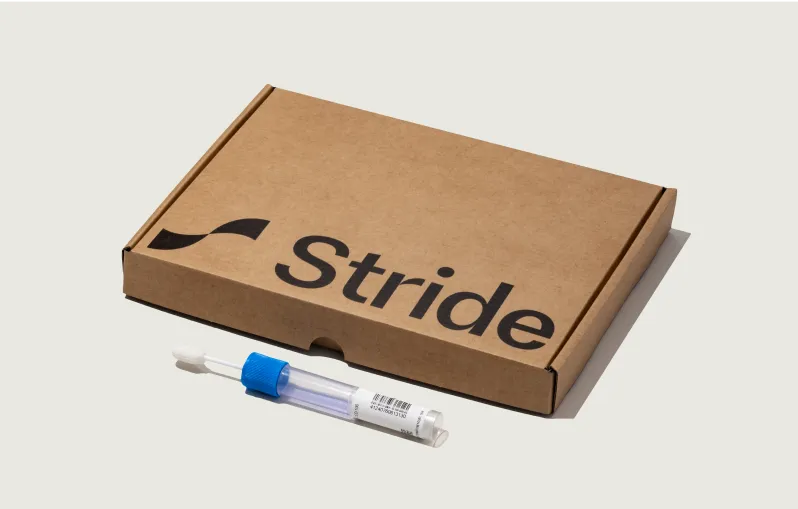
    Ordered today, with you in one to two days. Everything you need is in the box.

    1–2 days

  2. Step 2

    Swab your cheek

    No blood, no needles, no clinic. Two minutes at your kitchen table, then post it back in the prepaid envelope.

    2 minutes

  3. Step 3

    We read 110 genes

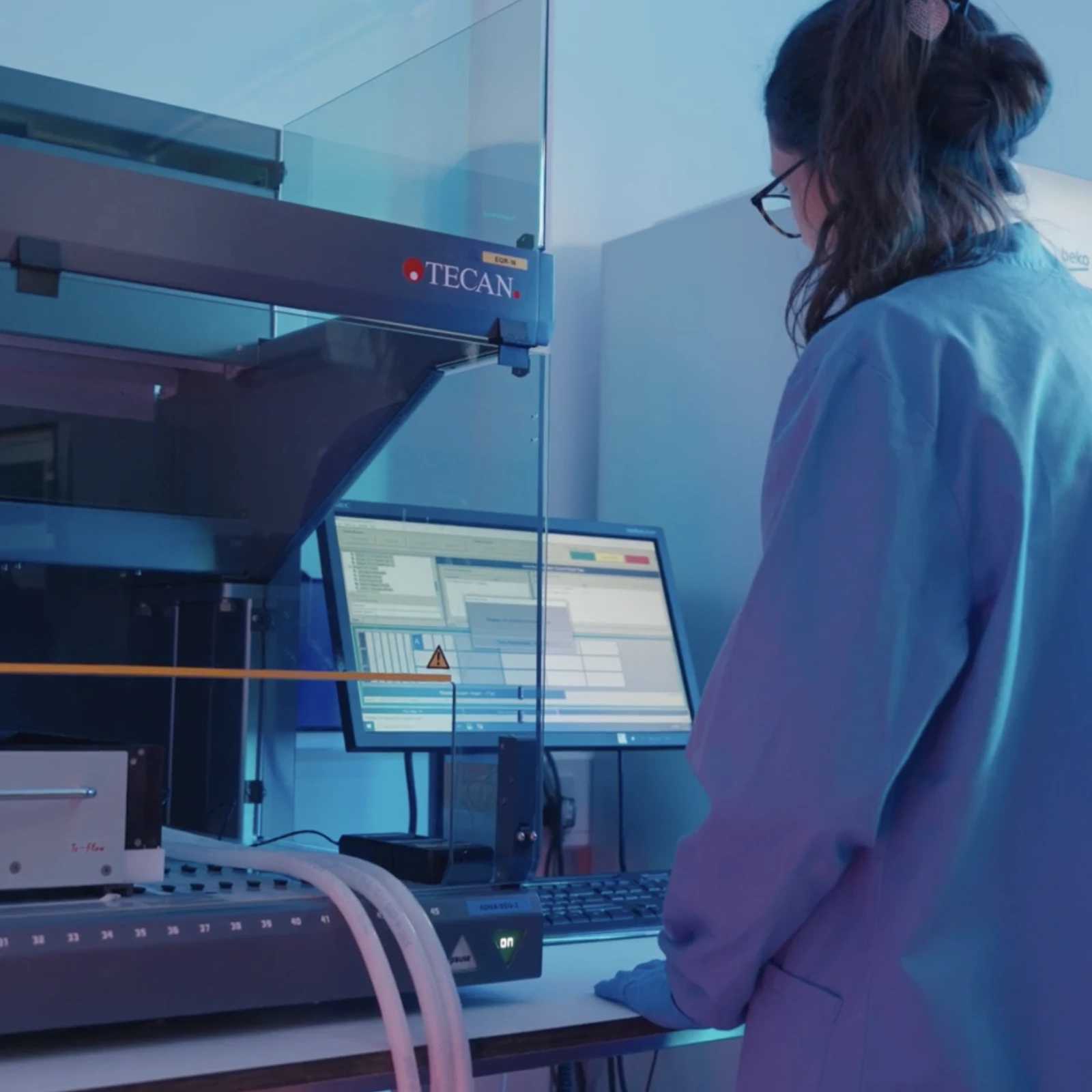
    Analysed at an accredited specialist laboratory, across more than 9,000 genetic locations.

    10 working days

  4. Step 4

    Results, then a conversation

    45 reports land in MyStride, and you book your 1:1 with a Stride practitioner to work out what to do first.

    Yours for life

The MyStride results portal

Your results

Not a PDF you open once

Results arrive in MyStride, the portal we have spent ten years refining. Every one of the 45 reports is written to be read by a person, not a geneticist, and follows the same four-part structure:

  • Where you sit, in one line of plain English — no genotype tables to decode
  • What it means day to day, and how strong the evidence behind it is
  • What to actually do: foods, doses, forms, timings and training changes
  • The genes it was drawn from, if you want to go and read the science yourself

Your DNA does not change, so neither does the answer. Test once and the reports stay yours — and grow as we publish new ones.

Why Stride

Plenty of companies will read your DNA

We read far more of you

Most consumer DNA tests report on a handful of variants. Every StrideDNA sample is read across more than 9,000 genetic locations and 110 genes, which is what makes 45 separate reports possible from one swab.

Results in 10 days, not 10 weeks

Analysis runs at accredited specialist laboratories held to strict quality control. Ten working days from the day your sample reaches us — some tests in this category take five weeks.

A practitioner, not a portal login

Every kit includes a 1:1 video consultation with a Stride practitioner. Results you can read are the minimum; knowing which two things to change first is the point.

Your genome stays yours

Your data is encrypted, stored securely, and reachable only by the minimum number of our team who need it. We do not sell it, and we never will.

One swab. Answers you keep for life.

45 reports across nutrition, skin, sleep and stress, methylation and fitness — and a practitioner to tell you where to start.

Buy Now

30-day money-back guarantee

US VS THEM

Why smart optimisers choose Stride

Get faster results, deeper insights, and real guidance, not just data. Here’s how Stride stacks up.

StrideDNA 10x Health System Ultimate Human
Genes analysed 110 5 13
Results time 10 days 4 weeks 5 weeks
1:1 Expert consultation Yes No No
Personalised plan Yes No No
Money-back guarantee Yes No No
Price €239.85 €1,159 €589
Buy Now

Competitor prices converted from the currency they sell in, at ECB reference rates on 9 Oct 2026.

The full list

Every report, and the genes behind it

All 45 reports, in full, with the genes each one draws on. Nothing here is an optional extra.

Nutrition

Carbohydrate Sensitivity (9 genes)

Your genes influence how well you process carbs, your insulin sensitivity, and how efficiently you use glucose. Some people are more prone to blood sugar spikes from high-GI foods, increasing the risk of insulin resistance. Knowing your genetic response helps you tailor carb choices to support steady energy, gut health, and long-term metabolic balance.

Genes: ACE, PPARG, TCF7L2, ADRB2, CLOCK, PLIN, INSIG, FTO, FABP2

Saturated Fat Sensitivity (15 genes)

This panel reveals how your body absorbs and processes fat, especially saturated fat, and how it affects your cholesterol levels. While fats are essential for energy, vitamin absorption, and cell health, some genotypes are more sensitive to saturated fat, raising the risk of high cholesterol and heart disease. Knowing your fat response helps you make smarter, heart-healthy choices.

Genes: APOC3, APOA5, APOA2, LPL, FABP2, FTO, CETP, LEPR, MC4R, PLIN, TCF7L2, PPARG, APOE, LIPC, APOE

Vitamin A (2 genes)

Your genes affect how efficiently you convert carotenoids into active vitamin A (retinol), with some people converting up to 60% less. Poor converters need more preformed vitamin A to support vision, immunity, and gene expression. Understanding your genetic efficiency helps ensure you’re meeting your body’s true vitamin A needs.

Genes: BCMO1, BCO1

Vitamin B2 (2 genes)

Riboflavin (vitamin B2) powers key coenzymes involved in energy production, fat metabolism, and detoxification. It also supports healthy homocysteine levels, especially in those with MTHFR variants that reduce enzyme efficiency by up to 65%. If you carry these variants, targeted B-vitamin support can help lower cardiovascular risk and optimise methylation.

Genes: MTHFR (C677T), MTHFR (A1298C)

Vitamin B6 (2 genes)

Vitamin B6 supports over 140 enzyme reactions, including those involved in brain function, blood vessel health, and antioxidant defence. It also helps lower homocysteine, especially important for those with low-functioning MTHFR variants. For these individuals, B6 can play a key role in reducing cardiovascular risk and supporting optimal methylation.

Genes: MTHFR (C677T), NBPF3

Vitamin B9 (3 genes)

Folate is central to one-carbon metabolism, working with B12, B6, and riboflavin to regulate homocysteine and support heart, immune, and brain health. MTHFR variants can reduce folate processing by up to 65%, raising homocysteine and disease risk. Knowing your genetic efficiency helps guide the right form and dose of folate for optimal protection.

Genes: MTHFR (C677T), MTHFR (A1298C), CBS

Vitamin C (3 genes)

Vitamin C supports collagen production, hormone synthesis, immunity, and antioxidant defence. But genetic variations in how you absorb and transport vitamin C can leave you with suboptimal levels - even with a good diet. Testing helps identify whether your genes may be limiting this vital nutrient’s impact on your skin, stress response, and long-term health.

Genes: SLC23A1, GSTT1, SOD2

Vitamin B12 (2 genes)

Vitamin B12 powers red blood cell formation, nerve health, and energy production, and plays a vital role in the methylation cycle. Some people have gene variants that reduce B12 absorption and transport, leading to deficiency even with adequate intake. Testing reveals if your genetics are limiting B12 activity and if you need a more bioavailable form or higher intake.

Genes: FUT2, TCN2

Vitamin D (1 gene)

Vitamin D supports bone strength, muscle function, immunity, and insulin signalling. But your genetic makeup can affect how well you activate, transport, and respond to it. Variants in genes like VDR and CYP2R1 may mean you need more vitamin D than others to maintain optimal levels. Understanding your genetic profile helps tailor your intake to match your body’s true needs.

Genes: VDR

Vitamin E (2 genes)

Vitamin E protects cells from oxidative stress, supports brain and heart health, boosts immunity, and may slow cellular aging. However, genetic differences in absorption and transport can lead to lower circulating levels, even with a good diet. Knowing your genetic profile can uncover hidden needs and help you optimise vitamin E’s protective effects.

Genes: CYP4F2, ZPR1

Iron Overload (1 gene)

Iron is vital for oxygen transport, immune defence, and healthy skin, hair, and nails. But certain genetic variants, especially in the HFE gene, can lead to excessive iron absorption and increase the risk of iron overload (hemochromatosis). Identifying these variants can help you manage iron intake and prevent long-term damage from hidden excess.

Genes: HFE

Iron Deficiency (3 genes)

Iron is essential for oxygen transport, immune defence, brain function, and muscle activity. While most focus is on deficiency, some genetic variants – like those in the TMPRSS6 gene – can disrupt how your body regulates iron through hepcidin, affecting absorption and storage. Understanding your genetic control of iron balance helps fine-tune intake and avoid both deficiency and overload.

Genes: TMPRSS6, TFR2, TF

Antioxidants (3 genes)

Your antioxidant system defends cells against free radicals, protecting energy levels, thyroid health, immunity, and insulin sensitivity. But genetic differences in key detox enzymes can weaken this defence, raising the risk of chronic diseases. Identifying these variants reveals whether your body needs extra support from diet or lifestyle to boost resilience.

Genes: CAT, GPX1, SOD2

Omega 3 (2 genes)

Omega-3 fatty acids play an important role in reducing chronic inflammation and supporting brain, eye, nerve and skin health...

Genes: IL6, TNF

Lactose Intolerance (1 gene)

The LCT gene controls your ability to produce lactase...

Genes: LCT/MCM6

Coeliac Predisposition (1 gene)

The HLA DQ2/DQ8 genotype influences how your body responds to gluten-containing foods. Knowing your variant helps inform dietary choices.

Genes: HLA DQ2/DQ8

Fructose Intolerance (1 gene)

Fructose is a natural sugar found in fruit...

Genes: ALDOB

Salt Sensitivity (2 genes)

While the body needs some salt...

Genes: ACE, AGT

Alcohol Response (1 gene)

The ADH1C gene influences how your body breaks down alcohol...

Genes: ADH1C

Caffeine Sensitivity (1 gene)

Your response to caffeine is shaped by your genetics...

Genes: CYP1A2

Detoxification Phase I - Toxin Generation Speed (2 genes)

High-heat cooking of meats can produce harmful compounds...

Genes: CYP1A2, EPHX1

Detoxification Phase II - Cruciferous Vegetable Needs (2 genes)

Phase II detox relies on enzymes like GSTM1...

Genes: GSTM1, GSTT1

Sugar Preferences (1 gene)

Excess sugar can lead to fatigue...

Genes: GLUT2

Bitter Taste Perception (1 gene)

Your ability to taste bitterness is influenced...

Genes: TAS2R38

Skin

Skin Ageing (4 genes)

Skin ageing is driven by both genetics and environment - with UV exposure accounting for up to 90% of external ageing. Genes involved in collagen, elastin, and skin remodelling influence how well your skin maintains its structure over time. Small genetic variations can accelerate sagging, wrinkles, and loss of elasticity. Knowing your skin-ageing profile helps guide preventative care from the inside out.

Genes: MMP1, MMP3, COL1A1, ELN

Oxidative Stress (3 genes)

UV exposure triggers free radical production in the skin, accelerating ageing and cellular damage. Your body relies on antioxidant enzymes to neutralise these effects but genetic variations in genes like SOD2, CAT, and GPX1 can reduce their efficiency. If your defences are genetically weaker, you may be more susceptible to oxidative stress from sun and pollution.

Genes: SOD2, CAT, GPX1

Sensitivity to Refined Carbohydrate & Glycation (9 genes)

Advanced glycation end products (AGEs) build up when excess sugar reacts with proteins in the body, accelerating ageing and increasing the risk of chronic disease. Your genetic sensitivity to refined carbs - shaped by genes like ACE, PPARG, PLIN, and TCF7L2 - influences how much glucose lingers in your system to drive this damage. Knowing your glycation risk helps you personalise your carb intake to slow cellular ageing.

Genes: ACE, PPARG, TCF7L2, ADRB2, FTO, CLOCK, PLIN, INSIG, FABP2

Pigmentation (2 genes)

Melanin determines your skin, hair, and eye colour - and your natural protection against UV damage. Genetic variants in genes like MC1R and SLC24A5 influence how much melanin you produce and how it’s distributed. Lighter skin tones may be more vulnerable to sun damage but can produce vitamin D more efficiently. Understanding your melanin profile helps balance sun protection with vitamin D needs.

Genes: MC1R, SLC24A5

Nickel Sensitivity (3 genes)

Nickel is a common trigger for contact allergies, often found in jewellery and everyday items. Variants in genes like GSTM1 and GSTT1 can reduce your body’s ability to detoxify allergens, while TNF influences how strongly you react to irritants. Your genetic profile may explain heightened sensitivity and guide ways to reduce exposure and inflammation.

Genes: GSTM1, GSTT1, TNF

Detoxification (3 genes)

Your body detoxifies harmful substances by converting them into water-soluble forms for safe elimination. Variants in detox genes like EPHX1, GSTM1, and GSTT1 can reduce this efficiency, increasing your vulnerability to oxidative stress and toxin build-up. Knowing your genetic detox profile helps you target support through diet, lifestyle, and supplementation.

Genes: EPHX1, GSTM1, GSTT1

Skin Inflammation (2 genes)

Inflammation is your body’s frontline defence against injury, infection, and cell damage but when poorly regulated, it can become chronic and harmful. Variants in genes like IL6 and TNF can heighten inflammatory responses, increasing your risk for accelerated ageing and long-term health issues. Understanding your inflammation profile allows for targeted nutritional and lifestyle strategies to restore balance.

Genes: IL6, TNF

Sleep

Chronotype (9 genes)

Your genetic chronotype shapes your internal body clock - determining when you naturally feel most alert or sleepy. It influences your energy patterns, hormone cycles, and even workout or productivity timing. By analysing multiple genes linked to circadian rhythm, we can identify whether you're more of a morning lark or a night owl, helping you align your lifestyle with your biology.

Genes: RNASEL, VIP, PER3, PER2, RASD1, FBLX3, PLCL1, RGS16, HCRTR2

Sleep Quality (2 genes)

Sleep is essential for mental and physical recovery but how easily you fall and stay asleep can be influenced by your genes. Variants in genes like ADA and MEIS1 affect sleep depth, efficiency, and sensitivity to disturbances. Understanding your genetic sleep profile can help you optimise rest, manage stress, and improve overall wellbeing.

Genes: ADA, MEIS1

Caffeine & Sleep Response (1 gene)

Caffeine keeps you alert by blocking adenosine, the chemical that builds sleep pressure in your brain. But certain variants in the ADORA2A gene can make you more sensitive to caffeine’s effects - leading to disrupted sleep or insomnia, especially if consumed late in the day. Your genetic profile helps determine how caffeine affects your sleep and circadian rhythm.

Genes: ADORA2A

Stress Tolerance (10 genes)

Your body’s response to stress is driven by hormones like cortisol and adrenaline but how you process stress is also shaped by your genes. Variants in key genes can influence dopamine sensitivity, emotional regulation, and how resilient you are under pressure. Understanding your genetic stress profile helps you manage triggers more effectively and build long-term resilience.

Genes: XKR6, MIR2113, BDNF, COMT, DCAF5, FKBP5, HTR2A, LINCOO461, NOS1, OXTR

Warrior or Strategist (1 gene)

The COMT gene influences how quickly your brain clears dopamine during stress, shaping how well you perform under pressure. Fast metabolisers tend to stay calm in high-threat situations, while slow metabolisers may excel in complex, detail-heavy tasks. Your COMT type can help explain your natural stress tolerance and the environments where you thrive best.

Genes: COMT

Methylation

Folate Cycle (5 genes)

The Folate Cycle converts dietary folate into usable forms for critical bodily processes. Understanding your genetic predispositions is crucial because variations like impaired MTHFR or DHFR function can significantly reduce folate processing efficiency.

Genes: DHFR, MTHFD1, MTHFR (A1298C), MTHFR (C677T)

Methionine Cycle (6 genes)

The Methionine Cycle drives methylation by producing SAMe - vital for gene expression, detox, and brain chemistry. Variants here can raise homocysteine and stall key pathways like BH4 and Transsulphuration. A methylation panel can uncover blocks behind fatigue, poor focus, and hormonal imbalance.

Genes: MTR, MTRR, FUT2, TCN2, PEMT, BHMT

The Transsulphuration Pathway (2 genes)

This pathway clears homocysteine by turning it into cysteine - fuel for glutathione and taurine. Genetic blocks here can impair detox, raise sulphite toxicity, and drive brain fog and burnout. Screening for these variants can reveal why your stress and recovery systems are under strain.

Genes: CBS (C699T), GSS

The BH4 Cycle (4 genes)

The BH4 Cycle makes key neurotransmitters like dopamine and serotonin and supports nitric oxide and thyroid function. It depends on folate and SAMe from other cycles. Variants can lead to mood issues, poor sleep, and low motivation. Knowing your BH4 profile helps explain and address deeper neurological imbalances.

Genes: MTHFR (A1298C), COMT, VDR, MAOA, MAOB

Urea Cycle (2 genes)

The Urea Cycle detoxifies ammonia by converting it into urea for safe excretion - a vital process linked to liver function, nitrogen balance, and brain health. It also produces arginine, needed for nitric oxide (NO), which supports blood flow and protects your heart. Variants here or low BH4 can impair NO production, increasing oxidative stress and cardiovascular risk.

Genes: ADNOS3, SOD2ORA2A

Fitness

Training Intensity Response (14 genes)

Your genes play a key role in how you respond to different types of exercise - whether you’re better suited to power-based or endurance-focused training. Matching your workouts to your genetic profile can dramatically boost results, with studies showing up to three times greater improvement when training is aligned to your DNA.

Genes: ADRB2, CRP, COL5A1, TRHR, BDKRB2, IL6, ACTN3, VEGF, PPARA, ACE, AGT, NRF, VDR, PPARGC1A

Aerobic Training Response (4 genes)

VO₂max is a key measure of aerobic fitness, reflecting how efficiently your body uses oxygen during exercise. Genetics play a strong role in your capacity to improve VO₂max with training - some people respond more dramatically than others. Knowing your genetic potential helps tailor your fitness approach and set realistic goals.

Genes: ADRB2, CRP, PPARGC1A, VEGF

Recovery Efficiency (7 genes)

Your recovery rate is influenced by how well your body manages oxidative stress and inflammation after exercise. Genetic variants in key detox and inflammatory genes can slow recovery, making you more prone to fatigue, soreness, and overtraining. Understanding your recovery profile helps optimise rest, reduce injury risk, and get more from every workout.

Genes: SOD2, IL6, IL6R, CRP, TNF, GSTM1, GSTT1

Injury Predisposition (7 genes)

Your genes influence how well your body repairs connective tissue and manages inflammation - two key factors in injury risk. Variants in genes like COL1A1, CRP, and TNF can affect how resilient your joints and tendons are under stress. Knowing your genetic risk helps you train smarter, recover better, and prevent avoidable injuries.

Genes: GDF5, COL1A1, COL5A1, IL6, IL6R, CRP, TNF

Join our community of biotrackers taking control of their health

Real reviews from Stride users.

For the curious.

What is the Optimal DNA & Methylation Test?

The Optimal DNA & Methylation Test is Stride's most comprehensive genetic health analysis. It combines methylation genetics with nutrigenetics, fitness performance, sleep and stress traits, and skin health insights to provide a detailed view of how your body is biologically wired.

Rather than focusing on a single pathway, this test looks across multiple systems to help inform personalised nutrition, supplementation, training, recovery, sleep, and long-term health optimisation.

Why is methylation important for health, and how do genetic variants affect it?

Methylation is a core biochemical process that supports gene expression, detoxification, energy production, immune function, neurotransmitter balance, hormone metabolism, and lipid regulation.

Genetic variants in methylation-related genes such as MTHFR, MTR, MTRR, COMT, BHMT, and CBS can influence how efficiently your body converts and uses nutrients like folate and vitamin B12.

Understanding your genetic variants allows nutrition, supplementation, and lifestyle strategies to be tailored more precisely to support optimal methylation.

What is included with the Optimal DNA & Methylation Test?

Your package includes:

  • At-home DNA test kit with prepaid UK lab return
  • Five detailed methylation pathway reports
  • Twenty-four nutrigenetic reports
  • Four genetic fitness reports covering power and endurance, aerobic response, recovery efficiency, and injury predisposition
  • Five genetic mental cognition reports covering chronotype, sleep quality, caffeine response, stress tolerance, and cognitive style
  • Seven genetic skin reports covering skin ageing, oxidative stress, glycation sensitivity, pigmentation, nickel sensitivity, detoxification, and inflammation
  • One-to-one support from qualified health professionals, including dieticians
  • Access to the Stride digital health platform

What methylation pathways does the test analyse?

The Optimal test analyses the full methylation foundation, including:

  • Folate Cycle
  • Methionine Cycle
  • Transsulphuration Pathway
  • BH4 Cycle
  • Urea Cycle

Together, these pathways influence nutrient processing, neurotransmitter balance, detoxification capacity, antioxidant production, and cardiovascular function.

What methylation genes are included?

The test includes a comprehensive methylation gene panel used across Stride's Core and Advanced offerings, embedded within a wider analysis of over 9,000 genetic loci.

Key methylation-related genes include MTHFR (C677T and A1298C), MTR, MTRR, COMT, BHMT, CBS, MAOA, MAOB, DHFR, FUT2, NOS3, PEMT, SOD2, TCN2, and VDR.

This broader context allows methylation results to be interpreted alongside related nutrient and metabolic pathways.

Why is the AHCY gene not included in Stride's Methylation Report?

Stride focuses on genetic variants that are both clinically relevant and actionable.

Common AHCY variants are either benign or extremely rare, while pathogenic mutations are associated with serious medical conditions and are not appropriate for routine consumer reporting.

Excluding these variants ensures reports remain meaningful, responsible, and focused on practical health optimisation.

How does the Optimal test differ from the Core test?

The Optimal test includes everything in the Core test and adds genetic insights related to nutrition, fitness performance, recovery, sleep and stress traits, and skin ageing and inflammation.

It is designed for individuals looking for a more complete, longevity-focused view of their health blueprint.

How can this test benefit my health?

The test provides personalised guidance for nutrition and supplementation, alongside insights to optimise training, recovery, sleep quality, stress resilience, and skin health.

By understanding how your body is genetically wired, you can make more informed decisions rather than relying on generic advice.

What kind of support do I receive with my StrideDNA Test?

All plans include one-to-one consultations with qualified dieticians and health practitioners.

Your practitioner helps interpret your results and translate them into a clear, actionable plan tailored to your goals.

How long does it take to receive my results?

Results are typically delivered within ten business days after your sample reaches Stride's UK laboratory.

Where is the methylation test available?

Stride ships test kits globally from the UK, including to Europe, North America, Asia-Pacific, Oceania, South America, and Africa.

Delivery times and customs charges vary by location.

If your country is not listed at checkout, please contact hey@getstride.com for guidance.

Can I take this test if I am under 18?

StrideDNA tests are designed for adults aged 18 and over.

Testing for individuals under 18 should only be arranged by a parent or legal guardian and ideally interpreted with a qualified healthcare professional. Regulations and availability for minors vary by country.

Can this test tell me my epigenetic or biological age?

No. This is a genetic methylation test, not an epigenetic age test.

It analyses inherited DNA variants that influence how your methylation pathways function across your lifetime. Epigenetic age testing instead measures methylation marks on DNA that change over time in response to lifestyle, stress, illness, and ageing.

Both approaches are valid, but they answer different questions.

Our top-tier product, StrideOne, includes a separate biological age feature based on nine blood biomarkers. This uses the PhenoAge model to estimate biological age from physiological markers rather than DNA methylation.

How does this test compare to other methylation DNA tests on the market?

Many methylation DNA tests analyse a small number of core genes.

Stride's Optimal DNA & Methylation Test includes a broader, clinically relevant panel that covers the full methylation foundation and related nutrient and metabolic pathways.

This wider coverage allows for more precise insight into nutrient requirements, cofactors, and downstream effects.

Should I combine this DNA test with blood testing?

Genetic testing explains your biological capacity, while blood testing shows your current nutritional and metabolic status.

Combining DNA results with blood markers such as folate, vitamin B12, homocysteine, and key minerals allows supplement choices and dosing to be tailored more accurately.

If you want to explore the relationship between your DNA and blood biomarkers in more depth, consider our StrideOne or Vital Duo options.