
Menu
-
Shop All
Contact
hey@getstride.com
Stride Health Group
Stride Health Group Ltd
Company No 05158025
Lamas Road
Badersfield
Norwich
England
NR10 5FB
UK








Menopause and your health: what changes, what to test and how to feel better
Menopause is a single biological event — defined as the point 12 consecutive months after your last period — but its effects on health extend well beyond this moment and continue to evolve for years. The hormonal changes that begin in perimenopause do not stop when periods do; they accelerate through the early postmenopausal years, reshaping cardiovascular risk, bone density, metabolic function, cognitive health, and mood in ways that are both measurable and, in many cases, modifiable. The women who navigate menopause best are the ones who understand what is actually changing in their biology, not just what they are experiencing in their symptoms. This is where regular testing, tracked over time, becomes a meaningful tool — not as a substitute for medical care, but as the data layer that informs better decisions.
What changes in your body at menopause?
Cardiovascular risk rises as oestrogen falls
Oestrogen has a direct cardioprotective effect: it supports flexible blood vessel walls, raises HDL cholesterol (the beneficial kind), suppresses LDL and triglycerides, and reduces baseline inflammation. As oestrogen falls at menopause, this protection is withdrawn. LDL cholesterol typically rises by 10-15% in the first two years post-menopause. Blood vessel walls become less elastic. Baseline inflammatory markers increase. The net effect is that women's cardiovascular risk, which sits below men's during the reproductive years, rises to approximate — and eventually exceed — men's in the postmenopausal decades. Establishing and tracking a cardiovascular biomarker baseline at menopause gives a clear picture of how this shift is playing out in your biology specifically.
Bone density loss accelerates
Oestrogen is essential for maintaining bone density. It suppresses the activity of osteoclasts — the cells responsible for breaking bone down — and promotes calcium absorption. When oestrogen falls at menopause, bone turnover accelerates: bone is broken down faster than it can be rebuilt, leading to a loss of bone mineral density that is fastest in the two to three years around the final period. Women can lose up to 20% of bone density in the five to seven years after menopause. This is the biological basis of osteoporosis risk — and it is substantially preventable with the right nutritional, exercise, and hormonal support, provided the markers are tracked early enough to act on.
Metabolic function and insulin sensitivity
The decline in oestrogen at menopause is associated with reduced insulin sensitivity and a shift toward more central (abdominal) fat distribution. Oestrogen normally supports glucose uptake in muscle tissue; as it falls, the same carbohydrate load produces a larger blood glucose response. This is one driver of the weight changes — particularly around the abdomen — that many women experience after menopause, even without changes in diet or activity. Monitoring HbA1c and fasting glucose gives an early indication of whether insulin sensitivity is declining, before any symptoms of pre-diabetes or metabolic syndrome develop.
Cholesterol and lipid profile changes
The menopausal transition typically produces a rise in total and LDL cholesterol, a fall in HDL cholesterol, and an increase in triglycerides. These changes are driven partly by oestrogen withdrawal and partly by the increase in central adiposity that accompanies it. ApoB — a marker that measures the number of cholesterol-carrying particles in the blood, rather than just their cholesterol content — is now considered a more precise marker of cardiovascular risk than LDL alone. Tracking the full lipid picture including ApoB, homocysteine, and CRP at and after menopause provides a risk profile that is more informative than any single number.
Brain health and cognitive changes
Many women report cognitive symptoms — difficulty with concentration, word retrieval, and memory — during and after menopause. Oestradiol supports neuronal health, cerebral blood flow, and the function of key neurotransmitter systems including serotonin, dopamine, and acetylcholine. As oestrogen falls and stabilises at a lower level, these processes are affected. The cognitive symptoms that often begin in perimenopause typically plateau or improve once oestrogen levels stabilise, whether at natural menopause or with HRT. Homocysteine, which rises in people with low B vitamin status and is independently associated with cognitive decline, is worth tracking as part of a broader brain health assessment at this life stage.
Thyroid and the hormonal overlap
The rates of thyroid dysfunction increase in women during their 50s and 60s, and thyroid symptoms — fatigue, weight changes, mood shifts, and brain fog — overlap significantly with menopausal symptoms. Hypothyroidism and menopause can coexist silently for years, with each attributed to the other. Including thyroid function (TSH and Free T4) in any menopausal health assessment is standard practice — and the results can genuinely change what treatment or intervention makes most sense.
Genetics and your individual risk profile
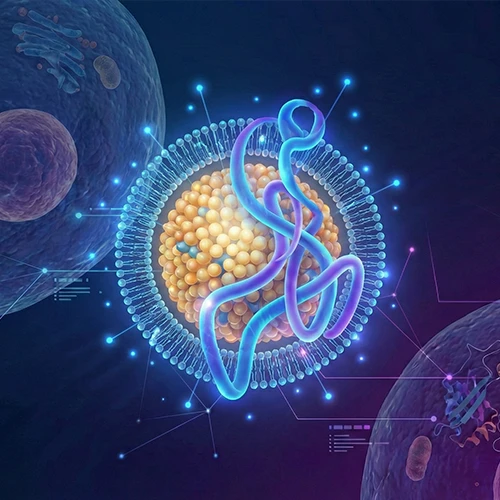
DNA methylation — the biological mechanism by which genes are expressed or silenced — is directly influenced by oestrogen. This means that the hormonal shift at menopause can alter how genetic predispositions to cardiovascular disease, inflammation, and biological ageing are expressed. Stride's DNA methylation testing measures biological age — the rate at which your cells are ageing — which can serve as a sensitive and integrative marker of how the menopausal transition is affecting your biology as a whole. Women who maintain lower biological ages through this transition are doing something measurably right; tracking that shift over time allows you to see what is working.
How to test your health at menopause
There is no single test for menopause — it is a clinical diagnosis based on symptom pattern and, where needed, hormonal investigation. But a comprehensive blood panel at menopause is a meaningful health investment: it establishes baselines for cardiovascular, metabolic, bone-related, and inflammatory markers that will shift over the following decade, and provides the data to make early, targeted interventions.
Lipid panel (LDL, HDL, total cholesterol, triglycerides) should be established at menopause and repeated at regular intervals. The menopausal transition typically produces its most significant lipid changes in the first two to three post-menopausal years. Tracking these changes rather than taking a single snapshot gives a much more informative risk picture.
Homocysteine is a biomarker of B vitamin metabolism (B12, B6, and folate) and an independent risk factor for cardiovascular disease and cognitive decline. Homocysteine rises with oestrogen withdrawal, is addressable with targeted supplementation, and is rarely included in standard NHS panels.
HbA1c reflects average blood glucose over the preceding three months and provides a practical window into whether insulin sensitivity is declining. Catching metabolic changes early means lifestyle and nutritional adjustments can be made before they progress to pre-diabetes.
Vitamin D becomes increasingly critical for bone protection as oestrogen's bone-protective effects fall away. The standard advice to "take vitamin D" without knowing your baseline level means many women are either supplementing inadequately or not supplementing at all. Testing gives you the number your bone health decisions should be based on.
TSH and Free T4 assess thyroid function. Thyroid conditions become more common in women through their 50s and 60s, and their symptoms overlap significantly with menopause. Testing both sets of markers is essential.
CRP measures systemic inflammation. The menopausal transition is associated with increasing baseline inflammatory activity as oestrogen's anti-inflammatory effects are withdrawn. CRP provides a measurable indicator of this change and responds to lifestyle interventions.
Ferritin remains relevant post-menopause even after periods stop. Iron-deficiency anaemia can develop for reasons other than blood loss (dietary insufficiency, malabsorption, gut health), and persistent fatigue in postmenopausal women should include ferritin in any investigation.
Evidence-based strategies to support health through menopause
Nutrition for bone, heart, and metabolic health
Three nutritional priorities rise sharply at menopause. First, calcium intake: the recommended intake for women over 50 is around 1,200mg daily, achievable through a combination of dairy, fortified plant milks, tinned sardines and salmon, edamame, and dark leafy greens. Second, dietary fibre, which supports the gut bacteria involved in oestrogen recirculation and helps manage the cholesterol changes that accompany oestrogen withdrawal. Third, omega-3 fatty acids (from oily fish, flaxseed, walnuts), which reduce triglycerides, support cardiovascular function, and have anti-inflammatory properties relevant to the shift in baseline inflammation at menopause. Tracking lipids, CRP, and triglycerides over time shows whether dietary changes are moving the markers you care about.
Resistance training for bone and metabolic protection
Weight-bearing and resistance exercise are the most evidence-based non-pharmacological interventions for bone density maintenance at menopause. Resistance training also supports insulin sensitivity, which declines as oestrogen falls, and preserves muscle mass — critical for long-term metabolic rate and functional capacity. A consistent routine of resistance training two to three times per week, combined with daily weight-bearing activity, produces measurable effects on the biomarkers most at risk in the early postmenopausal years.
Gut health and the oestrobolome
The estrobolome — a collection of gut bacteria that produce enzymes capable of deconjugating oestrogen — plays a role in how much oestrogen is reactivated and reabsorbed rather than excreted. A disrupted gut microbiome can impair this process. Maintaining gut diversity through dietary fibre, fermented foods, and avoiding unnecessary antibiotic use is directly relevant to oestrogen metabolism in postmenopausal women. This represents a meaningful intersection between gut health and hormonal health that is increasingly supported by research.
Tracking what matters over time
Menopause is not an event with a single health consequence — it is a transition that reshapes multiple systems over years. The most useful approach is to treat it as a long-term tracking project: establishing a comprehensive baseline of biomarkers at menopause, repeating key markers (lipids, HbA1c, vitamin D, inflammatory markers) every 12-18 months, and using the pattern of change over time rather than any single result to guide decisions. This is the population-of-one approach: not population averages, but your biology, tracked across your life.
Stride tests that can help with Menopause and your health

Health Tests
DNA & Methylation Test
Genetic methylation testing, three levels
From €189 €122.85
Biomarkers
| Biomarker | What it measures | Why it matters | Relevance |
|---|---|---|---|
| LDL Cholesterol Blood Test | Low-density lipoprotein | Rises significantly at menopause; central to cardiovascular risk | 5 |
| HDL Cholesterol Blood Test | High-density lipoprotein | Falls as oestrogen declines; protective against cardiovascular disease | 5 |
| TSH Blood Test (Thyroid Stimulating Hormone) | Thyroid function | Thyroid dysfunction becomes more common; shares symptoms with menopause | 5 |
| Vitamin D Blood Test (25-OH) | 25-OH vitamin D status | Critical for bone protection as oestrogen's protective effect falls | 5 |
| HbA1c Blood Test (Glycated Haemoglobin) | Average blood glucose | Insulin sensitivity declines at menopause; early detection matters | 4 |
| hsCRP Blood Test (High Sensitivity C-Reactive Protein) | Systemic inflammation | Baseline inflammation increases as oestrogen falls | 4 |
| Triglycerides Blood Test (Heart Health & Metabolic Biomarker) | Blood fat levels | Rise at menopause alongside cholesterol; cardiovascular risk marker | 4 |
| Ferritin Blood Test | Iron storage | Persistent fatigue post-menopause should include anaemia in differential | 3 |
| Active B12 Blood Test (Holotranscobalamin) | Active B12 status | Contributes to homocysteine; cognitive and energy function | 3 |
| FT4 (Free Thyroxine) Blood Test | Thyroid hormone output | Assessed alongside TSH for full thyroid picture | 3 |
FAQs
What health checks should every woman have at menopause?
At the point of menopause — typically the early 50s — a comprehensive health check should include lipid markers (LDL, HDL, total cholesterol, triglycerides), blood glucose or HbA1c to assess metabolic function, thyroid function (TSH and Free T4), vitamin D, vitamin B12, ferritin, CRP, and homocysteine. Blood pressure and bone density assessment are also worth establishing as baselines in the early postmenopausal years. The rationale for this breadth is that menopause is a metabolic inflection point: cardiovascular risk, bone density, insulin sensitivity, and inflammatory activity all shift meaningfully in the years that follow. Establishing a comprehensive baseline means subsequent changes can be detected early and addressed before they progress.
Does menopause increase the risk of heart disease?
Yes, significantly. Before menopause, women have substantially lower cardiovascular disease risk than men of the same age — a gap primarily driven by oestrogen's cardioprotective effects on lipid profiles, blood vessel function, and inflammation. At menopause, this protection is withdrawn: LDL rises, HDL falls, arterial flexibility declines, and baseline inflammatory markers increase. By the late postmenopausal decades, women's cardiovascular risk approaches and can exceed men's. The practical implication is that menopause is the right time to establish a cardiovascular baseline and monitor the markers most sensitive to this transition — not to wait for symptoms to develop.
How does menopause affect cholesterol levels?
LDL cholesterol typically rises by 10-15% in the two years following menopause. HDL cholesterol, which had been maintained at higher levels under oestrogen's influence, also falls. Triglycerides — another cardiovascular risk factor — tend to rise alongside the abdominal fat gain that accompanies oestrogen withdrawal. Total cholesterol therefore increases even if diet and lifestyle have not changed. The change is primarily hormonal rather than dietary, which is why addressing cholesterol at menopause often requires a multi-pronged approach including understanding what is driving the pattern through comprehensive testing.
Can HRT affect your blood test results?
Yes. HRT — particularly transdermal oestradiol (patches, gels, or sprays) — can improve lipid profiles, reducing LDL and triglycerides and supporting HDL levels. Oral oestrogen has a different effect on lipids compared to transdermal oestrogen, because oral routes are metabolised by the liver before reaching the circulation. Homocysteine often decreases with oestrogen therapy. CRP — used as a systemic inflammation marker — tends to increase with oral oestrogen but remains stable or falls with transdermal routes. Monitoring lipids, CRP, and homocysteine before and after starting HRT gives a quantitative picture of how the intervention is affecting these markers for your biology specifically.
What is the relationship between menopause and bone density?
Oestrogen suppresses osteoclast activity — the process by which bone is broken down as part of normal remodelling. When oestrogen falls at menopause, bone breakdown accelerates without a corresponding increase in bone building, leading to a net loss of bone mineral density. Women can lose between 5-20% of their bone density in the first five to seven postmenopausal years. The degree of bone loss depends on baseline bone density, vitamin D status, calcium intake, physical activity, genetics, smoking status, and whether HRT is used. Tracking vitamin D and calcium alongside bone density assessments (where available) allows targeted supplementation and lifestyle interventions to be calibrated to actual levels, not assumptions.
How does menopause affect weight and body composition?
The weight gain commonly associated with menopause is driven by several intersecting mechanisms: declining oestrogen shifts fat distribution toward the abdomen, declining muscle mass reduces basal metabolic rate (requiring fewer calories for weight maintenance), and declining insulin sensitivity means the same carbohydrate intake produces larger blood glucose fluctuations and more fat storage. Sleep disruption — common during and after menopause — also disrupts appetite-regulating hormones, increasing hunger. The result is that the same diet and activity level that maintained weight in the premenopausal years leads to gradual weight gain postmenopause. Testing HbA1c and fasting lipids gives an objective measure of whether metabolic changes are occurring, separate from what the scale says.
Is brain fog a normal part of menopause and does it get better?
Cognitive symptoms — difficulty concentrating, memory lapses, word-finding problems, and mental fog — are reported by the majority of women during the menopausal transition. They are real, not imagined, and have a biological basis: oestradiol supports cerebral blood flow, neuronal health, and the function of serotonin, dopamine, and acetylcholine systems. As oestrogen falls and then stabilises at a lower postmenopausal level, most women find that the worst cognitive symptoms — which often peak during perimenopause — improve. Persistent or worsening cognitive symptoms after menopause warrant ruling out other contributors: vitamin B12 deficiency, thyroid dysfunction, vitamin D deficiency, and elevated homocysteine all contribute to cognitive symptoms independently and are common in this age group.
What lifestyle changes make the most difference to long-term health after menopause?
The evidence most clearly supports three lifestyle domains for postmenopausal health. First, resistance and weight-bearing exercise — the most effective non-pharmacological intervention for bone density and insulin sensitivity, with measurable effects on lipid profiles and inflammatory markers. Second, a diet high in fibre, vegetables, lean protein, calcium-rich foods, and oily fish, which supports lipid profiles, gut health, bone density, and inflammatory markers. Third, consistent and sufficient sleep — poor sleep in postmenopausal women is associated with accelerated cardiovascular and metabolic risk, and addressing it (where possible) has cascading effects on most other health domains. Tracking the biomarkers most sensitive to these changes — lipids, HbA1c, CRP, vitamin D, and homocysteine — over time gives you the data to know which changes are actually moving the needle for your biology.
Can you still have menopause symptoms years after your last period?
Yes. While many women find the most acute symptoms — hot flushes, night sweats, sleep disruption — improve in the years after the final period, a significant proportion continues to experience symptoms for five, ten, or in some cases more years post-menopause. Research suggests that one in ten women experiences menopausal symptoms for up to twelve years after their last period. The experience is highly individual. For women with ongoing symptoms years post-menopause, checking hormone levels and the full metabolic and inflammatory picture can reveal whether there are additional contributors — thyroid dysfunction, vitamin D deficiency, metabolic changes — that are amplifying or perpetuating the symptom pattern.
Find out what your body is actually trying to tell you.
Answer 8 quick questions and get a free personalised report - covering which area of your biology is most worth looking at first, what testing in that area reveals, and what actions become available once you have that data.
Where do you feel you're operating below your potential right now?
Methylation & Cellular Health
Your biology is signalling a methylation upgrade - here’s what that means and what to do about it.