
Menu
-
Shop All
Contact
hey@getstride.com
Stride Health Group
Stride Health Group Ltd
Company No 05158025
Lamas Road
Badersfield
Norwich
England
NR10 5FB
UK







News
8 Minutes
How to improve methylation naturally: foods, habits and supplements
The foods, nutrients and daily habits that support methylation, when a methylated B vitamin makes sense, and how testing shows you where to focus.

 04/11/2024
How to improve methylation naturally
The most reliable way to support methylation naturally is to eat enough of the nutrients it runs on: folate, vitamin B12, vitamin B6, riboflavin (B2), choline and betaine, with zinc and magnesium in supporting roles. After that, the habits that make the biggest difference are drinking less alcohol and not smoking.
Your genes influence how efficiently your methylation cycles work, and you can't change them. How well those cycles are supplied is a different matter, and that part is largely in your hands.
This article explains:
The nutrients methylation needs
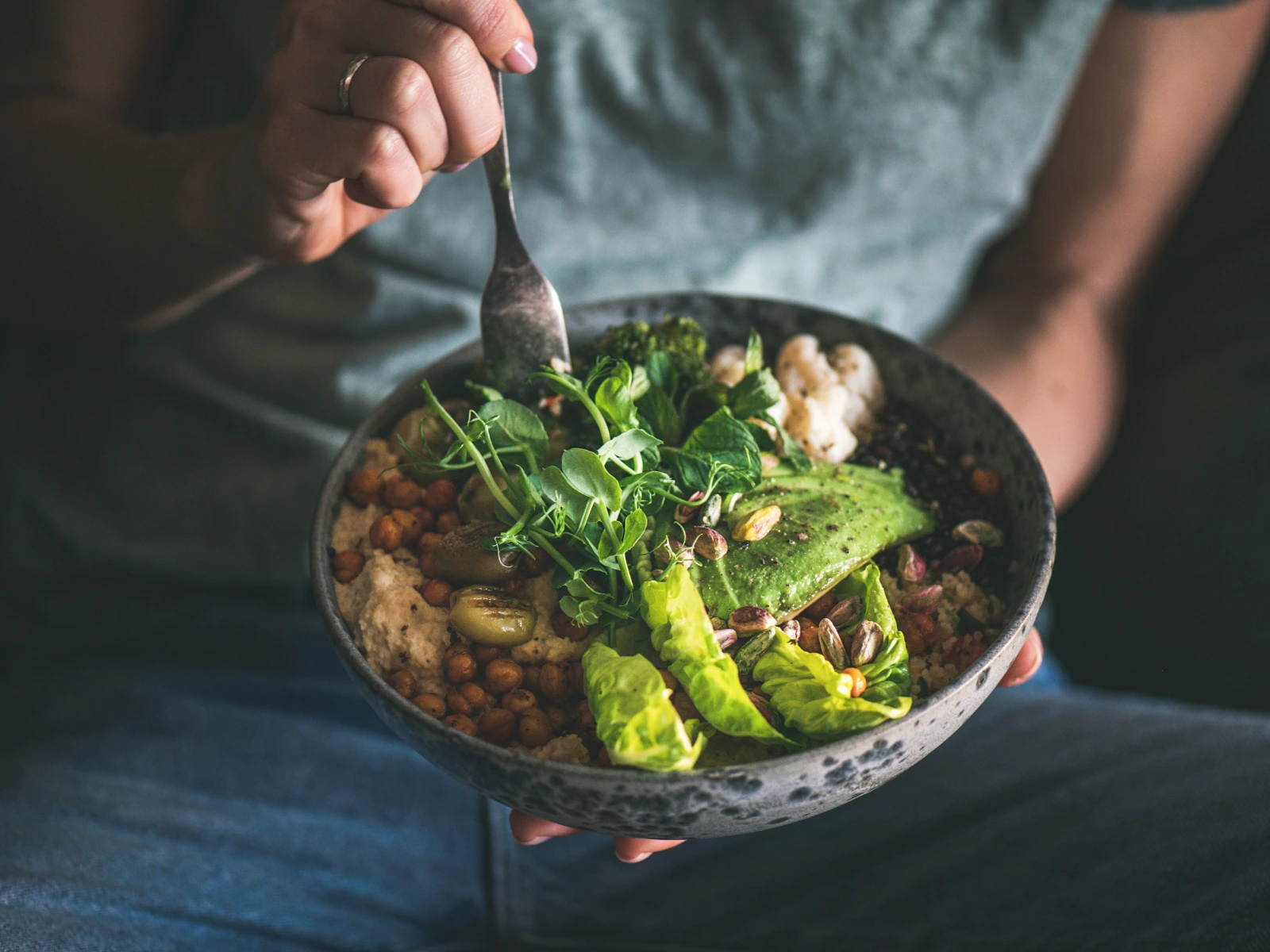
A Mediterranean-style diet with plenty of vegetables, pulses, wholegrains, fish and eggs covers most of these. Here's what each one does and where to find it in everyday foods.
| Nutrient | Its job in methylation | Good everyday sources |
|---|---|---|
| Folate (B9) | Becomes 5-MTHF, which supplies the methyl group for recycling homocysteine | Spinach, kale, broccoli, Brussels sprouts, asparagus, peas, chickpeas, lentils |
| Vitamin B12 | Works with 5-MTHF to turn homocysteine back into methionine | Salmon, sardines, beef, eggs, milk, cheese, fortified plant milks and yeast extract |
| Vitamin B6 | Helps feed the folate cycle and clears spare homocysteine through the transsulphuration pathway | Chicken, pork, salmon, peanuts, oats, bananas, chickpeas |
| Riboflavin (B2) | A helper for the MTHFR enzyme | Milk, yoghurt, eggs, mushrooms, almonds, fortified breakfast cereals |
| Choline | Converted into betaine, a back-up methyl donor, and used to build cell membranes | Eggs, beef, chicken, fish, soya |
| Betaine | Recycles homocysteine through a second enzyme, BHMT, mainly in the liver | Beetroot, spinach, quinoa, wheat bran, wholegrain bread |
| Zinc | Needed by the two enzymes that recycle homocysteine, MTR and BHMT | Crab and other shellfish, beef, lamb, pumpkin seeds, cheese, lentils |
| Magnesium | Needed to make SAMe, the body's main methyl donor, and by the COMT enzyme | Leafy greens, almonds, cashews, pumpkin seeds, wholegrains, beans |
Getting the most from these foods
Folate is fragile. It dissolves into cooking water and breaks down with heat, so steaming or microwaving your greens, or eating some raw, keeps more of it than boiling.
Eggs are one of the easiest ways to get choline. A large egg provides roughly a third of the 400 mg a day that the European Food Safety Authority suggests for adults. Liver is richer still in folate, B12 and choline, but avoid it if you're pregnant because of its very high vitamin A content.
A day of methylation-friendly eating
None of this needs special ingredients. A normal day could look like this:
Breakfast
Two eggs with wilted spinach and mushrooms on wholegrain toast, for choline, folate, riboflavin and a little betaine.
Lunch
Lentil, beetroot and quinoa salad with feta and a sprinkle of pumpkin seeds.
Dinner
Salmon with steamed broccoli and new potatoes, which covers B12, B6 and more folate.
Snacks
Greek yoghurt with a sliced banana, or a handful of almonds.
On a vegan diet, tofu, beans, chickpeas and quinoa fill most of the gaps. B12 is the exception: it's found almost only in animal foods, so fortified foods or a supplement aren't optional. Choline also takes more planning without eggs or meat.
Habits that make a difference
Drink less alcohol
Alcohol is the clearest lifestyle drag on methylation. Regular heavy drinking reduces how much folate you absorb and store, and it interferes with homocysteine recycling. The UK guideline is no more than 14 units a week, spread over three or more days.
Don't smoke
Smokers tend to have lower folate and higher homocysteine, and smoking leaves distinct changes in the methylation patterns of blood cells. Most of those changes fade gradually after quitting, though some can persist for years.
Look after sleep and stress
The evidence here is less direct. Long-term stress has been linked to methylation changes in genes involved in the stress response, and studies of night-shift workers have found altered methylation patterns, although it's hard to separate the effects of disrupted sleep from everything else that comes with shift work. What's clearer is that tiredness and stress make it harder to eat well and easier to drink more, and both of those affect the nutrients above.
Keep moving
Even a single session of exercise changes methylation marks on genes that control how muscle uses energy, which is part of how your body adapts to training. UK guidelines suggest at least 150 minutes of moderate activity a week, plus strength work on two days.
Check your medicines
Metformin and long-term use of proton pump inhibitors (PPIs) such as omeprazole can lower B12 over time. Keep taking them as prescribed, but ask your GP whether a B12 check makes sense. Recreational nitrous oxide inactivates B12 and can cause serious nerve damage.
When a methylation support supplement makes sense
Food should do most of the work, but a supplement can help if:
you're planning a pregnancy, when the NHS advises 400 µg of folic acid a day from before conception until 12 weeks
you're vegan or eat very little animal food
you're older, since B12 absorption often falls with age
a blood test shows low folate or B12
a DNA test shows variants in genes such as MTHFR or MTR
Many methylation supplements use active forms: methylfolate (5-MTHF), methylcobalamin for B12 and pyridoxal-5-phosphate (P5P) for B6. Your body can use them without converting them first, which is why people with MTHFR variants often choose them. If you're pregnant or trying to conceive, keep taking folic acid as advised unless your GP or midwife suggests otherwise.
Higher doses aren't automatically better. The NHS advises against taking more than 10 mg of vitamin B6 a day from supplements unless a doctor recommends it, and folic acid above 1 mg a day can mask the signs of B12 deficiency. Doses close to the nutrient reference value (NRV) are a sensible default.
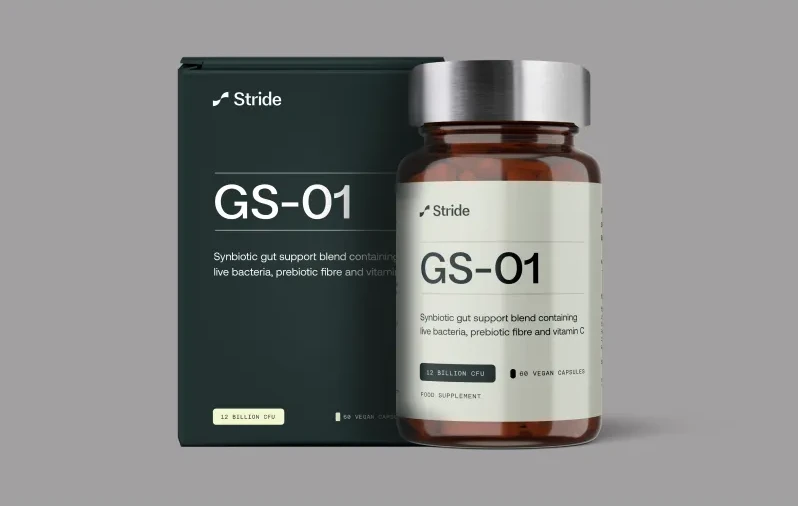
MS-01 Methylation Support is Stride's option. One vegan capsule a day provides 400 µg methylfolate, 5 µg methylcobalamin and 2.8 mg vitamin B6 as P5P, each at 200% of the NRV, plus 50 mg TMG (betaine) and vitamin C. Folate, vitamin B6 and vitamin B12 contribute to normal homocysteine metabolism, and vitamin B12 contributes to the reduction of tiredness and fatigue.
Test to see where to focus
General advice gets you most of the way. Testing shows which part deserves the most attention.
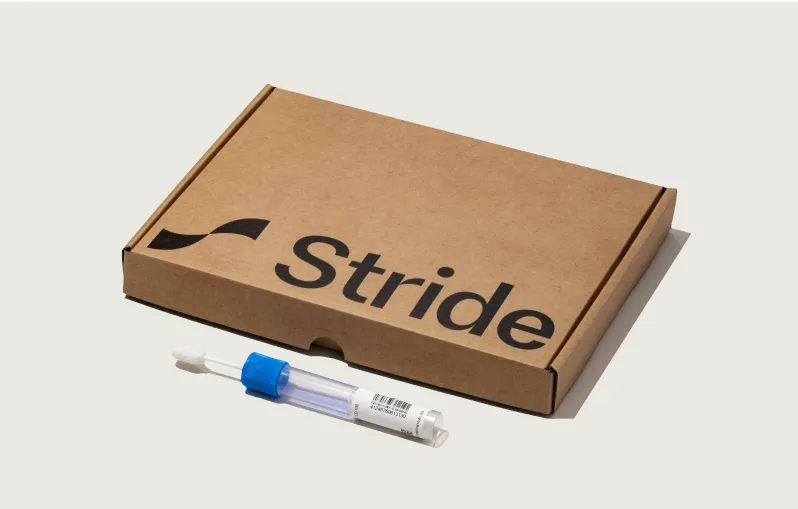
A DNA test shows inherited tendencies across your methylation cycles. The Stride DNA & Methylation Test covers all five cycles, including MTHFR and COMT, from a cheek swab, and includes a consultation with an expert to turn the results into a plan. Blood tests show your current status: folate and active B12 are both in Optimal Bloods (UK only), and you can ask your GP about homocysteine.
The two work best side by side. If your genes point to a slower folate cycle but your blood folate is healthy, your diet is doing its job. If both point the same way, that's where to start.
FAQs
What foods help methylation the most?
Foods rich in folate, B12, riboflavin, choline and betaine. Good everyday choices include spinach, broccoli, lentils, chickpeas, eggs, salmon, milk, yoghurt, beetroot and quinoa.
How long does it take to improve methylation?
Blood folate and B12 levels respond within weeks of a better diet or a supplement. Red blood cell folate takes around three to four months to fully catch up, because red blood cells live for about 120 days.
Do I need methylated B vitamins?
Not necessarily. Many people get enough from food. Methylated forms are a sensible choice if your diet is limited, a blood test shows low folate or B12, or a DNA test shows variants such as MTHFR C677T.
Can you support methylation on a vegan diet?
Yes, with some planning. Leafy greens, pulses, beetroot and quinoa cover folate and betaine, but B12 has to come from fortified foods or a supplement, and choline needs attention because eggs and meat are its richest sources.
The bottom line
Methylation runs on folate, B12, B6, riboflavin, choline and betaine, and a varied diet built on greens, pulses, eggs, fish and dairy supplies most of them. Cutting back on alcohol and not smoking do more than any single food.
Supplements with methylated B vitamins can fill the gaps, and testing shows whether your genes or your current levels need attention first.
Find out what your body is actually trying to tell you.
Answer 8 quick questions and get a free personalised report - covering which area of your biology is most worth looking at first, what testing in that area reveals, and what actions become available once you have that data.
Where do you feel you're operating below your potential right now?
Methylation & Cellular Health
Your biology is signalling a methylation upgrade - here’s what that means and what to do about it.