
Menu
-
Shop All
Contact
hey@getstride.com
Stride Health Group
Stride Health Group Ltd
Company No 05158025
Lamas Road
Badersfield
Norwich
England
NR10 5FB
UK







News
8 Minutes
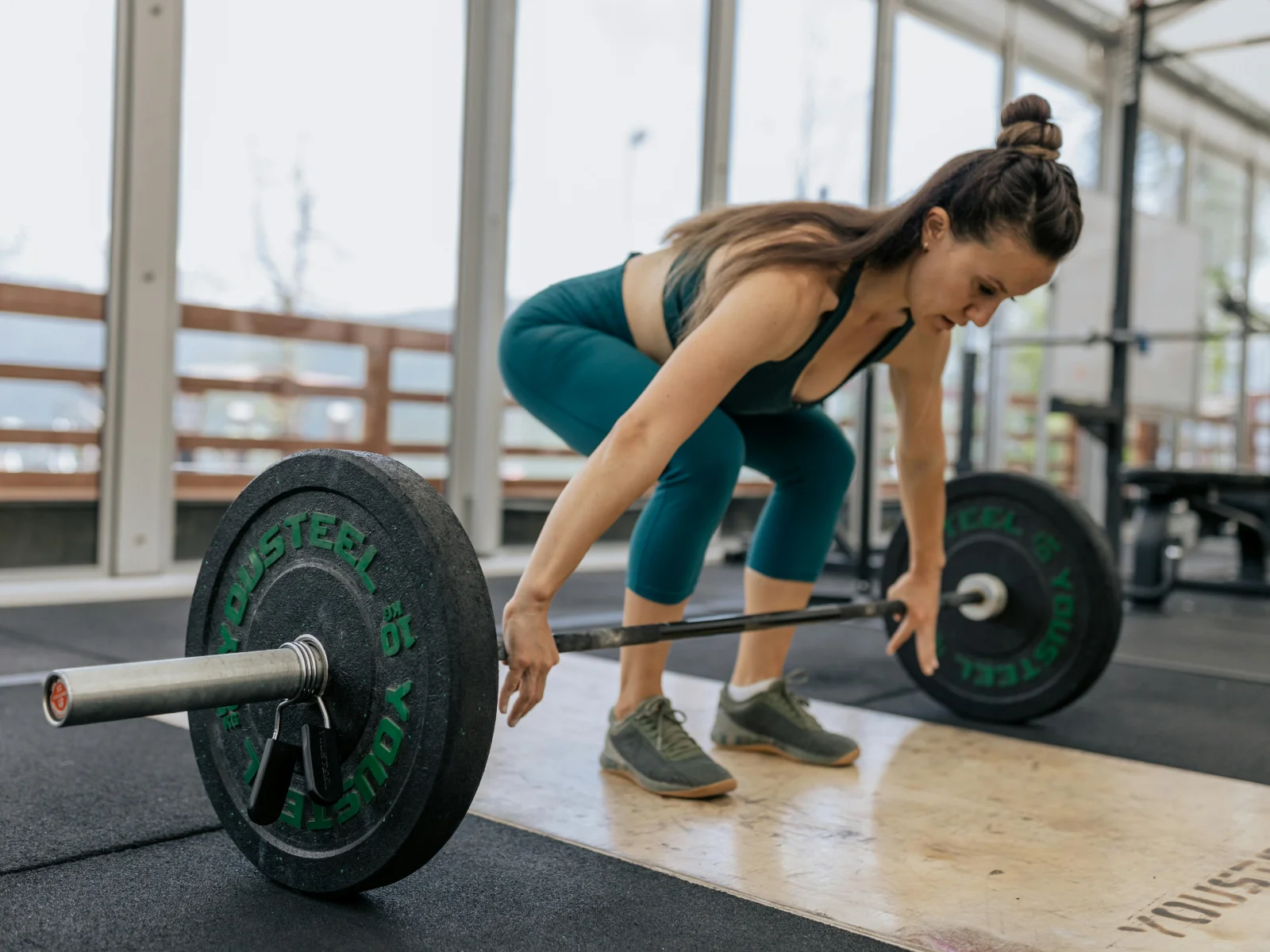
Creatine beyond performance: What the evidence now shows
Creatine is one of the most well-researched and consistently effective dietary supplements available today. While it is best known for its role in supporting muscle strength, power, and athletic performance, growing evidence shows that its benefits extend far beyond the gym.

 12/02/2026
Creatine beyond performance: what the evidence now shows
Creatine plays a fundamental role in cellular energy production, which means its effects can be seen in tissues with high energy demands, including muscle, brain, and nervous system.
Emerging research suggests that creatine may support brain health, mood, recovery, and healthy ageing alongside its traditional performance benefits. Beyond this, creatine has been linked to improvements in blood lipid profiles, reductions in liver fat accumulation, and lower homocysteine levels, all of which may contribute to better cardiovascular health. It also appears to have antioxidant properties, may support blood sugar regulation, and has shown potential in slowing the progression of certain disease processes.
In addition to its well-established effects on increasing strength and muscle mass, creatine may help preserve bone health, improve physical function and quality of life in conditions such as osteoarthritis and fibromyalgia, and support cognitive function, particularly as we age. In some cases, it has also been shown to enhance the effectiveness of certain antidepressant therapies.
Taken together, this expanding body of research highlights creatine not just as a sports supplement, but as a versatile tool for supporting overall health, resilience, and long-term wellbeing across a wide range of populations.
Why is creatine suddenly being talked about beyond the gym?
Creatine has traditionally been framed as a performance supplement, but this narrow view is increasingly outdated. At a cellular level, creatine supports rapid energy availability in tissues with high and fluctuating energy demands. This includes not only skeletal muscle, but also the brain and nervous system.
As research into ageing, metabolic health, brain function, and recovery has expanded, creatine has been studied in populations far removed from competitive sport. These include older adults, people recovering from injury or illness, individuals managing mood disorders, and those experiencing age-related declines in muscle mass or cognitive function.
Rather than being performance-specific, creatine is now better understood as a foundational energy-support molecule. Its relevance lies in how efficiently cells can regenerate energy under stress, during recovery, and as part of healthy ageing.
What is creatine?
Creatine is often mistakenly referred to as an amino acid. Technically, it is not one of the 20 protein-building amino acids, but a naturally occurring compound synthesised in the body from amino acids such as arginine, glycine, and methionine.
Creatine is found naturally in foods including:
-
Red meat
-
Fish, particularly salmon
-
Cow’s milk (small amounts)
Around 95% of the body’s creatine is stored in skeletal muscle, with the remaining 5% found in tissues such as the brain, heart, and testes. Most of the creatine stored in muscle exists as phosphocreatine, which helps rapidly regenerate energy during short, high-intensity efforts.
Because approximately 1–2% of creatine is broken down each day, the body must replenish around 1–3 grams daily through diet and internal synthesis. Vegetarians and vegans often have lower baseline creatine levels due to reduced dietary intake.
What does creatine do in the body?
Creatine plays a central role in energy production by supporting the rapid regeneration of ATP (adenosine triphosphate), the body’s primary energy molecule. ATP is required for every muscle contraction and many cellular processes, but stored ATP is extremely limited and depleted within seconds of high-intensity activity.
Creatine provides the body’s first-line, immediate energy system. Stored as phosphocreatine, it allows ATP to be quickly replenished during short, explosive efforts such as lifting weights, sprinting, jumping, or accelerating. This system is activated before the body transitions to energy from glucose and, later, fat.
By increasing phosphocreatine availability, creatine helps delay fatigue during repeated short bursts of effort and improves overall training capacity.
Key creatine benefits
-
Increases strength and power output
-
Improves repeated sprint and high-intensity performance
-
Enhances muscle glycogen storage
-
Supports faster recovery after exercise
-
Reduces muscle breakdown
-
Supports injury rehabilitation
Creatine does not build muscle on its own. However, when combined with resistance training and adequate protein intake, it improves training quality and volume, which in turn supports greater strength and muscle adaptation over time.
What has creatine traditionally been used for?
Creatine has long been recognised as one of the most effective nutritional ergogenic aids for athletes. Decades of research consistently show that creatine supplementation:
-
Increases intramuscular creatine levels
-
Improves strength, power, and training adaptations
-
Enhances recovery and reduces injury risk
More recently, research has expanded into clinical and therapeutic applications, including:
-
Neurodegenerative diseases such as Parkinson’s, Huntington’s disease, and muscular dystrophy
-
Brain injury, concussion, and spinal cord protection
-
Osteoarthritis and fibromyalgia
-
Ageing and cognitive decline
-
Depression and mood disorders
-
Pregnancy and menopause
Creatine is now recognised as a compound that supports both physical and neurological energy demands, not just muscle performance.
Creatine vs protein, collagen, and caffeine
Creatine is often grouped with other popular supplements, but it serves a distinct physiological role.
Protein provides the building blocks for muscle repair and growth.
Collagen supports connective tissue, joints, and skin structure.
Caffeine acts as a stimulant, enhancing alertness and reducing perceived fatigue.
Creatine is different. It supports cellular energy availability, helping cells regenerate ATP more efficiently. Rather than stimulating or building tissue directly, creatine improves the capacity to perform work, recover, and maintain function under stress.
Creatine for muscle growth, ageing and sarcopenia
Creatine supplementation may help counteract sarcopenia, the age-related loss of muscle mass and strength. Muscle loss can also occur during:
-
Injury or immobilisation
-
Chronic illness
-
Prolonged inactivity
Research shows that creatine, when combined with resistance training, may help preserve lean mass, strength, and physical function in older adults.
Creatine for brain health, mood and cognition
Beyond muscle, creatine plays a vital role in brain energy metabolism. The brain has high and fluctuating energy demands, particularly during stress, cognitive load, or injury.
Emerging research suggests potential benefits for:
-
Cognition and memory
-
Depression, particularly alongside SSRI treatment
-
Neurodegenerative conditions, including early Alzheimer’s disease
-
Concussion and neurological recovery
Creatine may improve the brain’s ability to regenerate energy, which may help explain its observed effects on mood, cognition, and resilience.
Creatine for women across the lifespan
Creatine is a safe, well-researched supplement that supports women’s health, performance, and resilience across all life stages. It does not cause bulking or masculinisation. Any water retention is typically mild, temporary, and occurs within muscle tissue rather than causing visible bloating.
Adulthood
Supports strength development, exercise performance, and recovery. Useful for gym training, Pilates, yoga, and endurance exercise. May support stable energy and mood across the menstrual cycle.
Pregnancy
Plays a role in cellular energy and fetal brain development. The developing fetus relies on maternal creatine via the placenta. While early data are promising, more research is needed before routine supplementation is recommended.
Menopause
May help counteract muscle loss and reduced bone density associated with declining oestrogen. When combined with resistance training, creatine may support muscle mass, balance, cognitive function, and long-term independence.
How to take creatine: dosage and timing
For most people, 3–5 grams per day of creatine monohydrate is safe and effective. A loading phase is not necessary and provides no long-term advantage.
Creatine should be taken with adequate water. Timing is flexible, and consistency matters more than whether it is taken before or after exercise.
In some clinical or neurological contexts, higher doses may be used short-term under professional supervision.
Is creatine safe?
Extensive research shows no evidence that creatine causes kidney damage in healthy individuals when taken at recommended doses. Creatine can temporarily raise serum creatinine levels, which may be misinterpreted as impaired kidney function, but this does not indicate kidney damage.
Individuals with pre-existing kidney disease or those taking nephrotoxic medications should avoid creatine unless supervised by a healthcare professional.
Types of creatine: which one is best?
-
Creatine monohydrate – Most researched, safest, and most cost-effective
-
Micronised creatine – Easier to dissolve and often gentler on digestion
-
Creatine HCL – Highly soluble, no proven advantage
-
Buffered creatine – No added benefit
-
Creatine ethyl ester – Less effective than monohydrate
-
Magnesium creatine chelate – Possible sprint benefits, higher cost
-
Creatine nitrate – May affect blood pressure
How to choose a quality creatine supplement
-
Choose single-ingredient products
-
Look for third-party testing (e.g. NSF, Informed Sport, USP)
-
Compare cost per serving
-
Avoid unnecessary additives
Creatine FAQs
Is creatine only for athletes?
No. Creatine supports cellular energy in muscle, brain, and nervous system, making it relevant for non-athletes, older adults, and people focused on long-term health.
Is creatine safe to take every day?
Yes. Daily use at recommended doses has been shown to be safe in healthy individuals.
Does creatine cause weight gain?
Any weight increase is usually due to water stored inside muscle cells, not fat gain.
Is creatine good for brain health?
Emerging research suggests benefits for brain energy metabolism, cognition, and mood.
Can women take creatine?
Yes. Creatine is safe for women and supports strength, mood, and metabolic health.
Do vegetarians and vegans benefit more from creatine?
They may, as baseline creatine levels are often lower due to reduced dietary intake.
Final takeaway
Creatine is not just a supplement for athletes. It is a foundational energy molecule with benefits for muscle function, brain health, mood, recovery, and healthy ageing. When used correctly, creatine monohydrate remains one of the safest and most effective supplements available.
As with all supplementation, creatine should be used as part of a personalised approach to health. If you are pregnant, managing a medical condition, or taking medication, consult a qualified healthcare professional before supplementing.