
Menu
-
Shop All
Contact
hey@getstride.com
Stride Health Group
Stride Health Group Ltd
Company No 05158025
Lamas Road
Badersfield
Norwich
England
NR10 5FB
UK







News
8 Minutes
Wellness Trends for 2026: Back to Basics with Smarter Health
If you look at the wellness space today, it's not hard to notice a paradox. We have access to more tools than ever: Continuous glucose monitors, advanced blood tests, wearable trackers, and supplement plans that could rival a pharmacy.

 19/01/2026
Is knowledge translating to power?
Yet, despite all this information, fatigue, stress, inflammation, and burnout are on the rise. Clearly, having more data doesn’t automatically make us healthier; it all comes down to how that information is interpreted and applied.
As we move into 2026, the conversation around wellbeing is evolving. The focus is shifting away from extremes and towards approaches that are calmer, sustainable, and rooted in scientific evidence. Instead of chasing shortcuts or pushing our bodies unnecessarily, the emphasis is returning to the fundamentals that allow the body to function, adapt, recover, and thrive — using health data as a helpful tool rather than a source of anxiety.
Here’s a look at the key wellness trends shaping 2026.
1. Sleep is non-negotiable
Sleep has long been recognised as a critical pillar of health, and its importance continues to grow. During sleep, the brain clears metabolic waste, consolidates memories, regulates appetite and stress hormones, supports emotional processing, and repairs immune function. Poor or insufficient sleep can impair cognition, disrupt blood sugar control, worsen mood, and increase long-term health risks.
This matters because no nutrition plan, supplement, or training programme can compensate for inadequate or poor-quality sleep. Insufficient sleep directly undermines decision-making, metabolic health, recovery capacity, immune resilience, and emotional regulation — making sleep a foundation rather than an optional lifestyle upgrade. These processes are well described in research on how sleep supports brain waste clearance via the glymphatic system (National Institutes of Health).
Tips for better sleep:
-
Keep regular sleep and wake times, even on weekends
-
Get morning sunlight to support circadian rhythm and limit artificial light in the evening
-
Avoid caffeine after midday
-
Include magnesium-rich foods such as leafy greens, nuts, seeds, kiwis, and cherries
-
Pair complex carbohydrates (oats, brown rice, sweet potato) with tryptophan-rich proteins (eggs, yoghurt, poultry, tofu) at dinner to support serotonin and melatonin production
2. Use data wisely — Don’t obsess over it
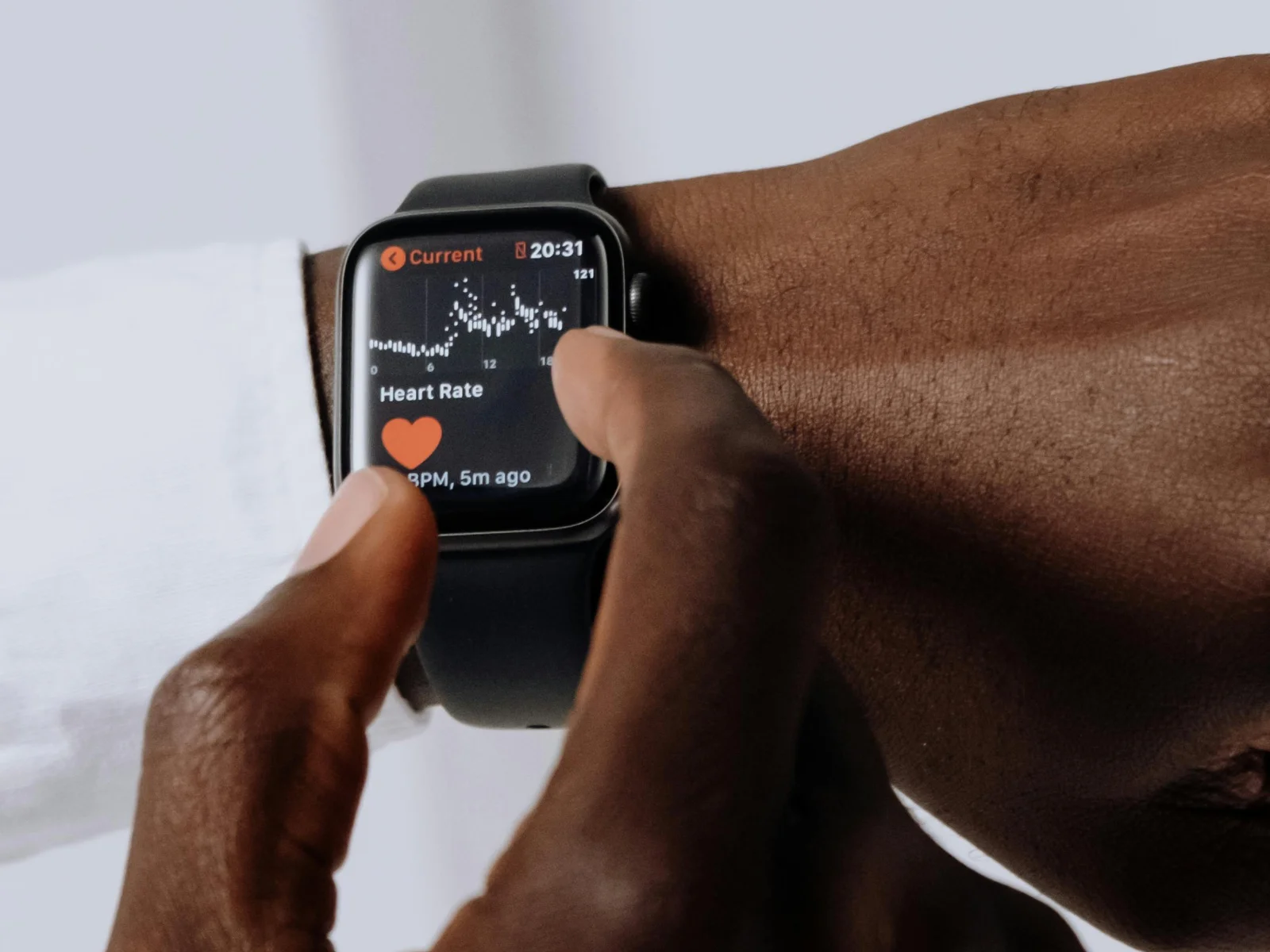
Wearable devices can provide fascinating insights into the body, tracking metrics such as steps, heart rate, sleep stages (REM, deep, light), blood oxygen levels, and calories burned. When used thoughtfully, they offer a window into physiological patterns that can guide smarter health choices. However, without context, this information can easily create stress rather than clarity.
A practical approach is to:
-
Focus on trends over time, not individual readings
-
Use insights to make small, sustainable adjustments to sleep, nutrition, movement, and stress management
-
Let habits drive health, not daily metrics
In the context of sleep, excessive focus on nightly sleep scores has even been linked to orthosomnia — a condition where anxiety about achieving “perfect” sleep paradoxically worsens sleep quality.
3. Lab tests for optimisation and prevention, not just treatment
Biomarker testing is increasingly used not only to detect disease, but to support proactive health optimisation. Thoughtfully interpreted blood tests can provide insight into nutrient status, inflammatory patterns, metabolic health, and early signs of imbalance — information that is most valuable when paired with clear, actionable steps.
This reflects a broader shift towards prevention-focused healthcare, where the goal is to identify patterns early rather than waiting for symptoms to appear.
Smart use of lab results:
-
Look for patterns over time and interpret results as a whole, rather than focusing on isolated numbers
-
Adjust diet and lifestyle first — for example, boosting iron intake through lean meats or lentils, or addressing B-vitamin insufficiencies through food or supplementation where appropriate
-
Re-test strategically to assess progress
4. From protein focus to fibre diversity
Protein intake is now well understood, and for most adults, daily protein needs typically fall between 1.2 and 2.0 grams per kilogram of body weight, depending on age, activity level, and whether the goal is to maintain muscle or actively build it.
As protein guidance has become widely adopted, search behaviour is beginning to shift. More people are now asking “How much fibre do I need?” rather than “How much protein do I need?” — reflecting growing awareness that fibre diversity plays a crucial role in metabolic health, gut function, and long-term resilience.
A varied fibre intake nourishes the gut microbiota, supports gut–brain communication via short-chain fatty acid production, stabilises blood sugar, improves insulin sensitivity, and supports healthy cholesterol levels. Higher fibre intake is consistently associated with reduced inflammation, improved energy, and lower all-cause mortality, as shown in large population analyses (BMJ). Importantly, it’s not just fibre quantity that matters — diversity and individual tolerance are key.
Easy ways to add fibre variety:
-
Add lentils or chickpeas to salads
-
Top breakfast cereals or yoghurt with berries, nuts, and seeds
-
Include mixed vegetables at dinner
-
Snack on nuts and seeds
-
Incorporate fermented foods such as yoghurt, kefir, and sauerkraut
-
Support digestion with regular meals, mindful chewing, and selective use of probiotics
-
Focus on lower-FODMAP fibre sources where tolerance is an issue
5. Health meets sustainability
Eating for personal health and environmental sustainability increasingly go hand in hand. Plant-forward eating patterns support cardiometabolic health — including improved blood sugar regulation, lower cholesterol, and reduced inflammation — while also reducing the environmental impact associated with food production. This alignment between human and planetary health is highlighted in research such as the EAT-Lancet Commission on sustainable diets (The Lancet).
Practical strategies:
-
Swap one or two animal-based meals per week for plant-based options, such as bean or legume soups or tofu and vegetable stir-fries
-
Choose seasonal or locally grown produce, or use frozen fruit and vegetables when out of season
-
Plan meals and store food properly to reduce waste
-
Use simple swaps like beans, lentils, tofu, or tempeh instead of meat
Bottom line
Wellness in 2026 isn’t about pushing harder or obsessing over data. It’s about returning to the basics: quality sleep, balanced nutrition, smart use of health data, and sustainable habits that the body and mind can maintain over the long term. By focusing on these fundamentals, it’s possible to improve energy, resilience, and overall wellbeing without stress or overwhelm.
Frequently asked questions
What are the biggest wellness trends for 2026?
Wellness trends for 2026 are moving away from extremes and towards sustainable, evidence-based habits. Key themes include prioritising sleep, smarter use of health data, proactive biomarker testing, increased fibre diversity, and aligning personal health with environmental sustainability.
How much protein do you actually need per day?
Most adults benefit from around 1.2 to 2.0 grams of protein per kilogram of body weight, depending on age, activity level, and muscle-building goals. Higher intakes may support muscle retention and recovery, particularly in older adults or those engaged in resistance training.
Why is fibre becoming more important than protein in wellness discussions?
Protein intake is now well established, while fibre plays a broader role in gut health, blood sugar regulation, inflammation control, and microbiome diversity. Increasingly, the focus is on fibre diversity rather than simply hitting a numerical target.
Can tracking sleep actually make sleep worse?
Yes. Excessive focus on sleep metrics can contribute to orthosomnia, where anxiety about sleep data interferes with the ability to sleep well. Consistent routines and behaviours are often more beneficial than monitoring nightly scores.
Are lab tests useful if you’re not unwell?
When used thoughtfully, lab tests can support health optimisation and prevention by identifying early imbalances or trends over time. Their value is highest when results are interpreted in context and paired with practical lifestyle adjustments.