
Menu
-
Shop All
Contact
hey@getstride.com
Stride Health Group
Stride Health Group Ltd
Company No 05158025
Lamas Road
Badersfield
Norwich
England
NR10 5FB
UK
Extra 10% Off | Enter code GIFT at checkout


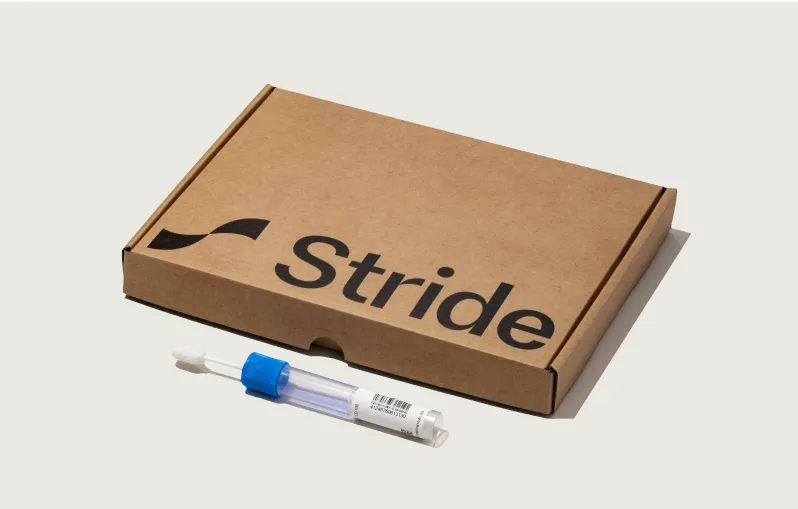






ZPR1 Gene Test (Zinc Finger Protein ZPR1, Motor Neuron Health & Cell Growth)
The ZPR1 gene test analyses DNA for variants in the ZPR1 zinc finger gene that influence how effectively cells respond to growth signals and support survival motor neuron (SMN) function. Understanding your ZPR1 status adds genetic context to neuronal resilience, RNA processing, and cell cycle control, which can be particularly relevant in the setting of spinal muscular atrophy (SMA) biology and long-term nervous system health.
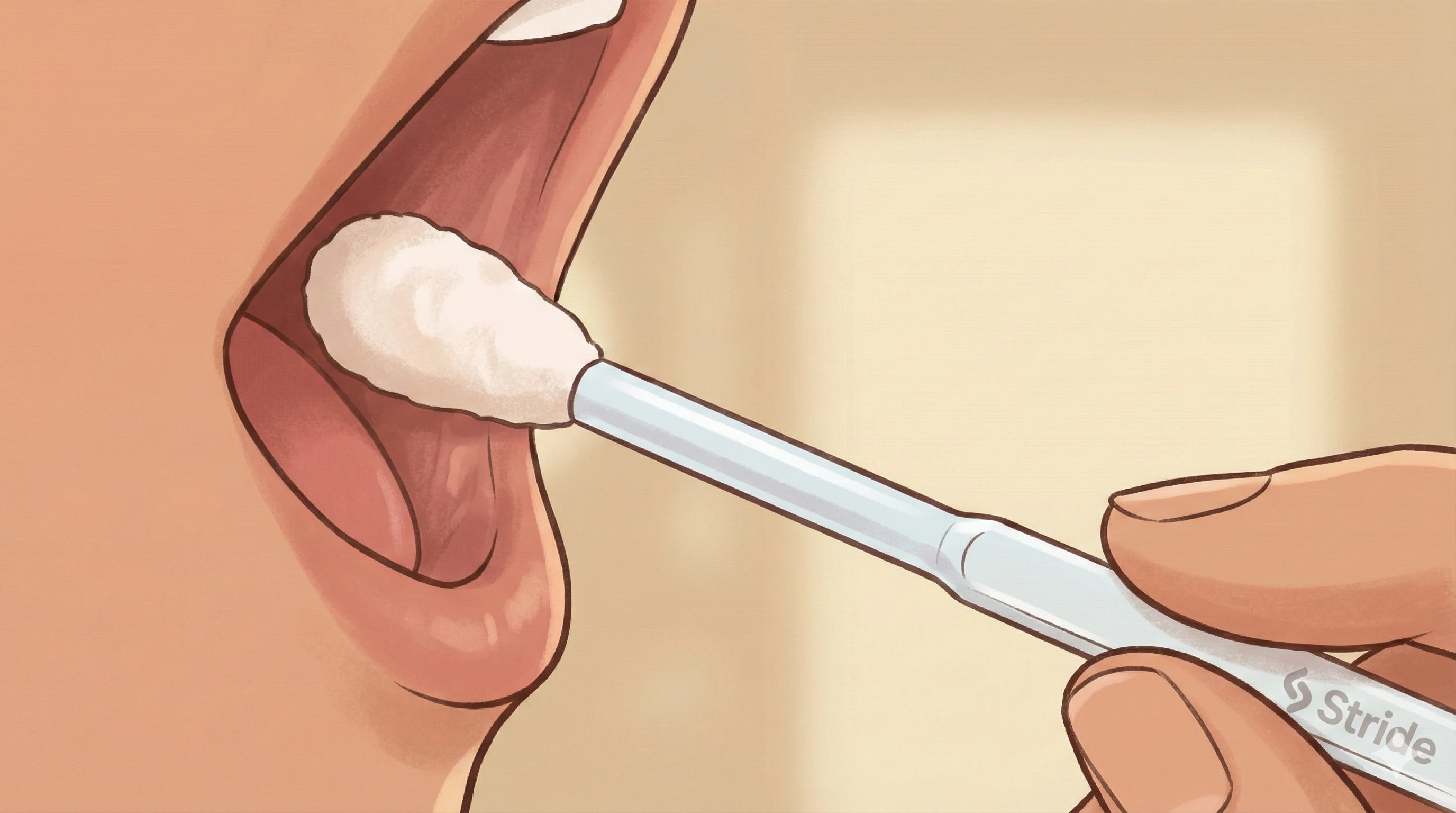

Sample type
Cheek swab, Blood sample

Collection
At-home

Often paired with
SMN1 and SMN2 genotyping, neuromuscular and nerve conduction assessments, vitamin B12 and folate, methylation markers, inflammatory markers, broader neurogenetic and neurodegeneration panels

Fasting required
Not required for DNA testing; follow clinical guidance for any accompanying blood tests
Key benefits of testing ZPR1
- Identify whether you carry ZPR1 variants that may modify SMN expression and localisation, and that have been studied as potential modifiers of spinal muscular atrophy severity.
- Help explain why individuals with similar SMN genotypes can show different patterns of motor neuron resilience, progression, or susceptibility in research and extended-family contexts.
- Inform personalised strategies for nervous system support, including nutrient, training, recovery, and lifestyle approaches that protect motor neurons and promote healthy cell turnover.
- Provide context for studies of RNA processing, ribosomal function, and nucleolar health, which are central to high-demand tissues such as neurons and muscle.
- Clarify your baseline ZPR1-related profile alongside SMN status, neurophysiological testing, and systemic markers, to support more precise planning for neuromuscular health and performance over the long term.
What is the ZPR1 gene?
ZPR1 encodes a conserved zinc finger protein that acts as a signalling and chaperone-like molecule, shuttling between the cytoplasm and nucleus in response to mitogenic and growth signals. In quiescent cells it is predominantly cytoplasmic, but in proliferating cells it accumulates in the nucleolus and other subnuclear structures.
ZPR1 interacts directly with the survival motor neuron protein (SMN) and helps localise SMN to nuclear bodies such as Cajal bodies and gems, which are important hubs for pre-mRNA splicing and ribonucleoprotein assembly. Experimental disruption of ZPR1 impairs nucleolar function and pre-rRNA processing and has been shown to be lethal in cell and animal models, highlighting its essential role in cell viability and ribosome biogenesis.
What does ZPR1 do?
ZPR1 sits at a key junction between cell growth signalling, nucleolar function, and SMN-dependent RNA processing. Upon mitogenic stimulation, ZPR1 translocates from the cytoplasm to the nucleus and nucleolus, where it supports the transcription and processing of ribosomal RNA and the assembly of ribosomal subunits needed for protein synthesis in proliferating cells.
In neurons and motor neuron systems, ZPR1 interacts with SMN to promote the accumulation of SMN in subnuclear bodies and to support axonal growth and neuronal differentiation in experimental models. Reduced ZPR1 expression in SMA mouse models increases motor neuron loss, axonal defects, and disease severity, while ZPR1 overexpression enhances SMN levels, improves nuclear SMN localisation, and partially rescues axonal growth defects in SMN-deficient neurons.
Why is ZPR1 important for health?
ZPR1 contributes to three interconnected systems: nucleolar and ribosomal function, SMN-dependent motor neuron health, and broader cell cycle regulation and survival. The nucleolus is central to rRNA transcription and ribosome assembly, processes that underpin protein synthesis in all tissues and are especially critical in rapidly growing or highly active cells.
As a binding partner and modifier of SMN, ZPR1 has been highlighted in research as a potential protective modifier in spinal muscular atrophy, influencing the severity of motor neuron loss and neuromuscular symptoms. More broadly, its role in cell cycle progression and growth signalling suggests that ZPR1 helps maintain a balance between proliferation, differentiation, and cell death, with implications for tissue maintenance, neural resilience, and responses to stress.
ZPR1 vs SMN1/SMN2 testing and neuromuscular exams: what is the difference?
It is easy to assume that ZPR1 genotyping, SMN1/SMN2 testing, and neuromuscular assessments provide overlapping information, but they address different layers. ZPR1 genotyping looks at a modifier gene that can influence SMN localisation and nucleolar function, potentially shifting severity or resilience rather than directly causing SMA.
SMN1 and SMN2 testing determines primary genetic risk and classification for spinal muscular atrophy and is central to diagnosis and therapeutic planning in that setting. Neuromuscular exams, nerve conduction studies, and imaging show how the motor system is functioning now under the combined influence of primary disease genes, modifiers like ZPR1, environment, and therapy. Someone may have ZPR1 patterns that are more protective yet still require standard SMA-focused evaluation and treatment if SMN genes are affected, while others without SMA may simply carry ZPR1 variants that subtly inform their nervous system resilience profile.
What factors modify the effects of ZPR1 variants?
The influence of ZPR1 variants is shaped primarily by SMN gene status, overall cellular stress load, and environmental and lifestyle factors that affect neuronal health. Several modifiable factors can either buffer genetic effects or amplify them.
- SMN1 and SMN2 genotype: In SMA, ZPR1 acts in concert with SMN gene copy number and function. The same ZPR1 pattern may have little impact in someone without SMN disruption but meaningful influence on severity in SMA.
- Nutrient status and metabolic health: Adequate B vitamins, choline, omega-3 fatty acids, and antioxidant nutrients support neuronal membranes, RNA processing, and energy metabolism, potentially buffering stress on ZPR1- and SMN-dependent pathways.
- Oxidative and inflammatory stress: Chronic inflammation, oxidative stress, and exposure to neurotoxicants increase the burden on nucleolar and ribosomal function and may interact with ZPR1-related vulnerabilities.
- Physical activity and neuromuscular loading: Well-structured, appropriately dosed movement supports neuromuscular integrity and neural plasticity, while extreme inactivity or overtraining without recovery can contribute to neuromuscular stress.
- Co-existing neurogenetic factors: Variants in other genes involved in RNA processing, myelination, mitochondrial function, or synaptic activity can compound or buffer ZPR1-related influences.
- Developmental and life-stage context: Prenatal, early-life, and ageing processes place different demands on neuronal growth, maintenance, and repair, which can shape how ZPR1-related differences show up clinically.
Can you have ZPR1 variants without symptoms?
Yes. Many people carry ZPR1 variants and experience no obvious neurological or systemic symptoms, particularly if SMN genes are normal and environmental stressors are well managed. In such individuals, ZPR1 functions quietly as part of the background machinery for cell growth and RNA processing.
Even in SMA, ZPR1 acts as a modifier rather than a primary cause. Differences in its expression or function can subtly shift motor neuron survival and disease severity, but clinical outcomes still depend heavily on SMN pathways, timing of diagnosis and treatment, and supportive care. For people without known neuromuscular disorders, ZPR1 is best thought of as one piece of a broad neuroresilience landscape.
ZPR1 genotypes: how do common variants differ?
ZPR1 genotypes mainly differ in how they influence expression levels, protein structure, or regulatory regions that govern nuclear localisation and interaction with SMN. Understanding your pattern can help frame ZPR1 as a potential modifier in the context of other neuromuscular genetics.
- Variants influencing expression or stability: Some changes may reduce ZPR1 expression or protein stability, which in experimental models has been linked to impaired nucleolar function, reduced SMN localisation, and increased vulnerability of motor neurons.
- Regulatory and intronic variants: Alterations in promoters or enhancers may fine-tune ZPR1 levels in different tissues, potentially affecting proliferative responses or neuronal support under stress.
- Rare, potentially disruptive variants: In principle, rare missense or truncating variants could more substantially impact ZPR1 function, although characterisation of such variants in the general population is ongoing.
- Reference or typical patterns: Many individuals carry common alleles consistent with standard ZPR1 expression and function and do not show clinically meaningful differences outside of specific high-risk contexts.
How do I prepare for a ZPR1 test?
For DNA-based ZPR1 testing, preparation is straightforward because your genotype does not change with time, diet, or medication. The key step is deciding how you will use the information, for example as part of a broader neuromuscular genetic review, SMA family risk assessment, or a long-term brain and nerve health strategy.
Cheek swab, saliva, or blood-based ZPR1 genotyping does not require fasting. If you are also undergoing SMN1/SMN2 testing, neurophysiological studies, nutrient panels, or imaging, follow the specific preparation instructions for those assessments, which may include fasting, medication timing, or activity restrictions.
Do I need a ZPR1 test?
A ZPR1 test is most relevant when considered as a modifier in a broader neuromuscular or neurodevelopmental context, rather than as a stand-alone screen. It becomes particularly informative when integrated with SMN testing, family history, and clinical evaluation.
- Known or suspected spinal muscular atrophy in the family: In SMA, ZPR1 has been studied as a protective modifier, and understanding its pattern can add nuance to prognosis and research-level discussions, though management is still driven mainly by SMN and clinical status.
- Research-oriented neuromuscular or neurogenetic assessment: In some advanced or research settings, ZPR1 is included in extended panels to characterise the molecular environment around SMN and nucleolar function.
- Comprehensive neuroresilience and longevity planning: For people building broad genomic and biomarker profiles, ZPR1 can be considered within the cluster of genes that support RNA processing, ribosome biogenesis, and neuronal survival under stress.
Stride tests that include ZPR1


Health Tests
Core DNA Methylation Test
5 reports: Methylation profile reports
From $229 $183.20
FAQs
What is the ZPR1 gene test?
The ZPR1 gene test analyses your DNA from blood or saliva to look for variants in the zinc finger protein ZPR1 gene that influence nucleolar function, cell growth signalling, and interaction with the survival motor neuron protein, with implications for motor neuron resilience and cellular health.
What does a ZPR1 variant mean?
ZPR1 variants can alter expression or function of this protein and, in experimental models, influence SMN localisation, ribosomal RNA processing, and motor neuron survival. In humans they are being studied as potential modifiers of spinal muscular atrophy severity and broader neuroresilience, rather than as primary disease-causing changes.
Do ZPR1 variants always cause neurological problems?
No. Many individuals with ZPR1 variants never develop neurological disease, especially if SMN genes are normal and environmental and lifestyle factors support neuronal health. In SMA, ZPR1 is thought to adjust severity rather than determine whether the condition occurs.
Is ZPR1 testing used to diagnose spinal muscular atrophy?
ZPR1 testing is not used to diagnose SMA. Diagnosis and therapeutic decisions rely on SMN1 and SMN2 testing and clinical evaluation. ZPR1 is best viewed as a research-level modifier and contextual marker for motor neuron biology.
Do I need a ZPR1 test?
You might consider a ZPR1 test as part of a broader genetic evaluation if there is an SMA context in your family, you are undergoing comprehensive neuromuscular or neurogenetic assessment, or you are building an in-depth performance and longevity profile where you wish to map genes that support neuronal resilience.
Do I need to fast for ZPR1 testing?
Fasting is not required for DNA-based ZPR1 testing. If blood-based nutrient, inflammatory, or other biomarkers are measured at the same time, follow the preparation guidance for those specific tests.
How can I optimise my health if I carry ZPR1 variants?
Rather than trying to change the gene, focus on a lifestyle that protects neurons and supports nucleolar and RNA-dependent processes: maintain good nutrient and methylation status, avoid smoking and excess alcohol, manage inflammation, train regularly with adequate recovery, protect sleep, and work with clinicians on any specific neuromuscular concerns so that changes over time are monitored and addressed early.