
Menu
-
Shop All
Contact
hey@getstride.com
Stride Health Group
Stride Health Group Ltd
Company No 05158025
Lamas Road
Badersfield
Norwich
England
NR10 5FB
UK
Extra 10% Off | Enter code GIFT at checkout


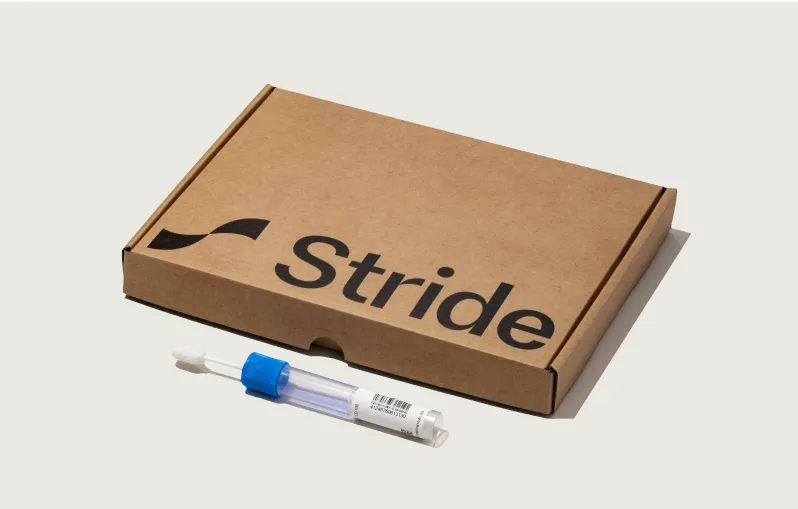





VIP Gene Test (Vasoactive Intestinal Peptide)
The VIP gene test analyses DNA for variants in the vasoactive intestinal peptide pathway that can shape how your brain and body regulate circadian rhythm, stress response, gut function, and vascular tone. Understanding your VIP status adds genetic context to sleep quality, mood regulation, and autonomic balance so you can personalise recovery, lifestyle, and long term prevention strategies rather than guessing.


Sample type
Cheek swab, Blood sample

Collection
At-home

Often paired with
PER2, PER3, HCRT2, stress hormone panels, inflammation markers, gut health tests, cardiometabolic markers

Fasting required
Not required for DNA testing; follow clinical guidance for any accompanying blood tests
Key benefits of testing VIP
- Identify whether you carry VIP variants that may alter peptide signalling and receptor sensitivity, which can influence circadian rhythm stability, vascular responses, and how your nervous system handles stress.
- Help explain patterns such as fragmented sleep, difficulty winding down at night, or sensitivity to jet lag and shift work, by highlighting a genetic tendency that can be supported rather than fixed.
- Add context to gut and autonomic symptoms such as alternating bowel habits, post meal discomfort, or stress related gut flares, by mapping how VIP signalling may interact with your microbiome and enteric nervous system.
- Inform personalised strategies for stress management, sleep timing, and light exposure, especially when combined with PER gene variants, cortisol patterns, and real time sleep tracking.
- Clarify your baseline circadian and neuroimmune capacity alongside other biomarkers, so long term optimisation plans can be built on both genetics and current biology rather than population averages.
What is the VIP gene?
The VIP gene provides the instructions for making vasoactive intestinal peptide, a 28 amino acid neuropeptide that belongs to the glucagon family. VIP is produced in multiple tissues including the gut, pancreas, and brain regions such as the suprachiasmatic nucleus, which is the master circadian clock.
This peptide acts as both a hormone and neurotransmitter, helping dilate blood vessels, relax smooth muscle, support gut secretion, and coordinate daily rhythms in hormone release and neuronal firing. Common VIP variants exist across the population and typically cause subtle changes rather than rare, single gene disorders, but they can influence how sensitive your system is to stressors such as disrupted sleep, inflammation, or irregular routines.
What does VIP do?
VIP has a central role at the intersection of the brain, gut, and cardiovascular system. In the digestive tract it helps relax smooth muscle, enhances water and electrolyte secretion into the gut, and modulates pancreatic and biliary secretions, which together support digestion and motility.
In the nervous system VIP is a key signalling peptide within circadian networks, helping synchronise clock genes and maintain robust day night cycles in hormones, temperature, and behaviour. It also influences cardiovascular tone by promoting vasodilation and supporting myocardial contractility, and has important regulatory effects on immune cells, often shifting responses toward a more anti inflammatory profile.
Why is VIP important for health?
VIP contributes to several interconnected systems: circadian rhythm control, autonomic and vascular regulation, gut function, and immune modulation. Disruption in VIP signalling has been explored in conditions such as inflammatory bowel disease, migraine, autonomic dysfunction, and some immune mediated conditions, usually alongside other genetic and environmental factors.
Because circadian health, gut integrity, and vascular function all interact with metabolic and cognitive performance, VIP sits in a broader network that influences energy, mood, recovery, and long term cardiometabolic risk. Common VIP variants on their own rarely drive disease, but they can tilt how your biology responds to sleep debt, chronic stress, irregular schedules, or pro inflammatory environments.
VIP vs other stress & sleep markers: what is the difference?
It is easy to assume that VIP and other stress or sleep markers tell you the same story, but they capture different layers of your biology. Hormones such as cortisol show how your stress axis is behaving right now, while wearable sleep data reflects recent patterns; VIP testing looks at inherited variants that may influence how stable and resilient your circadian and neurovascular systems are over the long term.
This distinction matters because you can have a VIP variant and still show healthy cortisol rhythms and sleep patterns when your lifestyle supports strong circadian cues. Conversely, you can have disrupted sleep and stress responses without notable VIP variants due to factors such as light exposure, workload, stimulants, or coexisting health conditions, which often respond well to targeted behavioural and clinical support.
What factors modify the effects of VIP variants?
The influence of VIP variants is shaped far more by your routines and environment than by the gene alone, which means you have meaningful room to change the trajectory. Several modifiable factors can either buffer or amplify any genetic tendency.
- Light exposure and sleep habits: Morning daylight, consistent sleep and wake times, and reduced bright light at night help keep circadian rhythms anchored, which can offset a predisposition to rhythm instability associated with some VIP related patterns.
- Stress load and recovery practices: Chronic psychological stress, lack of recovery, and high stimulant intake can strain autonomic balance and gut function, making VIP related sensitivities more visible. Practices such as breath work, strength and aerobic training, and structured downtime support more stable neuropeptide signalling.
- Diet and gut health: Highly processed diets, low fibre intake, alcohol, and frequent gut infections can weaken the gut barrier and change microbiome composition, which interact with VIP's role in intestinal secretion and immune modulation. Diets rich in diverse fibres, polyphenols, and adequate protein support healthier gut VIP signalling whether or not you carry variants.
- Cardiometabolic and vascular health: Hypertension, insulin resistance, and endothelial dysfunction can shift how vasodilatory peptides such as VIP affect blood flow and blood pressure. Improving blood pressure, glucose handling, and lipid profiles usually moves the needle more than genotype alone.
- Medications and coexisting conditions: Drugs that influence autonomic tone, gut motility, or sleep may interact differently in people whose VIP related pathways are more sensitive. In these scenarios, genotype information can inform more personalised discussions about dosing, timing, and side effect monitoring with your clinician.
Can you have VIP variants without symptoms?
Yes, and that is very common. Many people with VIP variants never experience clear, gene specific symptoms and only discover their status through broader DNA panels focused on stress, sleep, and performance.
Symptoms sometimes linked to VIP pathways, such as non specific gut discomfort, sleep disturbance, or fluctuating blood pressure, are influenced by many other factors including diet, training load, mental health, hormones, and medications. Rare, severe disorders of VIP signalling are distinct from the subtle polymorphisms reported on consumer DNA tests and are usually identified through specialist clinical workups rather than health optimisation screening.
VIP genotypes: how do common variants differ?
Common VIP genotypes mainly differ in how they influence peptide expression and receptor sensitivity, and how strongly they interact with circadian and autonomic networks under real world conditions. Understanding your pattern helps you make smarter choices about routines and recovery, rather than labelling you as a good or bad sleeper or responder.
- Reference / typical VIP pattern: This pattern is associated with standard peptide activity and receptor function, so sleep, gut function, and blood pressure are driven more by behaviour, environment, and coexisting health conditions than by the VIP gene itself.
- Heterozygous carriers of functional variants: These genotypes usually retain much of VIP's function, with subtle, context dependent effects on circadian alignment, gut secretion, or vascular responses that may become more visible in high stress or irregular lifestyle patterns.
- Homozygous or compound carriers of reduced or altered activity variants: Having two function altering copies may produce more noticeable sensitivity to shift work, jet lag, stress related gut symptoms, or autonomic swings. Many people in this group still do very well when sleep, light exposure, diet, and training are aligned with their biology.
How do I prepare for a VIP test?
For DNA based VIP testing, preparation is simple because your genotype is stable and does not change from day to day. The focus is on choosing a panel that places VIP alongside other stress, sleep, and performance genes so the results are interpretable in context.
Standalone VIP genotyping using blood or saliva does not require fasting, since it examines your DNA code rather than fluctuating peptides or hormones. If VIP is tested as part of a package that also includes blood biomarkers such as cortisol, inflammatory markers, or cardiometabolic panels, your clinician or test provider may recommend standard preparation steps so you can track changes reliably over time.
Do I need a VIP test?
A VIP test is most valuable when the result will influence how you personalise sleep, stress, and gut strategies or refine long term prevention plans as part of a broader biomarker roadmap. It is less helpful when done in isolation without access to lifestyle patterns, other genes, and real time biomarkers.
- Persistent sleep disruption or circadian challenges: If you struggle with insomnia, shift work, jet lag, or irregular schedules, and you are ready to change routines, VIP testing alongside PER and HCRT2 variants can guide more precise circadian strategies.
- Complex gut and stress interactions: For people with stress sensitive gut symptoms, VIP status can add a layer of insight to microbiome, inflammation, and nervous system testing, helping differentiate between primarily behavioural and biologically sensitive patterns.
- High performance and longevity focus: If you are using data to extend healthspan and performance, understanding VIP as part of a stress and sleep response cluster can refine training timing, light exposure, and recovery planning, particularly when combined with hormones and heart rate variability data.
- Integrating DNA into a whole system plan: For those investing in preventative testing, VIP genotyping sits alongside circadian, stress, and cardiovascular genes as a durable piece of information that can be revisited at key life stages, changes in work patterns, or when new symptoms emerge.
Stride tests that include VIP


Health Tests
Core DNA Methylation Test
5 reports: Methylation profile reports
From $229 $183.20
FAQs
What is the VIP gene test?
The VIP gene test analyses your DNA from blood or saliva to look for variants in the vasoactive intestinal peptide gene that can influence how your body regulates circadian rhythms, gut function, vascular tone, and stress response.
What does a VIP gene mutation mean?
Common VIP variants, more accurately called polymorphisms, may modestly alter peptide expression or receptor sensitivity and slightly shift susceptibility to circadian disruption, gut sensitivity, or autonomic swings, especially when routines are irregular or stress is high.
Do VIP variants always cause health problems?
No; most people with VIP variants never develop clear health problems, and outcomes depend far more on sleep habits, light exposure, diet quality, training load, and overall metabolic health than on this single gene.
Is VIP testing recommended for sleep problems or gut issues?
VIP testing can add useful context in complex cases, especially when combined with other stress and sleep genes, hormones, and microbiome data, but it is rarely used as a stand alone diagnostic test for insomnia or digestive conditions.
Can VIP affect sleep, stress, or gut health?
VIP is a key neuropeptide in circadian regulation, autonomic balance, and gut secretion, so variants may influence how sensitive you feel to shift work, stress, or dietary triggers, but daily routines and environment remain the primary levers.
Do I need a VIP test?
You might consider a VIP test if results would change how you approach sleep timing, light exposure, stress management, training schedules, or gut strategies, particularly if you already invest in data driven prevention and work closely with a clinician or coach.
Do I need to fast for VIP testing?
Fasting is not required for DNA based VIP testing, although accompanying blood tests such as cortisol, metabolic panels, or inflammatory markers may have specific preparation instructions that are worth following for consistent tracking.
How can I optimise VIP related pathways?
Rather than trying to treat the gene, focus on consistent sleep and wake times, smart light exposure, nutrient dense food, regular movement, and stress management so your circadian and autonomic systems can perform well over time, whatever your VIP genotype.