
Menu
-
Shop All
Contact
hey@getstride.com
Stride Health Group
Stride Health Group Ltd
Company No 05158025
Lamas Road
Badersfield
Norwich
England
NR10 5FB
UK
Extra 10% Off | Enter code GIFT at checkout


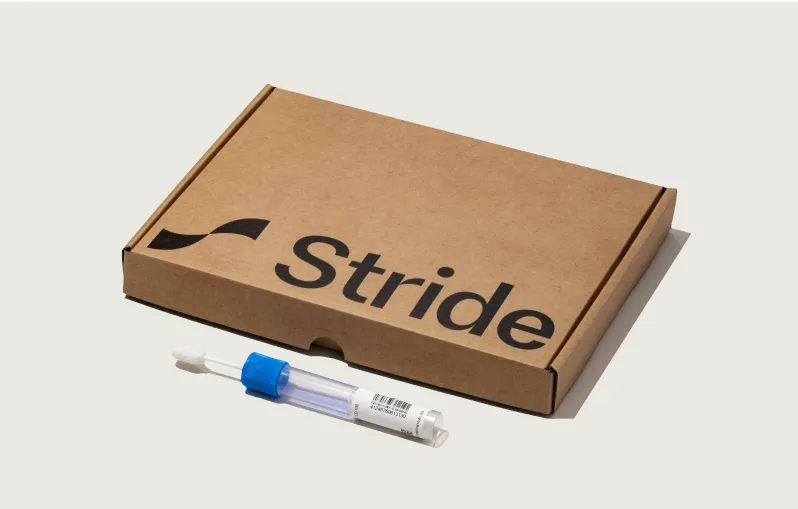




VDR Gene Test (Vitamin D Receptor)
The VDR gene test analyses DNA for variants in the vitamin D receptor that can influence how effectively your cells respond to vitamin D, shaping calcium balance, bone strength, immune function, and broader metabolic health. Understanding your VDR status adds genetic context to vitamin D metabolism so you can personalise vitamin D, calcium, and lifestyle strategies for long term prevention rather than relying on population averages.
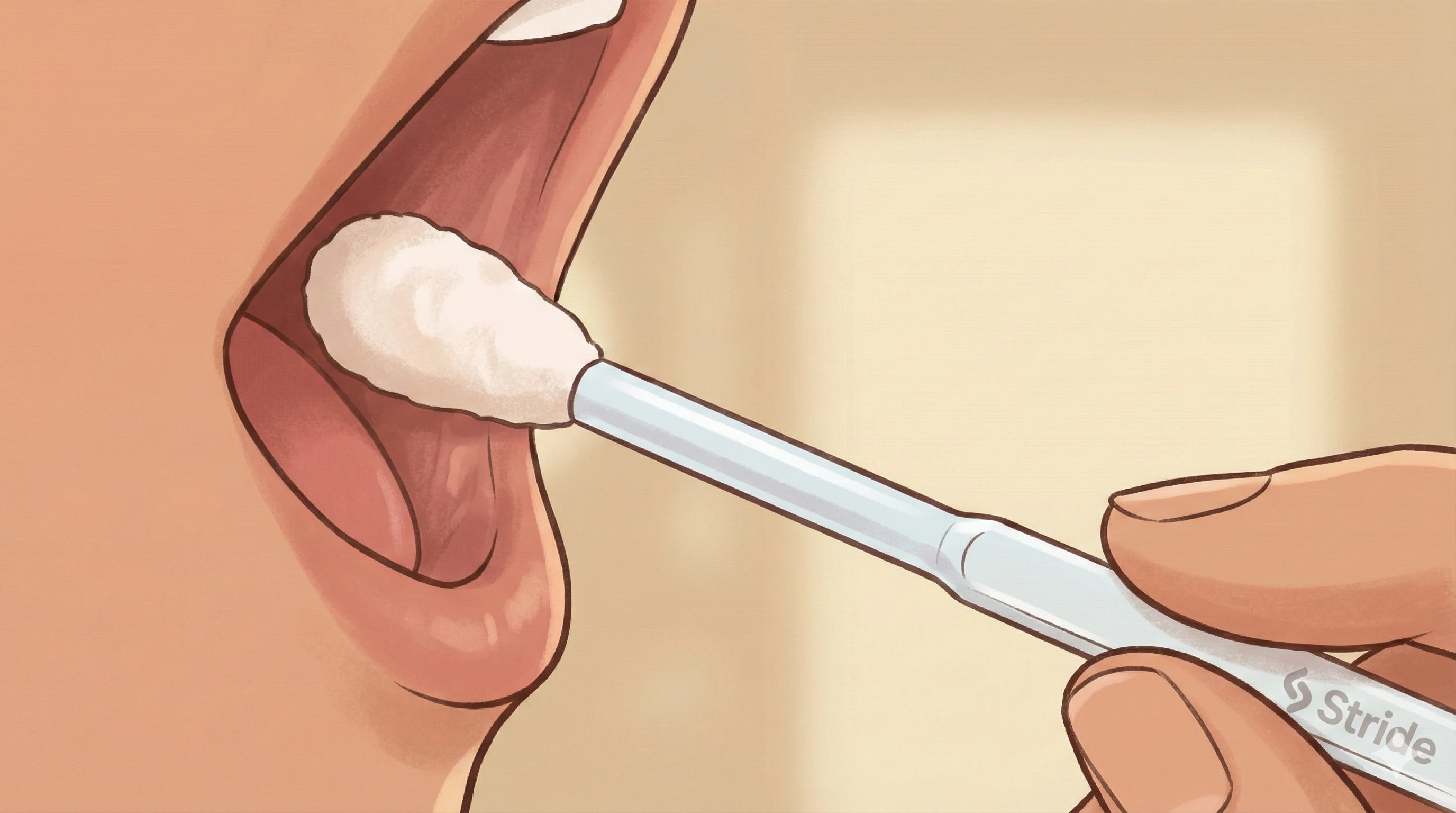

Sample type
Cheek swab, Blood sample

Collection
At-home

Often paired with
25 OH vitamin D, calcium, phosphate, parathyroid hormone (PTH), bone density assessments, inflammatory markers, autoimmune and cardiometabolic panels

Fasting required
Not required for DNA testing; follow clinical guidance for any accompanying blood tests
What is the VDR gene?
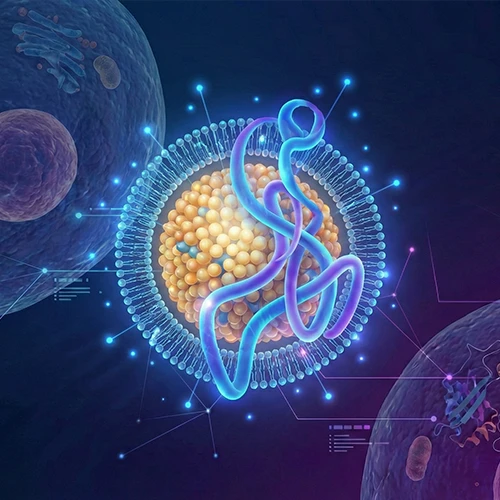
The VDR gene encodes the vitamin D receptor, a nuclear hormone receptor that binds the active form of vitamin D, calcitriol, and then regulates the activity of vitamin D responsive genes in many tissues. Once activated, VDR pairs with the retinoid X receptor and binds to vitamin D response elements in DNA, turning selected genes on or off to control calcium and phosphate absorption, bone remodelling, and other vitamin D dependent processes.
VDR is expressed in classical target tissues such as intestine, bone, kidney, and parathyroid gland, and also in immune cells, muscle, and many other organs where vitamin D influences cell growth, differentiation, and immune signalling. Common single nucleotide polymorphisms in VDR, including FokI, BsmI, ApaI, and TaqI, are widely studied and appear to modulate receptor activity or expression, with context dependent links to bone density, autoimmune disease risk, infection susceptibility, and cardiometabolic traits.
What does VDR do?
VDR acts as a ligand activated transcription factor that translates vitamin D status into gene level changes. When calcitriol binds to VDR, the receptor complex forms and moves to the nucleus where it regulates genes involved in calcium and phosphate transport, bone matrix proteins, and factors that govern cell proliferation and immune responses.
Through this genomic control, VDR helps maintain calcium and phosphate balance for bone and tooth formation, modulates parathyroid hormone feedback, and influences muscle function. Beyond mineral metabolism, VDR signalling shapes innate and adaptive immune responses, supports antimicrobial peptide expression, and affects cell cycle and differentiation pathways that are relevant for cancer biology and chronic inflammation.
Why is VDR important for health?
VDR sits at the intersection of three interconnected systems: bone and mineral metabolism, immune regulation, and broader cardiometabolic and cell regulatory pathways. When vitamin D availability or receptor responsiveness is low, the body may struggle to maintain optimal calcium handling, bone strength, and balanced immune activity.
Research has linked VDR polymorphisms, particularly FokI, BsmI, ApaI, and TaqI, with differences in risk profiles for osteoporosis, fractures, autoimmune diseases, multiple sclerosis, inflammatory bowel disease, diabetes, cardiovascular disease, and certain cancers. These associations are typically modest and highly context dependent, with sunlight exposure, diet, body composition, and coexisting health conditions often exerting a larger effect than genotype alone.
VDR vs vitamin D blood tests: what is the difference?
It is easy to assume that VDR genotyping and 25 OH vitamin D blood tests tell you the same thing, but they capture different layers of your biology. Vitamin D blood tests measure how much vitamin D is circulating at a specific time, reflecting sun exposure, diet, supplementation, and liver and kidney processing, whereas VDR testing looks at inherited changes that shape how your cells respond to the active hormone.
This distinction matters because you can have adequate or even high vitamin D levels and still experience suboptimal tissue responses if receptor function is less efficient, especially when cofactors like magnesium or vitamin K are low or when inflammation is high. Conversely, someone with less "concerning" VDR variants can still be functionally vitamin D deficient if they have minimal sun exposure, low intake, higher adiposity, or malabsorption.
What factors modify the effects of VDR variants?
The influence of VDR variants is shaped more by environment, lifestyle, and coexisting health patterns than by the gene on its own. Several modifiable factors can buffer or amplify VDR related tendencies.
- Vitamin D intake and sun exposure: Supplementation, diet, and sensible ultraviolet exposure can often offset modest differences in receptor function, helping maintain higher effective vitamin D signalling even with less favourable VDR variants. Very low exposure, high latitude living, or strict sun avoidance make VDR related differences more visible.
- Calcium, magnesium, and vitamin K status: Calcium, magnesium, and vitamin K work alongside vitamin D to support bone and vascular health. Suboptimal levels of these cofactors can limit the benefits of vitamin D and VDR signalling, even when vitamin D levels are in range, while optimising them can support better outcomes regardless of genotype.
- Body composition and metabolic health: Higher body fat percentage, insulin resistance, and chronic inflammation can change vitamin D distribution and receptor signalling, compounding or overshadowing modest VDR effects. Improving metabolic health often moves the needle more than genotype alone.
- Immune and inflammatory load: Ongoing infections, autoimmune activity, or chronic inflammatory states influence how vitamin D and VDR regulate immune responses. In these contexts, optimising vitamin D status, supporting sleep and stress resilience, and addressing triggers can help stabilise the system even when VDR variants are present.
- Age, hormones, and life stage: Age related changes in skin synthesis, renal activation of vitamin D, sex hormones, and bone turnover alter how VDR signalling shows up in bone density, immune function, and muscle performance. Life stage specific strategies often matter more than the label of a single polymorphism.
Can you have VDR variants without symptoms?
Yes, and that is very common. Many people carry one or more VDR polymorphisms without any obvious vitamin D related symptoms or bone issues, and discover their status only through DNA testing or broader preventive health panels.
Features often attributed to "vitamin D genetics," such as low mood in winter, frequent infections, or musculoskeletal aches, are non specific and can arise from sleep disruption, low physical activity, stress, other nutrient deficiencies, or unrelated medical conditions. Rare, severe VDR mutations that cause hereditary vitamin D resistant rickets are distinct from the more common VDR polymorphisms seen on standard reports and usually present in early life with clear skeletal signs.
VDR genotypes: how do common variants differ?
Common VDR genotypes mainly differ in how they modulate receptor activity, expression, or mRNA processing, and how strongly they influence outcomes like bone density or immune markers in specific environments. Understanding your pattern helps you tailor vitamin D and lifestyle strategies rather than assigning "good" or "bad" labels.
- FokI variants: Located near the start of the VDR gene, FokI can produce receptor isoforms with different activity. Certain alleles are associated in some studies with changes in bone density or autoimmune risk, particularly when vitamin D status is low.
- BsmI, ApaI, and TaqI variants: These polymorphisms cluster near the 3′ end of the VDR gene and often travel together as haplotypes. They appear to influence VDR expression or be linked to other functional variants, with reported associations to lumbar spine pathologies, autoimmune conditions, and cardiometabolic traits in some populations.
- Combined VDR patterns: The overall effect of VDR on health often reflects the combined pattern of multiple polymorphisms plus environmental inputs. Two people with the same variant can have very different outcomes depending on sun exposure, diet, physical activity, and underlying health.
How do I prepare for a VDR test?
For DNA based VDR testing, preparation is straightforward because genotype does not change from day to day. The main decision is choosing a panel that includes relevant VDR polymorphisms and aligns with your broader preventive or clinical goals.
Standalone VDR genotyping using blood or saliva does not require fasting, since it examines stable DNA sequence rather than dynamic vitamin D or calcium levels. If you are also measuring 25 OH vitamin D, calcium, phosphate, or PTH at the same time, your clinician or test provider may recommend particular timing or consistency of supplement use so that follow up tests are easier to interpret.
Do I need a VDR test?
A VDR test is most valuable when the result will shape how you personalise vitamin D strategies, bone health prevention, or immune and autoimmune management as part of a bigger picture. It is less helpful when ordered in isolation without vitamin D levels, mineral markers, and clinical context.
- Unexplained low bone density or fracture risk: If you have early or unexplained bone loss, recurrent low trauma fractures, or a strong family history of osteoporosis, VDR testing alongside vitamin D, calcium, and bone density assessments can add nuance to your prevention plan.
- Autoimmune or chronic inflammatory conditions: In people with autoimmune diseases or chronic inflammation, VDR genotyping can help frame how aggressively to pursue vitamin D optimisation and monitoring, while still prioritising established treatments and lifestyle interventions.
- Frequent infections or low vitamin D response: If vitamin D levels remain low despite supplementation, or you experience frequent infections without clear cause, VDR testing may contribute context on receptor sensitivity, guiding dosing, duration, and cofactor support.
- Building a personalised bone and immune health roadmap: For those investing in preventive health, VDR genotyping alongside vitamin D, bone markers, and immune panels provides a durable piece of information that can be revisited as life stage, hormones, or treatments change.
Stride tests that include VDR


Health Tests
Core DNA Methylation Test
5 reports: Methylation profile reports
From $229 $183.20

Health Tests
Advanced DNA & Methylation Test
29 reports: Methylation profile and nutrigenetic reports
From $349 $279.20

Health Tests
Optimal DNA & Methylation Test
46 reports: Methylation profile, nutrigenetic, fitness, sleep, stress and skin reports
From $479 $383.20
FAQs
What is the VDR gene test?
The VDR gene test analyses your DNA from blood or saliva to look for common variants in the vitamin D receptor gene that can influence how effectively your cells respond to vitamin D.
What does a VDR variant mean?
Common VDR variants are polymorphisms that may modestly change receptor activity or expression, which can nudge bone density, immune responses, or cardiometabolic risk when vitamin D status or lifestyle factors are not well supported, rather than acting as a diagnosis in isolation.
Do VDR variants always cause health problems?
No. Many people with VDR variants never develop clear bone, immune, or vitamin D related health problems, especially when vitamin D levels, calcium intake, movement, and overall metabolic health are in a good place.
Is VDR testing recommended for bone or autoimmune disease?
Some clinicians use VDR testing as part of bone health or autoimmune risk assessments, but current guidance generally does not recommend it as a stand alone screen. Decisions are usually based on a combination of vitamin D levels, bone density, symptoms, and established risk factors.
Can VDR affect vitamin D supplement needs?
VDR variants can influence how sensitive tissues are to vitamin D, which may help explain why some people appear to need higher or more consistent supplementation to reach the same functional outcomes. Dose and duration decisions should still be made with a clinician, using blood tests and clinical context.
Do I need a VDR test?
You might consider a VDR test if results would change how you and your clinician approach vitamin D dosing, bone health prevention, autoimmune risk management, or infection resilience, ideally as part of a comprehensive assessment rather than a single data point.
Do I need to fast for VDR testing?
Fasting is not required for DNA based VDR testing, although accompanying tests such as vitamin D, lipids, or glucose may have specific preparation instructions that help keep results consistent over time.
How can I optimise VDR related pathways?
Rather than trying to treat the gene, focus on achieving and maintaining personalised vitamin D levels, supporting calcium, magnesium, and vitamin K intake, moving regularly, spending sensible time outdoors, and working with your clinician on bone, immune, and metabolic health so your vitamin D receptor can support you over the long term, whatever your VDR genotype.