
Menu
-
Shop All
Contact
hey@getstride.com
Stride Health Group
Stride Health Group Ltd
Company No 05158025
Lamas Road
Badersfield
Norwich
England
NR10 5FB
UK
Extra 10% Off | Enter code GIFT at checkout






UIBC Blood Test (Unsaturated Iron Binding Capacity)
Unsaturated iron binding capacity UIBC shows how much spare capacity your main iron transport protein, transferrin, still has to bind iron. Together with serum iron, TIBC, transferrin saturation, and ferritin, it helps reveal whether you are short of iron, in balance, or at risk of iron overload.

Sample type
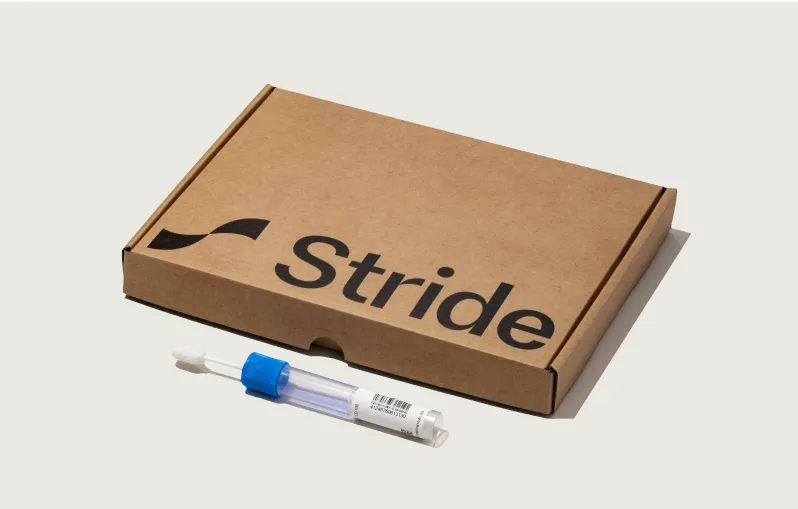
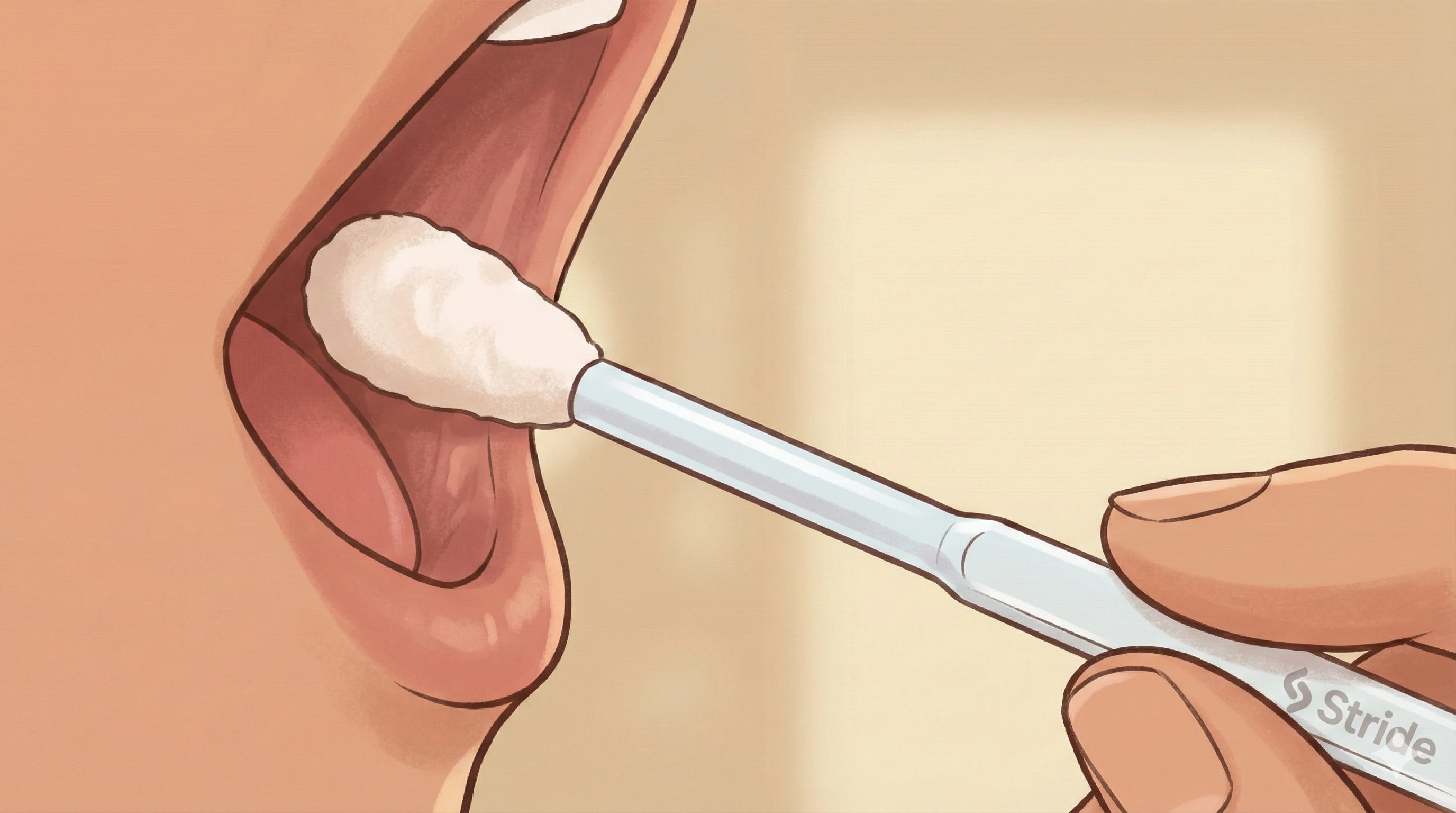
Blood sample

Collection
At-home

Often paired with
Serum iron, total iron binding capacity TIBC, transferrin saturation, transferrin, ferritin, full blood count, vitamin B12, folate, CRP, liver function tests

Fasting required
Often. UIBC is interpreted with serum iron and TIBC, which vary with meals and time of day. A morning, fasting sample is usually recommended. Follow the instructions provided with your test.
Key benefits of testing unsaturated iron binding capacity (UIBC)
A UIBC blood test can help you:
- Assess how much of your iron transport capacity is unfilled and available to bind more iron.
- Detect iron deficiency and low iron availability when UIBC is high and serum iron and ferritin are low.
- Support diagnosis of iron overload when UIBC is low and serum iron and transferrin saturation are high.
- Distinguish iron deficiency anaemia from anaemia of chronic disease and other complex patterns.
- Monitor iron status and therapy in people with heavy periods, gut conditions, chronic disease, or suspected haemochromatosis.
What is unsaturated iron binding capacity (UIBC)
Transferrin is the main protein that binds and transports iron in your blood. At any time:
- Some of its iron binding sites are filled with iron.
- The rest are empty and could take up more iron if it were available.
UIBC measures that unused portion. In simple terms:
- TIBC total iron binding capacity is the sum of all iron binding sites, both used and unused.
- Serum iron reflects the iron currently bound to transferrin.
- UIBC reflects the remaining binding capacity not occupied by iron.
Mathematically, many labs express this as: TIBC = Serum iron + UIBC
What does UIBC do
UIBC does not change how your body handles iron but provides a functional readout of reserve transport capacity:
- A high UIBC means many transferrin binding sites are empty, suggesting not enough iron is available to fill them.
- A low UIBC means most sites are already filled or transferrin is reduced, suggesting high iron load or altered protein production.
Clinically, UIBC helps answer questions such as:
- Is your body "looking" for more iron because stores are low.
- Is much of your transport system already saturated with iron, raising concerns about overload.
Why is UIBC important for iron and metabolic health
Iron balance is about both storage and transport. UIBC matters because:
- In iron deficiency, transferrin production typically rises, and more binding sites are left empty, increasing UIBC. This pattern often appears before severe anaemia.
- In iron overload, or when transferrin production falls due to liver disease or chronic inflammation, fewer binding sites remain empty, so UIBC falls.
- UIBC complements ferritin, serum iron, TIBC, and transferrin saturation to give a more nuanced picture of iron handling, particularly when ferritin is affected by inflammation or liver disease.
UIBC vs TIBC vs transferrin saturation vs ferritin vs serum iron: what is the difference
These tests reflect different aspects of iron status:
- Serum iron measures the amount of iron currently bound to transferrin in the blood at the time of the test.
- UIBC measures the remaining unused binding capacity on transferrin.
- TIBC is the total potential binding capacity and is the sum of serum iron and UIBC.
- Transferrin saturation is the percentage of binding sites filled with iron, calculated from serum iron and TIBC.
- Ferritin reflects stored iron in tissues and is usually the best single marker of iron reserves.
Common patterns:
- Iron deficiency: low serum iron, low ferritin, high UIBC, high TIBC, low transferrin saturation.
- Anaemia of chronic disease: low serum iron, normal or high ferritin, low or normal UIBC and TIBC, low transferrin saturation.
- Iron overload: high serum iron, high ferritin, low UIBC, low TIBC, high transferrin saturation.
What factors affect UIBC levels
UIBC is shaped by transferrin production and how fully it is loaded with iron. Key influences include:
1. Iron intake, stores, and losses
- Low iron intake, poor absorption, or chronic blood loss reduce serum iron and ferritin and increase UIBC, because more transferrin is left unoccupied.
- High iron intake, repeated transfusions, or iron loading conditions can reduce UIBC as more binding sites become filled.
2. Liver function and nutrition
- The liver produces transferrin. Liver disease or severe malnutrition can lower transferrin and thus TIBC and UIBC.
- In these settings, UIBC may be low even if iron stores are not especially high, so other markers and liver tests are essential for interpretation.
3. Inflammation and chronic disease
- Inflammatory conditions often reduce transferrin production and change iron distribution, which can lower TIBC and UIBC.
- This contributes to functional iron restriction in anaemia of chronic disease.
4. Pregnancy and high demand states
- In pregnancy, transferrin production often rises to meet higher iron demands, which can increase TIBC and UIBC even before frank deficiency develops.
5. Iron therapy and supplementation
- Oral or intravenous iron therapy can reduce UIBC as more binding sites become filled and transferrin saturation rises.
- Excessive supplementation in the context of poor regulation or low transferrin can produce very low UIBC and high saturation.
Can UIBC be high if ferritin is normal
Yes. UIBC can be raised even when ferritin remains within the laboratory reference range, particularly in early or borderline iron depletion.
Examples include:
- People with heavy menstrual bleeding or endurance training, where stores are starting to fall but ferritin has not yet dropped below the "low" cut off.
- Pregnancy, where higher transferrin and demand can raise UIBC while ferritin sits at the lower end of normal.
In these situations, the combination of high UIBC, low or low normal transferrin saturation, and symptoms may support proactive monitoring or treatment.
Normal vs high vs low UIBC: what is the difference
Reference ranges vary by lab and sex, but typical adult UIBC ranges include:
- Roughly 12 to 43 micromol per litre in men.
- Roughly 13 to 56 micromol per litre in women.
Broadly:
- High UIBC indicates more unused binding capacity and is often seen in iron deficiency, low iron intake, chronic blood loss, or pregnancy.
- Low UIBC indicates that most binding sites are already filled or transferrin is reduced, and is often seen in iron overload, liver disease, chronic inflammation, or excessive iron supplementation.
Interpreting UIBC always involves looking at serum iron, TIBC, transferrin saturation, ferritin, and full blood count together.
Do I need to fast for an Unsaturated Iron Binding Capacity (UIBC) blood test
Fasting is often recommended because UIBC is interpreted with serum iron and transferrin saturation, which are influenced by food and time of day.
If you are asked to fast:
- You will typically avoid food and drink except water for 8 to 12 hours before the blood draw.
- You may also be asked not to take an iron supplement on the morning of your test.
Following these steps improves the reliability of UIBC and related iron markers.
How can UIBC be improved or lowered (clinician guided)
Managing UIBC is about normalising iron balance and addressing the underlying cause.
If UIBC is high due to low iron availability, strategies may include:
- Increasing iron rich foods and adding vitamin C sources to meals to improve absorption.
- Using oral iron supplementation in an appropriate dose and form, with repeat testing to see UIBC, ferritin, and transferrin saturation move toward normal.
- Considering intravenous iron when oral iron is not tolerated, not absorbed, or insufficient.
- Investigating and treating sources of blood loss or malabsorption, such as heavy periods or gastrointestinal conditions.
If UIBC is low due to iron overload or reduced transferrin, strategies may include:
- Evaluating for hereditary haemochromatosis or other iron loading conditions and, if present, considering genetic testing and venesection.
- Managing liver disease, chronic inflammation, or nutritional issues that reduce transferrin and TIBC.
- Reviewing and adjusting iron intake and supplementation to avoid further overload.
Stride tests that include UIBC
FAQs
What is the Unsaturated Iron Binding Capacity (UIBC) blood test
The UIBC blood test measures how much of your iron transport capacity on transferrin is still free to bind iron. It reflects the reserve space on transferrin and is used alongside serum iron, TIBC, transferrin saturation, and ferritin to assess iron deficiency, iron overload, and complex anaemia patterns.
What is a normal UIBC level
Normal UIBC ranges vary by laboratory and sex, but common adult reference ranges are roughly 12 to 43 micromol per litre for men and 13 to 56 micromol per litre for women. Values above the upper limit suggest high reserve capacity and usually point toward low iron availability, while values below the lower limit suggest low reserve capacity and possible iron overload or reduced transferrin.
What is an optimal UIBC level for health
Optimal UIBC is a level that, together with serum iron, TIBC, transferrin saturation, ferritin, and full blood count, indicates that iron transport capacity and iron stores are in balance. Rather than chasing a single UIBC number, the goal is a coherent iron studies pattern that matches your clinical picture and avoids both deficiency and overload.
Is UIBC better than ferritin for checking iron
UIBC and ferritin provide different insights. Ferritin reflects stored iron, while UIBC shows unused transport capacity. Used together with serum iron and transferrin saturation, they help distinguish true iron deficiency, functional iron deficiency, anaemia of chronic disease, and iron overload far better than any single test alone.
Can UIBC be high even if my iron level looks normal
Yes. UIBC can be high despite a normal serum iron result, particularly in early iron deficiency, chronic blood loss, or pregnancy. In these scenarios, iron may be just sufficient in the moment, but the body is still signalling that more iron would be useful, which shows up as high UIBC and lower transferrin saturation.
Do I need Unsaturated Iron Binding Capacity (UIBC) testing
You may benefit from a UIBC test if you have anaemia or low energy, confusing iron study results, suspected iron deficiency or iron overload, chronic inflammatory or liver conditions, or a family history of haemochromatosis. UIBC is usually included as part of a comprehensive iron studies panel rather than ordered alone.
Do I need to fast for a UIBC test
A fasting morning sample is often recommended for UIBC because it is interpreted with serum iron and transferrin saturation, which change with meals and time of day. If fasting is requested, you will typically avoid food and drink except water for 8 to 12 hours before the test and delay your morning iron supplement.
How can I improve my UIBC results
If UIBC is high due to iron deficiency, you can support improvement by increasing iron rich foods, using appropriate iron supplements under guidance, and addressing blood loss or absorption problems so that more binding sites become filled. If UIBC is low due to iron overload or reduced transferrin, management focuses on identifying and treating the underlying cause and, where needed, safely reducing iron stores under clinician supervision.
Do I need an Unsaturated Iron Binding Capacity (UIBC) blood test
If you want a detailed view of how much iron your body can still transport, beyond simple iron or ferritin results, or you are managing iron deficiency, anaemia of chronic disease, or possible iron overload, discussing a UIBC test as part of full iron studies is a practical step. Within StrideOne, UIBC can be measured alongside serum iron, TIBC, transferrin saturation, ferritin, and hundreds of other biomarkers, helping you see exactly how iron transport fits into your energy, performance, and long term health strategy.