
Menu
-
Shop All
Contact
hey@getstride.com
Stride Health Group
Stride Health Group Ltd
Company No 05158025
Lamas Road
Badersfield
Norwich
England
NR10 5FB
UK
Extra 10% Off | Enter code GIFT at checkout


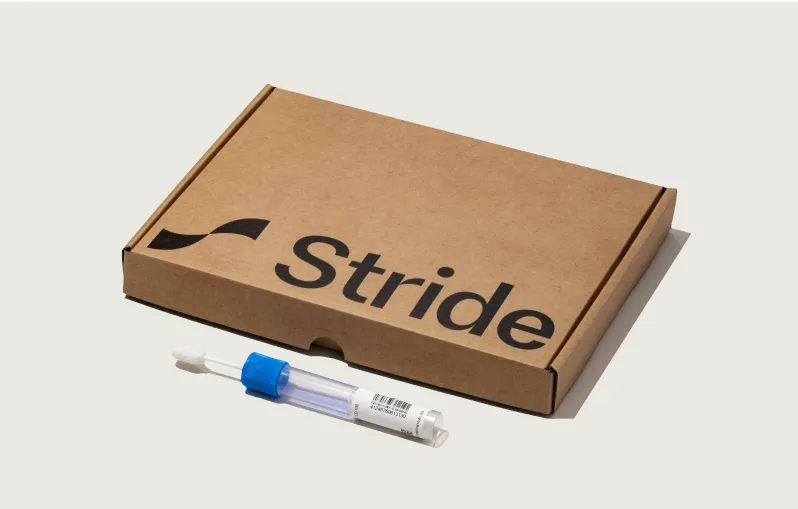






Triglycerides Blood Test (Heart Health & Metabolic Biomarker)
Triglycerides are a type of blood fat that store excess energy from your diet and circulate in your bloodstream inside lipoprotein particles. When triglyceride levels are persistently high, especially alongside elevated Non HDL cholesterol and ApoB, they increase your risk of heart disease, pancreatitis at very high levels, and often signal underlying metabolic issues such as insulin resistance.

Sample type
Blood sample

Collection
At-home

Often paired with
Total cholesterol, LDL cholesterol, HDL cholesterol, Non HDL cholesterol, ApoB, ApoA1, ApoB/A1 Ratio, HbA1c, fasting glucose, liver function tests

Fasting required
Often. Triglycerides are sensitive to recent food and alcohol intake, so fasting for a set period is commonly recommended, though some guidelines now allow non fasting testing. Follow your provider's instructions.
Key benefits of testing triglycerides
A triglycerides blood test can help you:
- Assess your risk of heart disease and stroke as part of a full lipid panel.
- Detect patterns of metabolic health issues such as insulin resistance, metabolic syndrome, or poorly controlled diabetes.
- Identify very high levels that increase the risk of pancreatitis and require rapid attention.
- Track how your triglycerides respond to changes in diet, activity, alcohol intake, weight, and medication.
- Support tailored decisions about lifestyle and lipid lowering therapies for long term cardiovascular and metabolic health.
What are triglycerides
Triglycerides are the main form of fat used for energy storage in your body. They are made from fatty acids and glycerol and are stored in fat tissue for use between meals and during activity.
In the bloodstream, triglycerides are carried inside lipoprotein particles, particularly:
- Chylomicrons, which transport triglycerides from the intestine after meals.
- Very low density lipoproteins VLDL, which transport triglycerides made by the liver.
When you eat more calories than your body needs, especially from sugars, refined carbohydrates, and fats, the excess is converted into triglycerides and stored. If the production and storage of triglycerides are consistently high, blood levels can rise and contribute to cardiometabolic risk.
What do triglycerides do
Triglycerides play several roles in energy and metabolic health:
- Provide a concentrated energy source that can be mobilised when needed.
- Act as a buffer for excess calories, storing them in fat cells.
- Travel in lipoproteins that interact with cholesterol pathways and influence the overall lipid profile.
Problems arise when triglyceride levels in the bloodstream are persistently elevated. High triglycerides are associated with:
- Increased production of triglyceride rich VLDL and remnant particles that contribute to plaque formation.
- Lower HDL and a shift towards smaller, denser LDL particles that are more atherogenic.
- Increased risk of pancreatitis when levels reach very high values.
Why are triglycerides important for heart and metabolic health
Triglycerides sit at the intersection of diet, energy balance, and metabolic health. They are important because:
- High triglycerides often travel in remnant lipoproteins that can penetrate artery walls and contribute to atherosclerosis, particularly when Non HDL cholesterol and ApoB are also raised.
- Elevated triglycerides frequently cluster with low HDL, central obesity, insulin resistance, and high blood pressure, forming the metabolic syndrome pattern that raises cardiovascular risk.
- Very high triglyceride levels significantly increase the risk of acute pancreatitis, a serious inflammatory condition of the pancreas.
In prevention focused care, triglycerides help uncover underlying metabolic stress even when total or LDL cholesterol appear only mildly abnormal.
Triglycerides vs cholesterol: what is the difference
Triglycerides and cholesterol are both lipids but have different roles and implications:
- Triglycerides are fats used for energy storage and transport. They provide fuel and are stored in fat tissue.
- Cholesterol is a waxy substance used for building cell membranes and making hormones and bile acids. It is carried by lipoproteins such as LDL and HDL.
Both travel in the bloodstream inside lipoproteins, and both can contribute to cardiovascular risk when their levels are unfavourable. Triglycerides tend to rise with excess calorie intake, alcohol, and insulin resistance, while cholesterol patterns are influenced by genetics, diet, and hormonal factors.
What factors affect triglyceride levels
Triglycerides are highly responsive to both lifestyle and underlying health conditions. Key influences include:
1. Diet and alcohol intake
- High calorie diets, especially those rich in added sugars, refined carbohydrates, and ultra processed foods, raise triglycerides.
- High intakes of sugary drinks, fruit juices, and desserts tend to increase triglyceride levels.
- Excess alcohol is a potent driver of elevated triglycerides and can cause very high levels in some people.
2. Weight and metabolic health
- Overweight and obesity, particularly central abdominal fat, are strongly linked with high triglycerides.
- Insulin resistance and type 2 diabetes often present with elevated triglycerides, low HDL, and small dense LDL.
- Improving insulin sensitivity and reducing visceral fat can significantly lower triglycerides.
3. Physical activity and lifestyle
- Regular physical activity helps muscles use triglyceride rich lipoproteins for energy, reducing blood levels.
- Sedentary behaviour, prolonged sitting, and low fitness levels tend to increase triglycerides over time.
4. Genetics and inherited disorders
- Familial hypertriglyceridaemia and other genetic conditions can lead to very high triglycerides, sometimes apparent from a young age.
- Family history of high triglycerides, pancreatitis, or early cardiovascular disease may signal a genetic contribution.
5. Medical conditions
- Poorly controlled diabetes, hypothyroidism, kidney disease, liver disease, and certain autoimmune conditions can all raise triglycerides.
- Hormonal changes during pregnancy or menopause may also affect levels.
6. Medications
- Some medicines, including certain beta blockers, diuretics, steroids, oral oestrogens, and antipsychotics, can increase triglycerides.
- Others, such as fibrates, omega 3 fatty acid supplements, and some newer agents, are used specifically to lower triglycerides in higher risk individuals.
Can triglycerides be high if my cholesterol is normal
Yes. Triglycerides can be elevated even when total cholesterol or LDL appear within reference ranges. This pattern is particularly important when:
- You have central obesity, insulin resistance, or type 2 diabetes, where triglycerides are often the earliest lipid to rise.
- HDL is low and Non HDL cholesterol is modestly raised, creating an atherogenic profile even if total cholesterol looks "normal."
In these cases, high triglycerides signal metabolic stress and increased cardiovascular risk that might be underestimated by cholesterol alone.
Normal vs high triglycerides: what is the difference
Laboratories usually report triglycerides in mmol/L. Categories often used in adults include:
- Desirable or normal: less than about 1.7 mmol/L.
- Borderline high: around 1.7 to 2.2 mmol/L.
- High: around 2.3 to 5.6 mmol/L.
- Very high: above about 5.6 mmol/L.
From a prevention perspective:
- Lower triglycerides within the normal range are generally more favourable, especially when combined with healthy HDL, Non HDL, and ApoB.
- Levels in the high and very high range raise cardiovascular risk and, at higher thresholds, pancreatitis risk, and usually warrant clinician guided intervention.
Do I need to fast for a triglycerides test
Triglycerides are sensitive to recent food and alcohol, so fasting is often recommended for standardised assessment.
- Many guidelines still recommend fasting for 8 to 12 hours before measuring triglycerides, especially when the result will guide treatment decisions or pancreatitis risk assessment.
- Some modern guidance allows non fasting triglyceride testing for cardiovascular risk, but very high non fasting results may then be checked again in a fasting state.
Your test instructions will specify whether you should fast, avoid alcohol, or adjust medications before your blood draw.
How can triglycerides be lowered (clinician guided)
Lowering triglycerides focuses heavily on lifestyle, with medication added when necessary. Depending on your situation, clinician guided strategies may include:
- Adjusting diet to reduce added sugars, refined carbohydrates, and excess calories, and to focus on whole foods, fibre, and healthy fats.
- Reducing alcohol intake, especially if you currently drink regularly or in larger amounts.
- Increasing physical activity through regular aerobic exercise and more daily movement, such as walking and breaking up long periods of sitting.
- Supporting healthy weight and waist circumference, targeting gradual fat loss, particularly around the abdomen.
- Optimising glucose control in people with diabetes or prediabetes, since poor control is strongly linked with high triglycerides.
- Considering triglyceride lowering medications, such as fibrates or omega 3 based therapies, when levels remain high or risk is very elevated.
Regular retesting helps you and your clinician see how your triglycerides respond and how your overall lipid and metabolic profile shifts over time.
Stride tests that include Triglycerides
FAQs
What is the triglycerides blood test
The triglycerides blood test measures the level of triglyceride fats in your bloodstream. It is usually performed as part of a lipid panel to assess your risk of heart disease, stroke, and, at very high levels, pancreatitis.
What is a normal triglycerides level
For most adults, triglycerides below about 1.7 mmol/L are considered desirable. Levels between 1.7 and 2.2 mmol/L are borderline high, 2.3 to 5.6 mmol/L are high, and levels above around 5.6 mmol/L are very high and associated with increased risk of pancreatitis as well as cardiovascular disease.
What is an optimal triglycerides level for health
From a prevention perspective, keeping triglycerides in the lower part of the normal range is generally preferable, especially when combined with healthy HDL, Non HDL, and ApoB. The right target for you depends on your overall cardiovascular and metabolic risk, which your clinician will help define.
Are triglycerides worse than cholesterol
Triglycerides and cholesterol contribute to risk in different ways. High LDL, Non HDL, and ApoB are strong drivers of plaque formation, while high triglycerides often signal metabolic stress and can worsen the overall lipid pattern. Both matter, and both are best considered together rather than in isolation.
Can triglycerides be high if my cholesterol is normal
Yes. You can have high triglycerides with normal total or LDL cholesterol, particularly if you have insulin resistance, central obesity, or high alcohol intake. This pattern still increases cardiovascular and metabolic risk and usually warrants lifestyle changes and sometimes medication.
Do I need triglycerides testing
You are likely to benefit from triglycerides testing if you are having your cholesterol checked, have risk factors for heart disease or diabetes, or have a family history of high triglycerides or pancreatitis. Triglycerides are typically included in standard lipid panels used for cardiovascular risk assessment.
Do I need to fast for a triglycerides test
Fasting is often recommended, especially when triglyceride levels will guide treatment decisions or pancreatitis risk assessment. Some non fasting testing is now used for cardiovascular risk, but very high non fasting results are often checked again in a fasting state. Follow the instructions you are given before your test.
How can I lower my triglycerides
You can lower triglycerides by reducing added sugars and refined carbohydrates, cutting back on alcohol, choosing a whole food diet with healthy fats, being more active, losing excess abdominal fat, and optimising blood sugar control. In some cases, medications specifically targeting triglycerides may be helpful. Retesting shows which steps are making the most difference.
Do I need a triglycerides test
If you want a clear picture of how your lifestyle and metabolism are affecting your heart and long term health, discussing a triglycerides test as part of a comprehensive lipid and metabolic panel is a smart move. Within StrideOne, triglycerides sit alongside more than 500 biomarkers, helping you understand not just your number, but how to act on it.