
Menu
-
Shop All
Contact
hey@getstride.com
Stride Health Group
Stride Health Group Ltd
Company No 05158025
Lamas Road
Badersfield
Norwich
England
NR10 5FB
UK
Extra 10% Off | Enter code GIFT at checkout


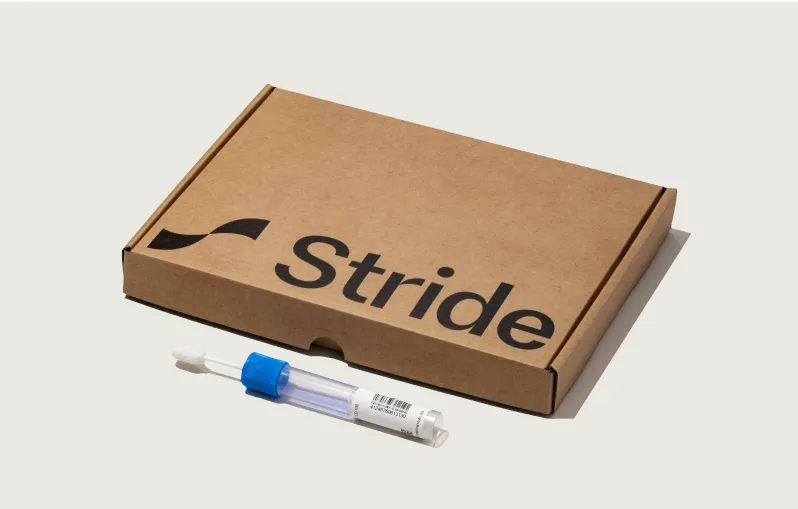






TRHR Gene Test (Thyrotropin-Releasing Hormone Receptor, Thyroid Regulation & Metabolism)
The TRHR gene test analyses DNA for variants in the thyrotropin-releasing hormone receptor gene that influence how sensitively your pituitary responds to TRH signals from the hypothalamus. Understanding your TRHR status adds genetic context to thyroid-stimulating hormone (TSH) release, thyroid hormone production, and the broader hypothalamic-pituitary-thyroid (HPT) axis that underpins metabolism, energy, growth and temperature control.
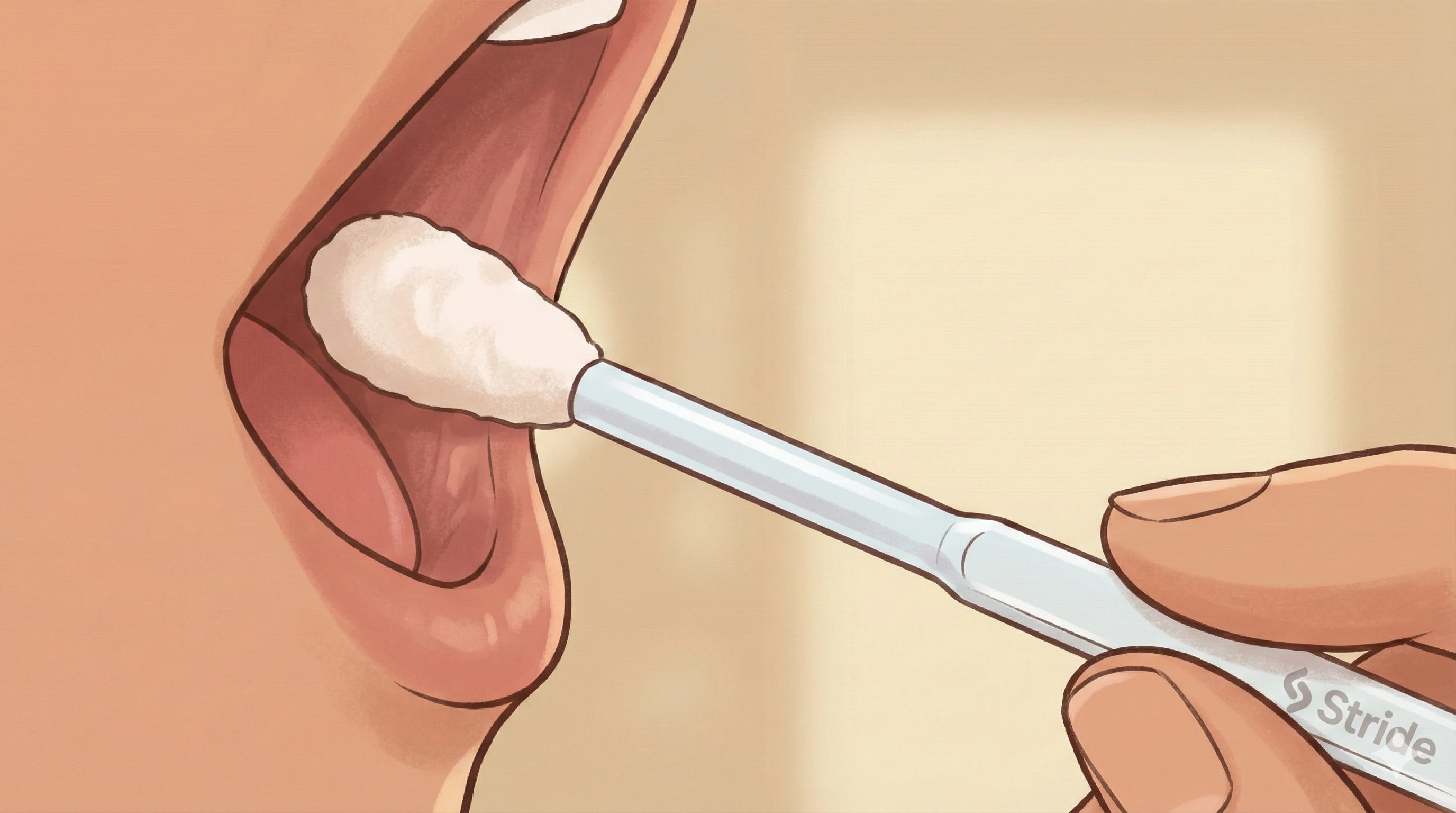

Sample type
Cheek swab, Blood sample

Collection
At-home

Often paired with
TSH, free T4, free T3, thyroid antibodies (TPO, Tg), lipid profile, fasting glucose and HbA1c, body composition, resting metabolic rate or energy assessments, other thyroid-related genes and deiodinase markers

Fasting required
Not required for DNA testing; follow clinical guidance for any accompanying blood tests
Key benefits of testing TRHR
- Identify whether you carry TRHR variants that affect receptor function and sensitivity to TRH, including rare changes associated with generalised TRH resistance and altered pituitary hormone release.
- Help explain why TSH and thyroid hormone levels sit at the higher or lower end of the reference range, or behave differently to expected in the context of symptoms and treatment.
- Inform personalised strategies around monitoring thyroid function, interpreting TSH "set points," and adjusting lifestyle and treatment choices that support stable thyroid balance.
- Provide context for energy, weight, mood and temperature regulation within the HPT axis, alongside thyroid antibodies and other endocrine markers.
- Clarify your baseline TRH receptor biology so that long‑term metabolic, performance and healthy‑ageing plans can be grounded in your physiology rather than population averages.
What is the TRHR gene?
TRHR encodes the thyrotropin‑releasing hormone receptor, a G protein‑coupled receptor located predominantly on thyrotrope cells in the anterior pituitary. When thyrotropin‑releasing hormone (TRH) from the hypothalamus binds to TRHR, it activates intracellular signalling cascades that lead to synthesis and secretion of TSH into the bloodstream.
TRHR also contributes to prolactin release and is expressed in parts of the central nervous system and peripheral tissues, suggesting wider neuromodulatory and neuroendocrine roles. Mutations in TRHR have been linked to generalised TRH resistance, with impaired TSH and prolactin responses despite normal or raised TRH, resulting in altered thyroid function profiles.
What does TRHR do?
TRHR sits at the top of the HPT axis on the pituitary side of the hypothalamus--pituitary connection. When TRH binds to TRHR, the receptor couples to Gq/11 proteins and activates phospholipase C. This increases inositol triphosphate and diacylglycerol, raises intracellular calcium, and activates protein kinase C in thyrotrope cells. The net effect is increased TSH synthesis and exocytosis.
TSH then stimulates the thyroid gland to produce thyroid hormones T4 and T3, which circulate to tissues and regulate metabolism, growth, thermogenesis, cardiovascular function and brain activity. Thyroid hormones exert negative feedback on both TRH and TSH production, fine‑tuning TRHR expression and HPT axis tone. TRHR polymorphisms can subtly influence how this loop is set and how robustly TSH responds to TRH under stress, illness or treatment.
Why is TRHR important for health?
TRHR contributes to three interconnected systems: thyroid hormone regulation, systemic metabolic balance, and neuroendocrine adaptation to stress and environment. By shaping TSH responses to TRH, TRHR influences the "set point" around which thyroid hormones are regulated for a given individual.
Disruption in TRHR can contribute to congenital hypothyroidism or atypical thyroid profiles with altered sensitivity to TRH, affecting growth, development and metabolism if not recognised. Even within the general population, subtle TRHR variation may help explain individual differences in TSH range, metabolic rate, weight regulation and how people feel at different points within the reference range. Together with thyroid autoimmunity, deiodinase activity and thyroid receptor function, TRHR helps determine how the thyroid axis behaves across life.
TRHR vs TSH and thyroid hormone blood tests: what is the difference?
It is easy to assume that TRHR genotyping and TSH or T4 blood tests capture the same information, but they operate at different levels. TRHR genotyping looks at your inherited blueprint for TRH receptor structure and signalling. It does not tell you your current thyroid hormone levels but helps explain underlying sensitivity and potential for TRH resistance or altered set points.
TSH, free T4 and free T3 blood tests show how the thyroid axis is functioning now, under the combined influence of genes, autoimmunity, nutrient status, medications, stress, body weight and illness. You can have a TRHR pattern that shifts signalling but maintain normal TSH and T4 with appropriate feedback, and you can develop hypothyroidism or hyperthyroidism without any TRHR variant if autoimmunity or thyroid pathology is present. Genetics and blood tests together give a more complete view of cause, compensation and current state.
What factors modify the effects of TRHR variants?
The influence of TRHR variants is shaped by hypothalamic TRH production, thyroid gland health and multiple lifestyle and environmental factors. Several modifiable factors can buffer or amplify any underlying receptor differences.
- Iodine and key nutrient status: Adequate iodine, selenium, iron and zinc are essential for thyroid hormone synthesis and activation. Deficiencies can drive TSH up and strain the HPT axis independent of TRHR genotype.
- Thyroid autoimmunity: Hashimoto's thyroiditis and Graves' disease dominate thyroid risk in many populations and can overshadow modest TRHR effects, though receptor differences may shape symptom patterns and responses.
- Medications and endocrine disruptors: Amiodarone, lithium, glucocorticoids, some psychiatric medications and environmental chemicals alter thyroid function or TSH. These can interact with TRHR‑related sensitivity.
- Illness, stress and sleep: Non‑thyroidal illness, chronic stress and poor sleep change hypothalamic signalling, TRH release and peripheral hormone conversion, modifying how TRHR‑mediated signals are translated into TSH output.
- Body composition and metabolic health: Obesity and significant weight loss each influence TSH and thyroid hormone dynamics through leptin and other signals, potentially interacting with TRHR‑related differences in pituitary responsiveness.
Can you have TRHR variants without symptoms?
Yes. Many individuals with TRHR variants will never notice specific thyroid‑related symptoms attributable solely to this gene. When the rest of the axis is healthy and environmental stressors are manageable, feedback mechanisms often maintain TSH and thyroid hormone levels within the reference range.
Symptoms such as fatigue, weight changes, cold intolerance or mood shifts typically arise when TRHR variation interacts with other factors, such as iodine deficiency, autoimmunity, chronic stress, illness or medications. In rare cases of generalised TRH resistance, more distinct patterns of altered TSH and prolactin responses can occur and usually require specialist assessment.
TRHR genotypes: how do common variants differ?
TRHR genotypes mainly differ in coding and regulatory variants that affect receptor structure, trafficking and coupling to intracellular signalling. Most common variants in the general population have modest effects, while rare pathogenic mutations can significantly impair TRH signalling.
- Loss‑of‑function and resistance variants: Rare TRHR mutations reduce receptor function and can lead to generalised TRH resistance, with blunted TSH and prolactin responses despite normal or high TRH. This may present as central hypothyroidism‑like patterns or atypical thyroid profiles.
- Regulatory and intronic variants: Polymorphisms in regulatory regions can fine‑tune TRHR expression and may subtly adjust TSH responsiveness and set point, although their individual impact is smaller and often context‑dependent.
- Combined HPT‑axis profiles: TRHR variants act alongside TRH production, thyroid gland genes, deiodinases and thyroid hormone receptors, so joint interpretation is more informative than focusing on TRHR in isolation.
How do I prepare for a TRHR test?
For DNA‑based TRHR testing, preparation is straightforward because genotype does not change with diet, medications or current thyroid status. The key step is clarifying whether you are testing in the context of thyroid symptoms, known thyroid disease, or a broader metabolic and longevity plan.
Cheek swab, saliva or blood‑based TRHR genotyping does not require fasting. If you are also having TSH, free T4, free T3, thyroid antibodies or metabolic blood tests, follow the guidance for those, which often include a morning draw, consistency in timing relative to thyroid medication, and sometimes fasting for metabolic panels.
Do I need a TRHR test?
A TRHR test is most helpful when the result will change how you interpret thyroid results or manage long‑term metabolic health, rather than as a curiosity. It becomes particularly informative when combined with thyroid function tests, symptoms and clinical history.
- Unexplained thyroid profiles or symptoms: If TSH and thyroid hormones do not align with symptoms or expected treatment responses, TRHR and other HPT‑axis genes can add useful context.
- Family history of thyroid or pituitary issues: In families with unusual thyroid patterns, central hypothyroidism or other pituitary‑thyroid axis concerns, TRHR may be part of a targeted genetic workup.
- Complex metabolic or weight‑regulation challenges: For individuals with persistent weight or energy issues where thyroid function is borderline or variable, TRHR can help frame the set point of the axis within a broader plan.
- Comprehensive performance and longevity planning: In high‑resolution health optimisation programmes, TRHR sits alongside other thyroid and metabolic genes as part of understanding your hormonal landscape.
Stride tests that include TRHR


Health Tests
Core DNA Methylation Test
5 reports: Methylation profile reports
From $229 $183.20
FAQs
What is the TRHR gene test?
The TRHR gene test analyses your DNA from blood or saliva to look for variants in the thyrotropin‑releasing hormone receptor gene that influence how your pituitary responds to TRH, with downstream effects on TSH release, thyroid hormone production and overall thyroid axis regulation.
What does a TRHR variant mean?
Rare TRHR mutations can cause generalised TRH resistance with altered TSH and prolactin responses, while more common variants may subtly shift receptor expression or signalling. In practice, they can influence where your thyroid set point sits and how the axis responds under stress, illness or treatment.
Do TRHR variants always cause thyroid problems?
No. Many people with TRHR variants never develop clinically significant thyroid disease, especially if iodine and key nutrients are adequate and there is no major autoimmunity or thyroid damage. Thyroid disorders also commonly arise in people without known TRHR variants when other risk factors dominate.
Is TRHR testing used to diagnose thyroid disease?
TRHR testing is not a stand‑alone diagnostic test for hypothyroidism or hyperthyroidism. Diagnosis relies on symptoms, TSH, free T4, free T3, antibodies and sometimes imaging. TRHR is a trait and risk marker that adds context when thyroid results or responses are atypical or when central thyroid axis issues are suspected.
Do I need a TRHR test?
You might consider a TRHR test if you have unexplained or inconsistent thyroid results, a family history suggesting central thyroid axis issues, complex metabolic or weight‑regulation challenges with borderline thyroid tests, or if you are building a comprehensive performance and longevity plan where fine‑tuning thyroid regulation is a priority.
How can I optimise my thyroid and metabolic health if I carry TRHR variants?
Rather than trying to change the gene, focus on adequate iodine and key micronutrients, maintaining a healthy body composition, following a stable, nutrient‑dense diet, exercising regularly with good recovery, protecting sleep and stress balance, working with clinicians to optimise thyroid testing and treatment if needed, and tracking thyroid and metabolic markers over time so you can see how consistent, targeted changes reshape your energy, weight and long‑term risk.