
Menu
-
Shop All
Contact
hey@getstride.com
Stride Health Group
Stride Health Group Ltd
Company No 05158025
Lamas Road
Badersfield
Norwich
England
NR10 5FB
UK
Extra 10% Off | Enter code GIFT at checkout






Transferrin Saturation Blood Test
Transferrin saturation is an iron study that shows what percentage of your main iron transport protein, transferrin, is filled with iron. It helps clarify whether your body has enough available iron for red blood cell production and can flag both iron deficiency and iron overload, especially when interpreted alongside ferritin and other iron markers.
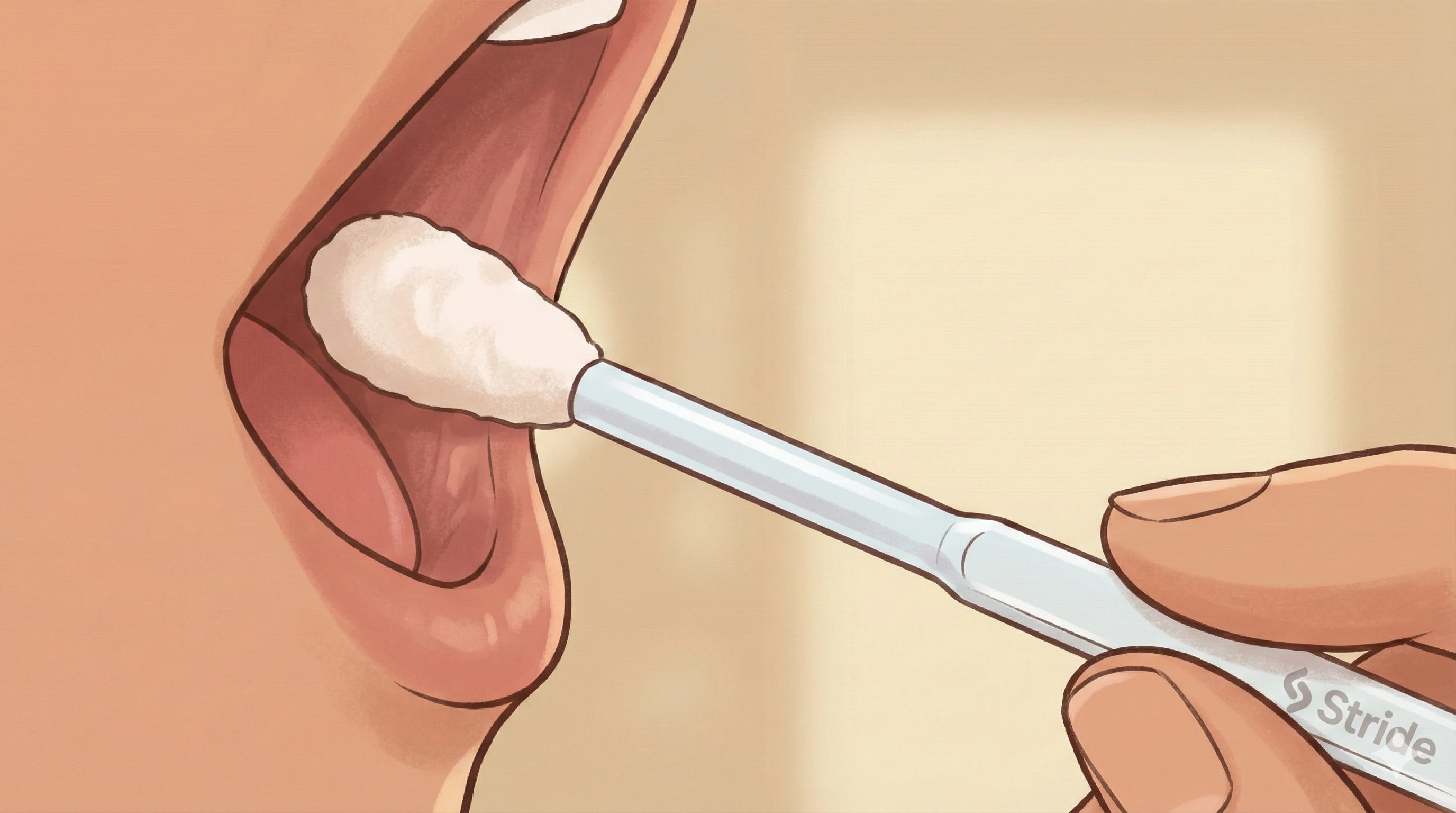

Sample type
Blood sample

Collection
At-home

Often paired with
Serum iron, transferrin, total iron binding capacity TIBC, ferritin, full blood count, vitamin B12, folate, CRP, liver function tests

Fasting required
1
Key benefits of testing transferrin saturation
A transferrin saturation blood test can help you:
- Assess how much of your iron carrying capacity is actually being used, rather than just how much iron is stored.
- Detect iron deficiency or low iron availability, especially when ferritin is borderline or affected by inflammation.
- Support diagnosis of iron overload conditions such as hereditary haemochromatosis when saturation is high.
- Distinguish between true iron deficiency and anaemia of chronic disease when other results are mixed.
- Monitor response to iron therapy and guide how long to continue treatment.
What is transferrin saturation
Transferrin is a protein made by the liver that binds iron in the blood and delivers it safely to tissues such as the bone marrow, liver, and muscles. Almost all circulating iron is carried on transferrin.
Transferrin saturation is a calculated value that expresses how much of the available binding capacity is filled with iron. It is usually worked out as:
Transferrin saturation (TSAT) = (Serum iron ÷ TIBC) × 100
TIBC total iron binding capacity reflects the total amount of iron that transferrin can bind. Putting serum iron and TIBC together into a saturation percentage gives a practical sense of how "loaded" your iron transport system is.
What does transferrin saturation do
Transferrin saturation does not change your biology but provides a functional snapshot of iron transport:
- A low saturation means that only a small proportion of transferrin is carrying iron, suggesting limited iron availability for red blood cell production and other needs.
- A high saturation means that a large share of transferrin is filled with iron, which can occur when iron stores are high or when regulation of iron absorption is disrupted.
Clinically, transferrin saturation is particularly useful to:
- Support the diagnosis of iron deficiency when saturation is low, usually below around 20 percent.
- Suggest iron overload when saturation is persistently high, often above around 45 to 50 percent, especially when ferritin is also raised.
Why is transferrin saturation important for iron and metabolic health
Iron balance is about having enough iron to support oxygen transport and metabolism, without accumulating excess that can damage organs. Transferrin saturation helps here because:
- It reflects iron that is actively being transported to tissues, rather than just stored.
- Low saturation signals that bone marrow may not be receiving enough iron to produce healthy red blood cells, even if ferritin is inconclusive.
- High saturation is often one of the earliest laboratory signs of hereditary haemochromatosis and other iron overload states, sometimes before symptoms appear.
Together with ferritin, full blood count, and other iron markers, transferrin saturation supports a more precise and timely understanding of your iron status than any single test alone.
Transferrin saturation vs ferritin vs serum iron vs TIBC: what is the difference
These tests describe different aspects of iron biology.
- Serum iron measures the amount of iron circulating in the blood at the time of the test.
- TIBC total iron binding capacity reflects how much iron could be bound by transferrin and other proteins, and is often a proxy for transferrin concentration.
- Transferrin saturation combines serum iron and TIBC into a percentage that shows how much of the transport capacity is being used.
- Ferritin reflects iron stores in tissues and is usually the best single marker of stored iron.
Typical patterns include:
- Iron deficiency or low iron availability: low transferrin saturation, low or borderline ferritin, high or high normal TIBC.
- Anaemia of chronic disease: low transferrin saturation, normal or high ferritin, low or normal TIBC.
- Iron overload: high transferrin saturation, high ferritin, low or normal TIBC.
What factors affect transferrin saturation
Transferrin saturation depends on both serum iron and TIBC, so anything that changes iron levels or transferrin will influence it.
1. Iron intake, absorption, and stores
- Low iron intake, malabsorption, or chronic blood loss can lower serum iron and, over time, ferritin, reducing saturation.
- High iron intake, repeated transfusions, or iron loading conditions can raise serum iron and saturation.
2. Inflammation and chronic disease
- Inflammatory signals often reduce serum iron and can lower transferrin saturation, even when ferritin is normal or high.
- This can create "functional" iron deficiency, where iron is present but not readily available to tissues.
3. Liver function and nutrition
- The liver produces transferrin. Liver disease or severe malnutrition can reduce transferrin and change TIBC, which will affect saturation.
- In these settings, ferritin and transferrin saturation must be interpreted carefully together.
4. Hormones and chronic conditions
- Chronic kidney disease, heart failure, and inflammatory diseases often show low transferrin saturation even when ferritin is not very low.
- Transferrin saturation is commonly used to guide iron therapy in these contexts.
5. Time of day and recent meals
- Serum iron and therefore transferrin saturation are higher in the morning and can be influenced by recent iron rich meals.
- A morning, fasting sample helps reduce variability.
Can transferrin saturation be low if ferritin is normal
Yes. This pattern is particularly important.
You can have:
- Normal or mildly reduced ferritin, especially in inflammatory states.
- Low transferrin saturation, indicating that little iron is available to transferrin and tissues at that moment.
This can reflect:
- Early or mild iron deficiency where stores are beginning to fall.
- Functional iron deficiency, where iron is "locked away" in stores due to inflammation and cannot be fully used for red blood cell production.
In these situations, transferrin saturation adds valuable information on top of ferritin and can influence decisions on iron therapy.
Normal vs low vs high transferrin saturation: what is the difference
Reference ranges vary slightly between laboratories, but commonly:
- A normal transferrin saturation range in adults is around 20 to 50 percent.
- Values below about 20 percent are generally considered low and suggest reduced iron availability.
- Values persistently above about 45 to 50 percent raise concern for iron overload, particularly hereditary haemochromatosis, and often prompt further evaluation.
The ideal target for transferrin saturation depends on context. For example:
- In people without significant illness, keeping saturation in the normal range is usually sufficient.
- In chronic kidney disease or heart failure, some guidelines use a transferrin saturation of at least around 20 percent as one of the targets to ensure adequate iron for red blood cell production.
Do I need to fast for a transferrin saturation blood test
Fasting is usually recommended for transferrin saturation because:
- Serum iron fluctuates with meals and during the day, which can change the calculated saturation.
- A morning, fasting sample makes results more consistent and easier to interpret and compare over time.
If you are asked to fast, you will typically avoid food and drink except water for 8 to 12 hours before the test and may be advised not to take iron supplements that morning.
How can transferrin saturation be improved or lowered clinician guided
Improving or lowering transferrin saturation depends on whether it is too low, too high, or being used as a treatment target.
For low transferrin saturation due to iron deficiency or low availability, clinician guided strategies may include:
- Increasing iron rich foods and pairing them with vitamin C sources to enhance absorption.
- Using oral iron supplements in a suitable dose and form to rebuild iron stores and raise saturation.
- Considering intravenous iron in selected cases where oral iron is not tolerated, not absorbed, or insufficient.
- Investigating and addressing sources of chronic blood loss or inflammation.
For high transferrin saturation suggesting iron overload, strategies may include:
- Evaluating for hereditary haemochromatosis and other iron loading conditions, and considering genetic testing.
- Reducing iron intake and alcohol, and managing liver and metabolic health.
- Using venesection therapeutic blood removal in appropriate cases to reduce iron and saturation.
Regular monitoring of transferrin saturation, ferritin, and full blood count helps tailor treatment to maintain a healthy range over time.
Stride tests that include Transferrin Saturation
FAQs
What is the transferrin saturation blood test
The transferrin saturation blood test shows what percentage of your iron transport protein transferrin is filled with iron. It is calculated from serum iron and TIBC and helps assess whether you have enough available iron for healthy red blood cell production or signs of iron overload.
What is a normal transferrin saturation level
Typical adult reference ranges for transferrin saturation are around 20 to 50 percent. Levels below about 20 percent are usually considered low and may indicate low iron availability, while levels persistently above about 45 to 50 percent raise suspicion for iron overload conditions.
What is an optimal transferrin saturation level for health
Optimal transferrin saturation lies in a range where iron is readily available for red blood cell production but not so high that it raises concerns about iron overload. For many people this is between about 20 and 45 percent, but the exact target depends on your health, coexisting conditions, and treatment goals, and should be agreed with your clinician.
Is transferrin saturation better than ferritin for checking iron
Transferrin saturation and ferritin answer different parts of the same question. Ferritin reflects stored iron, while transferrin saturation reflects iron available in transport. Used together, they provide a clearer view of iron deficiency, functional iron deficiency, and iron overload than either alone.
Can transferrin saturation be low even if my ferritin is normal
Yes. Transferrin saturation can be low when ferritin is normal or slightly raised, especially in inflammatory conditions or early iron deficiency. This pattern suggests that iron is not sufficiently available to transferrin and tissues, and can still contribute to symptoms and anaemia even when ferritin appears acceptable.
Do I need transferrin saturation testing
You may benefit from a transferrin saturation test if you have unexplained fatigue, anaemia, or restless legs, if your ferritin results are confusing or influenced by inflammation, if there is a family history of haemochromatosis, or if you are receiving iron therapy and need to know whether iron is adequately available or becoming excessive.
Do I need to fast for a transferrin saturation test
A fasting morning sample is usually recommended for transferrin saturation because serum iron varies with meals and time of day, which can change the calculated percentage. If fasting is requested, you will avoid food and drink except water for a set period and usually skip your morning iron supplement until after the test.
How can I improve my transferrin saturation results
If your transferrin saturation is low due to iron deficiency, you can support improvement by increasing iron rich foods, pairing them with vitamin C, using appropriate iron supplements under guidance, and investigating any blood loss or absorption issues. If your saturation is high, management focuses on assessing for iron overload and using tailored strategies such as venesection and dietary adjustments to safely lower iron and protect your organs.
Do I need a transferrin saturation test
If you want a precise view of how much iron is actually available to your tissues, beyond what ferritin alone can show, or you are managing iron deficiency, anaemia of chronic disease, or suspected iron overload, discussing a transferrin saturation test with your clinician is a sensible step. Within StrideOne, transferrin saturation sits alongside full iron studies and hundreds of other biomarkers, helping you see exactly how iron availability fits into your energy, performance, and long term health strategy.