
Menu
-
Shop All
Contact
hey@getstride.com
Stride Health Group
Stride Health Group Ltd
Company No 05158025
Lamas Road
Badersfield
Norwich
England
NR10 5FB
UK
Extra 10% Off | Enter code GIFT at checkout


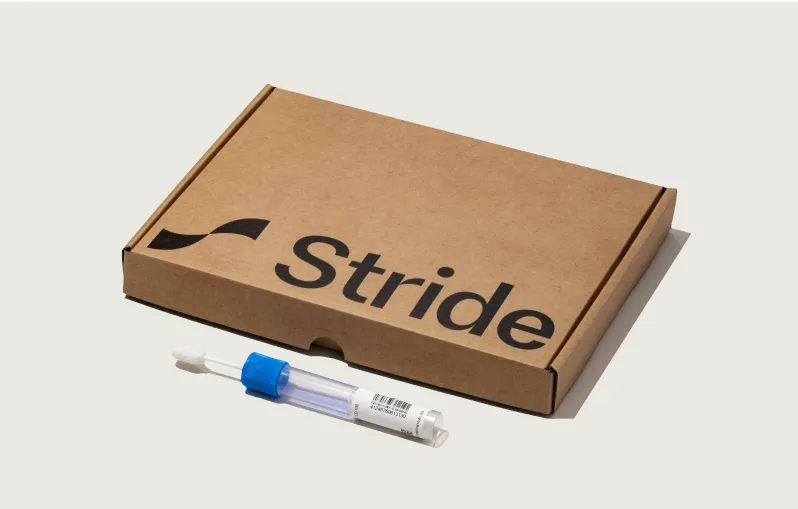




Total Cholesterol Blood Test
Total cholesterol is a blood marker that reflects the overall amount of cholesterol carried in your bloodstream across all lipoproteins. It is one of the simplest starting points for assessing cardiovascular risk, but it becomes much more powerful when interpreted alongside LDL, HDL, Non HDL cholesterol, ApoB, triglycerides, and other cardiometabolic markers.
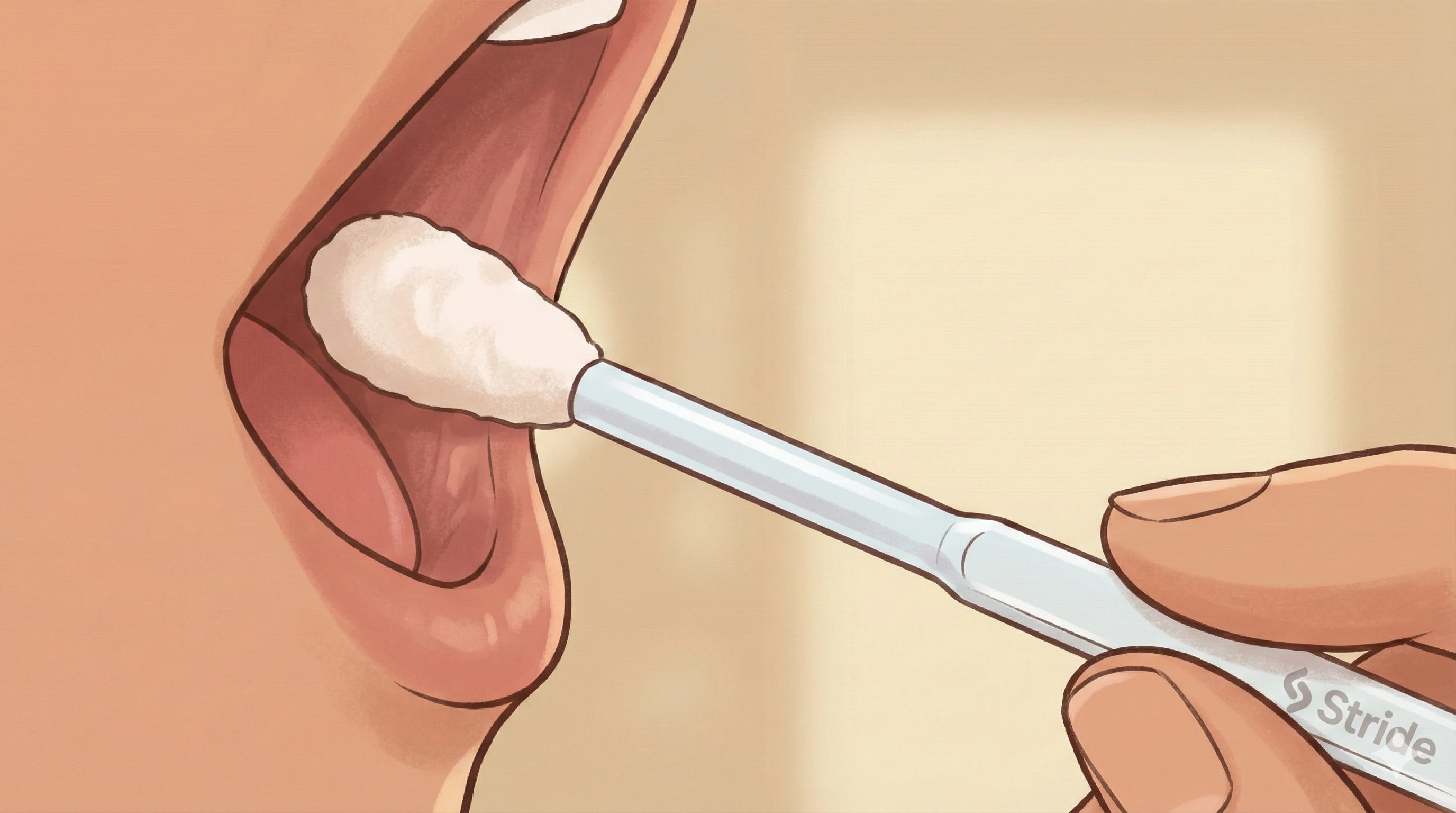

Sample type
Blood sample

Collection
At-home

Often paired with
LDL cholesterol, HDL cholesterol, Non HDL cholesterol, triglycerides, ApoB, ApoA1, ApoB/A1 Ratio, Lp(a), hsCRP, HbA1c

Fasting required
1
Key benefits of testing total cholesterol
A total cholesterol blood test can help you:
- Get a quick overview of your cholesterol load as a starting point for heart risk assessment.
- Flag clearly high or very high cholesterol levels that require more detailed follow up.
- Provide context for more specific markers such as LDL, HDL, Non HDL cholesterol, and ApoB.
- Track how your cholesterol profile responds over time to lifestyle changes and lipid lowering therapies.
- Support personalised decisions around prevention and treatment when combined with other cardiometabolic markers.
What is total cholesterol
Cholesterol is a waxy, fat like substance that your body uses to build cell membranes, synthesise hormones, and produce vitamin D and bile acids. Because cholesterol does not mix with water, it travels in the bloodstream inside lipoprotein particles.
Total cholesterol measures the combined cholesterol content of these particles, usually including:
- LDL low density lipoprotein
- HDL high density lipoprotein
- VLDL very low density lipoprotein and remnant particles
In practice, total cholesterol is often calculated or reported as the sum of LDL cholesterol, HDL cholesterol, and a portion of triglycerides converted into a cholesterol equivalent. It gives a broad snapshot of how much cholesterol is circulating overall, without distinguishing between protective and potentially harmful fractions.
What does total cholesterol do
Total cholesterol itself is just a measurement, but it reflects how your body is handling cholesterol at a given point in time. In practice, it:
- Provides a simple number that can be trended over time.
- Helps identify when cholesterol is elevated enough that more detailed testing and action are warranted.
- Forms the basis of several ratios, such as total cholesterol to HDL, that offer additional risk insight.
However, total cholesterol alone cannot distinguish whether the elevation is driven more by LDL and other atherogenic particles or by higher HDL. That is why it is best interpreted together with more specific lipid markers.
Why is total cholesterol important for heart health
Cardiovascular risk is closely tied to how many cholesterol rich particles are circulating and how long they expose artery walls to cholesterol over the course of a lifetime. Total cholesterol is important because:
- Higher levels are associated with higher rates of coronary heart disease and stroke at a population level.
- Very high total cholesterol almost always indicates a high burden of atherogenic lipoproteins, particularly LDL and Non HDL cholesterol.
- It remains a widely used marker in screening, risk calculators, and guideline based prevention strategies.
That said, two people with the same total cholesterol can have very different risk:
- One might have high LDL and low HDL.
- The other might have moderate LDL and high HDL.
This is why clinicians increasingly focus on Non HDL cholesterol, ApoB, and lipid ratios in addition to total cholesterol.
Total cholesterol vs LDL vs HDL vs Non HDL: what is the difference
These markers are closely related but highlight different aspects of your lipid profile.
- Total cholesterol is the overall amount of cholesterol in your blood across all lipoproteins.
- LDL cholesterol is the portion carried by LDL particles, which are strongly linked to plaque formation and cardiovascular risk.
- HDL cholesterol is the portion carried by HDL particles, which help remove cholesterol from tissues and support vascular protection.
- Non HDL cholesterol is total cholesterol minus HDL and captures all cholesterol carried by potentially harmful particles, including LDL, VLDL, IDL, and remnant particles.
A more complete picture of risk comes from combining these:
- High total cholesterol with high LDL or Non HDL is more concerning.
- High total cholesterol with high HDL and lower Non HDL may signal a more favourable pattern.
What factors affect total cholesterol levels
Total cholesterol is influenced by genetics, lifestyle, hormones, and broader health. Key factors include:
1. Genetics and inherited lipid patterns
- Family history of high cholesterol or early heart disease often signals a genetic tendency to higher total cholesterol.
- Familial hypercholesterolaemia and related conditions can cause very high LDL and total cholesterol from a young age.
2. Diet and nutrition patterns
- Diets high in saturated fats, trans fats, and certain ultra processed foods can raise LDL and total cholesterol in many people.
- Whole food patterns rich in fibre, plant foods, and unsaturated fats can reduce LDL and help lower total cholesterol.
- Excess calories, especially from refined carbohydrates and sugary drinks, can raise triglycerides and contribute indirectly to total cholesterol.
3. Weight and metabolic health
- Central abdominal obesity and metabolic syndrome often present with an atherogenic lipid pattern that includes high total cholesterol driven by high Non HDL.
- Type 2 diabetes can increase triglycerides and Non HDL cholesterol, sometimes with only modest changes in total cholesterol.
- Improving metabolic health and reducing visceral fat can lower total and Non HDL cholesterol over time.
4. Physical activity and lifestyle
- Regular physical activity helps improve LDL, HDL, and triglycerides, and can reduce total cholesterol.
- Smoking, high alcohol intake, and chronic stress can negatively affect lipids and push total cholesterol higher over time.
5. Hormones and medical conditions
- Hypothyroidism, kidney disease, and liver disease can raise total and LDL cholesterol by altering how lipids are produced and cleared.
- Hormonal changes such as menopause can shift total cholesterol upwards for some individuals.
6. Medications
- Certain medications, including steroids, some diuretics, and antipsychotics, can raise total cholesterol and other lipids.
- Lipid lowering therapies such as statins, ezetimibe, and others are designed to reduce LDL and total cholesterol and are often used when lifestyle alone is not enough.
Can total cholesterol be high if LDL and HDL are normal
Yes. Total cholesterol can appear high even when LDL and HDL are individually within reference ranges, especially if:
- Triglycerides and remnant particles are raised, contributing to total cholesterol.
- HDL is relatively high, increasing total cholesterol but not necessarily raising risk to the same degree as LDL driven elevation.
This is why any raised total cholesterol result should be broken down into its components. Non HDL cholesterol and ApoB offer additional clarity on the truly atherogenic portion.
Normal vs optimal total cholesterol: what is the difference
Labs and guidelines typically provide broad reference ranges for total cholesterol. In many UK and European contexts:
- A total cholesterol below about 5.0 mmol/L is often recommended for healthy adults.
- Levels between about 5.0 and 6.4 mmol/L are considered raised or borderline high.
- Levels above about 6.5 mmol/L are considered high and associated with increased cardiovascular risk.
However:
- These ranges describe population risk and are not the same as personalised optimal targets.
- Someone at high cardiovascular risk might benefit from a total cholesterol well below 5.0 mmol/L, driven mainly by low LDL and Non HDL.
Personalised targets focus more on LDL, Non HDL, and ApoB, with total cholesterol providing supportive context.
Do I need to fast for a total cholesterol test
Total cholesterol can usually be measured accurately without fasting, but fasting may still be recommended when:
- Your clinician wants a full lipid panel that includes triglycerides and calculated LDL.
- This is your first risk assessment, and they want a standardised baseline for future comparisons.
If fasting is requested, you will typically be asked not to eat or drink anything except water for a set period before the blood draw and to follow instructions regarding medications.
How can total cholesterol be lowered clinician guided
Lowering total cholesterol involves improving the balance of your lipoproteins, particularly reducing LDL and Non HDL. Depending on your situation, clinician guided strategies may include:
- Adjusting diet to reduce saturated and trans fats, increase fibre, and emphasise whole plant foods and unsaturated fats.
- Increasing physical activity, combining aerobic exercise with resistance training to support lipid metabolism.
- Supporting healthy weight and waist circumference through sustainable lifestyle changes rather than short term diets.
- Stopping smoking and moderating alcohol intake to improve lipid patterns and vascular health.
- Using lipid lowering medications when appropriate, particularly if total and LDL cholesterol remain high despite lifestyle efforts or if your cardiovascular risk is elevated.
Tracking total cholesterol alongside LDL, Non HDL, ApoB, HDL, triglycerides, and hsCRP over time shows whether your approach is shifting both the overall level and the underlying pattern.
Stride tests that include Total Cholesterol
FAQs
What is the total cholesterol blood test
The total cholesterol blood test measures the overall amount of cholesterol in your blood across all lipoproteins. It is often the first number you see on a lipid panel and provides a broad indication of your cholesterol related heart risk.
What is a normal total cholesterol level
For many adults, a total cholesterol level below about 5.0 mmol/L is recommended, with lower levels generally associated with lower cardiovascular risk. Levels above this are considered raised, particularly when driven by high LDL or Non HDL cholesterol.
What is an optimal total cholesterol level for heart health
Optimal total cholesterol depends on your overall risk profile. People at higher risk, or those with existing cardiovascular disease, often benefit from lower total cholesterol driven mainly by low LDL and Non HDL. Your clinician will help define the right goal based on your individual risk.
Is total cholesterol better than LDL cholesterol
Total cholesterol is useful as a quick overview, but LDL and Non HDL cholesterol usually offer a more precise picture of atherogenic risk. Total cholesterol is most valuable when interpreted alongside these more specific markers and ratios.
Can total cholesterol be high if I live a healthy lifestyle
Yes. Genetics, hormones, and medical conditions such as hypothyroidism can keep total and LDL cholesterol high even when your diet and lifestyle are relatively good. In these cases, fine tuning lifestyle, assessing other risk factors, and, where appropriate, using lipid lowering medication can help move total cholesterol into a safer range.
Do I need total cholesterol testing
Most adults benefit from periodic cholesterol testing as part of cardiovascular risk assessment. Total cholesterol is typically included in a lipid panel that also reports LDL, HDL, Non HDL, and triglycerides. It is particularly important if you have risk factors such as family history of heart disease, high blood pressure, diabetes, kidney disease, or are over a certain age.
Do I need to fast for a total cholesterol test
You may not need to fast for total cholesterol alone, but many clinicians prefer a fasting sample when ordering a full lipid panel for risk assessment. Follow the instructions you are given so that all your lipid results are reliable and comparable over time.
How can I lower my total cholesterol
You can lower total cholesterol by improving diet quality, increasing physical activity, maintaining a healthy waist circumference, stopping smoking, moderating alcohol intake, and using evidence based lipid lowering medications when needed. Retesting total cholesterol and its components over time shows whether these changes are having the desired effect.
Do I need a total cholesterol test
If you want a clear, personalised view of your heart health, discussing a total cholesterol test as part of a comprehensive lipid panel is a practical starting point. Within StrideOne, total cholesterol sits among advanced lipids, apolipoproteins, inflammation, and metabolic markers, helping you see exactly how your choices and genetics are shaping your long term cardiovascular risk.