
Menu
-
Shop All
Contact
hey@getstride.com
Stride Health Group
Stride Health Group Ltd
Company No 05158025
Lamas Road
Badersfield
Norwich
England
NR10 5FB
UK
Extra 10% Off | Enter code GIFT at checkout


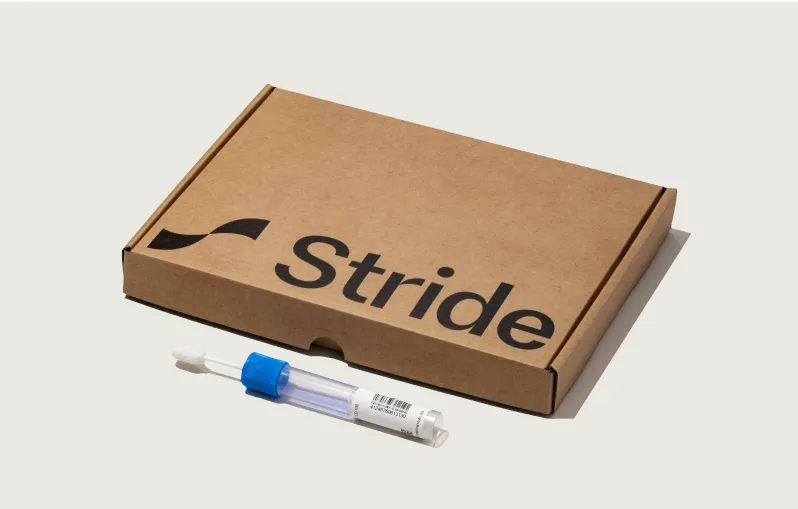






TMPRSS6 Gene Test (Matriptase-2, Iron Regulation)
The TMPRSS6 gene test analyses DNA for variants in the matriptase-2 gene that influence how your body regulates hepcidin and absorbs iron from the gut. Understanding your TMPRSS6 status adds genetic context to iron deficiency, iron deficiency anaemia, and response to oral iron therapy so you can tailor nutrition, supplementation, and monitoring instead of guessing.

Sample type
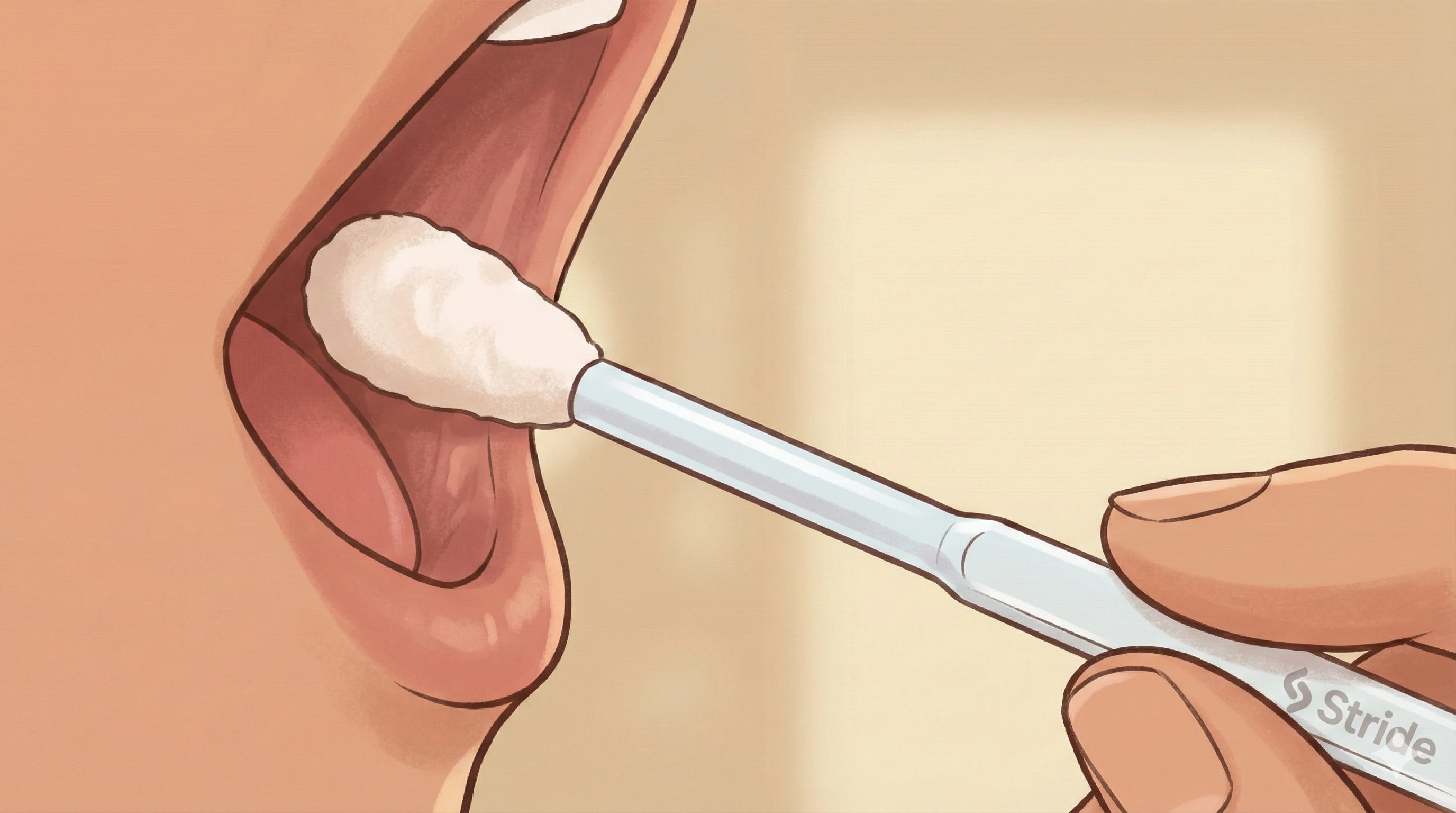
Cheek swab, Blood sample

Collection
At-home

Often paired with
Full iron panel (ferritin, transferrin saturation, serum iron, TIBC), complete blood count, CRP, B12 and folate, coeliac and gastrointestinal workup where indicated, other iron and inflammation genes

Fasting required
Not required for DNA testing; follow clinical guidance for any accompanying blood tests
Key benefits of testing TMPRSS6
- Identify whether you carry TMPRSS6 variants that cause or increase risk for iron-refractory iron deficiency anaemia or more subtle forms of low iron that respond poorly to standard oral iron.
- Help explain chronic or recurrent iron deficiency and microcytic anaemia that persists despite good adherence to oral iron supplements and an apparently adequate diet.
- Inform personalised iron strategies, including when to consider intravenous iron, how intensively to search for secondary causes, and how often to monitor iron status over time.
- Provide context for how strongly your hepcidin pathway may limit iron absorption, and how diet, blood loss, and inflammation interact with your genetics.
- Clarify your baseline iron-regulation profile alongside blood markers and clinical history, so long-term prevention and performance plans can be built around your biology.
What is the TMPRSS6 gene?
TMPRSS6 encodes matriptase‑2, a type II transmembrane serine protease produced primarily in the liver. This enzyme plays a central role in the regulation of hepcidin, the master hormone that controls systemic iron homeostasis.
Matriptase‑2 acts mainly at the hepatocyte cell surface, where it cleaves the co-receptor hemojuvelin, a key component in the bone morphogenetic protein signalling pathway that stimulates hepcidin expression. When matriptase‑2 activity is adequate, it helps keep hepcidin at appropriate levels so that iron absorption and recycling match physiological needs. Loss-of-function mutations in TMPRSS6 cause iron-refractory iron deficiency anaemia.
What does TMPRSS6 do?
TMPRSS6 sits at a critical junction between iron status signals and hepcidin production. When body iron is low, matriptase‑2 limits hemojuvelin-mediated stimulation of hepcidin transcription, allowing hepcidin levels to fall. This reduction in hepcidin opens the gate for increased iron export through ferroportin from intestinal cells and macrophages, and improves dietary iron absorption.
When TMPRSS6 function is impaired, hepcidin levels remain inappropriately normal or high even in the face of iron deficiency. This blocks ferroportin, reduces intestinal iron absorption, traps iron in enterocytes and macrophages, and leads to microcytic, hypochromic anaemia that responds poorly to oral iron. Common polymorphisms with milder effects can shift baseline hepcidin and subtly influence iron status and absorption in otherwise healthy individuals.
Why is TMPRSS6 important for health?
TMPRSS6 contributes to three interconnected systems: iron absorption and recycling, red blood cell production, and broader cardiovascular and performance outcomes. Maintaining iron within a narrow optimal window is essential for oxygen transport, mitochondrial function, cognition, and immune health, while both deficiency and overload carry risks.
Severe loss-of-function TMPRSS6 mutations cause iron-refractory iron deficiency anaemia, a rare inherited condition characterised by lifelong microcytic anaemia, low transferrin saturation, high or inappropriately normal hepcidin, and poor response to oral iron. More common TMPRSS6 variants, such as rs855791, have been associated with lower serum iron, lower transferrin saturation, reduced iron absorption from oral iron, and increased risk of iron deficiency in some populations. For athletes, menstruating individuals, and those planning pregnancy, this makes TMPRSS6 particularly relevant.
TMPRSS6 vs ferritin, iron, and haemoglobin tests: what is the difference?
It is easy to assume that TMPRSS6 testing and iron blood tests tell you the same story, but they capture different layers of your biology. TMPRSS6 genotyping looks at inherited tendencies in hepcidin regulation and iron absorption, whereas ferritin, transferrin saturation, serum iron, and haemoglobin reflect your current iron stores and red blood cell status under your present diet, blood loss, and inflammatory environment.
This distinction matters because you can carry TMPRSS6 variants associated with lower iron absorption and maintain normal ferritin and haemoglobin through iron-aware diet, oversight of blood loss, and appropriate supplementation. Conversely, iron deficiency can occur in people without TMPRSS6 variants due to heavy menstrual bleeding, gastrointestinal blood loss, poor intake, or inflammation. Testing TMPRSS6 adds depth when iron deficiency is unexplained or hard to correct.
What factors modify the effects of TMPRSS6 variants?
The influence of TMPRSS6 variants is shaped by diet, blood loss, inflammation, and life stage much more than by the gene alone, which means you have real leverage to change the trajectory. Several modifiable factors can either buffer genetic effects or amplify them.
- Dietary iron intake and form: Low total iron intake and diets dominated by non-haem iron with few enhancers (such as vitamin C) increase the impact of TMPRSS6 variants that reduce iron absorption. Higher-quality iron sources and absorption enhancers can offset some genetic disadvantage.
- Blood loss and life stage: Heavy menstrual bleeding, pregnancy, repeated blood donation, gastrointestinal bleeding, and endurance sports all increase iron demand or loss. TMPRSS6 variants that limit absorption make these stressors more likely to cause deficiency.
- Inflammation and infection: Chronic inflammation and raised hepcidin from illness, obesity, or autoimmune disease further restrict iron absorption and release. In people with suboptimal TMPRSS6 function, this double hepcidin signal can be especially problematic.
- Concurrent nutrient status: Vitamin C, copper, vitamin A, and B vitamins all contribute to efficient iron use and red blood cell production. Deficiencies in these nutrients compound the consequences of TMPRSS6-related absorption limits.
- Co-existing iron genes: Variants in HFE, TF, TFR2, and other genes involved in iron transport, storage, and sensing combine with TMPRSS6 to shape overall iron balance and risk for deficiency or overload.
- Training load and performance demands: Endurance training increases iron requirements and losses through sweat, gut microbleeds, and haemolysis. For athletes with TMPRSS6 variants, more proactive iron strategies may be needed to avoid performance-limiting deficiency.
Can you have TMPRSS6 variants without symptoms?
Yes. Many people carry TMPRSS6 variants without overt symptoms, especially if iron intake matches their needs and blood loss is modest. Mild predisposition may only emerge as a pattern of "borderline" iron status or a tendency to become iron deficient under stress, such as heavy menstruation, pregnancy, or intensive training.
Even in more marked variants, early iron deficiency may present only as subtle fatigue, reduced exercise capacity, or difficulty concentrating, which can be attributed to busy lifestyles or stress. Overt symptoms like shortness of breath on exertion, paleness, or hair loss tend to appear later and can reflect prolonged deficiency rather than the genetics alone.
TMPRSS6 genotypes: how do common variants differ?
TMPRSS6 genotypes mainly differ in how they influence matriptase‑2 activity, hepcidin regulation, and the ability to upregulate iron absorption when stores are low. Understanding your pattern helps tailor iron strategies rather than treating deficiency as purely random.
- Normal or reference pattern: Individuals without known functional variants have typical TMPRSS6 activity. Iron status still depends heavily on diet, blood loss, and inflammation.
- Common regulatory variants (for example rs855791): These variants are associated with lower serum iron and transferrin saturation, and in some studies with reduced fractional iron absorption from oral iron. Carriers may have an increased tendency toward iron deficiency, especially in high-demand states.
- Loss-of-function and severe missense variants: Biallelic loss-of-function mutations cause iron-refractory iron deficiency anaemia. These patients have high or inappropriately normal hepcidin despite iron deficiency, poor response to oral iron, and usually require intravenous iron and specialist care.
- Compound genotypes with other iron genes: Combinations of TMPRSS6 variants with polymorphisms in HFE, TF, or TFR2 can further refine risk for chronic iron deficiency or, less commonly, contribute to complex iron phenotypes that require specialist interpretation.
How do I prepare for a TMPRSS6 test?
For DNA-based TMPRSS6 testing, preparation is very simple because your genotype does not change with diet, supplementation, or recent illness. The key step is understanding, with your clinician or health team, what question you are trying to answer, such as unexplained recurrent iron deficiency or poor response to oral iron.
Cheek swab, saliva, or blood-based TMPRSS6 genotyping does not require fasting. If TMPRSS6 is bundled with iron studies, complete blood count, or inflammatory markers, you may be asked to test in the morning and, in some cases, to avoid taking iron supplements immediately before the blood draw, so that results reflect your usual baseline.
Do I need a TMPRSS6 test?
A TMPRSS6 test is most useful when the result will change how you approach iron investigations, treatment intensity, or long-term monitoring, rather than as a standalone curiosity. It becomes particularly informative when combined with iron studies, clinical history, and, where relevant, gastrointestinal evaluation.
- Iron deficiency anaemia that does not respond to oral iron: If your iron and haemoglobin stay low despite good adherence, adequate doses, and no obvious bleeding, TMPRSS6 genotyping can help distinguish iron-refractory iron deficiency anaemia or a strong genetic predisposition from other causes.
- Recurrent low ferritin in high-demand groups: Menstruating individuals, athletes, and people planning pregnancy who repeatedly become iron deficient may benefit from TMPRSS6 status to guide how proactive to be with monitoring and supplementation.
- Strong family history of unexplained iron deficiency: Clustering of severe iron deficiency or microcytic anaemia with poor oral iron response in families can prompt evaluation for TMPRSS6 variants and help inform care across generations.
- Building a performance and longevity plan: For individuals investing in comprehensive testing, TMPRSS6 sits alongside other DNA and blood markers to shape personalised strategies for iron, energy, cognitive performance, and healthy ageing.
Stride tests that include TMPRSS6


Health Tests
Core DNA Methylation Test
5 reports: Methylation profile reports
From $229 $183.20
FAQs
What is the TMPRSS6 gene test?
The TMPRSS6 gene test analyses your DNA from blood or saliva to look for variants in the matriptase‑2 gene that regulate hepcidin and iron absorption, and that can increase the risk of iron deficiency or iron-refractory iron deficiency anaemia.
What does a TMPRSS6 variant mean?
Functional TMPRSS6 variants can impair the ability to lower hepcidin when iron is low, which reduces intestinal iron absorption and iron release from stores. Some variants cause severe, inherited iron-refractory iron deficiency anaemia, while others modestly increase susceptibility to low iron.
Do TMPRSS6 variants always cause health problems?
No. Many people with TMPRSS6 polymorphisms maintain healthy iron levels, especially when diet, losses, and inflammation are well managed. Severe biallelic loss-of-function variants, however, do cause iron-refractory iron deficiency anaemia that needs specialist management.
Is TMPRSS6 testing used to diagnose iron-refractory iron deficiency anaemia?
Yes, TMPRSS6 gene analysis is key in confirming iron-refractory iron deficiency anaemia in people with lifelong microcytic anaemia, low iron indices, and poor response to oral iron. It helps distinguish this condition from more common causes of iron deficiency anaemia.
Can TMPRSS6 affect how I should take iron?
Yes. TMPRSS6 status can inform how likely you are to benefit from standard oral iron, how aggressive supplementation needs to be, and when to consider intravenous iron or more frequent monitoring, particularly in high-demand life stages.
Do I need a TMPRSS6 test?
You might consider a TMPRSS6 test if you have recurrent or unexplained iron deficiency, poor response to oral iron despite good adherence, strong family history of unexplained microcytic anaemia, or if you are designing a detailed performance and longevity plan where iron is a key lever.
Do I need to fast for TMPRSS6 testing?
Fasting is not required for DNA-based TMPRSS6 testing. If iron studies or other blood tests are performed at the same time, follow the preparation guidance provided for those tests.
How can I optimise my health if I carry TMPRSS6 variants?
Rather than trying to change the gene, focus on optimising iron intake and timing, monitoring iron status regularly, addressing sources of blood loss, supporting gut health and inflammation, maintaining a nutrient-dense diet and active lifestyle, and working with your clinician to adjust oral or intravenous iron strategies so your haemoglobin, ferritin, and energy levels stay in an optimal range.