
Menu
-
Shop All
Contact
hey@getstride.com
Stride Health Group
Stride Health Group Ltd
Company No 05158025
Lamas Road
Badersfield
Norwich
England
NR10 5FB
UK
Extra 10% Off | Enter code GIFT at checkout





TF Gene Test (Transferrin, Iron Transport & Status)
The TF gene test analyses DNA for variants in the transferrin gene that influence how your body transports iron in the bloodstream and delivers it to tissues. Understanding your TF status adds genetic context to iron binding capacity, iron deficiency, and iron overload risk so you can tailor diet, supplementation, and monitoring rather than guessing.

Sample type
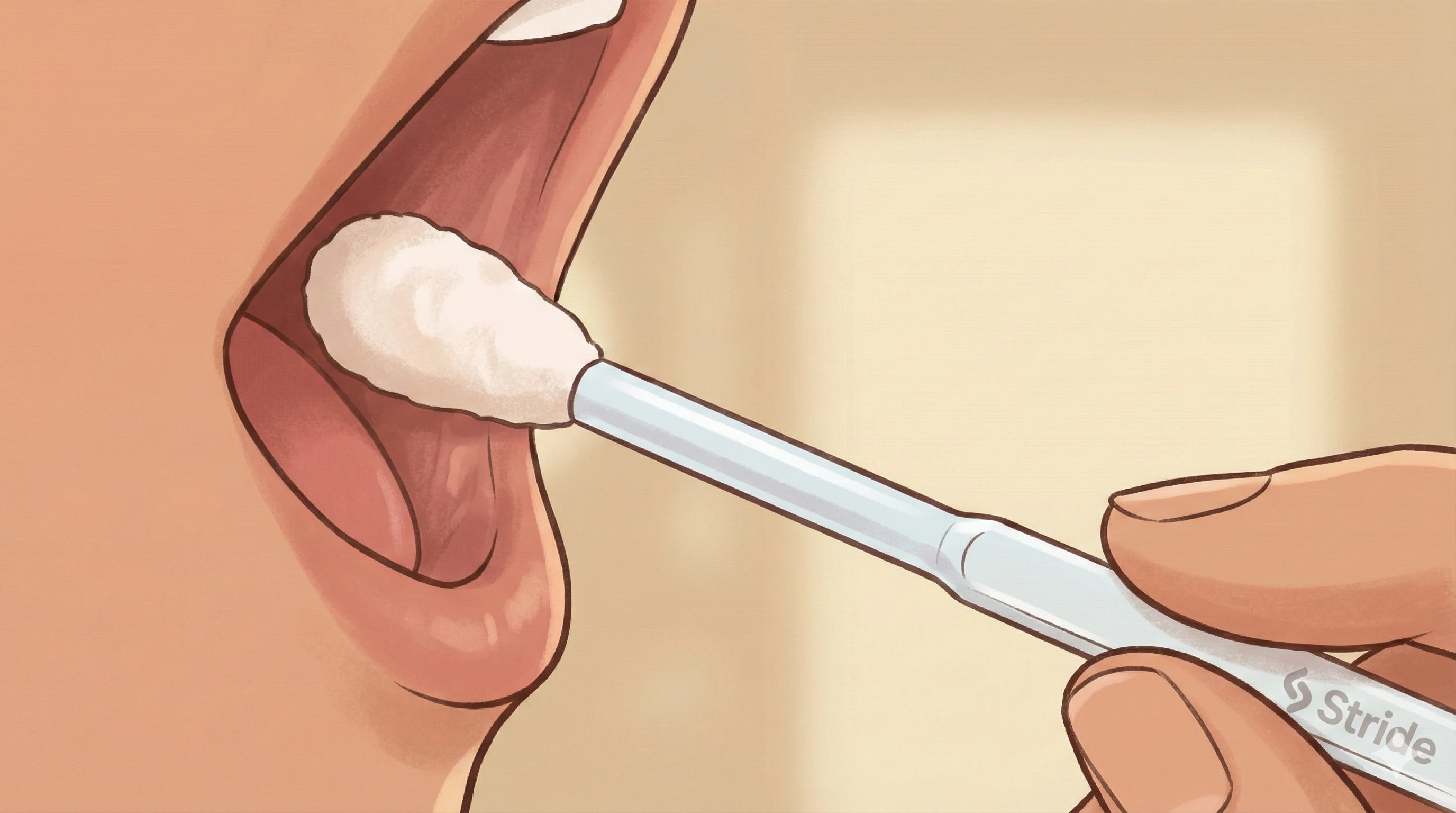
Cheek swab, Blood sample

Collection
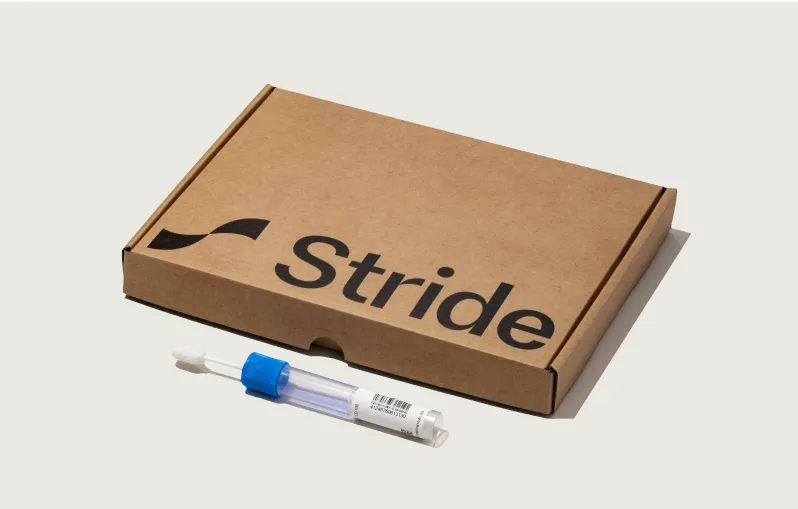
At-home

Often paired with
Full iron panel (serum iron, transferrin, transferrin saturation, ferritin, TIBC), complete blood count, liver enzymes, inflammatory markers, other iron-regulation genes (HFE, TMPRSS6, TFR2)

Fasting required
Not required for DNA testing; follow clinical guidance for any accompanying blood tests
Key benefits of testing TF
- Identify whether you carry TF variants that influence transferrin concentration, total iron binding capacity, and how tightly iron is bound and transported in the blood.
- Help explain patterns such as low transferrin and TIBC, disproportionately high or low transferrin saturation, or a tendency toward iron deficiency or overload that is not fully accounted for by lifestyle or HFE variants.
- Inform personalised strategies for iron intake, use of fortified foods and supplements, and frequency of iron monitoring across life stages.
- Provide context for interpreting transferrin and transferrin saturation results in the setting of inflammation, liver health, or altered protein status.
- Clarify your baseline iron-transport profile alongside iron stores, liver and metabolic markers, so long-term prevention and performance plans can be built around your biology.
What is the TF gene?
TF encodes transferrin, a glycoprotein produced mainly by the liver that circulates in plasma and binds ferric iron. Each transferrin molecule can bind two ferric ions, usually in association with bicarbonate, and transports iron safely through the bloodstream to tissues such as bone marrow, liver, and spleen.
Although transferrin-bound iron represents only a small fraction of total body iron, it forms the most dynamic and tightly regulated iron pool, turning over multiple times per day to meet the demands of red blood cell production and tissue metabolism. Numerous TF polymorphisms exist, some of which alter total iron binding capacity or subtle aspects of iron handling and have been studied as modifiers of iron deficiency and overload risk.
What does TF do?
TF sits at the centre of systemic iron transport. In plasma, transferrin binds ferric iron released from the intestine, macrophages, and hepatocytes, keeping it soluble and non-reactive while delivering it to cells that express transferrin receptors. This tight but reversible binding minimises free iron that could catalyse damaging free radical reactions.
Cells take up iron-loaded transferrin by binding it to transferrin receptors and internalising the complex via receptor-mediated endocytosis. In endosomes, the lower pH triggers iron release from transferrin, after which iron enters cellular pathways for haemoglobin synthesis, mitochondrial function, or storage, and apotransferrin is recycled back to the cell surface and into circulation. Through this cycle, TF helps balance iron supply to the bone marrow and other tissues with iron release from stores.
Why is TF important for health?
TF contributes to three interconnected systems: iron delivery for red blood cell production, protection from iron-related oxidative damage, and overall iron homeostasis. Adequate transferrin ensures that developing red blood cells receive enough iron to make haemoglobin, supporting energy, cognition, and physical performance.
When transferrin levels are low, as in some liver or protein states, or when its binding capacity is reduced, iron delivery can be impaired even if total iron stores are normal. Conversely, high transferrin saturation, especially when combined with genetic iron loading, increases the pool of potentially reactive iron. Certain TF variants have been associated with altered TIBC, modified risk of iron deficiency anaemia, and small shifts in serum iron in different populations, particularly when combined with variants in TMPRSS6 and other iron genes.
TF vs transferrin blood test and TIBC: what is the difference?
It is easy to assume that TF genotyping and transferrin or TIBC blood tests provide the same information, but they answer different questions. TF genotyping looks at inherited changes in the transferrin protein that may influence iron binding capacity or transport and that remain stable across life.
Transferrin concentration, TIBC, and transferrin saturation are dynamic blood markers that reflect current protein production, nutritional status, inflammation, and iron balance. They can fluctuate with illness, liver function, and protein intake. Someone can carry a TF variant associated with lower TIBC yet have near-normal values due to lifestyle and health context, while another person without notable variants can show low TIBC in the setting of chronic illness. Combining genotype and serial blood markers gives a richer view.
What factors modify the effects of TF variants?
The influence of TF variants is strongly shaped by diet, liver health, inflammation, and co-existing iron genes. Several modifiable factors can either buffer genetic effects or amplify them.
- Iron intake and pattern: High haem iron intake and iron-fortified foods can raise transferrin saturation, particularly if binding capacity is reduced or other genes favour iron loading. Lower or more balanced iron intake may better match needs in some TF contexts.
- Protein and liver health: Transferrin is a liver-produced protein. Liver disease, poor protein intake, or catabolic states can lower transferrin levels regardless of genotype, changing TIBC and transferrin saturation in ways that interact with TF variants.
- Inflammation and chronic disease: Inflammatory states reduce transferrin and increase ferritin as part of the acute-phase response. This can mask or modulate the phenotypic expression of TF polymorphisms and complicate interpretation of iron status.
- Co-existing iron genes: Variants in TMPRSS6, HFE, TFR2, and other regulators of iron absorption, sensing, and storage combine with TF to shape overall iron risk. An individual with TF variation and TMPRSS6 variants may be particularly prone to low or borderline iron.
- Menstrual and blood loss patterns: Menstruation, pregnancy, blood donation, and gastrointestinal bleeding change iron requirements and losses. These exposures can unmask or intensify TF-related predispositions to deficiency.
- Overall metabolic and oxidative stress load: Obesity, metabolic syndrome, and oxidative stress can shift iron handling and interact with TF status, particularly when transferrin saturation is high or ferritin is elevated.
Can you have TF variants without symptoms?
Yes. Many people carry TF polymorphisms with no obvious symptoms and normal blood counts, especially if diet, liver health, and overall iron balance are well matched to their needs. These variants more often exert subtle effects visible in population studies rather than causing clear-cut disease on their own.
Even in individuals with TF mutations that reduce TIBC, symptoms usually arise only when combined with additional factors, such as low iron intake, chronic blood loss, or inflammatory conditions. Conversely, high transferrin saturation in someone with iron-loading genes may remain silent for years before liver or joint symptoms appear, underscoring the value of monitoring rather than relying on how you feel.
TF genotypes: how do common variants differ?
TF genotypes mainly differ in how they affect transferrin structure, iron binding, and, in some cases, circulating levels. Understanding your pattern can help tailor iron strategies and interpretation of TIBC and transferrin saturation, rather than treating those markers in isolation.
- Reference or common pattern: Many people have TF alleles that support typical transferrin structure and function. Iron binding capacity and transferrin saturation still vary with diet, inflammation, and other genes.
- Variants that alter TIBC or transferrin levels: Some TF variants, such as those affecting specific amino acids, have been associated with lower total iron binding capacity or changes in transferrin concentration. This can shift how much iron is carried and how saturation responds to intake.
- Polymorphisms linked to iron deficiency or anaemia risk: Specific TF SNPs have been associated with altered risk of iron deficiency anaemia or changes in soluble transferrin receptor in population studies, often in combination with TMPRSS6 and other genes.
- Rare structural variants: Rare TF mutations can change electrophoretic mobility and, in some cases, have functional consequences for iron binding. These are usually interpreted in the context of detailed iron studies and clinical history.
How do I prepare for a TF test?
For DNA-based TF testing, preparation is straightforward because your genotype does not change with diet, supplements, or recent illness. The key step is clarifying how the results will be used, for example to understand patterns of iron deficiency, high transferrin saturation, or to complement broader haemochromatosis or iron workups.
Cheek swab, saliva, or blood-based TF genotyping does not require fasting. If TF testing is combined with iron studies, full blood count, or liver panels, you may be asked to test in the morning and avoid taking iron supplements immediately before the blood draw, so that results reflect your usual baseline rather than an acute post-dose spike.
Do I need a TF test?
A TF test is most helpful when the result will change how you interpret iron markers, screen for risk, or personalise iron-related decisions, rather than as a curiosity. It becomes particularly informative when combined with iron studies and other iron genes.
- Unexplained iron deficiency or low TIBC: If iron deficiency anaemia recurs or TIBC is unexpectedly low relative to clinical context, TF genotyping can add clarity alongside TMPRSS6 and other tests.
- Disproportionately high transferrin saturation: In individuals with high saturation, a tendency toward iron overload, or suspected haemochromatosis, TF variants can refine understanding of how iron transport interacts with other genes.
- Family history of iron disorders: Where there is clustering of iron deficiency, iron overload, or unusual iron markers in a family, TF testing can contribute to a more complete genetic picture.
- Building a detailed performance and longevity plan: For people investing in comprehensive health optimisation, TF joins TMPRSS6, TFR2, HFE, and iron biomarkers to shape long-term strategies for avoiding both iron deficiency and excess.
Stride tests that include TF


Health Tests
Core DNA Methylation Test
5 reports: Methylation profile reports
From $229 $183.20
FAQs
What is the TF gene test?
The TF gene test analyses your DNA from blood or saliva to look for variants in the transferrin gene that influence how iron is bound and transported in your bloodstream, which can affect iron deficiency and overload risk.
What does a TF variant mean?
Some TF variants can alter transferrin levels or total iron binding capacity and slightly shift serum iron, transferrin saturation, or soluble transferrin receptor. On their own they usually have modest effects but can modify risk and lab patterns when combined with other factors.
Do TF variants always cause health problems?
No. Many people with TF polymorphisms never develop iron disorders, particularly if diet, liver health, and overall iron balance are well managed. Clinical issues usually arise when variants interact with other genes, high or low iron exposure, blood loss, or chronic disease.
Is TF testing used to diagnose iron disorders?
TF testing is not a standalone diagnostic for iron deficiency or haemochromatosis, but it can add useful context when iron studies are atypical, when there is a strong family history, or when you are interpreting transferrin and TIBC alongside other iron genes. Diagnosis still relies on blood tests, imaging, and clinical assessment.
Can TF affect how I should manage iron intake?
Yes. Knowing your TF status can guide how closely to monitor iron, how you interpret transferrin and TIBC, and how cautious you should be with high-iron diets and supplements, especially if other iron genes or labs suggest higher risk.
Do I need a TF test?
You might consider a TF test if you have recurrent or unexplained iron deficiency or unusual iron markers, a family history of iron disorders, or if you are building a detailed performance and longevity plan where fine-tuning iron and transferrin is a key lever.
Do I need to fast for TF testing?
Fasting is not required for DNA-based TF testing. If iron studies or other blood tests are done at the same time, follow the preparation guidance provided for those tests.
How can I optimise my health if I carry TF variants?
Rather than trying to change the gene, focus on matching iron intake to your needs, monitoring iron markers regularly, supporting liver and protein nutrition, limiting excessive alcohol, managing inflammation and metabolic health, and working with your clinician on donation or supplementation strategies so your iron levels, energy, and organ health stay in an optimal range.