
Menu
-
Shop All
Contact
hey@getstride.com
Stride Health Group
Stride Health Group Ltd
Company No 05158025
Lamas Road
Badersfield
Norwich
England
NR10 5FB
UK
Extra 10% Off | Enter code GIFT at checkout


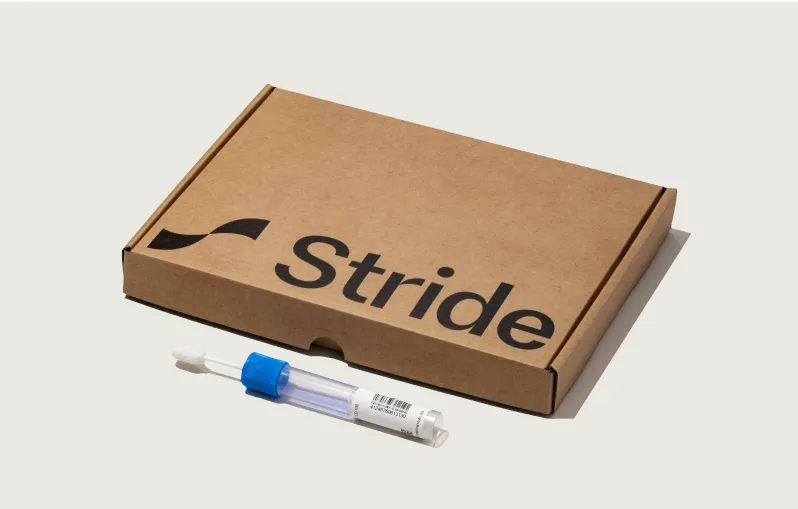




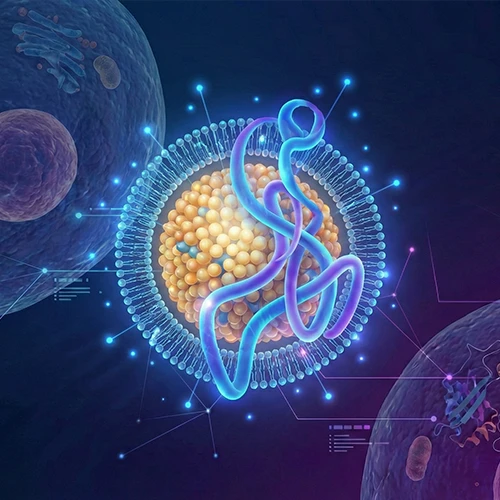

TCN2 Gene Test (Transcobalamin 2)
The TCN2 gene test analyses DNA for variants in transcobalamin 2, the main transport protein that carries vitamin B12 from the gut and bloodstream into cells where it supports methylation, DNA synthesis, and energy production. Understanding your TCN2 status adds genetic context to vitamin B12 delivery, homocysteine balance, and methylation resilience so you can personalise B12 intake, testing, and long term prevention strategies rather than relying on population averages.

Sample type
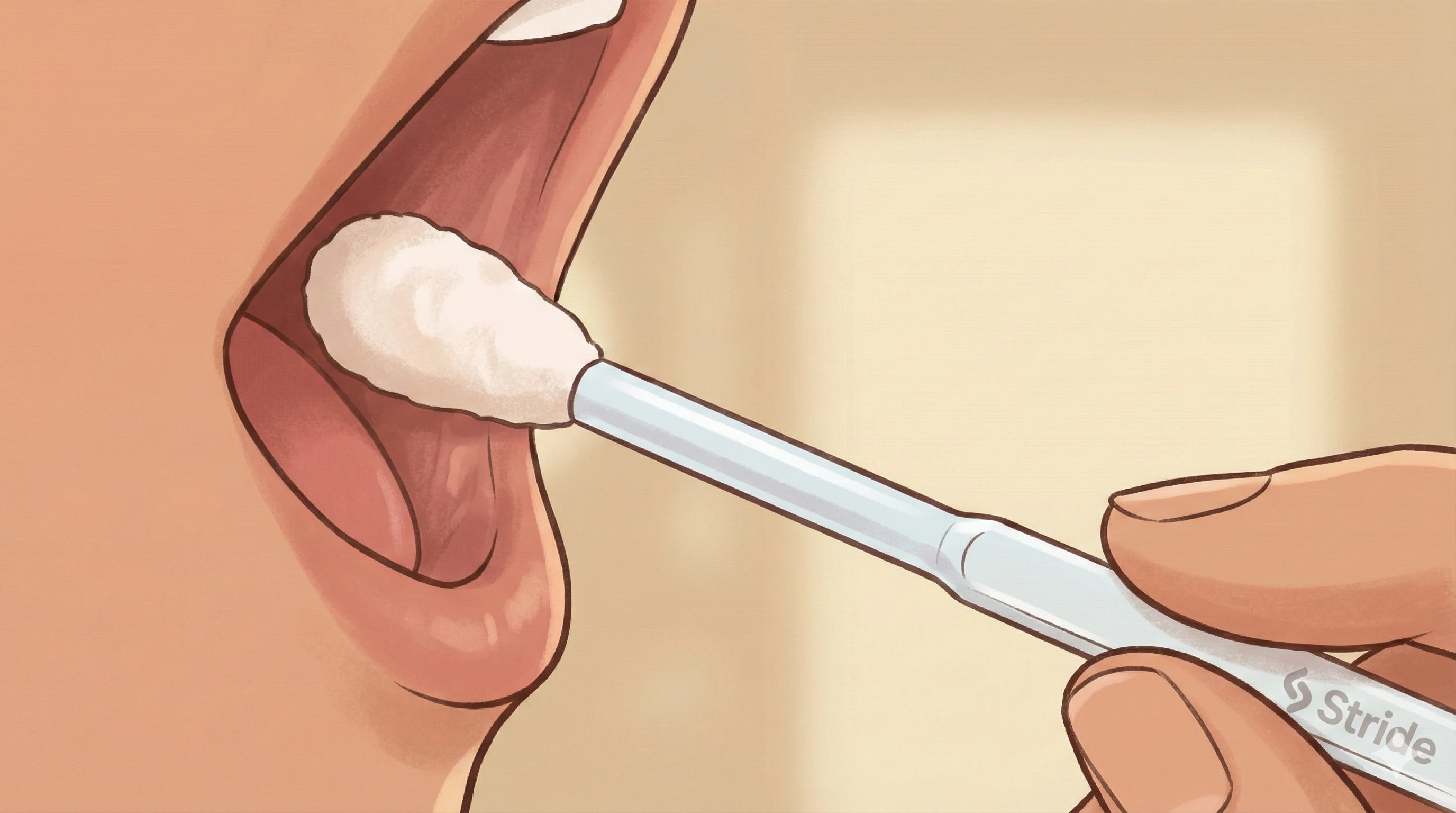
Cheek swab, Blood sample

Collection
At-home

Often paired with
Serum vitamin B12, holotranscobalamin (active B12), methylmalonic acid (MMA), homocysteine, folate, full blood count, methylation panel

Fasting required
Not required for DNA testing; follow clinical guidance for any accompanying blood tests
What is the TCN2 gene?
The TCN2 gene encodes transcobalamin 2, a plasma protein that binds dietary vitamin B12 after absorption and forms holotranscobalamin, the fraction of B12 that can be taken up by cells via specific receptors. This transport step is essential because only vitamin B12 bound to transcobalamin is efficiently delivered into tissues to support one carbon metabolism.
TCN2 is part of a family of B12 binding proteins that also includes intrinsic factor and haptocorrin. The well studied 776C>G polymorphism causes a Pro259Arg substitution in the protein and is common in many populations. Rare loss of function mutations in TCN2 cause transcobalamin II deficiency, a serious autosomal recessive disorder presenting in infancy, while common variants mainly modulate B12 transport efficiency and functional status in subtler ways.
What does TCN2 do?
Transcobalamin 2 binds vitamin B12 in the bloodstream to form holotranscobalamin, which then interacts with cell surface receptors to deliver B12 into cells. Once inside, B12 acts as a cofactor for methionine synthase in the cytosol and methylmalonyl CoA mutase in mitochondria, supporting homocysteine remethylation, DNA synthesis, and energy metabolism.
When TCN2 function is reduced by rare severe mutations, cellular B12 delivery is profoundly impaired, leading to megaloblastic anaemia, failure to thrive, immune dysfunction, and neurological problems early in life. Common polymorphisms such as 776C>G cause more subtle differences in binding affinity and holotranscobalamin levels, which can influence tissue B12 availability and homocysteine patterns, particularly when dietary intake or absorption is marginal.
Why is TCN2 important for health?
TCN2 sits at the intersection of three interconnected systems: vitamin B12 transport, methylation and homocysteine regulation, and DNA synthesis and energy metabolism. These pathways influence cardiovascular risk, neurological function, haematological health, and long term cognitive and physical performance.
Studies of the 776C>G polymorphism show that different genotypes can be associated with variations in holotranscobalamin levels and homocysteine, especially in people with lower B12 intake or absorption. In older adults, TCN2 variants have been linked to differences in frailty markers and functional status via their impact on B12 transport. For most people, the real world impact of common TCN2 variants is modest and heavily shaped by diet, gut health, and other methylation genes, but the gene provides useful context where B12 and homocysteine are borderline.
TCN2 vs vitamin B12 blood tests: what is the difference?
It is easy to assume that TCN2 genotyping and standard vitamin B12 blood tests tell you the same story, but they capture different layers of your biology. Serum B12 reflects the total amount of B12 in the bloodstream, much of which is bound to haptocorrin and not readily available to cells, whereas TCN2 testing looks at inherited variants that shape how effectively B12 is carried into tissues.
Holotranscobalamin and methylmalonic acid provide a more functional view of B12 status. TCN2 genotype can explain why two people with similar serum B12 have different holotranscobalamin, MMA, and homocysteine patterns, and why one person may need higher or more consistent B12 intake to achieve the same tissue levels. Combining genotype with blood tests gives a more complete picture than either alone.
What factors modify the effects of TCN2 variants?
The influence of TCN2 variants is shaped more by diet, absorption, and overall methylation demand than by the gene alone. Several modifiable factors can buffer or amplify TCN2 related tendencies.
- Vitamin B12 intake and source: Intake from meat, fish, eggs, dairy, and fortified foods, or from supplements, can usually compensate for modest reductions in transport efficiency. People with lower intake, such as vegans or those with restrictive diets, are more likely to see TCN2 related effects.
- Gut health and absorption: Conditions affecting the stomach, pancreas, or ileum (for example atrophic gastritis, pernicious anaemia, coeliac disease, inflammatory bowel disease, bariatric surgery) can reduce B12 absorption and magnify the impact of less efficient transport. Addressing these issues and adjusting B12 route can mitigate genetic tendencies.
- Folate, B6, and methylation status: Adequate folate and B6 support the wider homocysteine and methylation network alongside B12. When these nutrients are low, homocysteine may stay elevated even if TCN2 mediated B12 delivery is adequate, and genetic effects can appear more pronounced.
- Life stage and demand: Pregnancy, growth, heavy training, and ageing increase demand for B12 and methylation. In these contexts, reduced transport capacity from TCN2 variants may matter more, making regular monitoring and proactive support valuable.
- Other genes in one carbon metabolism: MTHFR, MTR, MTRR, and related genes influence how B12 is used once inside cells. The combined pattern of intake, absorption, transport via TCN2, and intracellular utilisation shapes overall methylation resilience.
Can you have TCN2 variants without symptoms?
Yes, and that is very common. Many people carry TCN2 776C>G and other polymorphisms without clear B12 deficiency symptoms or abnormal standard blood tests, especially when diet and gut health are robust.
Symptoms often attributed to low B12, such as fatigue, low mood, pins and needles, or cognitive fuzziness, are non specific and can arise from many causes. Rare, severe TCN2 deficiency presents early in life with marked megaloblastic anaemia, failure to thrive, and neurological issues, and is distinct from the common variants detected on most preventive DNA panels.
TCN2 genotypes: how do common variants differ?
Common TCN2 genotypes differ mainly in how they affect binding affinity for B12 and holotranscobalamin levels, particularly at the 776C>G (Pro259Arg) polymorphism. Understanding your pattern can help you and your clinician fine tune B12 targets and monitoring.
- 776CC genotype (Pro/Pro): Some studies suggest this genotype is associated with lower serum B12 but potentially more efficient cellular delivery in certain contexts, although findings vary. Adequate intake usually maintains normal function.
- 776CG genotype (Pro/Arg): Heterozygous individuals often show intermediate patterns of holotranscobalamin and homocysteine and usually maintain good B12 status with standard intake, unless other risk factors are present.
- 776GG genotype (Arg/Arg): This genotype has been associated in several studies with lower holotranscobalamin levels and higher homocysteine when vitamin B12 intake or serum levels are low, suggesting reduced binding affinity or transport efficiency. People in this group may benefit from closer monitoring and proactive B12 support.
How do I prepare for a TCN2 test?
For DNA based TCN2 testing, preparation is straightforward because genotype does not change with diet or lifestyle from day to day. The key is to be clear on how the results will be used to inform B12 testing, supplementation, and monitoring over time.
Standalone TCN2 genotyping using blood or saliva does not require fasting, since it analyses stable DNA sequence rather than current B12 levels. If TCN2 is bundled with tests such as serum B12, holotranscobalamin, MMA, homocysteine, folate, or full blood count, follow any fasting or timing instructions provided so future comparisons are more meaningful.
Do I need a TCN2 test?
A TCN2 test is most useful when the results will influence how you and your clinician personalise vitamin B12 strategies and homocysteine management, as part of a broader methylation and cardiovascular plan. It is less helpful when ordered in isolation without B12 related blood tests and clinical context.
- Borderline or unexplained B12 patterns: If B12, holotranscobalamin, or MMA results are difficult to interpret, or symptoms persist despite apparently adequate B12 levels, TCN2 genotyping can help clarify whether transport efficiency might be contributing.
- Vegetarian, vegan, or low animal product diets: In people with low dietary B12 intake, TCN2 variants may have a greater impact on functional B12 status. Testing can help guide how aggressively to supplement and monitor.
- Elevated homocysteine with unclear cause: When homocysteine remains high despite good folate and B6 status, TCN2 genotyping alongside MTHFR, MTR, and MTRR can add nuance to the picture and guide B12 focused interventions.
- Early life or rare deficiency concerns: In infants or children with signs of severe B12 related problems, TCN2 testing is part of a specialised workup for transcobalamin II deficiency and must be interpreted with detailed biochemical testing in a specialist setting.
Stride tests that include TCN2


Health Tests
Core DNA Methylation Test
5 reports: Methylation profile reports
From $229 $183.20

Health Tests
Advanced DNA & Methylation Test
29 reports: Methylation profile and nutrigenetic reports
From $349 $279.20

Health Tests
Optimal DNA & Methylation Test
46 reports: Methylation profile, nutrigenetic, fitness, sleep, stress and skin reports
From $479 $383.20
FAQs
What is the TCN2 gene test?
The TCN2 gene test analyses your DNA from blood or saliva to look for variants in the transcobalamin 2 gene that influence how efficiently vitamin B12 is bound in the bloodstream and delivered into cells as holotranscobalamin.
What does a TCN2 variant mean?
Common TCN2 variants such as 776C>G may modestly change the affinity of transcobalamin for vitamin B12 and alter holotranscobalamin and homocysteine patterns, especially when B12 intake or absorption is low, but they are not a diagnosis on their own.
Do TCN2 variants always cause vitamin B12 deficiency?
No. Many people with TCN2 variants maintain normal B12 status and homocysteine when intake, absorption, and overall health are well supported. Deficiency arises from the combination of intake, absorption, transport, and utilisation, not from genotype alone.
Can TCN2 affect homocysteine and cardiovascular risk?
TCN2 influences B12 delivery, which in turn affects homocysteine metabolism. In people with low B12 status, some TCN2 genotypes have been associated with higher homocysteine, which is one of several markers considered in cardiovascular risk assessment.
Do I need a TCN2 test?
You might consider a TCN2 test if results would change how you and your clinician approach vitamin B12 dosing, route, and monitoring, or how you interpret persistent homocysteine elevation, ideally as part of a comprehensive methylation and nutrient assessment.
Do I need to fast for TCN2 testing?
Fasting is not required for DNA based TCN2 testing, although accompanying blood tests such as B12, holotranscobalamin, MMA, homocysteine, lipids, or glucose may have specific preparation instructions that help keep results comparable over time.
How can I support TCN2 related pathways?
Rather than trying to change the gene, focus on ensuring adequate B12 intake for your diet pattern, supporting gut health and absorption, optimising folate and B6, monitoring B12 and homocysteine when indicated, and working with your clinician to adjust B12 form and route so your cells receive what they need over the long term, whatever your TCN2 genotype.