
Menu
-
Shop All
Contact
hey@getstride.com
Stride Health Group
Stride Health Group Ltd
Company No 05158025
Lamas Road
Badersfield
Norwich
England
NR10 5FB
UK
Extra 10% Off | Enter code GIFT at checkout


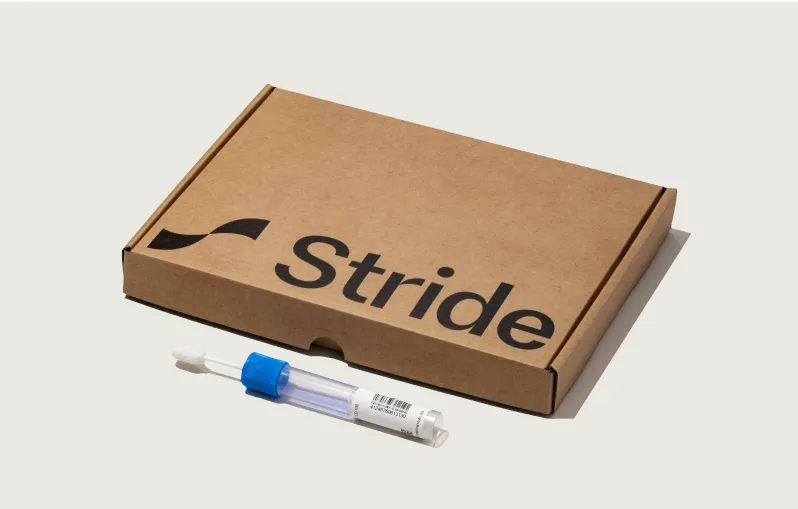




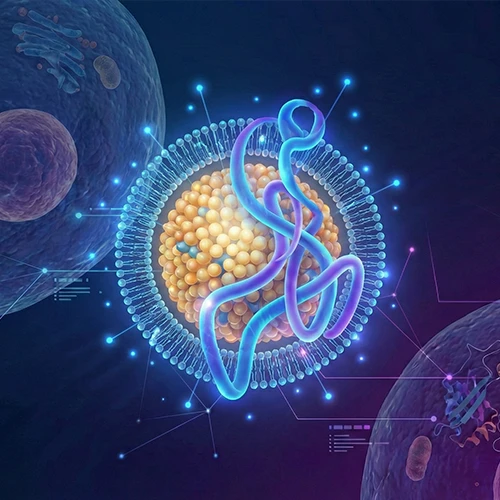

TCF7L2 Gene Test (Transcription Factor 7-Like 2)
The TCF7L2 gene test analyses DNA for common variants in the transcription factor 7-like 2 gene that can markedly influence your lifetime risk of type 2 diabetes by affecting insulin secretion, incretin signalling, and hepatic glucose production. Understanding your TCF7L2 status adds genetic context to beta cell function and glucose control so you can personalise prevention and monitoring instead of guessing.


Sample type
Cheek swab, Blood sample

Collection
At-home

Often paired with
Fasting glucose and HbA1c, oral glucose tolerance testing, insulin and C-peptide, lipid panel, liver enzymes, body composition measures, other type 2 diabetes risk genes

Fasting required
Not required for DNA testing; follow clinical guidance for any accompanying blood tests
Key benefits of testing TCF7L2
- Identify whether you carry TCF7L2 risk alleles such as rs7903146 and rs12255372 that are consistently associated with higher type 2 diabetes risk across many populations, primarily through effects on insulin secretion.
- Help explain why you may develop impaired glucose tolerance or type 2 diabetes at a lower body mass index or younger age than peers with similar habits, or why your beta cells seem "fragile" even when insulin sensitivity is reasonable.
- Inform personalised prevention strategies around weight targets, dietary pattern, fibre and whole-grain emphasis, and monitoring frequency, especially if you have a strong family history of diabetes.
- Provide context when interpreting oral glucose tolerance tests and incretin-related markers, since TCF7L2 variants are linked to changes in GLP-1 signalling and enteroinsular axis function.
- Clarify your baseline genetic risk for beta cell dysfunction alongside real-time metabolic biomarkers, so you can focus on the levers that move the needle most for your specific biology.
What is the TCF7L2 gene?
TCF7L2 encodes transcription factor 7-like 2, a key nuclear effector of the canonical Wnt/β-catenin signalling pathway that regulates transcription of Wnt target genes in multiple tissues, including pancreatic islets, gut endocrine cells, liver, brain, and adipose tissue. It helps integrate developmental and metabolic signals, controlling processes such as cell proliferation, differentiation, and hormone expression.
Common intronic variants in TCF7L2, particularly rs7903146 (C/T) and rs12255372 (G/T), have been identified as some of the strongest and most reproducible common genetic risk factors for type 2 diabetes across diverse ethnic groups. These variants do not change the TCF7L2 protein sequence directly but influence gene expression and downstream target regulation in beta cells, gut L‑cells, and hepatocytes.
What does TCF7L2 do?
TCF7L2 sits at a critical junction between Wnt signalling and glucose homeostasis by partnering with β-catenin to regulate gene programs in pancreatic beta cells, gut endocrine L‑cells, and hepatocytes. In the gut, TCF7L2 controls transcription of the proglucagon gene, which encodes GLP‑1, a key incretin hormone that enhances glucose-stimulated insulin secretion.
In pancreatic islets, altered TCF7L2 expression affects beta cell survival, proliferation, and insulin secretion in response to glucose and incretins, with risk alleles associated with reduced insulin release rather than primarily impaired insulin action. In the liver, TCF7L2 participates in Wnt- and insulin-mediated repression of gluconeogenic genes, so changes in its activity can influence hepatic glucose output, particularly in the fasting state.
Why is TCF7L2 important for health?
TCF7L2 contributes to three interconnected systems: pancreatic beta cell function and insulin secretion, incretin signalling along the gut--brain--pancreas axis, and hepatic glucose production within the broader Wnt and insulin pathways. Across many genome-wide and candidate gene studies, TCF7L2 has emerged as one of the most potent common loci for type 2 diabetes risk, with carriers of risk alleles showing higher odds of developing diabetes over time.
Mechanistic work suggests that these variants predispose to diabetes mainly through "crimes against the beta cell," with reduced glucose-stimulated insulin secretion, impaired incretin effect, and, in some settings, increased hepatic glucose production rather than primary peripheral insulin resistance. In real life, this genetic tendency interacts with body weight, diet, physical activity, age, and other genes, so lifestyle remains a powerful lever even in carriers of high-risk genotypes.
TCF7L2 vs glucose and HbA1c: what is the difference?
It is easy to assume that TCF7L2 testing and standard glucose or HbA1c tests tell you the same story, but they capture different layers of your biology. TCF7L2 genotyping looks at inherited risk for beta cell dysfunction and altered incretin and Wnt signalling, whereas fasting glucose, HbA1c, and oral glucose tolerance tests show your current glycaemic control under your present lifestyle and environment.
This distinction matters because you can carry TCF7L2 risk alleles and still have normal or near-optimal glucose and HbA1c if you maintain a favourable body composition, diet, sleep, and activity pattern. Conversely, you can have impaired glucose tolerance or type 2 diabetes without risk alleles at this locus due to other genetic contributors, obesity, chronic stress, or medications, which often respond well to targeted lifestyle and clinical support.
What factors modify the effects of TCF7L2 variants?
The influence of TCF7L2 variants is shaped far more by environment and habits than by the gene alone, which means you have meaningful room to change the trajectory. Several modifiable factors can either buffer genetic effects or amplify them.
- Body weight and fat distribution: Central adiposity and overall overweight increase beta cell demand and insulin resistance, making TCF7L2-driven secretion defects more likely to translate into hyperglycaemia. Weight management and maintaining or regaining insulin sensitivity can substantially reduce risk.
- Diet quality and glycaemic load: Frequent high-glycaemic meals, sugary drinks, and ultra-processed foods increase postprandial glucose excursions and beta cell stress. Diets rich in whole grains, fibre, legumes, non-starchy vegetables, and balanced macronutrients help modulate glucose spikes and preserve beta cell function.
- Physical activity and muscle mass: Regular aerobic and resistance training improve insulin sensitivity and glucose disposal, meaning beta cells do not need to work as hard to maintain normal glycaemia, which buffers genetic risk.
- Sleep, stress, and circadian rhythm: Short or irregular sleep and chronic stress hormones impair glucose regulation and increase beta cell workload. Addressing sleep and stress can significantly improve glycaemic control in people with TCF7L2 risk alleles.
- Co-existing metabolic conditions: Dyslipidaemia, fatty liver, hypertension, and polycystic ovary syndrome all interact with TCF7L2-related beta cell vulnerability and can accelerate progression from normoglycaemia to diabetes if not addressed.
- Medication and incretin therapies: Incretin-based therapies and other glucose-lowering drugs may interact with TCF7L2 pathways; while not prescribed on genotype alone today, understanding your risk locus can frame discussions about monitoring and treatment thresholds with your clinician.
Can you have TCF7L2 variants without symptoms?
Yes, and that is very common. Many people with TCF7L2 risk variants maintain normal glucose control for years or decades, especially if they have a favourable lifestyle and no major metabolic comorbidities, and only discover their genotype through DNA or methylation panels.
Symptoms often associated with "pre-diabetes," such as fatigue, thirst, or frequent urination, are non-specific and can reflect many other conditions. The earliest signs of TCF7L2-related risk usually appear in lab results as subtle changes in glucose tolerance or insulin secretion patterns long before overt symptoms, which is why tracking biomarkers over time is so valuable.
TCF7L2 genotypes: how do common variants differ?
Common TCF7L2 genotypes mainly differ in how they influence transcriptional activity in beta cells, gut L‑cells, and hepatocytes, and how strongly they increase type 2 diabetes risk, especially when combined with lifestyle factors. Understanding your pattern can help tailor prevention and monitoring rather than labelling you as having a "good" or "bad" metabolism.
- rs7903146 CC (reference pattern): Typically associated with lower genetic risk at this locus. Real-world diabetes risk still depends heavily on weight, diet, family history, and other genes.
- rs7903146 CT (heterozygous risk): Carrying one T allele increases type 2 diabetes risk relative to CC, mainly through reduced insulin secretion and altered incretin effect, especially in the setting of overweight or obesity.
- rs7903146 TT (homozygous risk): Having two T alleles confers a higher relative risk of type 2 diabetes and impaired glucose tolerance, often at younger ages or lower BMIs, with more pronounced defects in insulin secretion and incretin response in many studies.
- rs12255372 and other intronic variants: Additional intronic SNPs such as rs12255372 often travel in linkage with rs7903146 and further refine risk estimates in some populations; together they contribute to a higher or lower genetic load at this locus.
- Rare coding or regulatory variants: Less common variants can alter TCF7L2 function more dramatically, but these are typically evaluated in research or specialist settings and are not the primary focus of standard preventative health reports.
How do I prepare for a TCF7L2 test?
For DNA-based TCF7L2 testing, preparation is straightforward because your genotype does not change day to day with meals, exercise, or sleep. The key step is choosing a panel that situates TCF7L2 within a broader metabolic, methylation, and lifestyle framework so results translate into specific prevention and monitoring actions.
Standalone TCF7L2 genotyping using blood or saliva does not require fasting, since it analyses stable DNA rather than dynamic blood levels. If TCF7L2 is bundled with fasting glucose, HbA1c, oral glucose tolerance testing, insulin, or lipid panels, your clinician or testing instructions may recommend fasting and standardised conditions so changes over time can be meaningfully compared.
Do I need a TCF7L2 test?
A TCF7L2 test is most valuable when the result will influence how you approach diabetes prevention, metabolic monitoring, and treatment thresholds, rather than as a curiosity in isolation. It becomes particularly informative when interpreted alongside glucose markers, body composition, and family history.
- Strong family history of type 2 diabetes: If several close relatives developed diabetes, especially at relatively lean BMIs or younger ages, TCF7L2 genotyping can help clarify how proactively you may want to manage weight, diet, and testing intervals.
- Borderline glucose markers or gestational diabetes history: If you have impaired fasting glucose, impaired glucose tolerance, gestational diabetes history, or early HbA1c changes, TCF7L2 status can add nuance to risk assessment and motivate earlier, more intensive lifestyle action.
- Considering intensive prevention or medication choices: For individuals contemplating medications for pre-diabetes or early diabetes, TCF7L2 genotyping can provide context for beta cell vulnerability and how aggressively to pursue weight loss and incretin-focused therapies with their clinician.
- Building a long-term metabolic and longevity roadmap: For those investing in broader DNA, blood, and microbiome testing, TCF7L2 provides a durable anchor for tailoring diet, movement, and monitoring across life stages with a clear view of beta cell risk.
Stride tests that include TCF7L2


Health Tests
Core DNA Methylation Test
5 reports: Methylation profile reports
From $229 $183.20
FAQs
What is the TCF7L2 gene test?
The TCF7L2 gene test analyses your DNA from blood or saliva to look for common variants in the transcription factor 7-like 2 gene that influence beta cell function, incretin signalling, and hepatic glucose production, and are strongly associated with type 2 diabetes risk.
What does a TCF7L2 variant mean?
Common TCF7L2 variants such as rs7903146 and rs12255372 increase the likelihood of developing impaired glucose tolerance or type 2 diabetes, mainly by reducing glucose-stimulated insulin secretion and altering incretin effects, especially in the presence of excess weight or other metabolic stressors.
Do TCF7L2 variants always cause health problems?
No; many people with TCF7L2 risk alleles never develop diabetes, particularly if they maintain healthy body composition, diet, activity, and sleep patterns. Conversely, people without risk alleles at this locus can still develop type 2 diabetes when other genetic and lifestyle factors are not well controlled.
Is TCF7L2 testing used to diagnose or treat type 2 diabetes?
TCF7L2 testing does not diagnose diabetes and is not yet used routinely to choose specific medications, but it can refine risk assessment and support personalised prevention and monitoring strategies alongside standard clinical tests and medical guidance.
Can TCF7L2 affect weight loss or response to diet?
By shaping beta cell function and incretin signalling, TCF7L2 variants can influence how your body handles carbohydrate loads and possibly how you respond to certain dietary patterns. In practice, overall energy balance, diet quality, and physical activity still drive most differences in weight loss and metabolic response.
Do I need a TCF7L2 test?
You might consider a TCF7L2 test if results would change how early and how intensively you act on diabetes prevention, such as targeting weight loss, tailoring carbohydrate intake, increasing glucose monitoring frequency, or discussing earlier interventions with your clinician, especially with strong family history or early metabolic changes.
Do I need to fast for TCF7L2 testing?
Fasting is not required for DNA-based TCF7L2 testing. If your clinician orders accompanying fasting glucose, HbA1c, insulin, or oral glucose tolerance tests, they will advise specific preparation to ensure those blood results are accurate and comparable over time.
How can I optimise my health if I carry TCF7L2 variants?
Rather than trying to change the gene, focus on maintaining a healthy waist and body composition, prioritising fibre-rich, minimally processed foods, moving regularly with both aerobic and resistance training, protecting sleep and stress balance, and tracking your metabolic markers over time so you can see how small, consistent choices reshape your long-term diabetes risk.