
Menu
-
Shop All
Contact
hey@getstride.com
Stride Health Group
Stride Health Group Ltd
Company No 05158025
Lamas Road
Badersfield
Norwich
England
NR10 5FB
UK
Extra 10% Off | Enter code GIFT at checkout


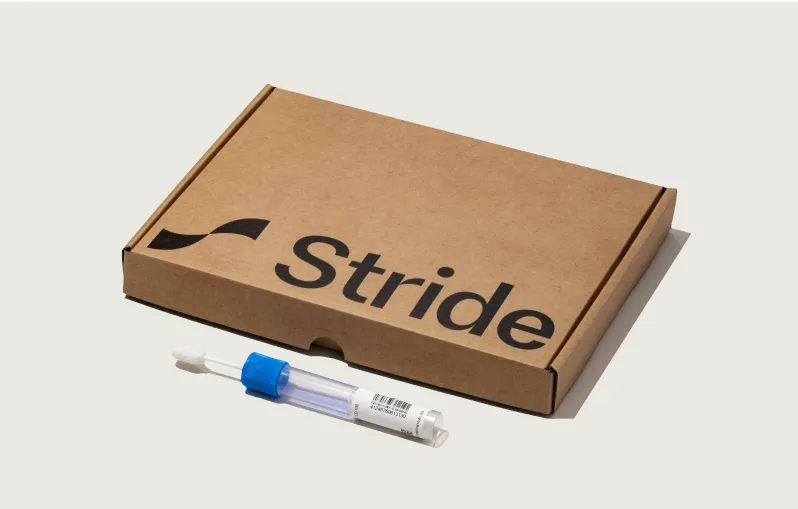





Sodium Blood Test
A sodium blood test measures the amount of sodium dissolved in your blood. Sodium is the main salt in the bloodstream and is crucial for fluid balance, blood pressure, and normal function of nerves and muscles, so both high and low levels can signal important health issues.
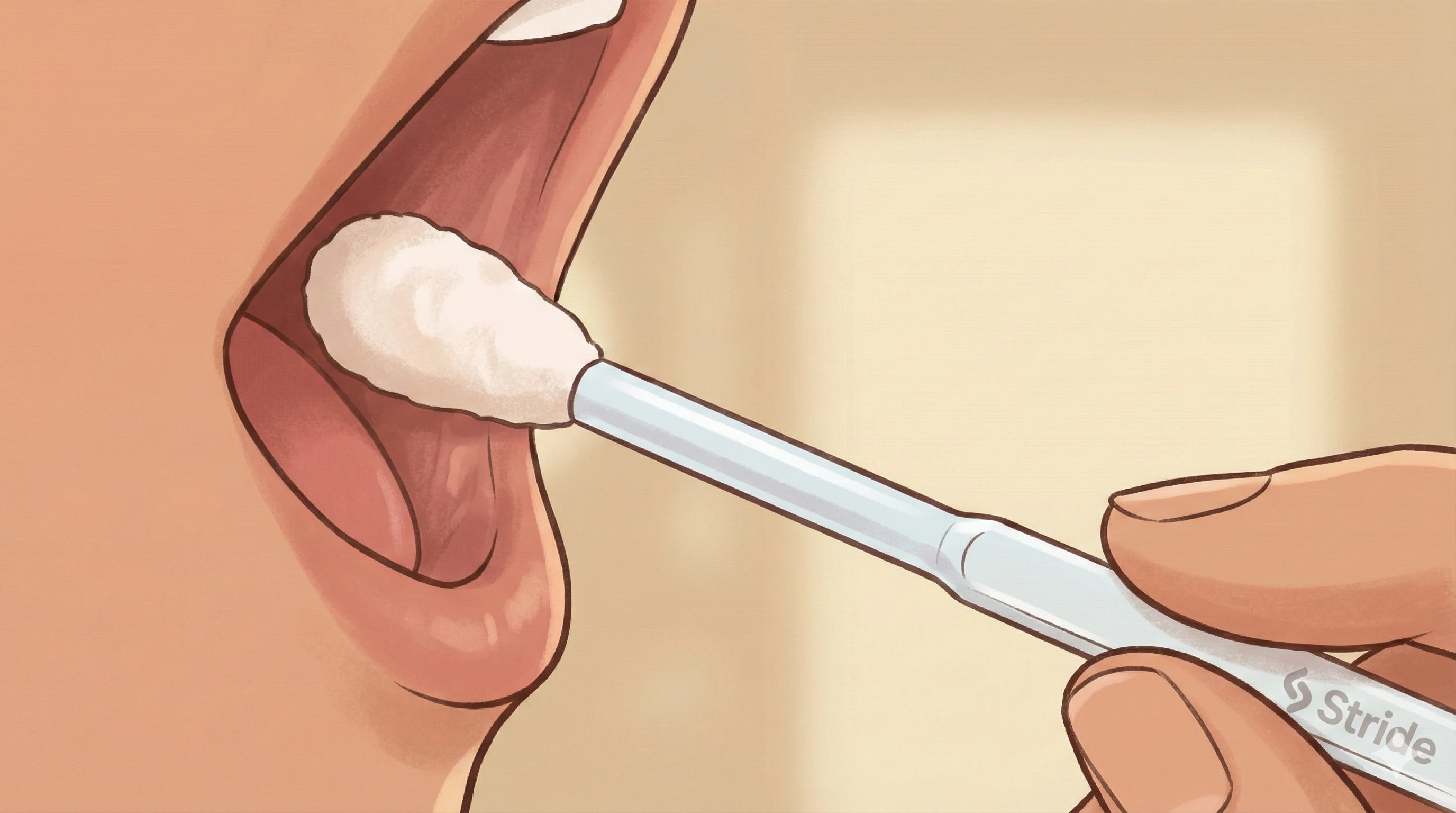

Sample type
Blood sample

Collection
At-home

Often paired with
Potassium, chloride, bicarbonate CO2, urea and creatinine, eGFR, glucose, magnesium, calcium

Fasting required
0
Key benefits of testing sodium
A sodium blood test can help you:
- Assess hydration and electrolyte balance as part of a standard metabolic or kidney panel.
- Detect low sodium hyponatraemia or high sodium hypernatraemia before serious symptoms develop.
- Monitor people on diuretics or other medicines that affect salt and water balance.
- Support diagnosis and monitoring of kidney, heart, liver, adrenal, and brain conditions.
- Guide fluid and salt management in acute illness, peri operative care, and long term disease.
What is sodium
Sodium is the main positively charged ion cation in the fluid outside your cells. It:
- Helps control how much water is inside and outside cells, influencing blood volume and blood pressure.
- Plays a key role in nerve impulses and muscle contractions by helping generate electrical signals.
- Works closely with potassium inside cells and with chloride and bicarbonate in the bloodstream to maintain acid base balance.
Your body gets sodium mainly from food, especially table salt sodium chloride, and loses it through urine, sweat, and stool. Healthy kidneys and hormones adjust sodium and water excretion to keep levels within a narrow band.
What does sodium do in the blood
In the blood, sodium concentration reflects how your body is balancing salt and water, rather than simply how much salt you have eaten.
Sodium helps:
- Maintain the right amount of fluid in the bloodstream and tissues.
- Support normal blood pressure and circulation.
- Enable rapid nerve signalling and coordinated muscle contraction, including the heart.
Abnormal sodium levels can cause brain cells to swell or shrink as water shifts in or out, leading to symptoms such as confusion, headaches, seizures, and in severe cases, coma.
Why is sodium important for whole body and kidney health
Sodium matters because:
- Low sodium hyponatraemia is common in hospitalised and older adults and can cause confusion, falls, seizures, and increased mortality if severe or rapid.
- High sodium hypernatraemia often reflects dehydration or water loss and is linked with neurological symptoms and higher risk of complications, particularly in vulnerable people.
- Chronic disturbances in sodium and fluid balance may signal kidney disease, heart failure, liver cirrhosis, hormonal problems, or side effects of medications.
Keeping sodium in range is therefore central to safe management of many acute and chronic conditions.
Sodium vs chloride vs potassium: what is the difference
These electrolytes are closely related but not interchangeable.
- Sodium is the main extracellular cation and primary driver of fluid balance and blood pressure.
- Chloride is the main extracellular anion and helps maintain electrical neutrality and acid base balance alongside sodium and bicarbonate.
- Potassium is the main intracellular cation, key to heart rhythm and muscle and nerve function.
A typical electrolyte panel measures all three, because patterns such as low sodium with high potassium or high sodium with low potassium can point toward specific hormonal or kidney causes.
What factors affect sodium levels
Sodium levels are shaped by water balance, kidney function, hormones, medications, and illness. Key influences include:
1. Fluid intake and losses
- Drinking large amounts of water without adequate salt, or receiving low sodium fluids, can dilute blood sodium.
- Dehydration from vomiting, diarrhoea, sweating, or inadequate fluid intake can concentrate sodium and drive levels up.
2. Kidney function
- Healthy kidneys adjust sodium excretion according to the body's needs.
- Kidney disease can impair this regulation, leading to sodium and fluid retention or inappropriate losses.
3. Hormones
- Aldosterone and other adrenal hormones influence how much sodium and water the kidneys retain.
- Antidiuretic hormone ADH or vasopressin controls how much water the kidneys reabsorb. Abnormal ADH levels are a common cause of hyponatraemia.
4. Medications
- Diuretics, especially thiazide diuretics, are a frequent cause of low sodium, particularly in older adults.
- Some antidepressants, anticonvulsants, painkillers, and chemotherapy drugs can also lower sodium.
- High dose corticosteroids, some laxatives, and high sodium infusions can raise sodium.
5. Serious illness and surgery
- Major surgery, infections, brain injuries, heart failure, and liver cirrhosis can all disturb sodium and water regulation through complex hormonal and fluid shifts.
Can sodium be abnormal if I feel well
Yes. Mild hyponatraemia or hypernatraemia can be present without obvious symptoms, especially if the change is gradual. Early or mild changes may cause subtle complaints such as:
- Mild fatigue, headache, or nausea.
- Slight cognitive changes or unsteadiness in older adults.
More marked or rapid sodium shifts are more likely to cause pronounced confusion, seizures, or coma.
Normal vs low vs high sodium: what is the difference
Reference ranges differ slightly between labs, but typical adult serum sodium ranges are around:
- Normal: about 133 to 146 mmol/L, with many labs using 135 to 145 mmol/L.
- Low sodium hyponatraemia: below about 133 to 136 mmol/L, depending on the lab.
- High sodium hypernatraemia: above about 145 to 146 mmol/L.
The significance of an abnormal result depends on:
- How far it is from the reference range.
- How quickly the change developed.
- Your symptoms, hydration status, and underlying conditions.
Do I need to fast for a sodium blood test
Fasting is not usually required for a sodium blood test. You can generally eat and drink normally unless your clinician or test instructions say otherwise.
You may be asked:
- To avoid very high salt intake or unusual fluid consumption before testing.
- To pause or adjust certain medications, such as diuretics, if they significantly affect sodium, but only under medical guidance.
How can sodium imbalance be managed clinician guided
Managing sodium is about correcting water and salt balance safely and addressing the underlying cause. Depending on your situation, clinician guided strategies may include:
- Adjusting fluid intake, sometimes restricting fluids in hyponatraemia or increasing fluids in hypernatraemia due to dehydration.
- Reviewing and changing medications that affect sodium, such as diuretics or certain antidepressants.
- Using intravenous fluids tailored to your sodium level and underlying condition in hospital settings.
- Treating underlying causes such as heart failure, kidney disease, liver cirrhosis, adrenal disorders, or inappropriate ADH secretion.
Because rapid correction of sodium can cause harm, especially in chronic hyponatraemia, changes must be guided and monitored carefully.
Stride tests that include Sodium
FAQs
What is the sodium blood test
The sodium blood test measures the concentration of sodium in your bloodstream. It is a standard part of electrolyte or metabolic panels and helps detect low sodium hyponatraemia and high sodium hypernatraemia that can affect brain, heart, and overall health.
What is a normal sodium level
Most laboratories consider a normal adult sodium level to be around 135 to 145 mmol/L, with some quoting 133 to 146 mmol/L. Levels below the lower limit indicate hyponatraemia, and levels above the upper limit indicate hypernatraemia.
What is an optimal sodium level for health
Optimal sodium is a stable level within the normal range that is appropriate for your age, health conditions, and treatment plan. Rather than aiming for a specific number, the goal is to keep sodium in range and avoid rapid shifts, especially if you have kidney, heart, or liver disease.
Is sodium worse than salt intake for health
Sodium in the blood and salt intake are related but not identical. Blood sodium reflects the balance of salt and water regulated by kidneys and hormones. High dietary salt intake over time can raise blood pressure and strain the heart and kidneys, even if blood sodium looks normal, so both patterns matter.
Can sodium be low if I do not restrict salt
Yes. Hyponatraemia often relates more to water balance, hormones, medications, or serious illness than just salt intake. Conditions that cause the body to retain water, such as inappropriate ADH secretion, or medicines such as diuretics, can lower sodium even if your salt intake is moderate.
Do I need sodium testing
You will usually have sodium measured if you have symptoms such as confusion, extreme thirst, weakness, seizures, or if you have kidney, heart, liver, or serious acute illness. It is also checked routinely in many health checks and when you take medicines that affect salt and water balance.
Do I need to fast for a sodium test
You typically do not need to fast for sodium specifically. If your sodium test is part of a fasting blood panel for lipids or glucose, follow those fasting instructions, and always check whether you should take your usual medicines on the morning of the test.
How can I improve my sodium results
Improving sodium depends on whether it is low or high and why. Practical steps may include adjusting your fluid intake, moderating salt intake as advised, reviewing medicines with your clinician, and treating underlying kidney, heart, liver, or hormonal issues. Any major changes to sodium or fluids should be supervised, especially if your levels are significantly abnormal.
Do I need a sodium blood test
If you want a clear picture of how your kidneys, hormones, and hydration habits are working together, or you are managing conditions or medications that affect fluid balance, discussing a sodium blood test as part of a comprehensive panel is a sensible step. Within StrideOne, sodium sits alongside hundreds of other biomarkers, helping you see exactly how salt balance fits into your cardiovascular, kidney, and long term health story.