
Menu
-
Shop All
Contact
hey@getstride.com
Stride Health Group
Stride Health Group Ltd
Company No 05158025
Lamas Road
Badersfield
Norwich
England
NR10 5FB
UK
Extra 10% Off | Enter code GIFT at checkout






SOD2 Gene Test (Superoxide Dismutase 2)
The SOD2 gene test analyses DNA for variants in superoxide dismutase 2, the mitochondrial enzyme that converts superoxide radicals from energy production into hydrogen peroxide and oxygen to protect cells from oxidative damage. Understanding your SOD2 status adds genetic context to mitochondrial antioxidant capacity, oxidative stress resilience, and long term cardiometabolic and neurodegenerative risk so you can personalise prevention strategies, rather than relying only on population averages.

Sample type
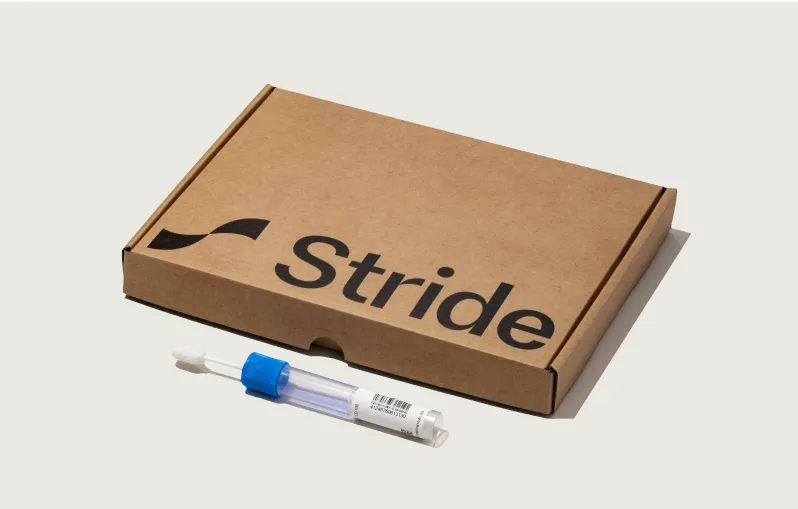
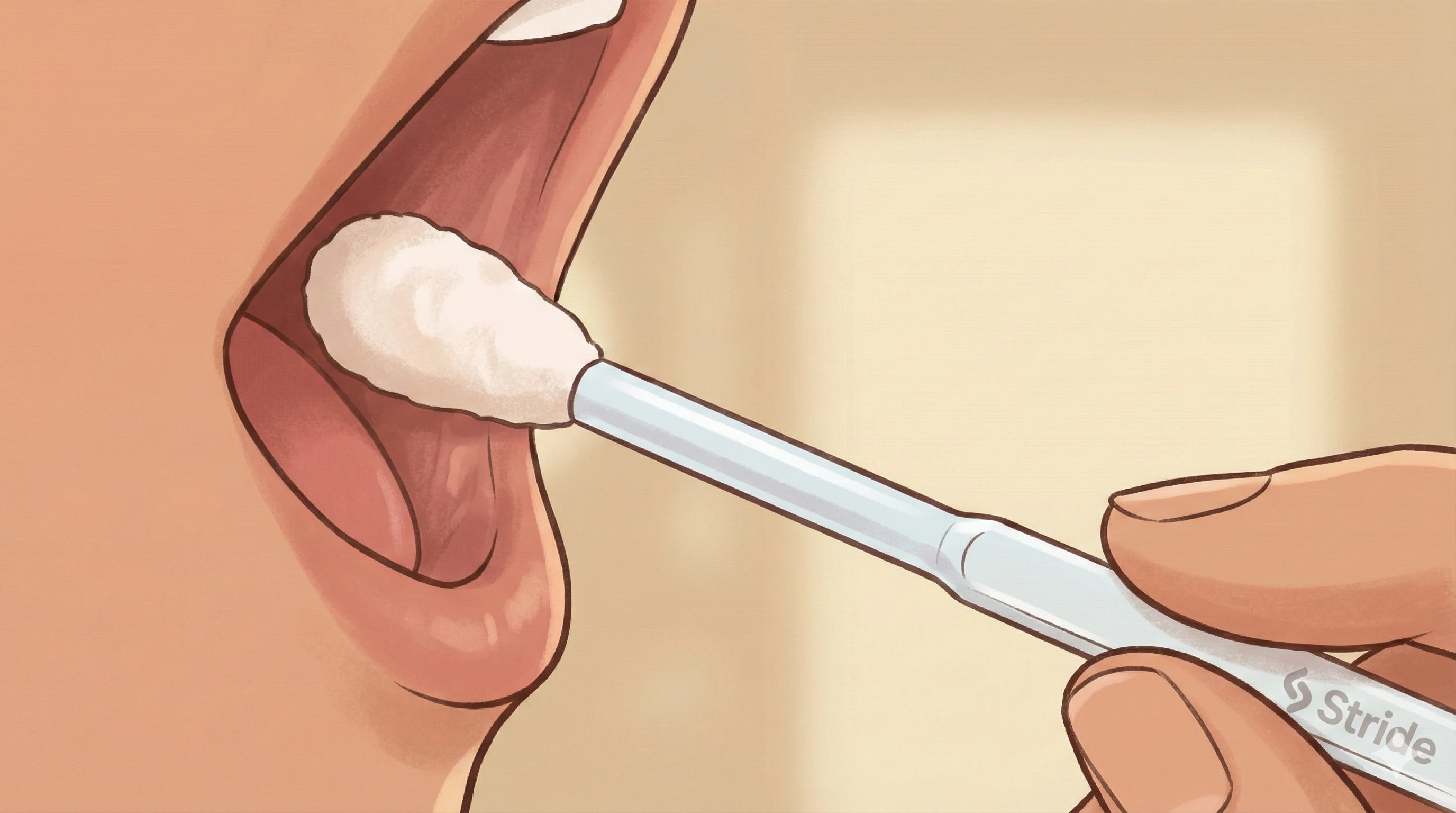
Cheek swab, Blood sample

Collection
At-home

Often paired with
Redox and oxidative stress markers, mitochondrial function markers, homocysteine and methylation panel, cardiometabolic panel, inflammatory markers

Fasting required
Not required for DNA testing; follow clinical guidance for any accompanying blood tests
What is the SOD2 gene?
The SOD2 gene encodes mitochondrial superoxide dismutase 2 (MnSOD), a homotetrameric enzyme that binds manganese and sits in the mitochondrial matrix, the main site of reactive oxygen species generation during oxidative phosphorylation. By dismutating superoxide radicals into hydrogen peroxide and oxygen, SOD2 forms a first line defence against mitochondrial oxidative damage.
SOD2 is located on chromosome 6q25.3 and belongs to the iron/manganese superoxide dismutase family. Mutations and polymorphisms in SOD2 have been associated with susceptibility to idiopathic cardiomyopathy, some cancers, neurodegenerative conditions, diabetic complications, and aging related phenotypes, often through effects on oxidative stress handling. The Val16Ala (Ala16Val) polymorphism in the mitochondrial targeting sequence is one of the most studied variants.
What does SOD2 do?
SOD2 catalyses the rapid conversion of superoxide anion, a highly reactive byproduct of the mitochondrial electron transport chain, into hydrogen peroxide and molecular oxygen. Hydrogen peroxide can then be further detoxified by enzymes such as catalase and glutathione peroxidase. This step protects mitochondrial DNA, proteins, and lipids from oxidative damage and supports normal energy production.
The Val16Ala polymorphism alters the structure of the mitochondrial targeting sequence, which affects how efficiently SOD2 is imported into the mitochondrial matrix. Certain genotypes are associated with reduced mitochondrial SOD2 activity and greater accumulation of superoxide under stress, which can contribute to damage in tissues with high oxidative metabolism such as heart, brain, and skeletal muscle.
Why is SOD2 important for health?
SOD2 supports three interconnected domains: mitochondrial integrity and energy production, systemic oxidative stress balance, and long term tissue health in high energy organs like heart, brain, and skeletal muscle. Together, these influence risk patterns for cardiomyopathy, atherosclerosis, diabetic complications, neurodegenerative diseases, and some cancers.
Experimental and human studies show that reduced SOD2 activity or expression increases oxidative damage, accelerates mitochondrial dysfunction, and can promote genomic instability. Conversely, appropriate SOD2 function helps buffer oxidative stress from normal metabolism, exercise, and environmental exposures. Common SOD2 polymorphisms do not cause disease on their own but may modify risk or severity when combined with other factors such as hyperglycaemia, hypertension, smoking, or high inflammatory load.
SOD2 vs "antioxidant level" tests: what is the difference?
It is easy to conflate SOD2 genotyping with generic antioxidant or oxidative stress tests, but they reflect different aspects of biology. SOD2 testing shows inherited patterns that influence how efficiently mitochondria can clear superoxide radicals, especially under load. Antioxidant or oxidative stress tests, such as glutathione, F2 isoprostanes, or oxidised LDL, reveal the current balance between oxidant production and defence.
Someone with a higher risk SOD2 genotype may still maintain healthy oxidative stress markers if diet, activity, sleep, and exposures are well managed. Another person with a typical SOD2 genotype can have high oxidative stress from smoking, poor diet, or uncontrolled diabetes. Combining SOD2 results with real time biomarkers gives a more complete view than either alone.
What factors modify the effects of SOD2 variants?
The impact of SOD2 variants is strongly shaped by lifestyle, environment, and coexisting health conditions. Several modifiable factors can buffer or amplify SOD2 related tendencies.
- Physical activity and training load: Regular, well programmed exercise improves mitochondrial function and antioxidant capacity, but excessive high intensity work without recovery can overwhelm defences, particularly in those with lower SOD2 activity. Balancing training and recovery is key.
- Dietary pattern and micronutrients: Diets rich in colourful plants, healthy fats, and adequate protein support antioxidant systems and mitochondrial health. Micronutrients such as manganese, vitamins C and E, carotenoids, and polyphenols help buffer oxidative stress, which may be especially relevant when SOD2 activity is lower.
- Glycaemic control and cardiometabolic health: Hyperglycaemia, insulin resistance, and dyslipidaemia drive oxidative stress and vascular damage. Managing blood sugar, weight, and lipids often has a larger health impact than genotype alone and can reduce the burden on SOD2.
- Smoking, pollution, and toxin exposure: Tobacco smoke, air pollution, heavy metals, and other toxins increase oxidative load and can exacerbate SOD2 related vulnerabilities. Reducing exposures and supporting detoxification pathways helps protect mitochondria.
- Inflammation and chronic illness: Chronic inflammatory states, infections, and autoimmune conditions increase reactive oxygen species production. Managing inflammation through appropriate medical care, sleep, stress support, and nutrition can help maintain redox balance.
Can you have SOD2 variants without symptoms?
Yes, and that is very common. Many people carry SOD2 Val16Ala or other polymorphisms and never develop cardiomyopathy, neurodegeneration, or overt oxidative stress related conditions, especially when lifestyle is supportive and other risk factors are managed.
Symptoms often associated with oxidative stress, such as fatigue, exercise intolerance, or brain fog, are non specific and can have many causes. Severe SOD2 deficiency states seen in experimental models are not typical in humans; rather, common variants influence susceptibility and threshold for damage in the presence of other stresses.
SOD2 genotypes: how do common variants differ?
Common SOD2 genotypes differ mainly in how they affect mitochondrial targeting, enzyme activity, and oxidative stress handling under load, particularly at the Val16Ala (Ala16Val, rs4880) polymorphism. Understanding your pattern can help guide antioxidant and lifestyle priorities.
- Val16Ala (Ala16Val, rs4880) variants: This polymorphism in the mitochondrial targeting sequence alters the structure of the leader peptide and affects import efficiency. Some data suggest that certain genotypes have 30--40 percent lower SOD2 activity in the mitochondrial matrix and greater superoxide accumulation under stress. These genotypes have been associated in different contexts with risk patterns for diabetes complications, cardiomyopathy, and some cancers, although findings are heterogeneous.
- Other SOD2 variants: Additional rare missense or regulatory variants can influence expression or function but are less well characterised and are usually interpreted in specialist or research settings alongside functional data.
- Reference or "typical" genotypes: Individuals with the reference Val16Ala pattern generally have normal mitochondrial import and SOD2 activity, so oxidative stress balance depends more on lifestyle and other genes than on SOD2 itself.
How do I prepare for a SOD2 test?
For DNA based SOD2 testing, preparation is simple because genotype does not change with short term diet or behaviour. The key step is understanding how results will be used to refine your approach to oxidative stress, training, and long term prevention.
Standalone SOD2 genotyping using blood or saliva does not require fasting, since it examines DNA rather than current oxidative stress markers. If SOD2 is bundled with tests such as oxidative stress markers, cardiometabolic panels, or mitochondrial function markers, follow any fasting or timing instructions so results are consistent and comparable over time.
Do I need a SOD2 test?
A SOD2 test is most useful when the results will influence how you and your clinician personalise antioxidant and cardiometabolic strategies, particularly in the context of high oxidative loads or family history. It is not a stand alone predictor of disease.
- Cardiometabolic and vascular focus: For individuals with a strong focus on cardiovascular or diabetic complication prevention, SOD2 testing can complement oxidative stress markers, lipids, glucose, and inflammatory markers to shape diet and training strategies.
- Neurodegenerative or aging concerns: In people with a family history of neurodegenerative disease or early frailty, SOD2 genotyping may contribute to a broader risk assessment, though lifestyle interventions remain the foundation of risk reduction.
- High oxidative demand lifestyles: Athletes, people with heavy environmental or occupational exposures, and those with chronic inflammatory conditions may use SOD2 results to justify extra attention to recovery, antioxidant dense nutrition, and exposure reduction.
- Research level mitochondrial profiling: In advanced preventive or research programmes, SOD2 is often included with other mitochondrial and antioxidant genes to model redox resilience, interpreted alongside rich biomarker data.
Stride tests that include SOD2


Health Tests
Core DNA Methylation Test
5 reports: Methylation profile reports
From $229 $183.20
FAQs
What is the SOD2 gene test?
The SOD2 gene test analyses your DNA from blood or saliva to look for variants in the superoxide dismutase 2 gene that influence how efficiently your mitochondria convert superoxide radicals into hydrogen peroxide and oxygen.
What does a SOD2 variant mean?
Common SOD2 variants such as Val16Ala can modestly alter mitochondrial targeting and enzyme activity, changing how well you handle oxidative stress under load. They are not a diagnosis on their own and must be interpreted with biomarkers and lifestyle context.
Do SOD2 variants always cause oxidative stress or disease?
No. Many people with SOD2 variants maintain good health and acceptable oxidative stress markers when diet, exercise, sleep, and exposures are well managed. Disease arises from the combination of genetics, environment, and behaviours over time.
Can SOD2 affect heart, brain, or metabolic health?
Yes. SOD2 is central to mitochondrial protection in tissues such as heart, brain, and skeletal muscle. Lower mitochondrial SOD2 activity can contribute to vulnerability in cardiomyopathy, neurodegeneration, and diabetic complications when other risk factors are present.
Do I need a SOD2 test?
You might consider a SOD2 test if results would change how you and your clinician approach antioxidant support, training and recovery, cardiometabolic prevention, or aging strategies, ideally as part of a comprehensive assessment rather than a single explanation.
Do I need to fast for SOD2 testing?
Fasting is not required for DNA based SOD2 testing, although any accompanying blood tests for lipids, glucose, oxidative stress, or inflammatory markers may have specific preparation instructions to keep results consistent over time.
How can I support SOD2 related pathways?
Rather than trying to change the gene, focus on consistent movement and appropriately programmed training, a plant rich and nutrient dense diet, good sleep and stress management, avoidance of smoking and excess toxins, and targeted antioxidant and mitochondrial support where appropriate so your cells can handle oxidative demands effectively over the long term, whatever your SOD2 genotype.