
Menu
-
Shop All
Contact
hey@getstride.com
Stride Health Group
Stride Health Group Ltd
Company No 05158025
Lamas Road
Badersfield
Norwich
England
NR10 5FB
UK
Extra 10% Off | Enter code GIFT at checkout






SLC23A1 Gene Test (Vitamin C Transporter, Plasma Vitamin C & Antioxidant Protection)
The SLC23A1 gene test analyses DNA for variants in the sodium-dependent vitamin C transporter 1 (SVCT1) gene that influence how effectively you absorb and reabsorb vitamin C from the gut and kidneys. Understanding your SLC23A1 status adds genetic context to plasma vitamin C levels, antioxidant defence, immune function, and tissue resilience, so you can personalise vitamin C intake and lifestyle instead of relying on trial and error.


Sample type
Cheek swab, Blood sample

Collection
At-home

Often paired with
Plasma vitamin C, full blood count, inflammatory markers, lipid profile, glucose and HbA1c, liver and kidney function, other antioxidant and detox genes

Fasting required
Not required for DNA testing; follow clinical guidance for any accompanying blood tests
Key benefits of testing SLC23A1
- Identify whether you carry SLC23A1 variants that reduce SVCT1 transporter activity and are associated with lower circulating vitamin C levels for a given intake.
- Help explain why you may show low or borderline plasma vitamin C or higher oxidative stress markers despite an apparently good diet.
- Inform personalised strategies for vitamin C intake, including dose, frequency, and food versus supplement balance, and whether you may benefit from more consistent or higher dosing.
- Provide context for immune resilience, wound healing, skin and vascular health, and exercise recovery, all of which rely on robust vitamin C status.
- Clarify your baseline vitamin C transport profile alongside measured vitamin C, inflammatory and metabolic markers, so long-term prevention and performance plans can be tailored to your biology.
What is the SLC23A1 gene?
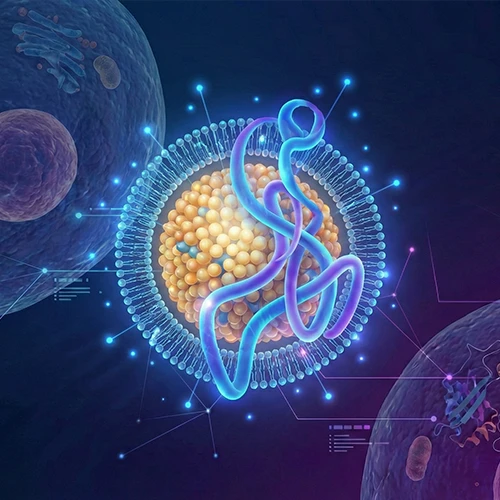
SLC23A1 encodes the sodium-dependent vitamin C transporter 1, also known as SVCT1, a high-capacity transporter expressed predominantly in intestinal and renal epithelial cells. SVCT1 is responsible for active uptake of ascorbic acid from the intestinal lumen into the bloodstream and for reabsorption of filtered vitamin C in the kidney.
By controlling intestinal absorption and renal reabsorption, SLC23A1 plays a central role in whole-body vitamin C homeostasis and circulating ascorbate levels. Genetic variation at the SLC23A1 locus, including non-synonymous SNPs, has been shown to alter transport efficiency and predict plasma vitamin C concentrations in large population studies.
What does SLC23A1 do?
SLC23A1 sits at a key junction between dietary vitamin C intake and effective delivery of ascorbic acid to the circulation and tissues. SVCT1 couples vitamin C transport to sodium gradients across epithelial cell membranes, allowing efficient uptake from relatively low luminal concentrations. In the kidney, SVCT1 reclaims filtered vitamin C, limiting urinary loss and helping maintain stable plasma levels.
Variants that impair SLC23A1 function reduce the capacity of SVCT1 to transport ascorbate, especially in the kidney. This can lead to increased urinary excretion, lower plasma vitamin C, and reduced supply to tissues such as the brain, muscle, and adrenal glands unless intake is increased to compensate. Animal models with disrupted Slc23a1 show greatly increased renal loss of ascorbate and high perinatal mortality due to low vitamin C levels, underscoring the transporter's importance.
Why is SLC23A1 important for health?
SLC23A1 contributes to three interconnected systems: vitamin C status and antioxidant defence, immune and barrier function, and long-term cardiometabolic and connective tissue health. Vitamin C is a key antioxidant and cofactor for enzymes involved in collagen synthesis, neurotransmitter production, carnitine biosynthesis, and regulation of gene expression.
Lower plasma vitamin C has been associated in epidemiological work with higher risk of cardiovascular disease, some cancers, and all-cause mortality. SLC23A1 variants that lower circulating vitamin C may modestly increase vulnerability to oxidative stress and impaired barrier integrity, particularly when combined with low dietary intake, smoking, or high inflammatory burden. Conversely, understanding that you carry lower-transport variants can justify more assertive vitamin C strategies to offset this.
SLC23A1 vs vitamin C blood levels
It is easy to assume that SLC23A1 genotyping, vitamin C blood measurements, and dietary intake logs all reflect the same information, but they answer different questions. SLC23A1 genotyping reveals your inherited transport capacity for vitamin C and helps predict how efficiently you can absorb and retain ascorbate for a given intake. This does not change over time.
Plasma vitamin C levels show how your body is doing now, under your current diet, lifestyle, and SLC23A1 background. Dietary intake estimates how much vitamin C you consume, but not how much you actually absorb or retain. You can carry SLC23A1 variants associated with lower plasma vitamin C yet maintain good levels through higher or more frequent intake, and you can have favourable genotypes yet low levels if intake is marginal, smoking or inflammation is high, or diet quality is poor. Combining genotype, intake, and plasma vitamin C provides the clearest picture.
Factors that modify SLC23A1 variants
The influence of SLC23A1 variants is shaped by diet quality, lifestyle, kidney function, and overall oxidative load more than by the gene alone. Several modifiable factors can either buffer genetic effects or amplify them.
- Vitamin C intake and dosing pattern: Total intake, frequency of dosing, and the balance between food and supplements strongly influence plasma levels. People with reduced SLC23A1 function often benefit from higher or more regular doses to overcome increased renal loss.
- Fruit and vegetable quality and variety: Fresh, minimally processed fruits and vegetables provide more vitamin C than heavily processed or long-stored options. Wider variety improves the chance of meeting needs, especially in higher-demand states.
- Smoking, pollution, and chronic inflammation: Tobacco smoke, air pollution, and chronic inflammatory conditions increase vitamin C turnover and utilisation. In the context of reduced transport, this can lead to faster depletion.
- Kidney function: Since SVCT1 is key to renal reabsorption, kidney health and urine flow impact how much vitamin C is retained versus lost. Certain SLC23A1 variants may have greater impact when kidney function is altered.
- Overall antioxidant network: Status of vitamin E, carotenoids, glutathione, and trace minerals affects oxidative balance. Weaknesses elsewhere in the antioxidant network can magnify the impact of lower vitamin C transport.
- Physiological demand: Growth, pregnancy, lactation, intense training, surgery, and acute illness all increase vitamin C requirements, making SLC23A1-related differences more clinically meaningful.
SLC23A1 variants without symptoms
Yes. Many people with SLC23A1 variants that reduce vitamin C transport never experience clear symptoms, especially if they consume a nutrient-dense diet rich in fruits and vegetables or regularly take supplements. The gene modifies how much intake is needed to maintain optimal levels, rather than guaranteeing deficiency.
When SLC23A1-related issues do contribute to problems, early signs can be nonspecific, such as fatigue, slower wound healing, easy bruising, gum sensitivity, or recurrent infections. These often overlap with other causes and may only reveal a pattern when vitamin C levels are checked or when response to increased intake is observed.
Common SLC23A1 genotypes
SLC23A1 genotypes mainly differ in how they influence SVCT1 transport capacity and, in turn, plasma vitamin C levels and renal handling. Understanding your pattern helps you calibrate vitamin C intake and monitoring.
- Functional transport-reducing variants (for example A652G, A772G): In vitro studies show that some non-synonymous SLC23A1 variants can reduce vitamin C transport by 40 to 75 percent, pointing to a substantially lower intrinsic transporter capacity.
- Common SNPs linked to lower plasma vitamin C (for example rs33972313 and others identified in large cohorts): Each additional copy of particular alleles is associated with lower circulating ascorbic acid, even after accounting for intake, indicating a genetic effect on homeostasis.
- Regulatory variants: Changes in promoter or intronic regions can alter SLC23A1 expression in the intestine and kidney, adjusting peak transport rates and capacity to respond to higher intakes.
- Reference or typical patterns: Many individuals carry SLC23A1 profiles associated with average transport efficiency. For them, diet and lifestyle are the main drivers of vitamin C status.
How to prepare for an SLC23A1 test
For DNA-based SLC23A1 testing, preparation is straightforward because your genotype does not change with recent diet or supplementation. The key step is clarifying how you will use the results, for example to guide vitamin C dosing, refine immune and skin strategies, or integrate antioxidant support into a performance or longevity plan.
Cheek swab, saliva, or blood-based SLC23A1 genotyping does not require fasting. If you are also measuring plasma vitamin C, inflammatory markers, or metabolic labs, follow preparation instructions for those tests, which may include fasting, avoiding high-dose vitamin C just before the blood draw, and scheduling at a consistent time of day.
Do I need an SLC23A1 test?
An SLC23A1 test is most helpful when the result will influence how you structure vitamin C intake and antioxidant strategies, rather than as a curiosity. It becomes particularly informative when interpreted alongside plasma vitamin C levels, diet, and clinical context.
- Persistently low or borderline vitamin C levels: If your vitamin C readings are consistently low relative to your intake, SLC23A1 genotyping can help explain why and justify adjusted dosing.
- Frequent infections or slow recovery: Recurrent colds, slow wound healing, or prolonged recovery from training or illness may prompt a deeper look at vitamin C transport and status in the context of other factors.
- High oxidative or inflammatory load: Smokers, people with chronic inflammatory conditions, or those exposed to high environmental stressors may benefit from understanding transport capacity when designing antioxidant strategies.
- Comprehensive prevention and performance planning: For individuals building broad DNA and blood testing programmes, SLC23A1 adds a vitamin C transport dimension that complements methylation, cardiometabolic, and nutrient markers.
Stride tests that include SLC23A1


Health Tests
Core DNA Methylation Test
5 reports: Methylation profile reports
From $229 $183.20
FAQs
What is the SLC23A1 gene test?
The SLC23A1 gene test analyses your DNA from blood or saliva to look for variants in the sodium-dependent vitamin C transporter 1 gene that influence how efficiently you absorb and reabsorb vitamin C, affecting plasma levels, antioxidant capacity, and tissue support.
What does an SLC23A1 variant mean?
Some SLC23A1 variants reduce SVCT1 transport activity and are associated with lower plasma vitamin C for a given intake, often due to increased renal loss or reduced transporter efficiency. This means you may need higher or more frequent vitamin C intake to reach optimal levels.
Do SLC23A1 variants always cause low vitamin C?
No. SLC23A1 variants shift your baseline transport capacity, but actual vitamin C status depends heavily on diet quality, supplementation, kidney function, smoking and inflammation, and overall lifestyle. Many people with transport-reducing variants maintain good levels through targeted intake.
Is SLC23A1 testing used to diagnose disease?
SLC23A1 testing is not a diagnostic test for specific diseases, but it adds useful context when evaluating vitamin C status, immune resilience, skin and gum health, or cardiovascular and connective tissue risk as part of a wider assessment.
Do I need an SLC23A1 test?
You might consider an SLC23A1 test if you have persistently low or borderline vitamin C, frequent infections or slow healing despite a seemingly good diet, high oxidative or inflammatory load, or if you are building a detailed prevention and performance plan where antioxidant and micronutrient precision matters.
Do I need to fast for SLC23A1 testing?
Fasting is not required for DNA-based SLC23A1 testing. If vitamin C or other blood tests are performed at the same time, follow the preparation guidance for those specific panels.
How can I optimise my health if I carry SLC23A1 variants?
Rather than trying to change the gene, focus on eating a varied, fruit and vegetable-rich diet, using vitamin C supplementation where appropriate, spacing doses through the day, supporting kidney and overall organ health, limiting smoking and excess alcohol, and tracking vitamin C and related markers over time so you can see how consistent, targeted changes reshape your long-term resilience, recovery, and performance.