
Menu
-
Shop All
Contact
hey@getstride.com
Stride Health Group
Stride Health Group Ltd
Company No 05158025
Lamas Road
Badersfield
Norwich
England
NR10 5FB
UK
Extra 10% Off | Enter code GIFT at checkout


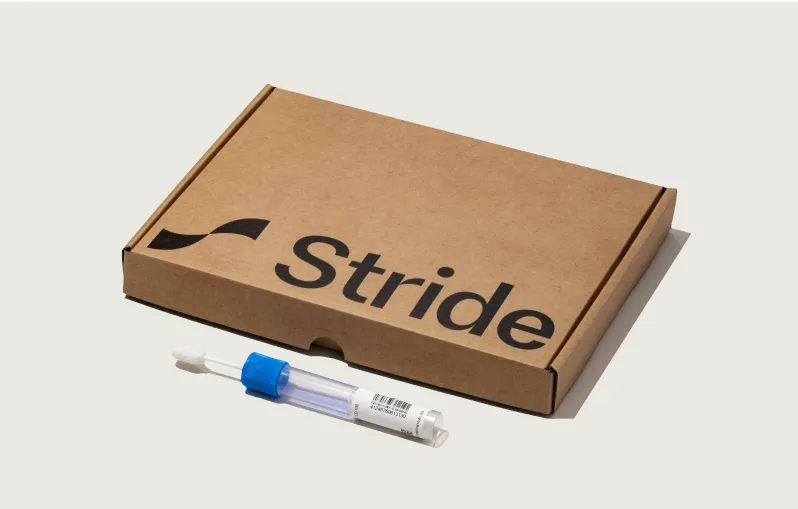




Sex Hormone Binding Globulin (SHBG) Blood Test
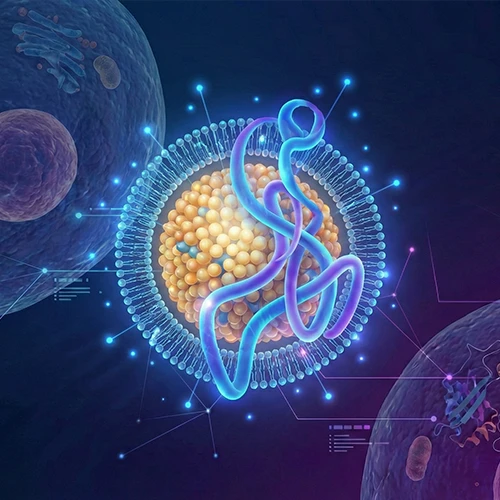
Sex Hormone Binding Globulin (SHBG) is a protein made by the liver that tightly binds sex hormones like testosterone and oestradiol in the bloodstream. By controlling how much of these hormones are free and available to act on tissues, SHBG sits at the crossroads of reproductive, metabolic and liver health.
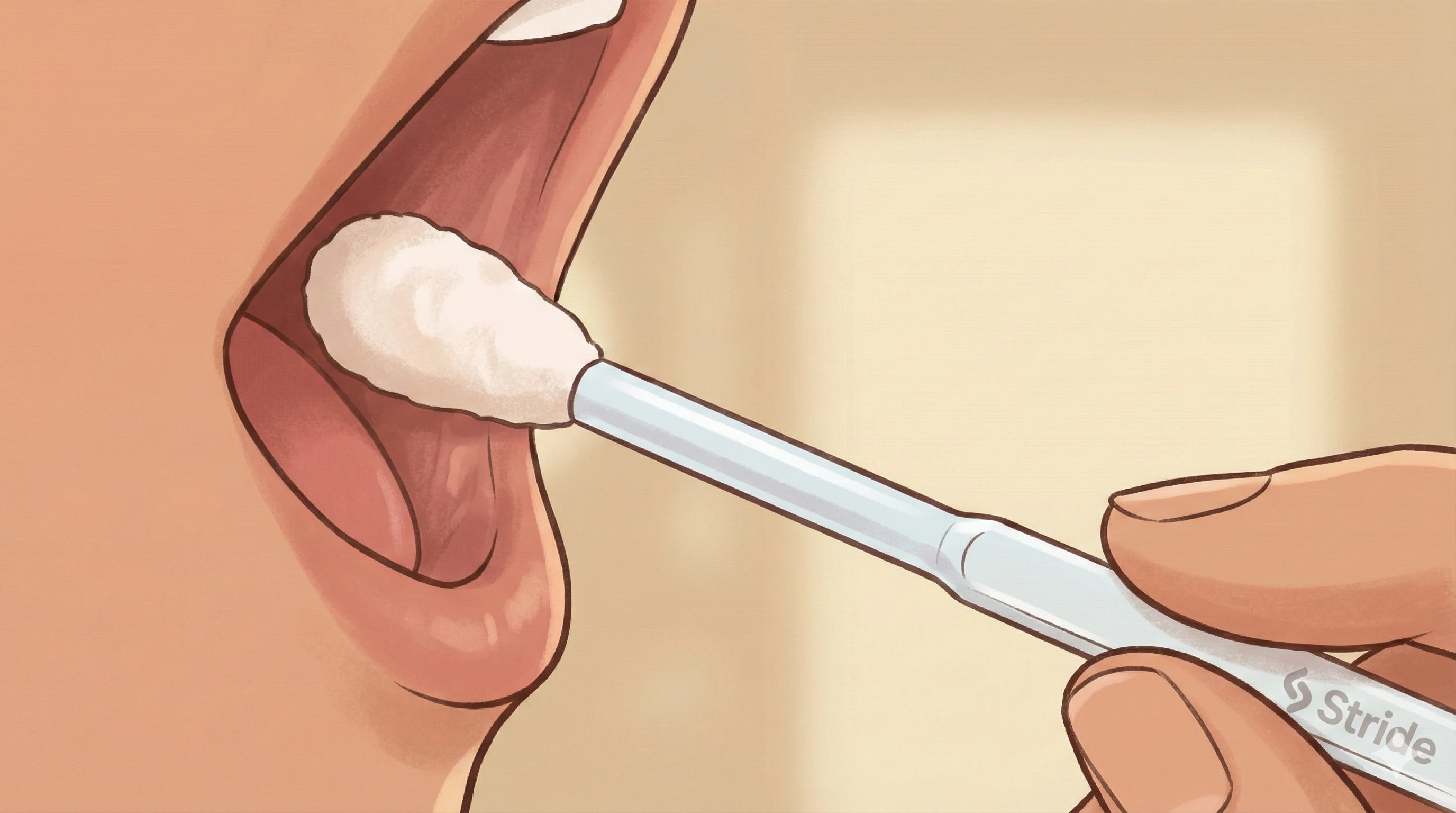

Sample type
Blood sample

Collection
At-home, At-home nurse visit

Often paired with
Total testosterone, Free Androgen Index (FAI), oestradiol, LH, FSH, prolactin, thyroid panel, metabolic markers

Fasting required
Not usually required
Key Benefits of Testing SHBG
Helps explain symptoms of high or low testosterone when total levels look "normal"
Supports assessment of androgen excess in women, including PCOS type patterns and unwanted hair or acne
Clarifies low testosterone symptoms in men by improving interpretation of free versus bound hormone
Reflects aspects of liver function, insulin resistance and metabolic health that influence hormone availability
Provides the building block for calculating Free Androgen Index and understanding bioavailable testosterone
What is Sex Hormone Binding Globulin (SHBG)?
SHBG is a large glycoprotein made in the liver that circulates in the blood and binds strongly to sex steroids, particularly testosterone and dihydrotestosterone, and to a lesser extent oestradiol. When hormones are bound to SHBG, they are not immediately available to tissues.
This means SHBG acts like a hormone carrier and gatekeeper. By binding a proportion of circulating sex hormones, it helps regulate how much free hormone can cross into cells and activate receptors. Changes in SHBG can therefore alter hormone effects even if total hormone levels stay the same.
What does SHBG do in the body?
SHBG's main role is to transport sex hormones through the bloodstream and buffer fluctuations in their levels. It maintains a reservoir of bound hormone that can be released gradually, while limiting spikes in free hormone activity.
When SHBG is high, a larger share of testosterone and oestradiol is bound, so less is free and available at tissue level. When SHBG is low, more hormone is unbound or loosely bound, which can increase androgen or oestrogen activity. Because of this, SHBG is central to how you experience symptoms related to testosterone and oestrogen, from energy and libido to skin, hair and cycle patterns.
Why is SHBG important for hormone and metabolic health?
SHBG links hormone balance with liver and metabolic health. The liver adjusts SHBG production in response to hormones, insulin and nutritional signals. Low SHBG is often seen in insulin resistance, obesity, type 2 diabetes risk and fatty liver patterns, where more free androgen may be circulating. Higher SHBG is more common in leaner metabolic profiles, with lower insulin levels and in oestrogen dominant states.
For hormone interpretation, SHBG helps explain why two people with the same total testosterone can feel very different. One might have high SHBG and low free testosterone, with symptoms of androgen deficiency. Another might have low SHBG, high free testosterone and symptoms of androgen excess. Testing SHBG brings this nuance into focus and supports more personalised decisions.
SHBG vs Total Testosterone and Free Androgen Index
Total testosterone measures all circulating testosterone, including what is tightly bound to SHBG and what is loosely bound or free. SHBG shows how much of that total is likely locked away. Free Androgen Index uses total testosterone and SHBG to estimate the proportion of testosterone that is bioavailable.
In women, SHBG and FAI are especially useful for assessing androgen excess in conditions like PCOS, where SHBG may be low and free androgens high even if total testosterone looks near normal. In men, SHBG helps distinguish true low androgen availability from normal free hormone in the context of age related changes and other health conditions.
What factors affect SHBG levels?
SHBG levels are shaped by liver production, hormonal environment, metabolic status and some medications. Key influences include:
1. Sex, age and life stage
- Women generally have higher SHBG than men, especially during the reproductive years
- SHBG tends to rise with age in men as total testosterone gradually declines
- Pregnancy and oestrogen rich states usually increase SHBG, while menopause can shift levels again
2. Hormones and endocrine conditions
- Oestrogen increases SHBG production, so combined hormonal contraception and oestrogen therapy can raise SHBG
- Androgens tend to reduce SHBG, so high androgen states or anabolic steroid use may lower it
- Thyroid hormones influence SHBG, with hyperthyroidism often associated with higher levels and hypothyroidism with lower levels
3. Metabolic health and body composition
- Insulin resistance, central obesity and fatty liver commonly lower SHBG
- Weight loss and improved insulin sensitivity can increase SHBG over time
- Chronic inflammation and metabolic syndrome patterns often correlate with low SHBG and higher cardiometabolic risk
4. Liver function
- Because SHBG is produced in the liver, liver disease can alter its production, sometimes raising or lowering levels depending on the stage and pattern of disease
- Alcohol intake and medications that affect the liver may indirectly shift SHBG
5. Medications and lifestyle factors
- Oestrogen containing contraceptives, anti androgen treatments and some anti epileptics can raise SHBG
- High dose androgens, some progestins and insulin sensitising treatments can lower or modify SHBG
- Diet, alcohol, sleep and movement influence insulin and liver health, which feed back into SHBG production over time
Normal vs optimal SHBG levels
SHBG reference ranges differ by sex and age, and vary slightly between laboratories. Typical ranges are roughly in the region of about 10 to 57 nmol/L for adult men and 18 to 144 nmol/L for non pregnant adult women, with some adjustment by age. Being within the reference range means your SHBG is broadly similar to a general population sample for your sex and age group.
From an optimisation perspective, what matters most is how SHBG relates to your total testosterone, oestradiol and symptoms. A value at one end of the range may be optimal for one person and unhelpful for another. For example, mid range SHBG in men often supports balanced free testosterone, while higher in range SHBG in women can help temper androgen excess. Interpretation should always consider the full hormone pattern and metabolic context.
Do I need to fast for an SHBG test?
Fasting is not usually required for an SHBG test. A simple blood sample at any time of day can measure SHBG reliably, although your clinician may combine it with morning hormone tests for testosterone that do have time of day considerations, especially in men.
If SHBG is tested as part of a wider panel that includes fasting glucose or lipids, you may be asked to fast so those markers are comparable over time. Following the specific preparation instructions for your test helps you build a consistent baseline for tracking change.
What can raise SHBG levels?
SHBG can be raised when liver production is stimulated by oestrogen or when metabolic conditions favour higher binding protein output. Common contributors include:
- Oestrogen containing contraception or hormone therapy
- Pregnancy and some stages of the menstrual cycle
- Hyperthyroidism and some liver conditions
- Lean body composition with lower insulin and more favourable metabolic profiles
In some contexts, higher SHBG can reduce free testosterone too much, leading to symptoms of low androgen availability. In other settings, higher SHBG may reflect healthier metabolic and liver status. The impact depends on your underlying hormone picture and symptoms.
What can lower SHBG levels?
Low SHBG is often a clue to underlying metabolic and hormonal trends. Contributors can include:
- Insulin resistance, type 2 diabetes risk and central obesity
- Androgen excess states, including some PCOS patterns or anabolic steroid use
- Hypothyroidism and certain liver conditions
- High insulin and chronic inflammation related to diet and lifestyle
Low SHBG means a higher proportion of free sex hormones, which can amplify androgen or oestrogen effects. In women, this can contribute to acne, unwanted hair and cycle irregularity. In men, low SHBG can mask low total testosterone by keeping free testosterone nearer normal for a time, which can complicate interpretation.
Stride tests that include SHBG
FAQs
What is the SHBG blood test?
The SHBG blood test measures the amount of Sex Hormone Binding Globulin in your blood, showing how much of your testosterone and oestradiol is likely bound and how much is left free to act on tissues.
What is a normal SHBG level?
Normal SHBG ranges differ for men and women and can vary by laboratory, but men typically have values in a lower band than women. Your lab report will list the reference range for your sex and age so you can see where your result sits.
What does a high SHBG result mean?
High SHBG means more of your sex hormones are bound, which can lower free testosterone and sometimes free oestradiol. It can be seen with oestrogen therapy, hyperthyroidism, pregnancy, some liver conditions and leaner metabolic profiles, and may contribute to low androgen symptoms in some people.
What does a low SHBG result mean?
Low SHBG means a higher fraction of your hormones is free and active. It is often associated with insulin resistance, central obesity, androgen excess and some thyroid or liver conditions. In women, low SHBG can play into PCOS type symptoms, while in men it can signal metabolic risk even if free testosterone seems acceptable.
Do I need a Sex Hormone Binding Globulin (SHBG) test?
You might consider an SHBG test if you have symptoms of androgen excess or deficiency that do not match your total testosterone, if you are exploring PCOS or fertility questions, if you live with insulin resistance or fatty liver, or if you want a more precise view of free hormone activity. Including SHBG in your Stride panels helps you connect hormone numbers with real world performance, mood and long term metabolic health.