
Menu
-
Shop All
Contact
hey@getstride.com
Stride Health Group
Stride Health Group Ltd
Company No 05158025
Lamas Road
Badersfield
Norwich
England
NR10 5FB
UK
Extra 10% Off | Enter code GIFT at checkout


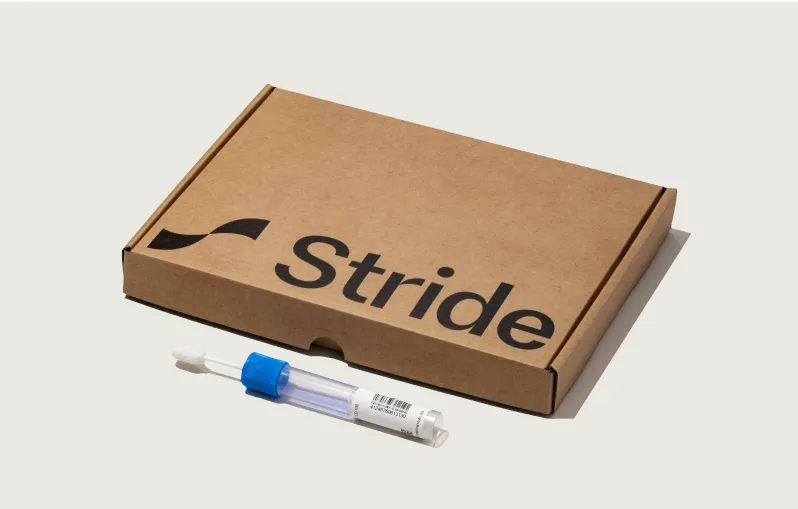




RNASEL Gene Test (Ribonuclease L)
The RNASEL gene test analyses DNA for variants in the ribonuclease L pathway that can alter how your cells respond to viral infections and regulate cellular stress responses such as apoptosis. Understanding your RNASEL status adds genetic context to antiviral defence, immune signalling, and cancer susceptibility so you can personalise prevention strategies, lifestyle choices, and longer term screening conversations rather than guessing.
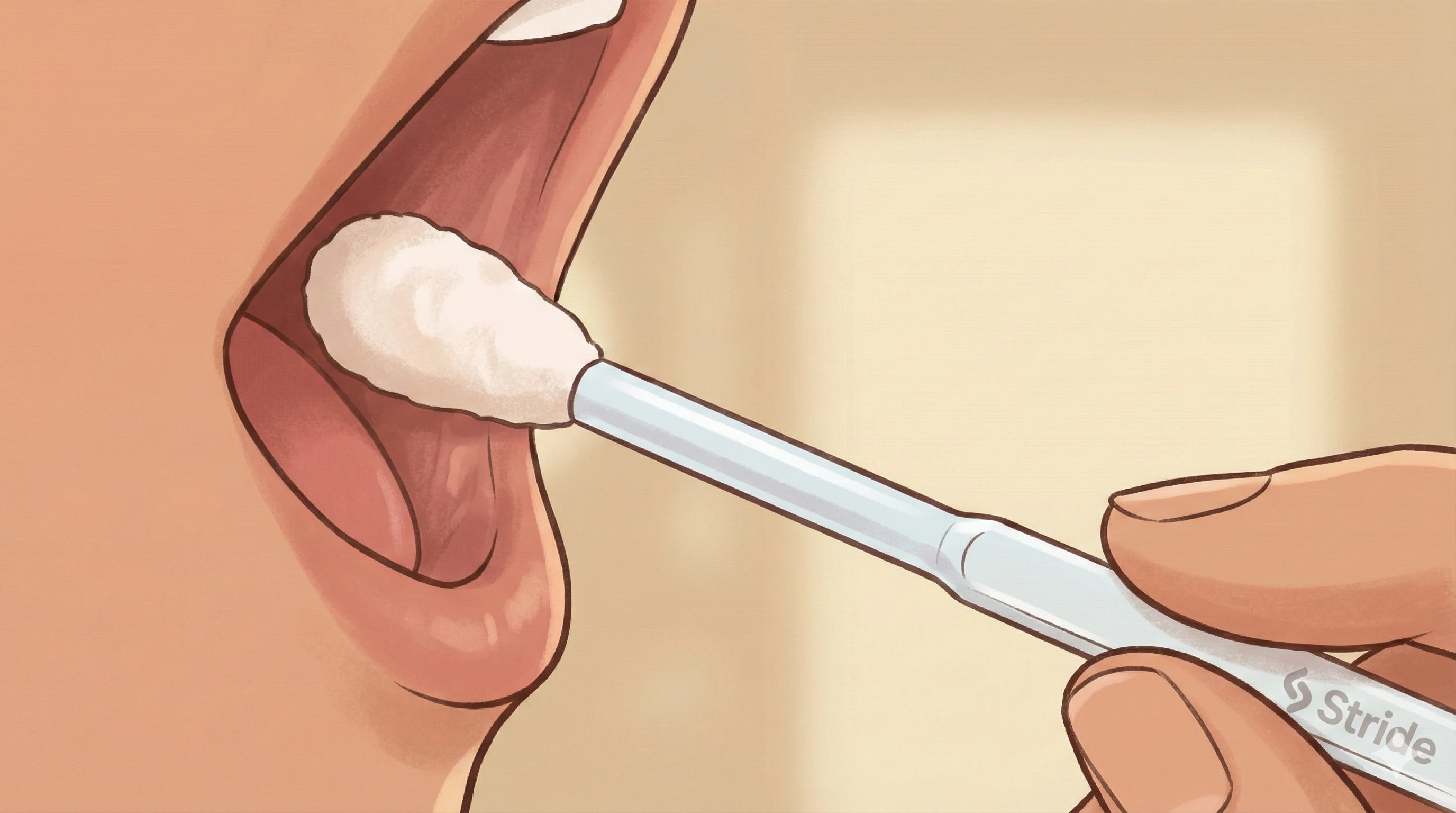

Sample type
Cheek swab, Blood sample

Collection
At-home

Often paired with
Interferon pathway variants, broader immune and inflammation markers, viral exposure history, family history of prostate cancer or hormone-related cancers

Fasting required
Not required for DNA testing; follow clinical guidance for any accompanying blood tests
Key benefits of testing RNASEL
- Identify whether you carry RNASEL variants that change enzyme activity, which may influence how efficiently your cells break down viral RNA and trigger antiviral defence when interferon pathways are activated.
- Help explain why some people experience more persistent or severe viral infections, or respond differently to immune stressors, by highlighting a genetic tendency that can be supported rather than fixed.
- Add context to prostate cancer risk in families where multiple relatives have been affected, especially at a younger age, by clarifying whether RNASEL forms part of a wider hereditary pattern.
- Inform personalised prevention strategies that integrate immune resilience, infection history, and cancer screening discussions, instead of focusing on a single risk factor in isolation.
- Clarify your baseline antiviral and apoptosis-related capacity alongside other biomarkers, so long term prevention and optimisation plans can be built on both genetics and real time biology rather than population averages.
What is the RNASEL gene?
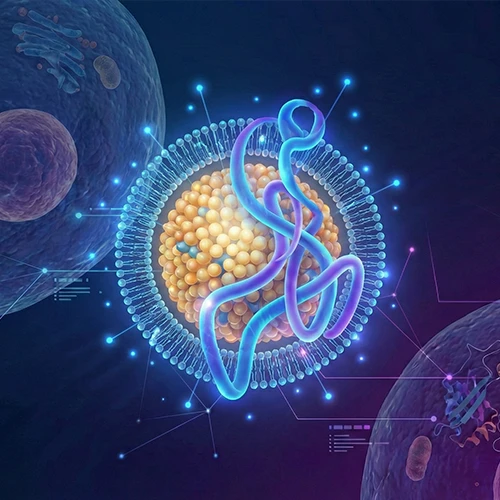
RNASEL provides instructions for producing ribonuclease L, an enzyme that sits inside the interferon regulated 2--5A antiviral system and becomes active when cells detect viral RNA. Once activated, ribonuclease L helps degrade single stranded RNA and can influence downstream signals such as protein synthesis and programmed cell death.
Common RNASEL variants exist across the general population, with some changes modestly reducing enzyme activity compared with the reference form. These differences usually do not cause a clear genetic disorder on their own, but they can tilt the balance of antiviral defence and immune signalling in the context of other risk factors such as viral exposure, inflammation, or hormonal environment.
What does RNASEL do?
RNASEL encodes ribonuclease L, an endoribonuclease that remains latent until the interferon system is activated during viral challenge or other cellular stress. When switched on, ribonuclease L contributes to antiviral defence by cleaving viral RNA, influencing ribosomal RNA turnover, and helping initiate stress responses that can lead to autophagy or apoptosis in heavily damaged cells.
Because these pathways sit at the crossroads of immune defence, cell survival, and cell death, RNASEL activity can also shape how tissues respond to chronic inflammation or proliferative signals over time. Variants that significantly reduce enzyme activity may subtly change how often damaged cells are cleared, which is one reason RNASEL has been studied in relation to prostate cancer and other hormone or virus influenced cancers.
Why is RNASEL important for health?
RNASEL contributes to three interconnected domains: antiviral defence, innate immune signalling, and regulation of cellular stress responses linked to proliferation and apoptosis. Research has explored associations between RNASEL variants and conditions such as hereditary prostate cancer, virus linked cancers, and variable responses to viral infections, often in the context of wider immune, hormonal, and environmental factors.
The real world impact of common RNASEL variants is often modest and highly context dependent, with risk increasing mainly when other drivers such as chronic inflammation, hormone imbalance, or lifestyle related factors are not optimised. Most expert perspectives emphasise that genotype is one piece of the puzzle; infection exposure, immune health, hormones, and metabolic status generally play a larger role in day to day decision making.
RNASEL vs other immune markers
It is easy to assume that RNASEL testing and standard immune tests tell you the same story, but they capture different layers of your biology. Immune blood markers such as white cell counts or inflammatory markers reflect how your system is behaving right now, whereas RNASEL testing looks at inherited variants that may influence how strongly you can activate certain antiviral and apoptotic pathways when challenged.
This distinction matters because you can carry an RNASEL variant and still have completely normal immune blood tests in the absence of active infection or inflammation. Conversely, you can have raised inflammatory markers or poor infection control without a notable RNASEL variant, due to other genetic, environmental, or lifestyle factors that often respond well to targeted support.
Factors that modify RNASEL variants
The influence of RNASEL variants is shaped far more by your wider environment and biology than by the gene alone, which means you have meaningful room to change the trajectory. Several modifiable factors can either buffer or amplify any genetic tendency.
- Immune and inflammatory status: Overall immune health, chronic low grade inflammation, and coexisting immune conditions can change how relevant RNASEL variants become. Supporting nutrient status, sleep, and metabolic health often does more to improve resilience than focusing on the gene in isolation.
- Hormonal and metabolic health: Androgen status, metabolic syndrome, and other endocrine factors can interact with prostate and tissue level risk in people with RNASEL variants. Addressing insulin resistance, weight, and hormonal balance usually moves the needle more than genotype alone.
- Viral and environmental exposures: Lifetime exposure to common viruses, occupational hazards, and environmental stressors shapes how often interferon and RNASEL pathways are called into action. Vaccination decisions, infection prevention strategies, and early treatment of acute infections remain key levers regardless of genetic pattern.
- Medications and clinical context: Drugs that interact with immune regulation, hormones, or cell proliferation may have different consequence profiles in people with higher risk RNASEL backgrounds. In these scenarios, genotype information can support more nuanced risk discussion and monitoring with your clinical team.
- Lifestyle and foundational health behaviours: Smoking, high alcohol intake, physical inactivity, and nutrient poor dietary patterns typically worsen inflammatory tone and cell level stress, making any genetic effects more obvious. Diets rich in whole foods, regular movement, stress management, and restorative sleep support antiviral and cellular resilience whether or not you carry RNASEL variants.
- Screening and monitoring strategy: For those with a strong family history of prostate or related cancers, RNASEL status can act as a nudge to clarify screening timing and thresholds, rather than a stand alone diagnostic label. Combining genotype with blood markers, imaging, and clinical assessment gives a far more accurate picture.
RNASEL variants without symptoms
Yes, and that is the norm rather than the exception. Many people with common RNASEL variants never experience obvious genetic symptoms and only discover their status through DNA testing as part of a broader immune, methylation, or cancer risk panel.
Symptoms that are sometimes linked to antiviral or immune pathways, such as frequent infections or prolonged post viral fatigue, are non specific and can arise from sleep, stress, nutrient status, coexisting conditions, and many other factors that deserve a comprehensive workup. Severe, childhood onset immune disorders involving RNASEL related pathways are rare and distinct from the more subtle polymorphisms reported on standard consumer DNA tests.
Common RNASEL genotypes
Common RNASEL genotypes mainly differ in how much they alter enzyme activity and how strongly they influence antiviral responses and proliferation control, especially when other risk factors are present. Understanding your pattern can help refine prevention strategies without labelling you as a good or bad genotype.
- Reference / wild type: This pattern is associated with typical ribonuclease L activity, so infection outcomes and cancer risk depend more on environmental exposures, hormones, and lifestyle than on RNASEL itself.
- Heterozygous carriers of functional variants: These genotypes usually retain much of the enzyme's function, with subtle, context dependent effects that may only become clear when combined with strong environmental or lifestyle stressors.
- Homozygous or compound carriers of reduced activity variants: Having two function altering copies can reduce enzyme activity more substantially and may modestly raise risk for certain cancers or persistent viral infections under specific conditions. Many people in this group still maintain good health with appropriate prevention and lifestyle support.
How to prepare for an RNASEL test
For DNA based RNASEL testing, preparation is straightforward because your genotype does not change with daily variables such as meals, exercise, or sleep. The main decision is which panel to choose, and how RNASEL will sit alongside other genes and biomarkers that give you a more complete picture.
Standalone RNASEL genotyping using blood or saliva does not require fasting, since it analyses stable DNA rather than dynamic blood levels. If RNASEL is bundled with blood tests such as hormones, inflammatory markers, or metabolic panels, your clinician or testing instructions may recommend specific preparation so you can track changes reliably over time.
Do I need an RNASEL test?
An RNASEL test is most valuable when the result will influence how you personalise cancer prevention, infection strategies, or screening decisions as part of a broader risk roadmap. It is less helpful when done in isolation without access to family history, immune markers, and clinical context.
- Strong family history of prostate or related cancers: If multiple relatives have had prostate cancer or hormone related cancers, particularly at a younger age, RNASEL testing can add useful context to discussions about screening thresholds and monitoring frequency.
- Unusual infection patterns or post viral issues: In people with recurrent, unexplained severe viral infections or a complex post viral course, RNASEL status can contribute one more layer to a broader immune and metabolic workup. It does not replace standard clinical assessment, but it can refine how you think about prevention.
- Integrating DNA into a prevention plan: For those investing in comprehensive preventative testing, RNASEL genotyping alongside hormone markers, inflammatory biomarkers, and lifestyle data provides a durable piece of information that can be revisited at key life stages and clinical decisions.
- Personal preference and early adopter mindset: If you value having fine grained insight into your biology and are willing to act on that information through lifestyle, screening, and clinical collaboration, RNASEL can be a worthwhile addition to your DNA panel.
Stride tests that include RNASEL


Health Tests
Core DNA Methylation Test
5 reports: Methylation profile reports
From $229 $183.20
FAQs
What is the RNASEL gene test?
The RNASEL gene test analyses your DNA from blood or saliva to look for variants that may influence how efficiently your cells activate ribonuclease L in response to interferon signals and viral RNA.
What does an RNASEL mutation mean?
Common RNASEL variants, often called polymorphisms, may modestly alter enzyme activity and slightly shift antiviral or cancer susceptibility in the presence of other risk factors, but many carriers stay well with good foundational health.
Do RNASEL variants always cause health problems?
No; most people with RNASEL variants never develop clear health problems, and overall risk depends far more on lifestyle, infection history, hormones, and metabolic health than on this single gene.
Is RNASEL testing recommended for prostate cancer?
Some specialist groups consider RNASEL alongside other genes in families with strong prostate cancer clustering, but genotype alone generally has limited predictive power without broader clinical and family context.
Can RNASEL affect viral infections or immune resilience?
RNASEL is part of the interferon driven antiviral response, so certain variants may modestly influence how your cells handle viral RNA, but day to day infection outcomes are still heavily shaped by sleep, nutrition, stress, and vaccination status.
Do I need an RNASEL test?
You might consider an RNASEL test if results would influence how you approach cancer screening, respond to a strong family history of prostate or virus related cancers, interpret unusual infection patterns, or build a more personalised long term prevention plan with your clinician.
Do I need to fast for RNASEL testing?
Fasting is not required for DNA based RNASEL testing, although accompanying blood tests such as hormone panels, inflammatory markers, or metabolic profiles may have specific preparation instructions that are worth following for consistent tracking.
How can I optimise RNASEL related pathways?
Rather than trying to treat the gene, focus on optimising sleep, stress management, nutrient dense nutrition, physical activity, and infection prevention so your interferon and antiviral systems can perform well over time, regardless of your RNASEL genotype.