
Menu
-
Shop All
Contact
hey@getstride.com
Stride Health Group
Stride Health Group Ltd
Company No 05158025
Lamas Road
Badersfield
Norwich
England
NR10 5FB
UK
Extra 10% Off | Enter code GIFT at checkout





RGS16 Gene Test (Regulator Of G Protein Signaling 16)
The RGS16 gene test analyses DNA for variants in regulator of G protein signaling 16, a protein that switches off specific G protein coupled receptor signals and plays a key role in circadian timing, immune regulation, and liver glucose and fat metabolism. Understanding your RGS16 status adds genetic context to chronotype, metabolic flexibility, and inflammatory tone so you can personalise prevention and performance strategies rather than guessing.
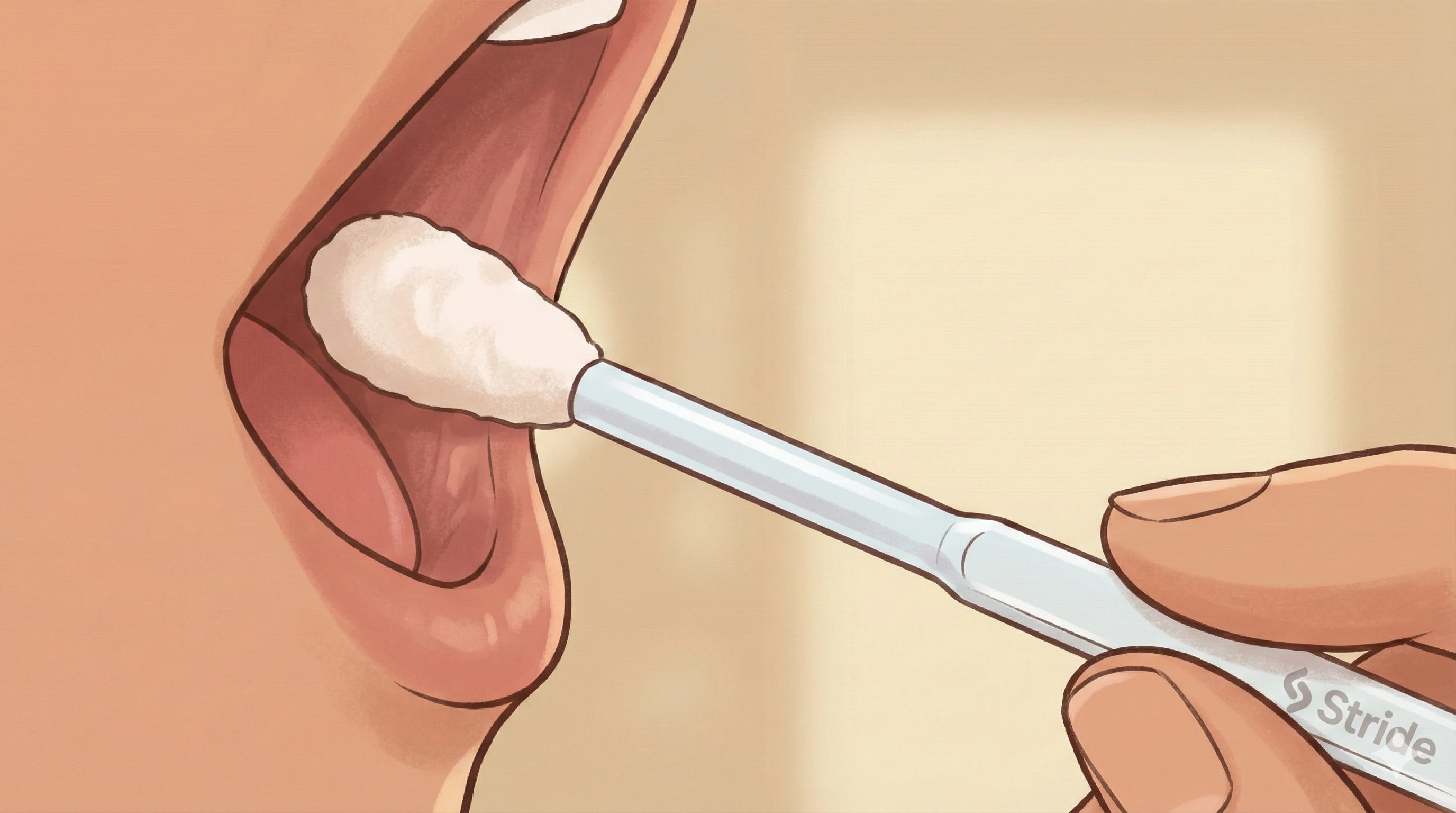

Sample type
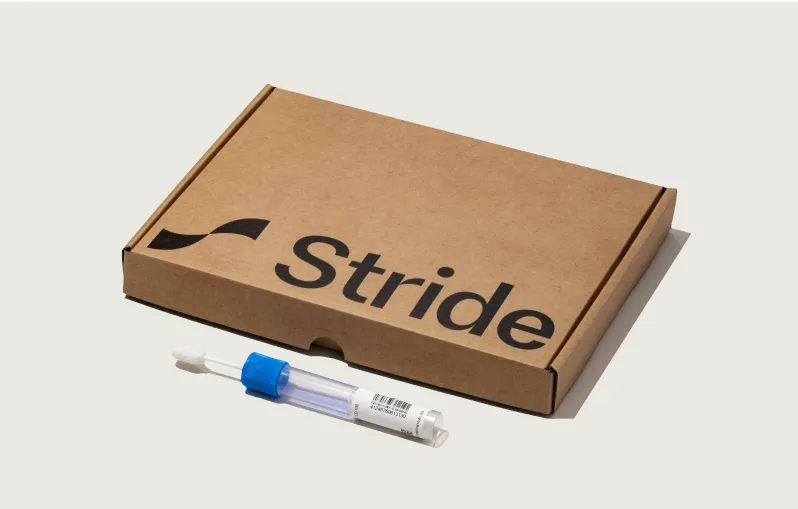
Cheek swab, Blood sample

Collection
At-home

Often paired with
PER2, PER3, VIP, PLCL1, other stress and sleep response genes, cardiometabolic markers, inflammatory markers, sleep and activity tracking

Fasting required
Not required for DNA testing; follow clinical guidance for any accompanying blood tests
Key benefits of testing RGS16
- Identify whether you carry RGS16 variants that may alter G protein signalling shutoff kinetics, which can shape circadian cAMP rhythms in the brain, glucose and lipid handling in the liver, and inflammatory responses in immune cells.
- Help explain a tendency toward morningness, sensitivity to circadian disruption, or specific metabolic patterns in research contexts, by highlighting a genetic tendency that can be supported rather than fixed.
- Add context to blood glucose and fatty acid metabolism patterns, where RGS16 has been shown experimentally to influence hepatic glucose production and fatty acid oxidation through GPCR pathways.
- Inform personalised strategies around sleep timing, light exposure, feeding schedules, and cardiometabolic prevention, especially when interpreted alongside PER genes, HPA axis markers, and lifestyle data.
- Clarify your baseline G protein signalling architecture across circadian, metabolic, and immune pathways, so long term optimisation plans can be built on both genetics and real time biomarkers.
What is the RGS16 gene?
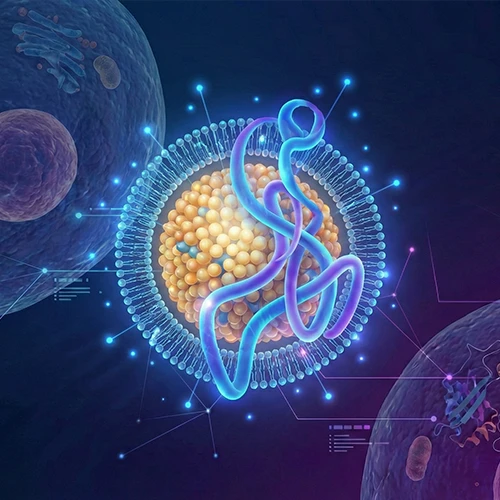
RGS16 (regulator of G protein signaling 16) encodes a member of the RGS family of GTPase activating proteins that accelerate the intrinsic GTPase activity of Gα subunits, particularly Gαi and Gαq, thereby shortening the duration of G protein coupled receptor signalling. By promoting the conversion of GTP bound Gα to its inactive GDP bound form, RGS16 acts as a brake on GPCR driven cascades.
RGS16 is expressed in multiple tissues, with notable circadian expression in the suprachiasmatic nucleus and rhythmic expression in liver, as well as roles in phototransduction and immune cell signalling. This expression pattern positions RGS16 as a connector between clock timing, metabolic regulation, and immune responses, rather than as a gene confined to one organ or system.
What does RGS16 do?
In the brain's master clock, RGS16 helps regulate intracellular cAMP signalling by inactivating Gαi at specific circadian times, which allows time dependent activation of adenylyl cyclase and cAMP production. Experimental gene ablation of Rgs16 in animal models leads to loss of circadian cAMP oscillations in the suprachiasmatic nucleus, lengthened behavioural circadian period, and altered phase relationships between clock neuron populations.
In the liver, RGS16 modulates GPCR pathways that control glucose production and fatty acid oxidation. Overexpression in hepatocytes has been shown to lower blood glucose and alter hepatic fatty acid metabolism in experimental models, indicating that RGS16 participates in the cross-talk between carbohydrate sensing, gluconeogenesis, and lipid oxidation. In immune cells, RGS16 expression shapes toll like receptor induced cytokine profiles, helping restrain excessive pro inflammatory responses and contributing to immune homeostasis.
Why is RGS16 important for health?
RGS16 contributes to three interconnected domains: circadian clock timing, metabolic regulation, and immune and inflammatory balance. Genetic and functional studies link RGS16 to behavioural circadian period and chronotype, hepatic glucose and fatty acid handling, and regulation of pro inflammatory cytokine production in myeloid cells, as well as T cell function and exhaustion in tumour microenvironments.
Because circadian alignment, metabolic health, and inflammation collectively influence cardiometabolic risk, energy, mood, and long term health span, RGS16 is one of several genes that helps explain why people differ in their response to late nights, feeding timing, and inflammatory challenges. Common RGS16 variants usually exert modest, context dependent effects, with lifestyle and environment remaining the dominant drivers of day to day outcomes.
RGS16 vs other markers
It is easy to assume that RGS16 testing and routine sleep, metabolic, or inflammatory markers tell you the same story, but they capture different layers of your biology. Melatonin and cortisol profiles, continuous glucose monitoring, lipid panels, and CRP reflect how your system is functioning right now, whereas RGS16 testing looks at inherited variants that influence how quickly certain GPCR signals are turned off in circadian, hepatic, and immune circuits.
This distinction matters because you can carry RGS16 variants and still have excellent sleep, metabolic, and inflammatory profiles when your routines and behaviours support healthy rhythms and energy balance. Conversely, circadian disruption, insulin resistance, or chronic inflammation can occur without notable RGS16 variants due to other genes, environment, or lifestyle factors, which often provide more direct levers for change.
Factors that modify RGS16 variants
The influence of RGS16 variants is shaped far more by your routines, diet, and inflammatory environment than by the gene alone, which means you have meaningful room to change the trajectory. Several modifiable factors can either buffer or amplify any genetic tendency.
- Sleep timing and light exposure: Consistent sleep and wake times, strong morning light, and reduced late night light help stabilise circadian cAMP rhythms in the suprachiasmatic nucleus, reducing the functional impact of RGS16 related differences in period length or phase relationships.
- Feeding pattern and macronutrient balance: Meal timing, carbohydrate load, and overall energy balance shape hepatic glucose production and fatty acid oxidation, where RGS16 plays a regulatory role. Time appropriate eating, adequate protein, and control of ultra processed carbohydrates often move the needle more than genotype alone.
- Physical activity: Regular movement improves insulin sensitivity, lipid handling, and circadian alignment, and can mitigate metabolic vulnerabilities even in the presence of RGS16 related signalling differences in the liver.
- Inflammatory load and immune triggers: Chronic infections, obesity, high sugar and trans fat intake, and unmanaged stress increase the frequency and intensity of inflammatory signalling events that recruit RGS16. Addressing these drivers helps maintain a more balanced cytokine profile whether or not you carry RGS16 variants.
- Coexisting conditions and medications: Conditions such as type 2 diabetes, non alcoholic fatty liver disease, and autoimmune conditions, as well as drugs targeting GPCRs, can change how important RGS16 becomes in practice. In these situations, genotype information is best interpreted alongside specialist input and comprehensive biomarker data.
RGS16 variants without symptoms
Yes, and that is very common. Most people with RGS16 variants never develop a recognisable RGS16 specific syndrome and only discover their status through broad DNA panels that cover stress, sleep, and metabolic genes.
Traits such as being a morning person, subtle differences in fasting glucose, or variation in inflammatory response are influenced by many genes and environmental factors. Even in large chronotype genome wide association studies where RGS16 variants are linked to morningness, the effect sizes are small, and lifestyle remains the major determinant of sleep schedules and metabolic health for most people.
Common RGS16 genotypes
Common RGS16 genotypes mainly differ in how they influence expression or function and, consequently, the kinetics of Gαi and Gαq signal termination, with downstream effects on circadian timing, hepatic metabolism, and immune responses. Their impact is usually modest and best viewed as one piece of a broader pattern.
- Reference RGS16 pattern: Reflects the most common sequence in the population, with typical regulation of circadian cAMP rhythms, hepatic GPCR signalling, and immune cytokine profiles, leaving behaviour, light, and diet as the key drivers of real world outcomes.
- Variants associated with chronotype: Certain polymorphisms near RGS16 have been linked to a higher likelihood of morningness in large cohorts, suggesting small shifts in circadian period or phase, but they do not fix your schedule or guarantee a specific chronotype.
- Regulatory and functional variants in liver or immune contexts: Experimental work suggests that changes in RGS16 levels can alter hepatic fatty acid oxidation and glucose production and adjust inflammatory cytokine responses. In humans, such variants are likely to act as modifiers whose impact depends on diet, adiposity, and inflammatory exposures.
How to prepare for an RGS16 test
For DNA based RGS16 testing, preparation is simple because your genotype is stable and unaffected by short term variables such as meals or sleep. The key choice is using a panel that includes RGS16 alongside relevant clock, metabolic, and immune genes so the result is informative rather than isolated.
Standalone RGS16 genotyping using blood or saliva does not require fasting, since it analyses DNA sequence rather than dynamic levels of hormones or metabolites. If RGS16 is included in a package that also assesses glucose, lipids, liver function, or inflammatory markers, your clinician or testing provider may recommend specific preparation so you can track changes reliably over time.
Do I need an RGS16 test?
An RGS16 test is most valuable when the result will influence how you structure sleep, feeding, activity, and inflammation control as part of a broader biomarker strategy. It is less helpful when ordered in isolation without considering symptoms, lifestyle, and other markers.
- Persistent circadian challenges and chronotype questions: If you track your sleep and see consistent misalignment with your obligations, RGS16 testing alongside PER and other clock genes can help explain your baseline tendencies and guide more targeted circadian strategies.
- Metabolic health focus: For people actively working on glucose control, fatty liver risk, and lipid profiles, RGS16 can contribute one more layer to the metabolic picture in combination with diet, activity, and other genetic markers.
- Inflammation and immune resilience: In those with complex inflammatory patterns, recurrent infections, or interest in immunometabolic health, RGS16 sits within a network of genes that shape cytokine responses and can inform long term prevention planning when interpreted with expert input.
- High performance and longevity mindset: If you already use data from wearables, blood tests, and other genetics to shape your routines, RGS16 adds nuance to how you design light, sleep, feeding, and training windows for better alignment with your personal clock and metabolism.
Stride tests that include RGS16


Health Tests
Core DNA Methylation Test
5 reports: Methylation profile reports
From $229 $183.20
FAQs
What is the RGS16 gene test?
The RGS16 gene test analyses your DNA from blood or saliva to look for variants in regulator of G protein signaling 16 that can influence circadian cAMP rhythms, hepatic glucose and lipid metabolism, and inflammatory signalling.
What does an RGS16 gene mutation mean?
Common RGS16 variants usually act as subtle modifiers of chronotype, metabolic regulation, or inflammatory tone rather than direct causes of disease, and their impact depends heavily on sleep, diet, activity, and broader genetic background.
Do RGS16 variants always cause health problems?
No; most people with RGS16 variants never develop clear health problems linked specifically to this gene. Outcomes depend far more on circadian alignment, metabolic health, inflammation, and lifestyle than on RGS16 alone.
Is RGS16 testing recommended for sleep or metabolic disorders?
RGS16 testing can add context in complex sleep or metabolic cases, particularly when combined with other clock and metabolic genes and detailed biomarker data, but it is not a stand alone diagnostic tool for insomnia, diabetes, or fatty liver disease.
Can RGS16 affect my chronotype and response to shift work?
RGS16 helps define circadian period and synchrony between clock neurons, so certain variants may influence whether you lean toward morningness and how you cope with jet lag or shift work, but behaviour and environment remain powerful levers you can control.
Do I need an RGS16 test?
You might consider an RGS16 test if results would change how you structure sleep, light exposure, feeding windows, and training, especially if you already track your data and want to move from generic advice to a more personalised, clock and metabolism aware approach.
Do I need to fast for RGS16 testing?
Fasting is not required for DNA based RGS16 testing, although any accompanying blood tests such as glucose, lipids, liver enzymes, or inflammatory markers may come with specific preparation instructions that are worth following for consistent tracking.
How can I optimise RGS16 related pathways?
Rather than trying to treat the gene, focus on consistent sleep and wake times, smart light exposure, nutrient dense food, time appropriate eating, regular movement, and effective stress and inflammation management so your circadian, metabolic, and immune systems can perform well over time, whatever your RGS16 genotype.