
Menu
-
Shop All
Contact
hey@getstride.com
Stride Health Group
Stride Health Group Ltd
Company No 05158025
Lamas Road
Badersfield
Norwich
England
NR10 5FB
UK
Extra 10% Off | Enter code GIFT at checkout






Prolactin Blood Test
Prolactin is a hormone made by the pituitary gland that is best known for its role in breast development and milk production, but it also affects fertility, sex hormones, bone health and menstrual cycles in women and men. A prolactin blood test helps explain irregular periods, infertility, low libido, erectile issues, breast changes and some headache or visual symptoms linked to pituitary function.
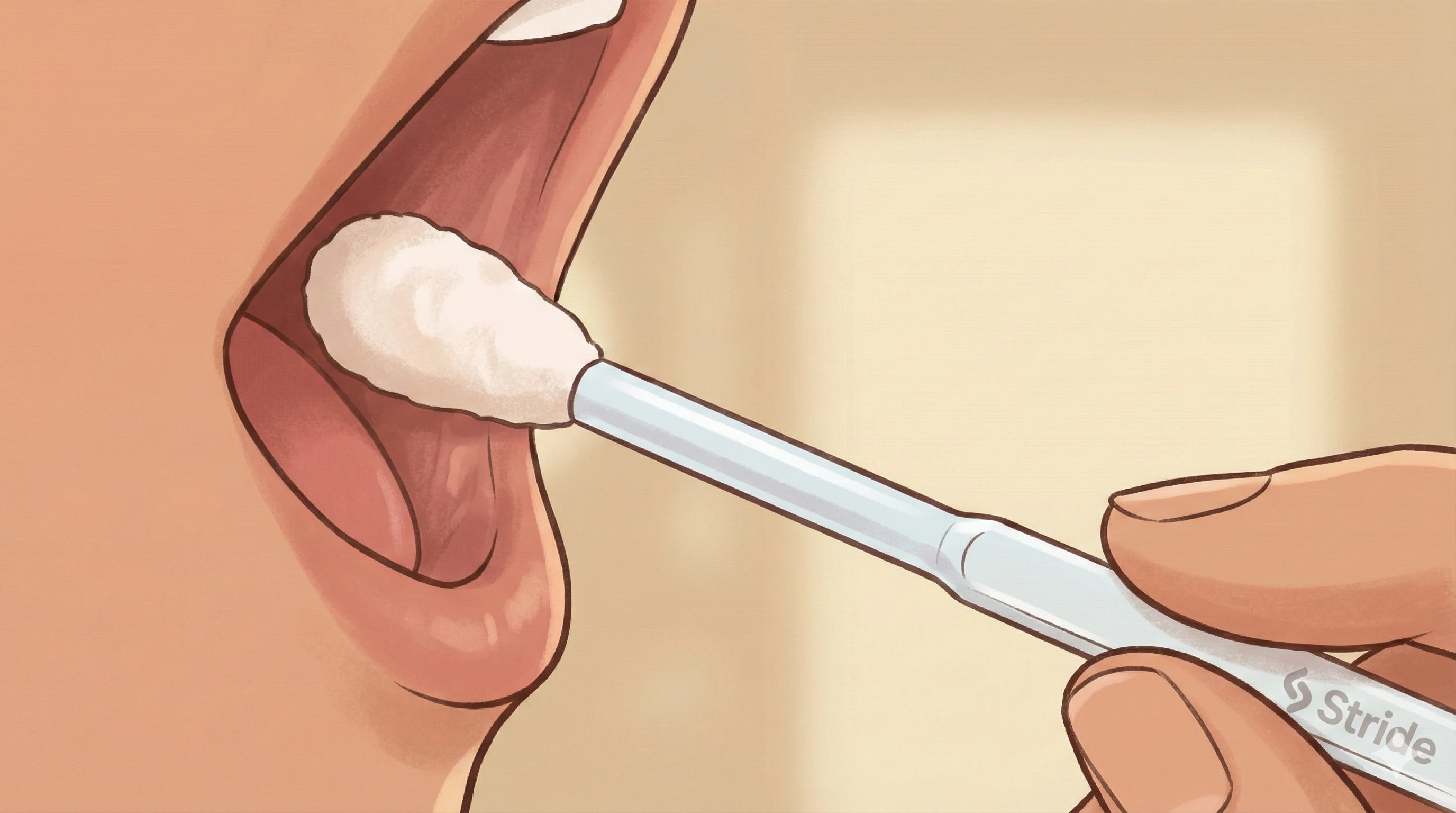

Sample type
Blood sample

Collection
At-home, At-home nurse visit

Often paired with
FSH, LH, oestradiol, progesterone, testosterone, thyroid panel, MRI of the pituitary when indicated

Fasting required
Not always, but often taken in the morning after rest
Key Benefits of Testing Prolactin
- Helps investigate irregular or absent periods and ovulation problems in women
- Assesses a potential cause of low libido, erectile dysfunction and infertility in men
- Screens for hyperprolactinaemia, which can signal pituitary issues, medication effects or stress responses
- Provides context for galactorrhoea (milk discharge from the breasts) outside pregnancy and breastfeeding
- Contributes to understanding headaches or visual changes when a pituitary cause is suspected
What is Prolactin?
Prolactin is a peptide hormone secreted by the anterior pituitary gland, a small gland at the base of the brain. Its primary physiological role is to stimulate breast development and milk production in pregnant and breastfeeding women.
Outside pregnancy and lactation, prolactin levels are usually relatively low, kept in check by dopamine signals from the hypothalamus. Because prolactin secretion is influenced by sleep, stress and some medications, levels can fluctuate over the course of a day but follow a recognisable pattern.
What does Prolactin do in the body?
In pregnancy and after birth, rising prolactin levels prepare the breasts for lactation and maintain milk production. Prolactin also plays a role in maternal behaviour and bonding through its actions in the brain.
At other times, prolactin interacts with the reproductive axis. High prolactin levels can reduce GnRH release from the hypothalamus, which lowers LH and FSH, and in turn suppresses ovulation in women and testosterone production and sperm development in men. Prolactin receptors exist in other tissues too, and prolonged imbalance can influence bone health and metabolism via its effects on sex hormones.
Why is Prolactin important for reproductive health?
Because prolactin sits upstream of key reproductive hormones, both low and especially high levels can affect fertility and cycle health. In women, elevated prolactin can cause irregular or absent periods, anovulation and difficulty conceiving, sometimes even when cycles appear relatively normal. It can also cause milk discharge from the breast in people who are not pregnant or breastfeeding.
In men, high prolactin often shows up as reduced libido, erectile dysfunction, reduced sperm quality and low testosterone. Hyperprolactinaemia can also underlie some cases of unexplained infertility. Identifying and treating prolactin issues can restore more typical hormone function and improve fertility outcomes in many cases.
Prolactin vs other pituitary and sex hormones
Prolactin is one of several hormones made by the pituitary, alongside TSH, ACTH, growth hormone, FSH and LH. While FSH and LH directly stimulate the ovaries and testes, prolactin modulates this system by acting on the hypothalamus and altering GnRH release.
If prolactin is high, GnRH, LH and FSH may be suppressed, which can lead to low oestradiol or low testosterone and their associated symptoms. Testing prolactin on its own can flag a problem, but adding FSH, LH, sex hormones and thyroid markers helps clarify where in the axis the main issue sits and whether a pituitary, thyroid, medication or stress related cause is most likely.
What factors affect Prolactin levels?
Prolactin levels are influenced by physiological states, medications, pituitary health and lifestyle factors. Important influences include:
1. Pregnancy, breastfeeding and life stage
- Prolactin rises significantly in pregnancy to prepare for lactation
- Levels remain elevated during breastfeeding and fall when feeding reduces
- Outside pregnancy and lactation, prolactin is usually low in both women and men
2. Pituitary and hypothalamic function
- Pituitary adenomas that secrete prolactin (prolactinomas) are a common cause of marked hyperprolactinaemia
- Other pituitary or hypothalamic lesions that interfere with dopamine input can also raise prolactin
- Pituitary damage or severe underactivity can sometimes lead to unusually low prolactin, although this is relatively rare
3. Medications and substances
- Antipsychotics, some antidepressants, anti sickness drugs and opioids can raise prolactin by blocking dopamine pathways
- Oestrogen containing therapies can influence prolactin, particularly at higher doses
- Some blood pressure medications and other drugs can also contribute to elevated levels
4. Stress, sleep and acute illness
- Prolactin naturally rises during sleep and can be transiently elevated by stress, exercise or venepuncture anxiety
- Acute severe illness can also temporarily alter prolactin, which is why repeat testing is often used to confirm persistent changes
5. Thyroid and kidney function
- Untreated hypothyroidism can increase TRH, which in turn stimulates prolactin release
- Significant kidney or liver disease can affect prolactin clearance and raise circulating levels
Normal vs optimal Prolactin levels
Laboratory reference ranges for prolactin differ slightly between men and women and can vary by assay. Typical adult ranges are often less than around 20 ng/mL in men and less than around 25 to 30 ng/mL in non pregnant women, with higher physiological ranges in pregnancy and lactation. Each lab will list its own interval.
A result below the reference range is uncommon and usually linked to broader pituitary underactivity. A result above the range may be mild, moderate or marked. Mild elevations can relate to stress, medications or hypothyroidism, while higher levels raise suspicion of a prolactin secreting adenoma or other structural changes. From an optimisation perspective, the aim is a prolactin level consistent with your life stage, medications and reproductive goals, not simply an in range label.
Do I need to fast for a Prolactin test?
Fasting is not always necessary, but many protocols recommend a morning sample after an overnight fast and a period of rest to reduce short term fluctuations. Avoiding strenuous exercise, heavy meals and significant stress immediately beforehand can help reduce spurious elevations.
If your initial prolactin test is raised, a repeat sample under more controlled conditions is often advised before making firm conclusions. Your test instructions will specify whether fasting is required and what, if anything, to change about your routine on the morning of the test.
What can raise Prolactin levels?
High prolactin, known as hyperprolactinaemia, can result from several causes, including:
- Physiological states such as pregnancy and breastfeeding
- Prolactin secreting pituitary adenomas or other pituitary lesions that disrupt dopamine inhibition
- Medications that block dopamine pathways or act on the pituitary
- Untreated hypothyroidism, significant kidney or liver disease
- Stress, exercise, sleep and even the act of blood sampling, particularly if results are only mildly elevated
The pattern of elevation, associated symptoms and other hormone results help distinguish between these possibilities and guide next steps.
How can Prolactin be supported over time?
Managing prolactin focuses on finding and addressing the underlying driver rather than trying to manipulate the number in isolation. Clinician guided strategies may include:
- Reviewing medications for agents known to raise prolactin and adjusting where appropriate
- Testing thyroid function and treating hypothyroidism when present
- Using imaging, such as pituitary MRI, if persistent moderate or high elevations are found or if there are headache or visual changes
- Prescribing dopamine agonist medication in cases of prolactinoma or significant hyperprolactinaemia impacting fertility or symptoms
Lifestyle wise, supporting good sleep, managing stress and pacing intense exercise can help reduce transient elevations, though significant hyperprolactinaemia usually requires medical input. Ongoing monitoring tracks how prolactin responds over time and how changes correlate with symptoms, cycles, testosterone or oestradiol levels and fertility outcomes.
Stride tests that include Prolactin
FAQs
What is the Prolactin blood test?
The prolactin blood test measures how much prolactin hormone is in your bloodstream and helps assess pituitary function, fertility, menstrual cycles, sexual health and unexplained breast milk production.
What is a normal Prolactin level?
Typical adult reference ranges are lower in men and slightly higher in non pregnant women, with much higher levels expected during pregnancy and breastfeeding. Your lab report will provide the exact range used for your sex and life stage.
What are symptoms of high Prolactin?
High prolactin can cause irregular or absent periods, difficulty conceiving, breast milk discharge outside pregnancy and breastfeeding, low libido, erectile dysfunction, reduced testosterone, vaginal dryness and sometimes headaches or visual changes when a pituitary lesion is present.
What causes high Prolactin levels?
Causes include pregnancy, breastfeeding, prolactin producing pituitary adenomas, medications that reduce dopamine, untreated hypothyroidism, kidney or liver disease and acute stress at the time of testing. Often, a careful history, repeat tests and sometimes imaging are needed to pinpoint the reason.
Do I need a Prolactin test?
You might consider a prolactin test if you have irregular periods, trouble conceiving, low libido, erectile issues, unexpected breast milk discharge, or if your clinician is assessing possible pituitary or thyroid conditions. Including prolactin in your Stride panels helps show whether this upstream hormone is quietly shaping your reproductive, sexual and long term health.