
Menu
-
Shop All
Contact
hey@getstride.com
Stride Health Group
Stride Health Group Ltd
Company No 05158025
Lamas Road
Badersfield
Norwich
England
NR10 5FB
UK
Extra 10% Off | Enter code GIFT at checkout


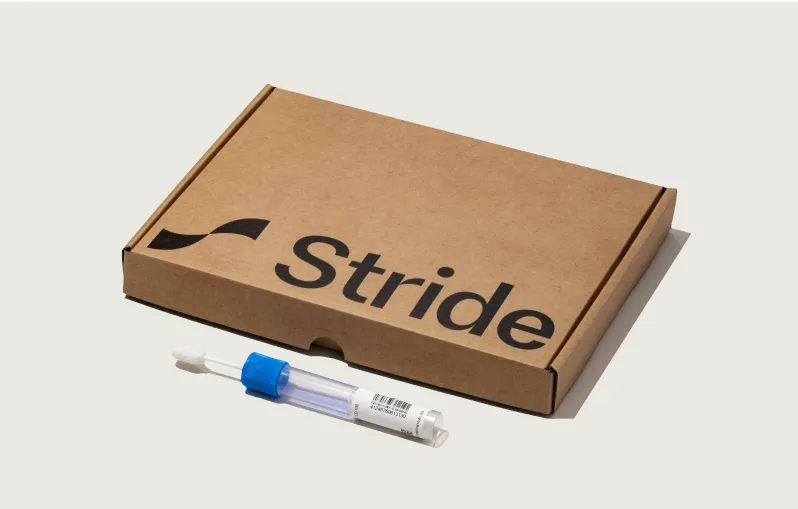






PPARA Gene Test (PPAR-Alpha, Fat Burning, Lipids & Endurance Metabolism)
The PPARA gene test analyses DNA for variants in the peroxisome proliferator-activated receptor alpha (PPAR-alpha) gene that influence how efficiently your body burns fats, manages lipids and adapts to fasting and endurance exercise. Understanding your PPARA status adds genetic context to triglycerides, LDL cholesterol, metabolic flexibility and endurance capacity, so you can personalise nutrition, training and prevention strategies.

Sample type
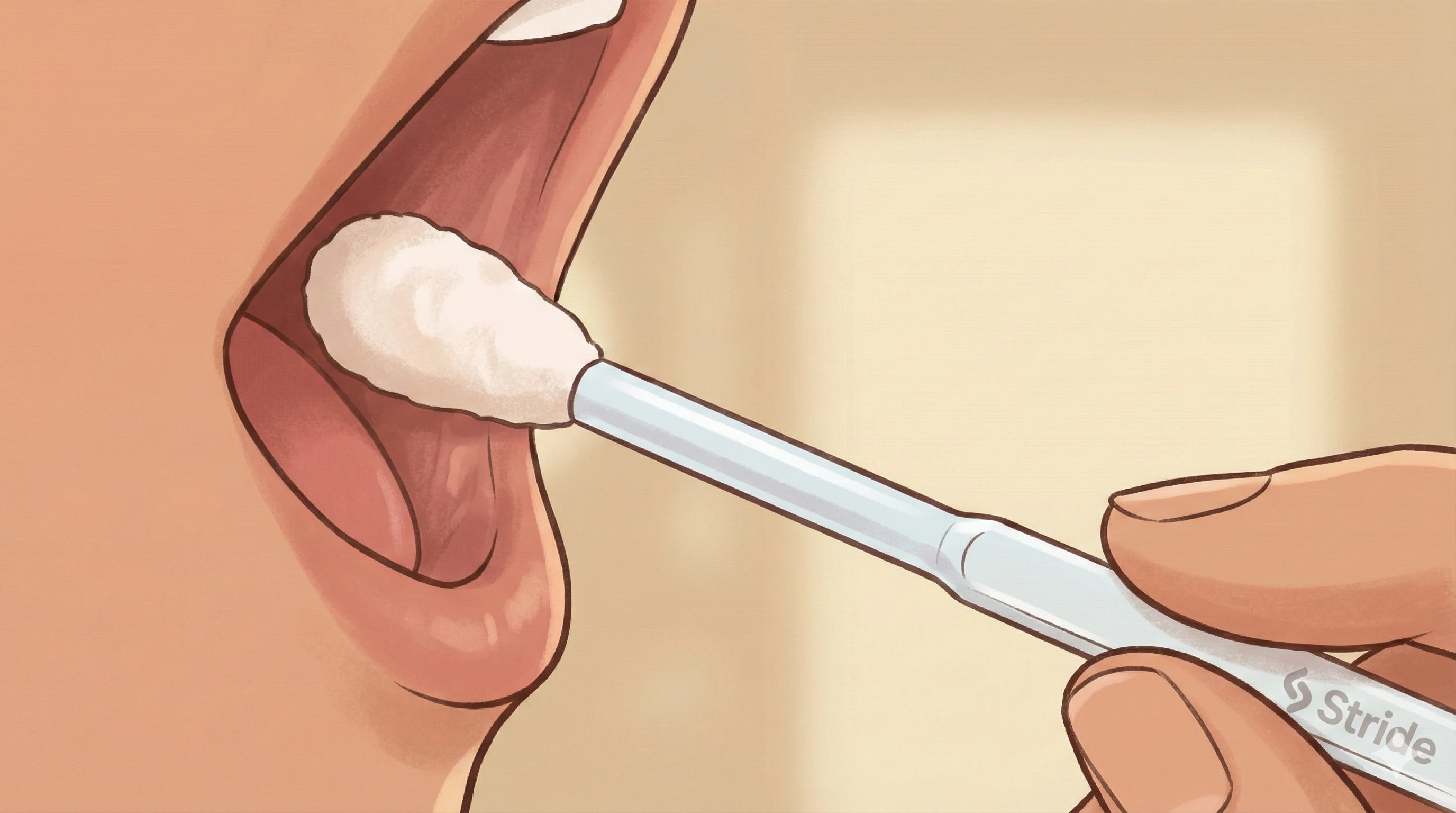
Cheek swab, Blood sample

Collection
At-home

Often paired with
Fasting lipids (triglycerides, LDL, HDL, non-HDL), apoB, fasting glucose and insulin, HbA1c, liver function tests, body composition, VO2max or endurance testing, omega-3 and dietary fat intake assessment, other lipid and endurance genes (for example APOE, APOC3, PPARGC1A)

Fasting required
Not required for DNA testing; follow clinical guidance for any accompanying blood tests
Key benefits of testing PPARA
- Identify whether you carry common PPARA variants such as L162V and G/C polymorphisms that influence PPAR‑alpha activity, fatty acid oxidation and lipid profiles.
- Help explain why your triglycerides, LDL cholesterol or response to endurance training and dietary fats differ from people with similar lifestyles.
- Inform personalised macronutrient strategies, especially around fat quality, carbohydrate load and fasting, and predict where to focus effort for lipid and metabolic improvements.
- Provide context for endurance capacity, mitochondrial fat oxidation and how your body copes with fasting or higher‑fat diets.
- Clarify your baseline fat‑burning and lipid‑regulation profile alongside blood tests, performance metrics and symptoms, so long‑term cardiometabolic and performance plans can be tailored to your biology.
What is the PPARA gene?
PPARA encodes peroxisome proliferator‑activated receptor alpha, a nuclear receptor that acts as a transcription factor. When activated by fatty acids and related ligands, PPAR‑alpha binds DNA at specific response elements and regulates the expression of many genes involved in lipid metabolism, energy balance, inflammation and vascular function.
PPAR‑alpha is highly expressed in tissues with high rates of fatty acid oxidation, including liver, heart, skeletal muscle, brown adipose tissue and kidney. It controls genes for mitochondrial, peroxisomal and microsomal fatty acid oxidation, fatty acid transport and activation, triglyceride turnover, lipoprotein metabolism, ketogenesis and some aspects of glucose handling and inflammation.
What does PPARA do?
PPARA sits at the centre of the body's switch toward fat burning during fasting, prolonged exercise and low‑carbohydrate states. When fatty acids rise, they bind and activate PPAR‑alpha, which then upregulates genes such as CPT1, acyl‑CoA dehydrogenases and other enzymes that drive fatty acid uptake into mitochondria and peroxisomes and their oxidation for energy.
In the liver, PPAR‑alpha activation supports ketone production and export of fatty acids, modulates VLDL production and affects apolipoproteins such as apoC‑III. In skeletal muscle, it supports oxidative fibre metabolism and endurance adaptations. Through effects on lipoprotein metabolism and inflammation, PPAR‑alpha also influences triglyceride levels, LDL composition and atherosclerotic risk. Pharmacological PPAR‑alpha agonists (fibrates) are widely used to lower triglycerides in clinical practice.
Why is PPARA important for health?
PPARA contributes to three interconnected systems: lipid metabolism and triglyceride regulation, fasting and endurance fat oxidation, and cardiometabolic and liver health. When PPAR‑alpha function is efficient, the body can shift smoothly to using fats during fasting and prolonged exercise, keeping triglycerides lower and avoiding excessive lipid accumulation in the liver and blood.
Common PPARA variants such as L162V and specific promoter polymorphisms can influence receptor activity, often in interaction with diet, especially polyunsaturated fatty acid intake. Some patterns are associated with higher triglycerides, higher apoC‑III, higher LDL cholesterol or altered responses to fat intake and lipid‑lowering strategies. Others are enriched in endurance athletes, suggesting a role in endurance performance through greater reliance on fat oxidation and a higher proportion of oxidative fibres.
PPARA vs lipid and performance tests
It is easy to assume that PPARA genotyping, fasting lipid panels, endurance tests and liver imaging reflect the same biology, but they answer different questions. PPARA genotyping reveals inherited differences in PPAR‑alpha activity and how strongly your fat‑oxidation and lipid‑handling pathways can upregulate when called upon. This is fixed for life and helps explain your metabolic wiring.
Fasting lipids, apoB, glucose, liver enzymes and imaging for fatty liver show how your metabolism is behaving now under your current diet, body weight, medications and activity patterns. VO2max, substrate‑use tests and endurance performance show how effectively your muscles and cardiovascular system use oxygen and fuel in real time. You can have a PPARA pattern associated with better fat oxidation but still run high triglycerides or have fatty liver if diet, alcohol, body weight or inactivity drive overload, and you can maintain favourable lipids without a protective PPARA genotype through disciplined lifestyle and treatment.
Factors that modify PPARA variants
The influence of PPARA variants is shaped strongly by diet, especially fat quality and amount, body composition, training and co‑existing genes. Several modifiable factors can either buffer genetic risk or amplify advantages.
- Dietary fat quality and quantity: High intakes of polyunsaturated fatty acids can interact with PPARA L162V and related variants to change triglycerides and apoC‑III. The balance of saturated, monounsaturated and polyunsaturated fats, and overall energy load, strongly influences outcomes.
- Carbohydrate load and glycaemic control: High refined carbohydrate intake and poor glycaemic control increase triglycerides and reduce reliance on fat oxidation, regardless of genotype. Lower‑glycaemic patterns and appropriate carbohydrate timing support PPAR‑alpha‑driven fat use.
- Endurance training and physical activity: Regular aerobic and endurance training upregulates PPAR‑alpha and its co‑activators, increases mitochondrial content and improves fatty acid oxidation in muscle. Without training, potential genetic advantages in fat use may not be realised.
- Body weight and visceral fat: Central adiposity and fatty liver blunt PPAR‑alpha's beneficial effects and raise triglycerides and cardiometabolic risk, even in favourable genotypes. Weight management is a major lever.
- Alcohol and liver health: Excess alcohol and other liver stressors can drive steatosis and inflammation, distorting lipid profiles and PPAR‑alpha signalling.
- Medications and endocrine factors: Lipid‑lowering drugs, thyroid status, sex hormones and glucocorticoids all influence lipid metabolism and may interact with PPARA background.
PPARA variants without symptoms
Yes. Many people with PPARA variants linked to higher triglycerides or enhanced endurance capacity never notice clear symptoms, especially if lifestyle and overall health are favourable. Differences often show up only in lab patterns or performance tests, or at population level.
Increased triglycerides or LDL cholesterol in carriers of certain PPARA patterns usually arise when combined with high energy intake, poor diet quality, obesity or metabolic disease. Conversely, endurance‑favourable patterns may only show up as noticeably better performance in people who train regularly and progressively, and may be negligible in those who are largely sedentary.
Common PPARA genotypes
PPARA genotypes mainly differ in coding and regulatory polymorphisms that alter receptor activity and gene‑nutrient interactions. Two commonly discussed signals are L162V and a promoter G/C polymorphism linked to endurance traits.
- L162V polymorphism: A leucine to valine change in the DNA‑binding domain that is functional and alters PPAR‑alpha's transcriptional activity. The V allele has been associated with higher total cholesterol, LDL cholesterol, apoB and apoC‑III in some cohorts, especially when interacting with other lipid genes and higher fat intake.
- G/C promoter polymorphism and endurance: Specific PPARA promoter polymorphisms have been associated with increased fatty acid oxidation capacity, higher proportion of type I slow‑twitch fibres and higher representation of particular genotypes in endurance and ultra‑endurance athletes. These patterns support greater reliance on fat as fuel during prolonged exercise.
- Other regulatory variants: Additional polymorphisms modulate PPAR‑alpha expression and may contribute modestly to lipid and endurance phenotypes, usually in combination with L162V and diet.
- Loss‑of‑function or rare variants: Rare variants that markedly reduce PPAR‑alpha function can cause more pronounced disturbances in fatty acid oxidation and lipid metabolism, though these are uncommon in the general population.
How to prepare for a PPARA test
For DNA‑based PPARA testing, preparation is straightforward because genotype does not change with diet, training or medications. The key step is deciding how you will use the information, for example to refine dietary fat strategy, fasting approaches, endurance training or triglyceride management.
Cheek swab, saliva or blood‑based PPARA genotyping does not require fasting. If you are also undergoing fasting lipid panels, glucose, liver enzymes or performance tests, follow the guidance for those, which usually includes overnight fasting for metabolic labs and arriving rested and fuelled appropriately for performance testing.
Do I need a PPARA test?
A PPARA test is most useful when the result will influence how you choose and structure nutrition, training and cardiometabolic prevention, rather than as a curiosity. It becomes particularly informative when interpreted alongside blood markers, performance data and clinical history.
- Elevated triglycerides or mixed dyslipidaemia: If triglycerides, non‑HDL or apoB remain high despite lifestyle changes, PPARA can help explain underlying susceptibility and inform more targeted strategies, including dietary fat quality and exercise emphasis.
- Endurance and ultra‑endurance goals: Athletes focusing on endurance or ultra‑events may benefit from understanding how their PPAR‑alpha profile supports fat oxidation and how to personalise fuel strategies and training.
- Metabolic syndrome or fatty liver: In people with central adiposity, insulin resistance or fatty liver, PPARA helps anchor fat‑oxidation capacity in a broader metabolic plan.
- Comprehensive prevention and longevity planning: In a wide‑angle DNA and biomarker programme, PPARA is a key lever for integrating lipid management, fasting, endurance training and metabolic health.
Stride tests that include PPARA


Health Tests
Core DNA Methylation Test
5 reports: Methylation profile reports
From $229 $183.20
FAQs
What is the PPARA gene test?
The PPARA gene test analyses your DNA from blood or saliva to look for variants in the PPAR‑alpha gene that influence fatty acid oxidation, triglyceride and LDL regulation and endurance metabolism, with implications for lipid health, fat‑burning capacity and performance.
What does a PPARA variant mean?
Common variants such as L162V and specific promoter polymorphisms can change PPAR‑alpha activity and how you respond to dietary fats and endurance training. Some patterns are associated with higher triglycerides and LDL or higher apoC‑III, while others are more frequent in endurance athletes and support greater fat use during prolonged exercise.
Do PPARA variants always cause high triglycerides or determine endurance ability?
No. PPARA variants shift tendencies but do not fix outcomes. Many people with risk genotypes maintain excellent lipids through diet, training, weight management and treatment, and many endurance athletes succeed without particularly favourable PPARA patterns. Lifestyle, other genes and environment are major drivers.
Is PPARA testing used to diagnose disease?
PPARA testing is not a diagnostic tool for a specific condition. It is a trait and risk marker that adds nuance when evaluating triglycerides, LDL, fatty liver risk and endurance capacity, especially alongside blood tests, imaging and clinical assessment.
Do I need a PPARA test?
You might consider a PPARA test if you have persistent triglyceride or mixed lipid issues, fatty liver or strong cardiometabolic family history, if you focus on endurance or ultra‑endurance sports, or if you are building a detailed prevention and performance plan where fat oxidation and lipid management are central.
How can I optimise my lipids and endurance if I carry PPARA variants?
Rather than trying to change the gene, focus on a nutrient‑dense diet with the right balance and quality of fats and carbohydrates, appropriate energy intake, regular endurance and strength training, weight and waist management, moderating alcohol, protecting sleep and stress balance, and tracking lipids, liver markers and performance over time so you can see how consistent, targeted changes reshape your triglycerides, LDL, endurance and long‑term cardiovascular risk.