
Menu
-
Shop All
Contact
hey@getstride.com
Stride Health Group
Stride Health Group Ltd
Company No 05158025
Lamas Road
Badersfield
Norwich
England
NR10 5FB
UK






PER3 Gene Test (Period Circadian Regulator 3)
The PER3 gene test analyses DNA for common variants in the period 3 clock gene that can influence sleep architecture, chronotype (morningness or eveningness), sensitivity to sleep loss, and how your mood responds to disrupted routines. Understanding your PER3 status adds genetic context to sleep timing, recovery, and mental wellbeing so you can personalise routines and long term prevention strategies rather than guessing.
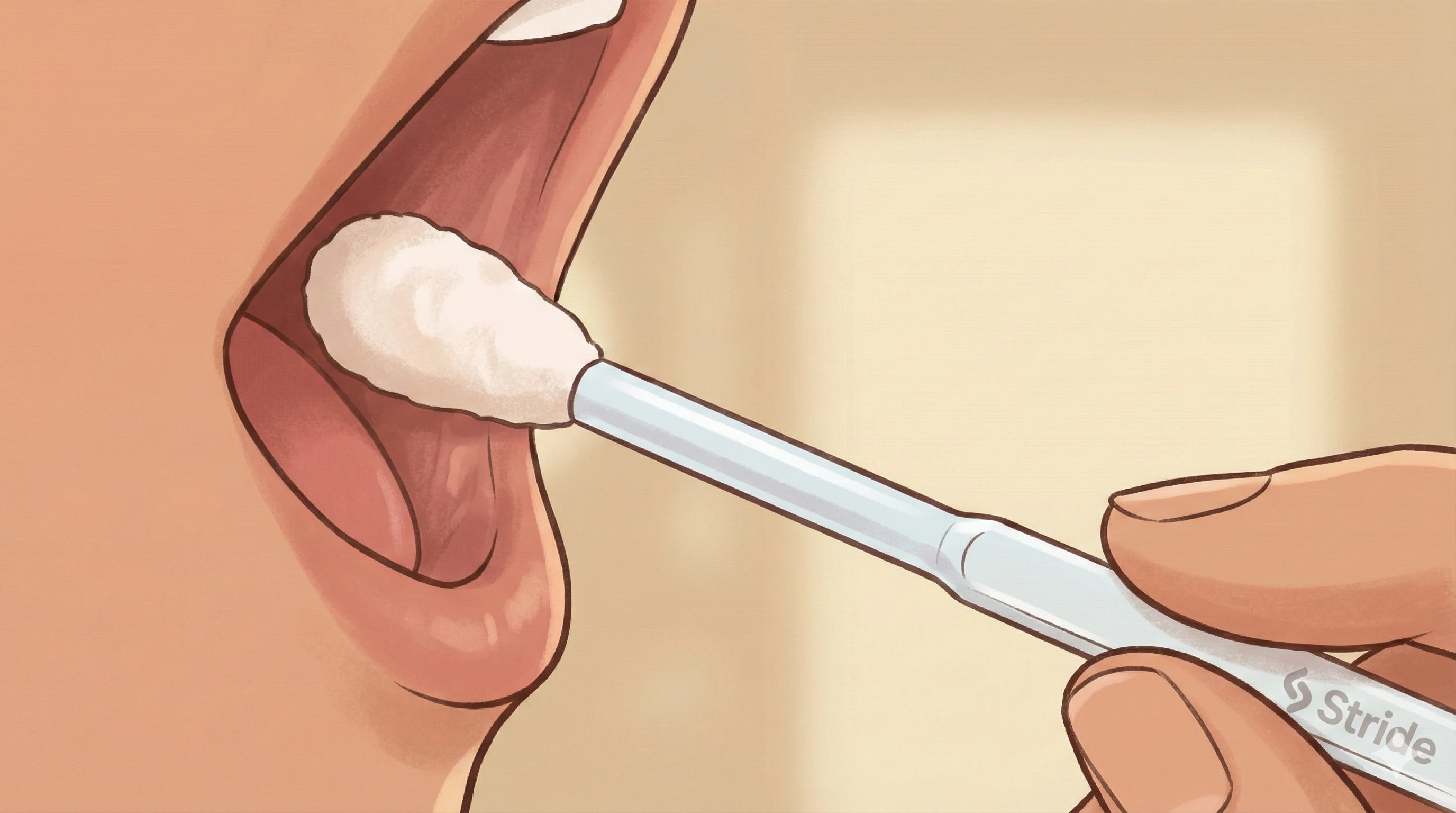

Sample type
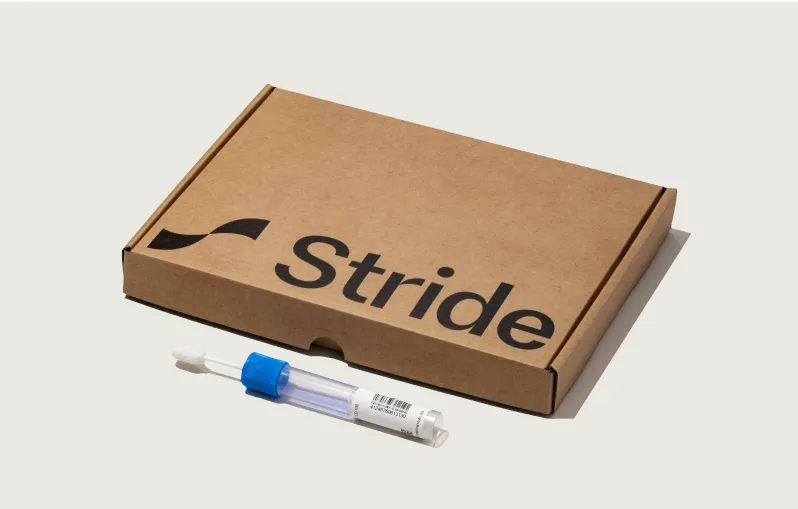
Cheek swab, Blood sample

Collection
At-home

Often paired with
PER2, VIP, HCRT2, cortisol and stress hormone profiles, melatonin timing, mood and cognitive assessments, wearable sleep tracking

Fasting required
Not required for DNA testing; follow clinical guidance for any accompanying blood tests
Key benefits of testing PER3
- Identify whether you carry PER3 variants such as the variable number tandem repeat (VNTR) that are linked with morningness or eveningness preference, sleep structure, and vulnerability to sleep loss.
- Help explain why you may feel sharper in the morning or evening, or why you struggle more than others with night shifts, jet lag, or short sleep, by highlighting a genetic tendency that can be supported rather than fixed.
- Add context to mood and cognitive patterns that worsen when sleep is shortened or misaligned, including transient anxiety or low mood, by connecting them to your sleep homeostasis and circadian biology.
- Inform personalised strategies around bed and wake times, light exposure, napping, caffeine timing, and training schedules, especially when combined with real world sleep data and stress biomarkers.
- Clarify your baseline sleep and circadian profile alongside other biomarkers, so long term optimisation plans can be built on both genetics and real time data rather than population averages.
What is the PER3 gene?
PER3 (period circadian regulator 3) is one of the core clock genes that participate in the molecular feedback loops driving your approximately 24 hour biological rhythms. The PER3 protein forms complexes with other PER and CRY proteins that move into the nucleus and help switch off CLOCK and BMAL1 driven transcription, contributing to the daily oscillation of clock gene activity.
The PER3 gene is notably polymorphic, with a common VNTR variation involving 4 or 5 repeats in the coding region, as well as multiple single nucleotide polymorphisms. These variants do not create a simple on or off effect, but they can shift sleep homeostasis, preferred sleep timing, and how strongly performance and mood are affected by sleep restriction or circadian disruption.
What does PER3 do?
PER3 helps regulate the timing and stability of circadian rhythms in the brain and peripheral tissues, particularly within the suprachiasmatic nucleus which acts as the master clock. Through its interactions with PER1, PER2, CRY proteins, and casein kinase enzymes, PER3 contributes to the period length and amplitude of the feedback loop that sets the pace for daily hormonal, temperature, and behavioural cycles.
Beyond timing, PER3 variants have been linked to differences in sleep homeostasis, including slow wave sleep intensity and how quickly sleep pressure builds and dissipates. People with certain PER3 genotypes show different responses to total sleep deprivation or chronic partial sleep restriction, with some more prone to cognitive performance drops, reaction time slowing, or mood changes when sleep is reduced.
Why is PER3 important for health?
PER3 sits at the crossroads of sleep, circadian rhythms, and brain function. Research has associated PER3 polymorphisms with chronotype, delayed or advanced sleep phase tendencies, sensitivity to sleep loss, and links to mood and anxiety measures in some studies, often in interaction with sleep duration.
Because sleep and circadian alignment influence cardiometabolic health, immune function, mental health, and long term brain performance, PER3 accounts for part of the heritable differences in how people cope with modern schedules and light environments. The effects of common PER3 variants are usually modest and context dependent, becoming more relevant when sleep is short, irregular, or out of sync with your intrinsic rhythm.
PER3 vs other sleep markers
It is easy to assume that PER3 testing and standard sleep assessments tell you the same story, but they capture different layers of your biology. Wearables, sleep diaries, and polysomnography show how you are sleeping right now; hormones such as melatonin and cortisol reflect current circadian phase; PER3 testing looks at inherited variants that influence your underlying sleep homeostasis and chronotype tendencies over the long term.
This distinction matters because you can carry a PER3 variant associated with eveningness yet still live as a functional morning person if your routines, light exposure, and behaviour are aligned. Conversely, disturbed sleep, insomnia, or mood difficulties can occur without notable PER3 variants due to stress, environment, medical conditions, or other genes, which often respond well to targeted behavioural and clinical support.
Factors that modify PER3 variants
The influence of PER3 variants is shaped far more by your sleep habits and environment than by the gene alone, which means you have meaningful room to change the trajectory. Several modifiable factors can either buffer or amplify any genetic tendency.
- Sleep duration and regularity: Getting enough sleep for your needs and maintaining consistent bed and wake times reduces the impact of PER3 linked sensitivity to sleep restriction and supports more stable mood and performance.
- Light exposure patterns: Strong morning light, reduced late evening light, and predictable day night cues help anchor circadian timing, which can minimise chronotype related misalignment for certain PER3 genotypes.
- Work patterns and social schedule: Night shifts, rotating shifts, late evening work, and social jet lag can worsen outcomes in people whose PER3 variants make them more vulnerable to sleep loss. Aligning key tasks and training with your natural high performance windows can partially offset this.
- Caffeine, alcohol, and stimulants: High caffeine intake late in the day, alcohol close to bedtime, and other stimulants can degrade sleep quality, which interacts with PER3 mediated sleep homeostasis and recovery. Smart timing and dose adjustments move the needle more than genotype alone.
- Mental health and stress: Chronic stress, anxiety, and depression can disrupt sleep continuity and circadian rhythms, sometimes unmasking PER3 related vulnerabilities. Addressing stress and mood through therapy, movement, and recovery practices often has a larger impact than focusing solely on the gene.
PER3 variants without symptoms
Yes, and that is the rule rather than the exception. Many people with PER3 variants such as the 4/4 or 5/5 VNTR pattern never experience clinical sleep disorders and only discover their status through comprehensive DNA or sleep related panels.
Differences in chronotype, such as being a natural night owl or early bird, do not automatically represent pathology, and modest shifts in performance or mood with sleep loss are common across the population. Severe circadian rhythm sleep-wake disorders involve multiple genetic, behavioural, and environmental factors, and are typically assessed through specialist sleep evaluation rather than PER3 testing alone.
Common PER3 genotypes
Common PER3 genotypes mainly differ in how they influence sleep homeostasis, slow wave sleep intensity, diurnal preference, and vulnerability to sleep loss. Understanding your pattern helps you design routines that work with your biology instead of against it.
- PER3 4/4 (short VNTR): Often associated with evening preference and susceptibility to mood or performance changes when sleep is restricted in some studies, although findings vary. People with this pattern may tolerate later bedtimes but still benefit from protecting total sleep time.
- PER3 5/5 (long VNTR): Frequently linked with stronger slow wave sleep, stronger homeostatic sleep drive, and greater performance decrements under acute sleep deprivation in experimental settings. Morningness and earlier wake times have been reported in some cohorts.
- Heterozygous PER3 4/5: Typically shows an intermediate profile between the two homozygous forms, with modest effects on sleep structure and chronotype that are highly modifiable through behaviour and environment.
How to prepare for a PER3 test
For DNA based PER3 testing, preparation is simple because your genotype does not change day to day. The key decision is which test panel to use and how PER3 information will be combined with other sleep, stress, and performance markers.
Standalone PER3 genotyping using blood or saliva does not require fasting, since it analyses stable DNA sequence rather than dynamic hormone levels. If PER3 is included in a package that also measures cortisol, melatonin, or cardiometabolic markers, your clinician or testing provider may recommend specific preparation steps so you can track changes reliably over time.
Do I need a PER3 test?
A PER3 test is most valuable when the result will influence how you personalise sleep timing, lighting, workload, or training as part of a broader prevention and performance strategy. It is less helpful when done in isolation without considering sleep logs, wearable data, and other biomarkers.
- Persistent difficulty aligning sleep with life demands: If you repeatedly struggle with shift work, early starts, late nights, or jet lag, PER3 testing can help frame which adaptations and protections will likely matter most for you.
- Mood and performance that deteriorate with modest sleep loss: When cognitive performance, accuracy, or mood drop quickly after minor sleep curtailment, PER3 status may provide a biological explanation and guide a more protective sleep strategy.
- High performance and longevity focus: For people using data to extend healthspan and cognitive performance, PER3 sits alongside other clock genes as part of a personalised blueprint for training, work, and recovery schedules.
- Integrating DNA into a sleep optimisation plan: PER3 genotyping alongside sleep tracking, stress markers, and light environment analysis provides a durable reference point that can be revisited as your life stage, work pattern, or goals change.
Stride tests that include PER3

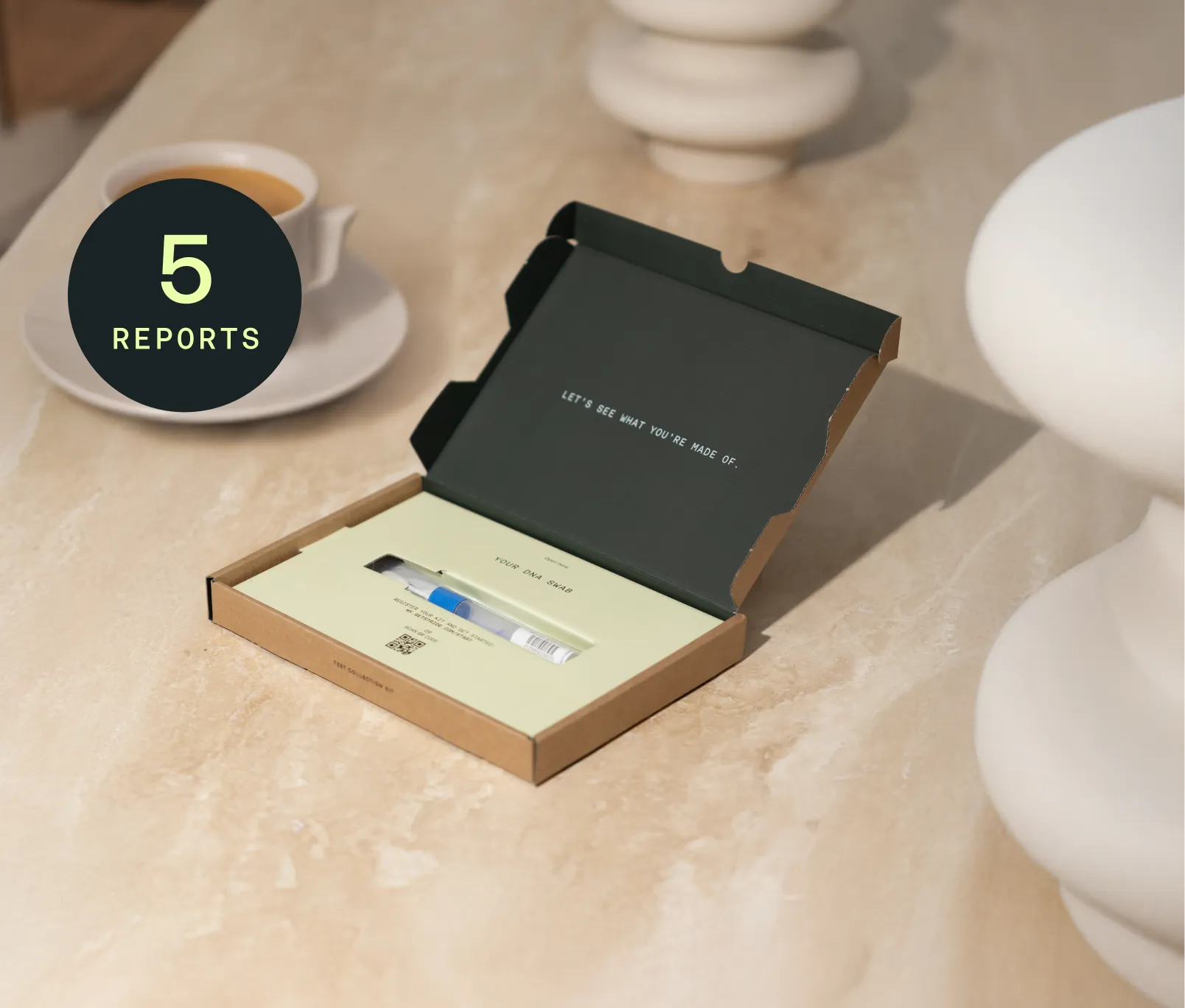
Health Tests
Core DNA Methylation Test
5 reports: Methylation profile reports
From $229 $160
FAQs
What is the PER3 gene test?
The PER3 gene test analyses your DNA from blood or saliva to look for variants in the period 3 clock gene that can influence sleep architecture, chronotype, and how strongly you are affected by sleep loss or circadian disruption.
What does a PER3 gene mutation mean?
Common PER3 variants, including the 4/4 and 5/5 VNTR patterns, may modestly shift sleep homeostasis, preferred sleep timing, and performance under sleep restriction, but they usually act as subtle modifiers rather than direct causes of disease.
Do PER3 variants always cause sleep problems?
No; most people with PER3 variants do not have clinical sleep disorders. Outcomes depend far more on actual sleep duration, light exposure, stress, and lifestyle than on PER3 alone, although certain genotypes may feel misalignment more intensely.
Is PER3 testing recommended for insomnia or depression?
PER3 testing can add context in complex sleep or mood cases, especially when combined with other clock genes and hormone data, but it is not a stand alone diagnostic tool for insomnia, depression, or anxiety.
Can PER3 affect my chronotype and response to shift work?
PER3 is one of several clock genes that contribute to whether you lean towards morningness or eveningness and how you respond to night shifts, jet lag, and irregular schedules, but behavioural and environmental factors remain powerful levers.
Do I need a PER3 test?
You might consider a PER3 test if results would change how you structure sleep timing, light exposure, work hours, or training, particularly if you already track your sleep and want to move from generic advice to a more personalised blueprint.
Do I need to fast for PER3 testing?
Fasting is not required for DNA based PER3 testing, although any accompanying blood tests such as cortisol, glucose, or lipid profiles may come with specific preparation instructions that are worth following for consistent tracking.
How can I optimise PER3 related pathways?
Rather than trying to treat the gene, focus on consistent sleep and wake times, strong morning light, reduced late night light, smart caffeine and alcohol timing, regular movement, and effective stress management so your sleep and circadian system can perform well over time, whatever your PER3 genotype.