
Menu
-
Shop All
Contact
hey@getstride.com
Stride Health Group
Stride Health Group Ltd
Company No 05158025
Lamas Road
Badersfield
Norwich
England
NR10 5FB
UK


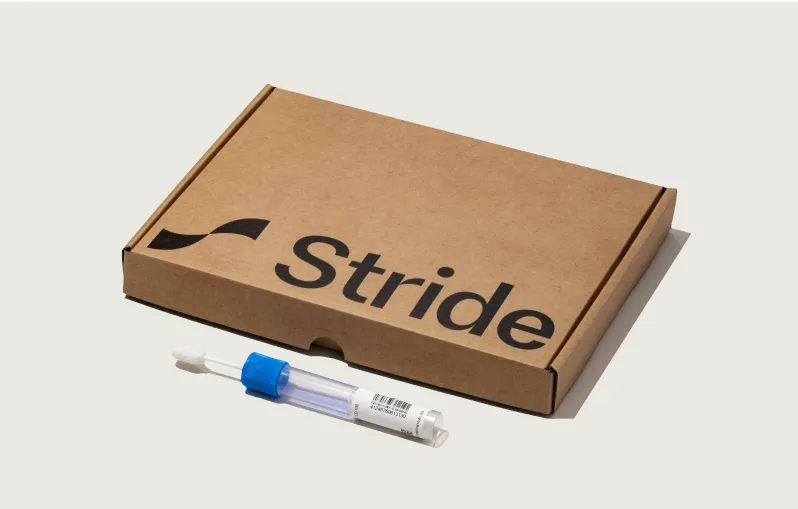


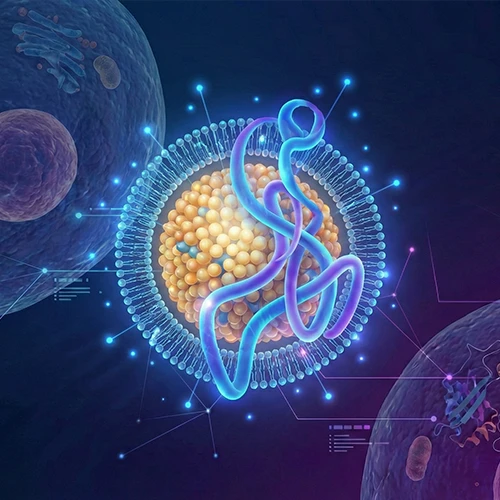

PER2 Gene Test (Period Circadian Regulator 2)
The PER2 gene test analyses DNA for variants in the period 2 clock gene that can influence intrinsic circadian period, chronotype, and susceptibility to sleep and mood disturbances when your rhythm is misaligned. Understanding your PER2 status adds genetic context to sleep timing, recovery, and long term health risk so you can personalise routines and prevention strategies rather than guessing.

Sample type
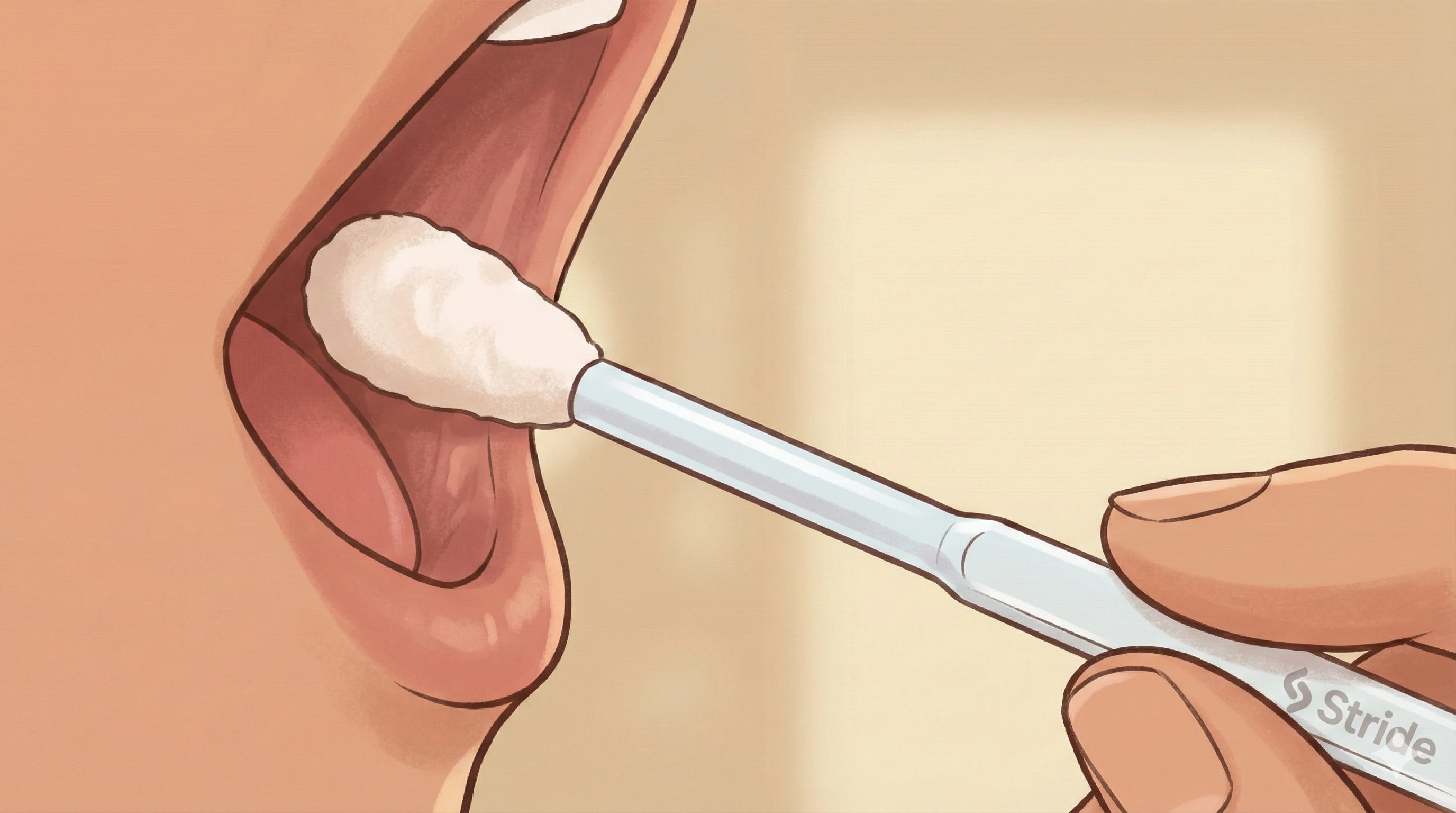
Cheek swab, Blood sample

Collection
At-home

Often paired with
PER3, VIP, HCRT2, melatonin and cortisol profiles, mood and cognitive assessments, cardiometabolic markers, wearable sleep and activity tracking

Fasting required
Not required for DNA testing; follow clinical guidance for any accompanying blood tests
Key benefits of testing PER2
- Identify whether you carry PER2 variants that alter circadian period or clock protein function, which can shift your chronotype and how strongly you react to late nights, shift work, and irregular schedules.
- Help explain persistent patterns such as early evening sleepiness, very early waking, or a tendency toward delayed sleep timing by highlighting a genetic tendency that can be supported rather than fixed.
- Add context to mood and cognitive changes that track with circadian misalignment, such as low mood, fatigue, or brain fog when routines drift, by linking them to underlying clock biology.
- Inform personalised strategies for light exposure, sleep timing, meal timing, and exercise scheduling, especially when combined with melatonin, cortisol, and real time sleep data.
- Clarify your baseline circadian architecture alongside other biomarkers, so long term optimisation plans can be built on both genetics and current physiology instead of population averages.
What is the PER2 gene?
PER2 (period circadian regulator 2) is one of the core clock genes that drive the 24 hour transcriptional feedback loops underpinning circadian rhythms in the brain and peripheral tissues. The PER2 protein forms complexes with other PER and CRY proteins that move into the nucleus to repress CLOCK and BMAL1 driven transcription, shaping the timing, strength, and stability of daily cycles.
PER2 is strongly expressed in the suprachiasmatic nucleus, the master circadian pacemaker, as well as other brain regions and peripheral organs where it influences hormone release, metabolism, and behaviour. Variants in PER2 have been linked to changes in intrinsic circadian period, advanced or delayed sleep phase tendencies, and differential responses to environmental challenges such as light, stress, or cranial irradiation in research settings.
What does PER2 do?
PER2 plays a central role in generating and maintaining circadian rhythms by helping close the negative feedback loop that turns off clock-controlled gene expression at the appropriate time in each cycle. Through finely tuned interactions with PER1, PER3, CRY proteins, and casein kinase enzymes, PER2 influences how long each circadian cycle lasts and how robustly rhythms are expressed.
Beyond rhythm timing, PER2 interacts with multiple pathways that connect the clock to metabolism, neurotransmitter release, and inflammatory responses. Experimental work suggests that changes in PER2 can alter sensitivity to light cues, modulate glutamate handling in synapses, and affect how resilient behaviour and mood remain under stressors such as sleep loss or radiation, highlighting PER2 as a key integrator of environmental signals and internal state.
Why is PER2 important for health?
PER2 contributes to several interconnected domains: circadian rhythm control, sleep timing, metabolic regulation, and brain function. Variants and altered expression of PER2 have been studied in relation to advanced sleep phase syndrome, delayed sleep-wake phase disorder, hypersomnolence, mood and anxiety features, and broader cardiometabolic and cancer risk profiles.
Because circadian misalignment can influence blood pressure, glucose control, appetite, immune function, and mental health, understanding PER2 offers one window into why some people are more affected by late shifts, frequent jet lag, or irregular routines than others. Common PER2 variants usually have modest, context dependent effects, with real world impact becoming more significant when lifestyle and environment consistently work against your biology.
PER2 vs other sleep markers
It is easy to assume that PER2 testing and routine sleep or hormone measurements tell you the same story, but they capture different layers of your biology. Melatonin and cortisol profiles describe your current circadian phase; wearable devices and sleep diaries show your actual sleep pattern; PER2 testing looks at inherited variants that shape your intrinsic circadian period and preferred timing over the long term.
This distinction matters because you can carry a PER2 variant associated with advanced or delayed sleep phase yet maintain stable, healthy routines when you align light exposure, behaviour, and work patterns accordingly. Conversely, significant sleep disruption, fatigue, or mood problems can occur without notable PER2 variants if other clock genes, environmental factors, or health conditions are driving misalignment.
Factors that modify PER2 variants
The influence of PER2 variants is shaped far more by your routines and environment than by the gene alone, which means you have meaningful room to change the trajectory. Several modifiable factors can either buffer or amplify any genetic tendency.
- Light exposure and timing: Consistent morning light, reduced bright light late at night, and predictable day night cues help stabilise circadian timing and offset PER2 driven tendencies toward phase advance or phase delay.
- Sleep duration and regularity: Protecting adequate sleep within a regular schedule reduces the impact of PER2 linked rhythm vulnerabilities, supporting better mood, cognition, and metabolic health.
- Meal and activity timing: When you eat, exercise, and work influences peripheral clocks that interact with PER2. Aligning meals and training with your intended day-night structure strengthens overall rhythm stability.
- Work patterns and social jet lag: Night shifts, rotating shifts, frequent time zone travel, and large weekday-weekend schedule gaps can exacerbate PER2 related chronotype differences. Adjusting work and social commitments where possible often moves the needle more than genotype alone.
- Stress, substances, and coexisting conditions: Chronic stress, evening caffeine, alcohol close to bedtime, and underlying sleep or psychiatric disorders can unmask or amplify PER2 linked vulnerabilities. Treating these factors and building robust recovery practices can substantially reduce risk.
PER2 variants without symptoms
Yes, and that is very common. Many people carry PER2 polymorphisms that have been studied in relation to advanced or delayed sleep phase, hypersomnolence, or mood, yet never develop a clinical sleep disorder and function well with appropriate routines.
Individual differences in chronotype and preferred schedule are part of normal human variation. Clinical circadian rhythm sleep-wake disorders involve more significant misalignment and impairment and are typically diagnosed using detailed clinical history, sleep logs, and sometimes melatonin phase testing, with PER2 status acting as one part of the wider picture rather than a stand alone label.
Common PER2 genotypes
Common PER2 genotypes mainly differ in how they alter protein function, intrinsic circadian period, and sensitivity to environmental cues. Understanding your pattern helps you design strategies that use your biology as an ally instead of a barrier.
- Reference PER2 pattern: Associated with typical period length and clock function, so sleep timing and resilience to shift work are driven more by behaviour, light environment, and lifestyle than by PER2 itself.
- PER2 variants linked to advanced sleep phase: Certain missense changes affecting phosphorylation sites have been associated with a shorter intrinsic circadian period and a tendency toward earlier sleep and wake times in some families. People with this pattern often benefit from careful evening light management and schedule adjustments if early waking becomes problematic.
- PER2 variants linked to delayed phase or hypersomnolence: Other single nucleotide polymorphisms have been associated with longer intrinsic circadian periods, evening chronotype, or increased risk of delayed sleep-wake phase disorder or idiopathic hypersomnolence in research cohorts. In these cases, morning light, stronger social timing cues, and structured routines are often particularly important.
How to prepare for a PER2 test
For DNA based PER2 testing, preparation is straightforward because your genotype does not change from day to day. The key step is selecting a test panel that places PER2 within a broader set of sleep, stress, and metabolic genes so the information is actionable.
Standalone PER2 genotyping using blood or saliva does not require fasting, as it examines stable DNA sequence rather than dynamic hormone levels. If PER2 is bundled with melatonin, cortisol, glucose, or lipid testing, your clinician or test provider may recommend standard preparation steps so you can track changes consistently over time.
Do I need a PER2 test?
A PER2 test is most valuable when the result will influence how you personalise sleep timing, light exposure, and work or training schedules as part of a broader prevention and performance approach. It is less useful when done in isolation without considering symptoms, sleep tracking, and other biomarkers.
- Strong, persistent timing issues: If you consistently fall asleep very early or very late relative to social norms and struggle to shift this pattern, PER2 testing can help clarify whether you have an intrinsic tendency that needs tailored strategies rather than generic advice.
- Marked sensitivity to circadian disruption: People who experience disproportionate fatigue, mood changes, or performance drops with relatively small amounts of jet lag, shift work, or late nights may find PER2 insights helpful in planning buffers and recovery windows.
- Integrating DNA into sleep and mental health planning: For those investing in a comprehensive prevention roadmap, PER2 sits alongside PER3, VIP, and HCRT2 as part of a connected view of sleep, stress, and mood biology that can guide coaching and clinical decisions.
- Long term cardiometabolic and brain health focus: Because circadian alignment influences metabolic and cognitive ageing, PER2 genotyping can support earlier lifestyle adjustments in those who want to protect long term health span.
Stride tests that include PER2

Health Tests
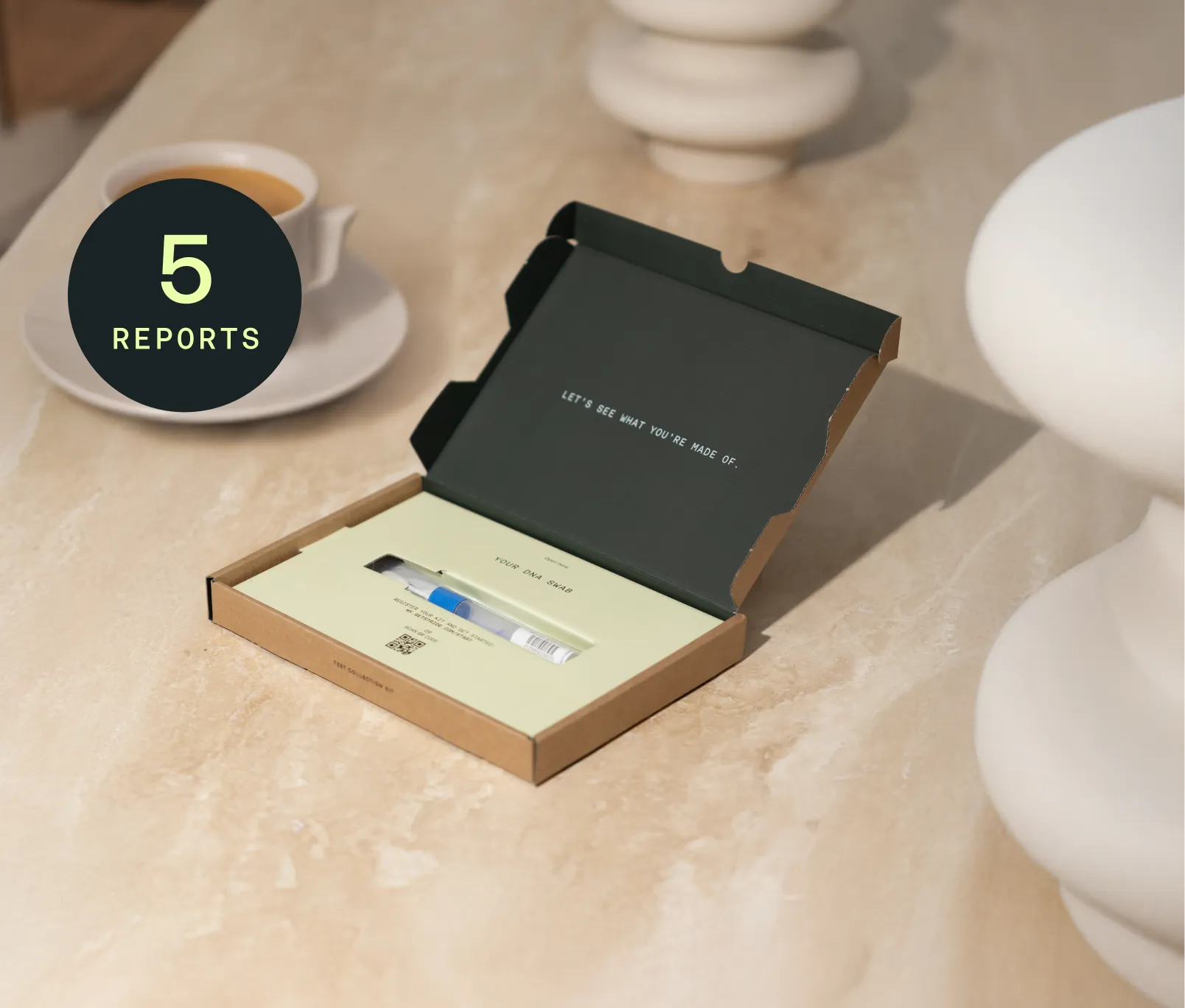
Core DNA Methylation Test
5 reports: Methylation profile reports
From $229 $160
FAQs
What is the PER2 gene test?
The PER2 gene test analyses your DNA from blood or saliva to look for variants in the period 2 clock gene that can influence intrinsic circadian period, chronotype, and how your brain and body respond to rhythm disruption.
What does a PER2 gene mutation mean?
Common PER2 variants, including missense changes at key functional sites, may modestly shift your preferred sleep timing, intrinsic period length, or sensitivity to circadian disruption, but they usually act as subtle modifiers rather than direct causes of disease.
Do PER2 variants always cause sleep problems?
No; most people with PER2 variants do not have clinical sleep disorders. Outcomes depend far more on light exposure, sleep duration, work patterns, stress, and coexisting health conditions than on PER2 alone.
Is PER2 testing recommended for advanced or delayed sleep phase disorders?
PER2 testing can add useful context in suspected circadian rhythm sleep-wake disorders, especially when combined with sleep logs, melatonin phase testing, and other clock genes, but it is not used as a stand alone diagnostic test.
Can PER2 affect my chronotype and resilience to shift work or jet lag?
PER2 is a core component of the circadian clock, so certain variants may influence whether you lean earlier or later and how you tolerate shift work or jet lag, but behaviour and environment remain powerful levers you can control.
Do I need a PER2 test?
You might consider a PER2 test if the results would change how you structure sleep timing, light exposure, work and training schedules, or recovery plans, particularly if you already track your sleep and want to move from generic advice to a more personalised approach.
Do I need to fast for PER2 testing?
Fasting is not required for DNA based PER2 testing, although any accompanying blood tests such as cortisol, glucose, or lipid profiles may have specific preparation instructions that are worth following for consistent tracking.
How can I optimise PER2 related pathways?
Rather than trying to treat the gene, focus on consistent bed and wake times, strong morning light, reduced bright light in the evening, aligned meal and activity timing, smart use of caffeine and alcohol, and effective stress management so your circadian system can perform well over time, whatever your PER2 genotype.