
Menu
-
Shop All
Contact
hey@getstride.com
Stride Health Group
Stride Health Group Ltd
Company No 05158025
Lamas Road
Badersfield
Norwich
England
NR10 5FB
UK
Extra 10% Off | Enter code GIFT at checkout





PEMT Gene Test (Phosphatidylethanolamine N-Methyltransferase)
The PEMT gene test analyses DNA for variants in phosphatidylethanolamine N methyltransferase that can change how efficiently your liver converts phosphatidylethanolamine into phosphatidylcholine, the main phospholipid in cell membranes and bile. Understanding your PEMT status adds genetic context to choline needs, liver fat risk, and methylation demand so you can personalise nutrition and long term prevention instead of relying on population averages.

Sample type
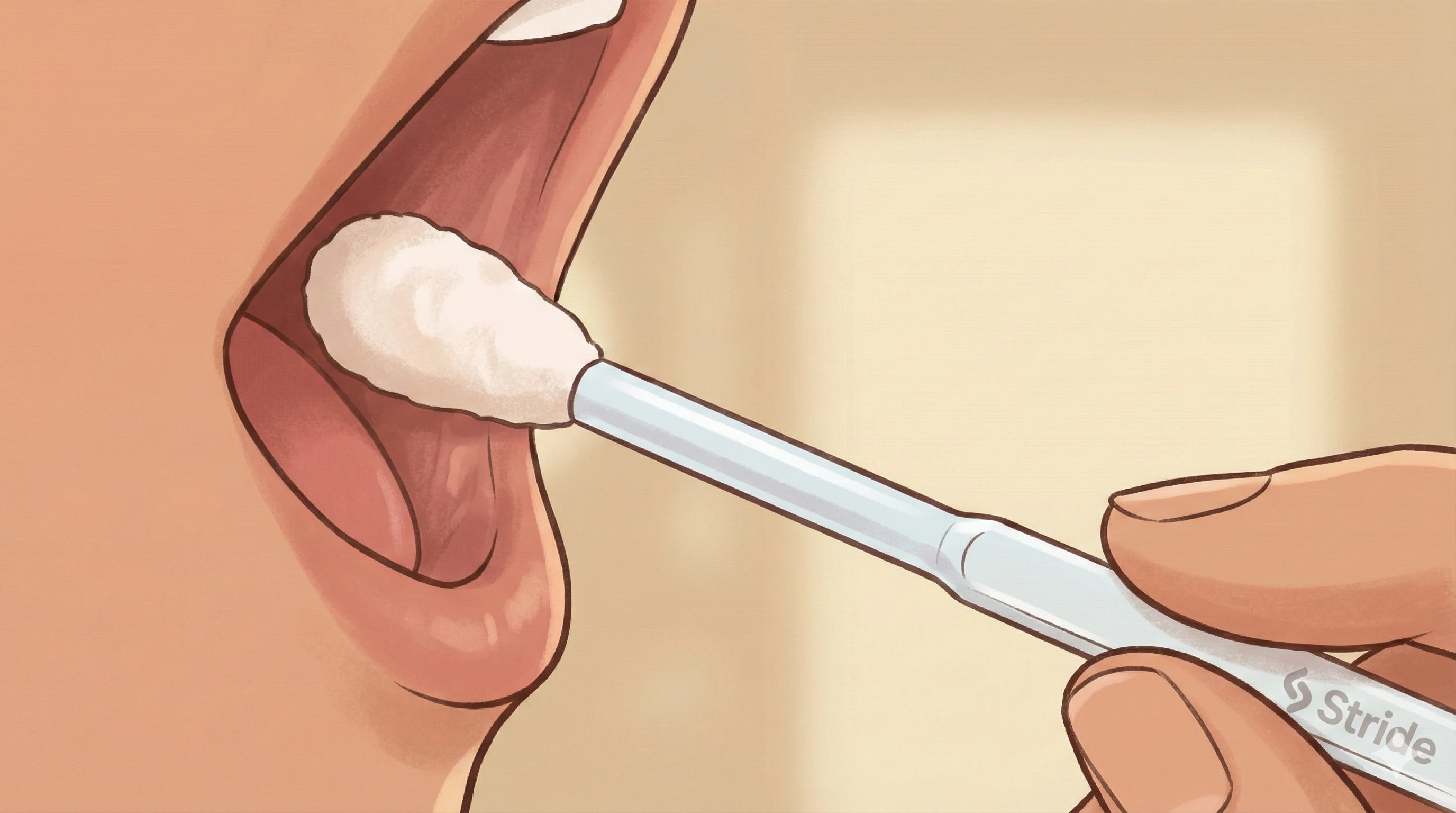
Cheek swab, Blood sample

Collection
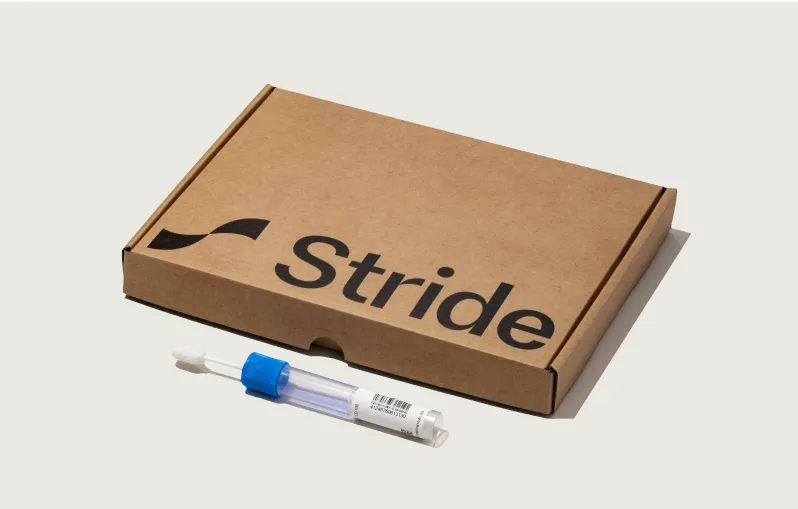
At-home

Often paired with
Choline and betaine intake review, BHMT, MTHFD1, MTHFR, liver function tests, lipid panel, homocysteine, methylation panel

Fasting required
Not required for DNA testing; follow clinical guidance for any accompanying blood tests
What is the PEMT gene?
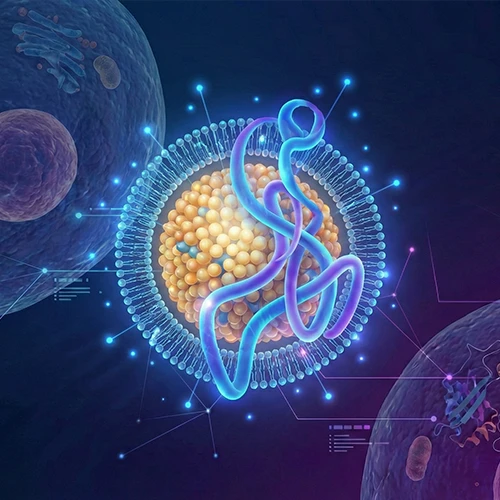
The PEMT gene encodes phosphatidylethanolamine N methyltransferase, a liver enriched enzyme that converts phosphatidylethanolamine to phosphatidylcholine through three sequential methylation steps using S adenosylmethionine as the methyl donor. This pathway accounts for around one third of hepatic phosphatidylcholine synthesis, with the rest produced via the CDP choline (Kennedy) pathway that uses dietary choline directly.
PEMT is located on chromosome 17 and has multiple transcript variants that localise to endoplasmic reticulum and mitochondria associated membranes in hepatocytes. Variants in PEMT are common and have been linked to choline deficiency sensitivity, non alcoholic fatty liver, altered lipid metabolism, and sex specific differences in choline requirement, particularly in premenopausal women where estrogen normally boosts PEMT expression.
What does PEMT do?
PEMT catalyses the methylation of phosphatidylethanolamine to monomethylphosphatidylethanolamine, then dimethylphosphatidylethanolamine, and finally phosphatidylcholine, using one molecule of S adenosylmethionine at each step and producing S adenosylhomocysteine. The resulting phosphatidylcholine is essential for building and repairing cell membranes, packaging and exporting very low density lipoproteins from the liver, and forming bile.
Because PEMT uses S adenosylmethionine, it sits at the intersection of phospholipid synthesis and methylation demand. When PEMT activity is reduced, the liver becomes more dependent on dietary choline for phosphatidylcholine production. When choline intake is low in someone with lower PEMT activity, phosphatidylcholine shortages can contribute to fatty liver, impaired lipid export, muscle damage, and compromised membrane integrity.
Why is PEMT important for health?
PEMT supports three interconnected domains: liver and lipid health, cell membrane integrity and bile formation, and overall methylation economy through its use of S adenosylmethionine. These pathways influence risk patterns for non alcoholic fatty liver disease, dyslipidaemia, choline deficiency syndromes, and pregnancy related outcomes.
Human depletion repletion studies show that when dietary choline is restricted, many men and postmenopausal women develop organ dysfunction such as fatty liver and muscle damage, while a proportion of premenopausal women are protected via estrogen driven upregulation of PEMT. Women with certain PEMT promoter variants lose this estrogen mediated protection and become more sensitive to low choline diets. Genetic variation in PEMT therefore helps explain why choline requirements vary significantly between individuals.
PEMT vs dietary choline: what is the difference?
It is easy to conflate PEMT function with choline intake, but they represent different sides of the same system. Dietary choline provides an external source of choline for acetylcholine synthesis, betaine production, and phosphatidylcholine via the CDP choline pathway, while PEMT provides an internal, estrogen responsive route to generate phosphatidylcholine de novo from phosphatidylethanolamine.
This distinction matters because people with reduced PEMT activity or blunted estrogen responsiveness rely more heavily on dietary choline to maintain normal liver and muscle function. In contrast, people with robust PEMT function and adequate estrogen can synthesise more choline internally and may be less sensitive to short term choline shortfalls, although everyone still requires some choline from the diet.
What factors modify the effects of PEMT variants?
The impact of PEMT variants is shaped more by sex hormones, dietary choline, methylation status, and metabolic health than by the gene alone. Several modifiable factors can buffer or amplify PEMT related tendencies.
- Sex and estrogen status: Estrogen upregulates PEMT activity, which helps protect many premenopausal women from choline deficiency at lower intakes. Variants in estrogen responsive regions of PEMT can blunt this effect and increase choline requirements, particularly in women. Men and postmenopausal women generally lack this hormonal buffer and may be more choline sensitive overall.
- Dietary choline intake and sources: The amount and quality of choline in your diet, including intake from eggs, liver, fish, poultry, and some plant foods, directly influence how much external support the liver gets for phosphatidylcholine synthesis. Lower intake makes PEMT related limitations more visible, while choline sufficient diets often neutralise much of the genetic effect.
- Folate, B12, and methylation capacity: Because PEMT uses S adenosylmethionine and produces S adenosylhomocysteine, it adds to methylation demand. When folate, B12, or B6 are low, methylation capacity is strained, which can interact with PEMT activity and choline metabolism and influence homocysteine. Supporting one carbon metabolism helps this system run more smoothly.
- Overall metabolic and liver health: Insulin resistance, obesity, alcohol intake, and exposure to certain drugs or toxins can all push the liver towards fat accumulation and inflammation. In this context, PEMT variants plus low choline intake may increase the risk of hepatic steatosis, while weight management, reduced alcohol, and metabolic health improvements can reduce that risk.
- Pregnancy and life stage: Pregnancy increases choline needs for fetal brain development and placenta function. Women with PEMT variants that impair estrogen regulation or reduce activity may have particularly high choline requirements in pregnancy and benefit from targeted dietary and supplemental strategies.
Can you have PEMT variants without symptoms?
Yes, and that is common. Many people carry PEMT polymorphisms such as rs7946 or rs12325817 without obvious symptoms, normal liver enzymes, and no clear signs of choline deficiency, especially when diet and overall health are well supported.
Choline deficiency syndromes, including fatty liver, elevated liver enzymes, and muscle breakdown, require a combination of low choline intake and other risk factors such as high metabolic stress, specific PEMT and choline pathway variants, and sometimes low estrogen. Genetic variation in PEMT mainly changes how easy it is to become choline deficient under stress, not whether you will inevitably develop liver or muscle problems.
PEMT genotypes: how do common variants differ?
Common PEMT genotypes mainly differ in how they alter enzyme activity, localisation, or estrogen responsiveness, and how strongly they influence choline requirement and liver fat risk in different sexes and life stages. Understanding your pattern can help you set choline intake at a level that supports your biology.
- rs7946 (5465G>A) variants: This coding variant has been associated in some studies with altered PEMT activity and higher risk of fatty liver, especially when choline intake is low. Certain genotypes may require higher choline intake to maintain normal liver fat and lipid profiles.
- rs12325817 and other promoter variants: Variants in promoter and regulatory regions can disrupt estrogen dependent upregulation of PEMT, reducing the typical protection that premenopausal women have against choline deficiency. Women with these variants are more likely to develop organ dysfunction on low choline diets.
- Reference or "typical" genotypes: Individuals without function altering PEMT variants generally have full enzyme capacity and respond as expected to estrogen and choline intake. Even in this group, very low choline diets or high metabolic stress can still precipitate deficiency if other supports are not in place.
How do I prepare for a PEMT test?
For DNA based PEMT testing, preparation is straightforward because genotype does not change with meals, exercise, or sleep. The main consideration is selecting a panel that includes key PEMT polymorphisms and aligns with your goals around liver health, choline intake, pregnancy, or methylation.
Standalone PEMT genotyping using blood or saliva does not require fasting, since it analyses stable DNA sequence rather than dynamic choline or phosphatidylcholine levels. If PEMT is bundled with tests such as liver function, lipids, homocysteine, folate, or B12, follow any fasting or timing instructions for those blood tests so future results remain comparable.
Do I need a PEMT test?
A PEMT test is most valuable when the results will influence how you and your clinician personalise choline intake, liver health strategies, or pregnancy nutrition as part of a broader plan. It is less helpful when ordered in isolation without diet review, liver markers, and metabolic context.
- Tendency toward fatty liver or lipid issues: If you have non alcoholic fatty liver disease, elevated triglycerides, or a strong family history of liver conditions, PEMT testing alongside choline intake assessment, BHMT and MTHFD1, and liver markers can help shape a targeted nutrition and lifestyle plan.
- Preconception, pregnancy, and breastfeeding: For those planning pregnancy or already pregnant, especially with a history of pregnancy complications or fetal growth concerns, PEMT genotyping can add nuance to choline and folate strategies alongside standard prenatal recommendations.
- Plant based or low choline diets: People following vegan or very low egg and animal product diets may have lower choline intake. PEMT testing can help determine whether additional emphasis on plant choline sources or targeted supplementation is particularly important.
- Comprehensive methylation and liver profiling: In deep preventive health assessments, PEMT testing contributes to understanding how choline metabolism intersects with methylation, homocysteine, and liver fat risk when integrated with broader genetic and blood biomarker data.
Stride tests that include PEMT


Health Tests
Core DNA Methylation Test
5 reports: Methylation profile reports
From $229 $183.20

Health Tests
Advanced DNA & Methylation Test
29 reports: Methylation profile and nutrigenetic reports
From $349 $279.20

Health Tests
Optimal DNA & Methylation Test
46 reports: Methylation profile, nutrigenetic, fitness, sleep, stress and skin reports
From $479 $383.20
FAQs
What is the PEMT gene test?
The PEMT gene test analyses your DNA from blood or saliva to look for variants in the phosphatidylethanolamine N methyltransferase gene that influence how efficiently your liver converts phosphatidylethanolamine to phosphatidylcholine and how much choline you may need to stay in balance.
What does a PEMT variant mean?
Common PEMT variants can modestly reduce enzyme activity or blunt estrogen responsiveness, increasing dietary choline requirements and, in some contexts, raising the risk of fatty liver or choline deficiency when intake is low, rather than acting as a diagnosis on their own.
Do PEMT variants always cause fatty liver or choline deficiency?
No. Many people with PEMT variants maintain healthy liver function and normal choline status when their diet supplies sufficient choline and overall metabolic health is supported. Risk increases when low choline intake, high metabolic stress, and certain PEMT genotypes occur together.
Can PEMT affect pregnancy or baby development?
PEMT helps meet increased choline demands in pregnancy for fetal brain development and placenta function. Variants that impair PEMT or its estrogen regulation can raise the choline requirement for some women, making targeted prenatal choline and folate support especially important.
Do I need a PEMT test?
You might consider a PEMT test if results would change how you and your clinician approach choline intake, manage or prevent fatty liver, plan pregnancy nutrition, or design a methylation and liver health strategy as part of a comprehensive assessment.
Do I need to fast for PEMT testing?
Fasting is not required for DNA based PEMT testing, although any accompanying blood tests for liver function, lipids, glucose, or homocysteine may have specific preparation instructions that help keep results consistent over time.
How can I support PEMT related pathways?
Rather than trying to "fix" the gene, focus on eating sufficient choline rich foods for your dietary pattern, supporting folate and B12, maintaining healthy body weight and metabolic markers, moderating alcohol, and prioritising movement and sleep so your liver, membranes, and methylation network can perform well over the long term, whatever your PEMT genotype.