
Menu
-
Shop All
Contact
hey@getstride.com
Stride Health Group
Stride Health Group Ltd
Company No 05158025
Lamas Road
Badersfield
Norwich
England
NR10 5FB
UK
Extra 10% Off | Enter code GIFT at checkout


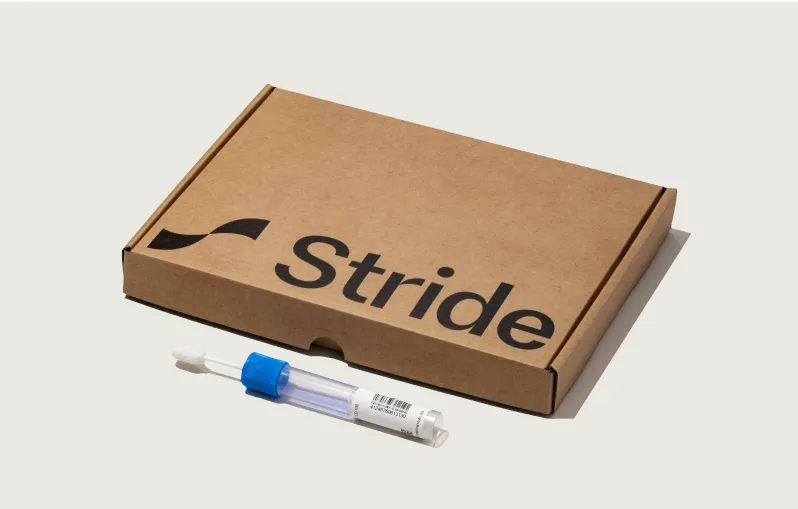






NOS3 Gene Test (Endothelial Nitric Oxide Synthase)
The NOS3 gene test analyses DNA for variants in endothelial nitric oxide synthase that can alter how efficiently your blood vessels produce nitric oxide from L arginine to regulate blood flow, blood pressure, and vascular health. Understanding your NOS3 status adds genetic context to endothelial function, exercise response, and cardiovascular risk patterns so you can personalise prevention strategies instead of relying only on population averages.


Sample type
Cheek swab, Blood sample

Collection
At-home

Often paired with
Blood pressure and vascular assessments, lipids, inflammatory markers, homocysteine, L arginine and citrulline pathways, cardiometabolic panel

Fasting required
Not required for DNA testing; follow clinical guidance for any accompanying blood tests
What is the NOS3 gene?
The NOS3 gene encodes endothelial nitric oxide synthase (eNOS), one of three nitric oxide synthase isoforms responsible for producing nitric oxide in blood vessel lining cells. Nitric oxide is a key signalling molecule that relaxes vascular smooth muscle, inhibits platelet aggregation, and modulates inflammation.
NOS3 is located on chromosome 7q36 and produces several isoforms, some with full enzymatic activity and others with regulatory roles. Common NOS3 polymorphisms, including Glu298Asp (894G>T), a promoter variant at position −786T>C, and intron 4 variable number tandem repeat (a/b), have been widely studied for their effects on blood pressure, endothelial function, cardiovascular disease, and exercise response, with modest and context dependent effects.
What does NOS3 do?
Endothelial nitric oxide synthase catalyses the conversion of L arginine and oxygen to nitric oxide and L citrulline in endothelial cells, using cofactors such as tetrahydrobiopterin, flavins, and NADPH. The nitric oxide produced diffuses into surrounding smooth muscle cells, where it stimulates cyclic GMP production and causes vasodilation, helping regulate blood pressure and flow.
NOS3 activity is regulated at multiple levels, including gene transcription, protein phosphorylation, interactions with caveolin and calmodulin, and availability of substrate and cofactors. When NOS3 is functioning well, endothelium derived nitric oxide maintains vascular tone, supports healthy blood flow during exercise, and protects against atherosclerosis. When NOS3 activity or nitric oxide bioavailability is reduced, endothelial dysfunction can develop, contributing over time to hypertension and vascular disease.
Why is NOS3 important for health?
NOS3 supports three interconnected domains: vascular tone and blood pressure regulation, endothelial integrity and anti inflammatory signalling, and exercise capacity and recovery. Together, these influence risk patterns for hypertension, atherosclerotic cardiovascular disease, erectile dysfunction, and some pregnancy and kidney complications.
Reduced nitric oxide bioavailability, whether from unfavourable NOS3 variants, oxidative stress, low substrate or cofactor availability, or lifestyle factors such as smoking and inactivity, is associated with impaired flow mediated dilation and higher cardiovascular risk. At the same time, many people with NOS3 variants maintain healthy vascular function when diet, activity, and other risk factors are well managed, which underlines that genes set tendencies rather than destiny.
NOS3 vs "nitric oxide boosters": what is the difference?
NOS3 genotyping and the use of nitric oxide boosting strategies are related but distinct concepts. NOS3 describes your genetic code for endothelial nitric oxide synthase and shapes how readily your endothelium can produce nitric oxide when given the right stimuli and substrates. Nitric oxide boosters, such as exercise, dietary nitrates, and L arginine or L citrulline, aim to increase nitric oxide production or availability in real time.
A person with NOS3 variants that modestly reduce enzyme efficiency may still achieve strong nitric oxide signalling through regular aerobic exercise, a nitrate and polyphenol rich diet, and control of oxidative stress. Conversely, a favourable NOS3 genotype can be undermined by smoking, uncontrolled blood pressure, and inactivity. Understanding both genetics and lifestyle allows a more precise plan than relying on one alone.
What factors modify the effects of NOS3 variants?
The influence of NOS3 variants is strongly shaped by lifestyle, substrate availability, and coexisting health conditions. Several modifiable factors can buffer or amplify NOS3 related tendencies.
- Physical activity and exercise type: Regular aerobic and interval training upregulate NOS3 expression and improve endothelial function. Some NOS3 variants are associated with different degrees of blood pressure reduction in response to exercise, but training remains a powerful modulator for almost everyone.
- Dietary pattern and nitrates: Diets rich in vegetables (particularly leafy greens and beetroot), polyphenols, and healthy fats support nitric oxide pathways and protect against oxidative degradation. High salt intake, excess sugar, and poor diet quality can counteract NOS3 mediated benefits.
- Smoking, pollution, and oxidative stress: Tobacco smoke and high oxidative stress reduce nitric oxide bioavailability and impair NOS3 function, independent of genotype. Avoiding smoking and supporting antioxidant defence are key for endothelial health.
- Blood pressure, lipids, and metabolic health: Hypertension, dyslipidaemia, insulin resistance, and obesity contribute to endothelial dysfunction and can reveal NOS3 related vulnerabilities. Managing these factors often has a greater effect than genetics alone.
- Other vascular and methylation genes: Genes in renin angiotensin signalling, homocysteine metabolism, and oxidative stress pathways interact with NOS3. Viewing NOS3 as one piece of a larger cardiovascular risk picture is more informative than focusing on a single variant.
Can you have NOS3 variants without symptoms?
Yes, and this is very common. Many people carry NOS3 polymorphisms such as Glu298Asp or intron 4 a/b variants without developing hypertension or cardiovascular disease, particularly when lifestyle and other risk factors are well controlled.
Blood pressure, endothelial function, and vascular disease reflect the cumulative impact of genetics, diet, activity, sleep, stress, environment, and medical conditions over many years. NOS3 variants typically have modest effect sizes and act as modifiers, not direct causes, of disease.
NOS3 genotypes: how do common variants differ?
Common NOS3 genotypes mainly differ in how they influence nitric oxide synthase expression, enzymatic stability, or regulation, and how strongly they affect vascular outcomes under stress. Understanding your pattern can help tailor prevention efforts.
- Glu298Asp (894G>T) variants: This missense polymorphism replaces glutamic acid with aspartic acid at position 298. Some studies associate the T (Asp) allele with reduced NO production, higher risk of hypertension, coronary artery disease, or endothelial dysfunction, although findings are mixed and effect sizes modest.
- −786T>C promoter variants: Changes in the NOS3 promoter, such as −786T>C, can reduce gene transcription and lower basal NOS3 expression in some contexts, which may influence vascular tone and disease risk when combined with other factors.
- Intron 4 a/b VNTR: Variation in intron 4 (a/b alleles) has been examined in relation to hypertension, kidney disease, and erectile dysfunction, with heterogeneous results across populations.
- Combinations and haplotypes: The combined pattern of several NOS3 variants (haplotypes) may better predict endothelial traits than any single SNP, but clinical use remains largely exploratory.
How do I prepare for a NOS3 test?
For DNA based NOS3 testing, preparation is straightforward because genotype is stable across time. The key question is how the results will be used to guide cardiovascular prevention or support in your context.
Standalone NOS3 genotyping using blood or saliva does not require fasting, since it analyses DNA rather than current nitric oxide or blood pressure levels. If testing is combined with blood pressure monitoring, lipids, glucose, and other cardiometabolic markers, follow any preparation instructions for those tests so future comparisons are meaningful.
Do I need a NOS3 test?
A NOS3 test is most useful when the results will inform how you and your clinician personalise blood pressure and vascular health strategies, rather than as a stand alone predictor of disease. It rarely replaces standard cardiovascular risk assessment.
- Family history or early cardiovascular events: In people with strong family history of early heart attack or stroke, NOS3 testing may add nuance to a broad genetic and biomarker panel, although risk management still centres on traditional factors.
- Borderline hypertension or endothelial dysfunction: When blood pressure, flow mediated dilation, or other endothelial markers are borderline, NOS3 genotyping can help explain inter individual differences in response to lifestyle interventions and inform longer term strategies.
- Exercise and performance focus: For those using exercise as a primary tool to manage blood pressure and cardiovascular risk, NOS3 status can offer insight into expected responsiveness, while reinforcing the central role of consistent training.
- Research level cardiovascular profiling: In advanced preventive programmes, NOS3 may be included alongside multiple cardiovascular and metabolic genes to build a more granular risk map, interpreted by specialists.
Stride tests that include NOS3


Health Tests
Core DNA Methylation Test
5 reports: Methylation profile reports
From $229 $183.20

Health Tests
Advanced DNA & Methylation Test
29 reports: Methylation profile and nutrigenetic reports
From $349 $279.20

Health Tests
Optimal DNA & Methylation Test
46 reports: Methylation profile, nutrigenetic, fitness, sleep, stress and skin reports
From $479 $383.20
FAQs
What is the NOS3 gene test?
The NOS3 gene test analyses your DNA from blood or saliva to look for variants in the endothelial nitric oxide synthase gene that influence how efficiently your blood vessels produce nitric oxide to regulate vascular tone and blood flow.
What does a NOS3 variant mean?
Common NOS3 variants such as Glu298Asp, −786T>C, or intron 4 a/b may modestly shift nitric oxide production, endothelial function, and blood pressure or disease risk patterns, but they are not diagnostic on their own and must be interpreted with cardiovascular markers and lifestyle context.
Do NOS3 variants always cause high blood pressure or heart disease?
No. Many people with NOS3 variants have normal blood pressure and healthy arteries when they maintain good lifestyle habits and manage other risk factors. Vascular disease typically reflects the combined effects of genes, environment, and health behaviours.
Can NOS3 affect exercise response?
Yes. NOS3 influences nitric oxide availability during exercise, which affects vasodilation, oxygen delivery, and blood pressure responses. Some genotypes are associated with slightly different blood pressure reductions or performance adaptations with training, although regular exercise remains beneficial across all genotypes.
Do I need a NOS3 test?
You might consider a NOS3 test if the results would change how you and your clinician tailor blood pressure management, exercise, and cardiovascular prevention, ideally as part of a comprehensive risk assessment rather than a single determinant.
Do I need to fast for NOS3 testing?
Fasting is not required for DNA based NOS3 testing, although accompanying blood tests for lipids, glucose, or other cardiometabolic markers may have specific preparation instructions to keep results comparable over time.
How can I support NOS3 related pathways?
Rather than trying to change the gene, focus on regular aerobic and strength training, a vegetable rich diet that supports nitric oxide production, avoiding smoking, managing blood pressure, lipids, and blood sugar, and sleeping and recovering well so your endothelium and nitric oxide system can perform strongly over the long term, whatever your NOS3 genotype.