
Menu
-
Shop All
Contact
hey@getstride.com
Stride Health Group
Stride Health Group Ltd
Company No 05158025
Lamas Road
Badersfield
Norwich
England
NR10 5FB
UK
Extra 10% Off | Enter code GIFT at checkout


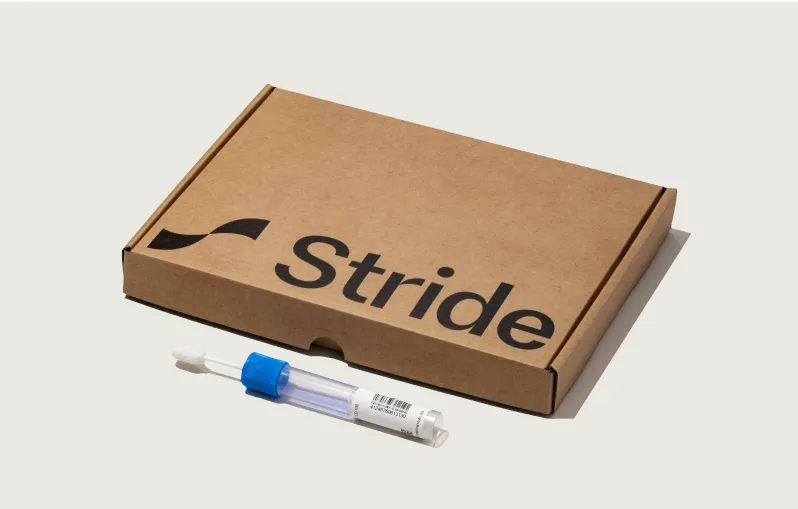




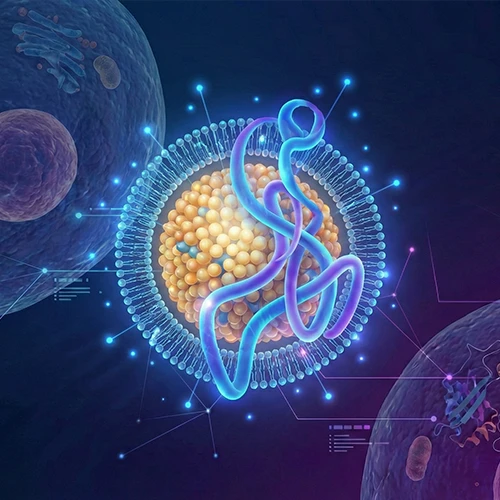

NOS1 Gene Test (Neuronal Nitric Oxide Synthase 1)
The NOS1 gene test analyses DNA for variants in neuronal nitric oxide synthase 1, the main source of nitric oxide in the brain and a key regulator of vascular tone, synaptic plasticity, metabolism, and stress responses. Understanding your NOS1 status adds genetic context to cardiovascular risk, insulin sensitivity, and mental health so you can personalise prevention and performance strategies instead of guessing.

Sample type
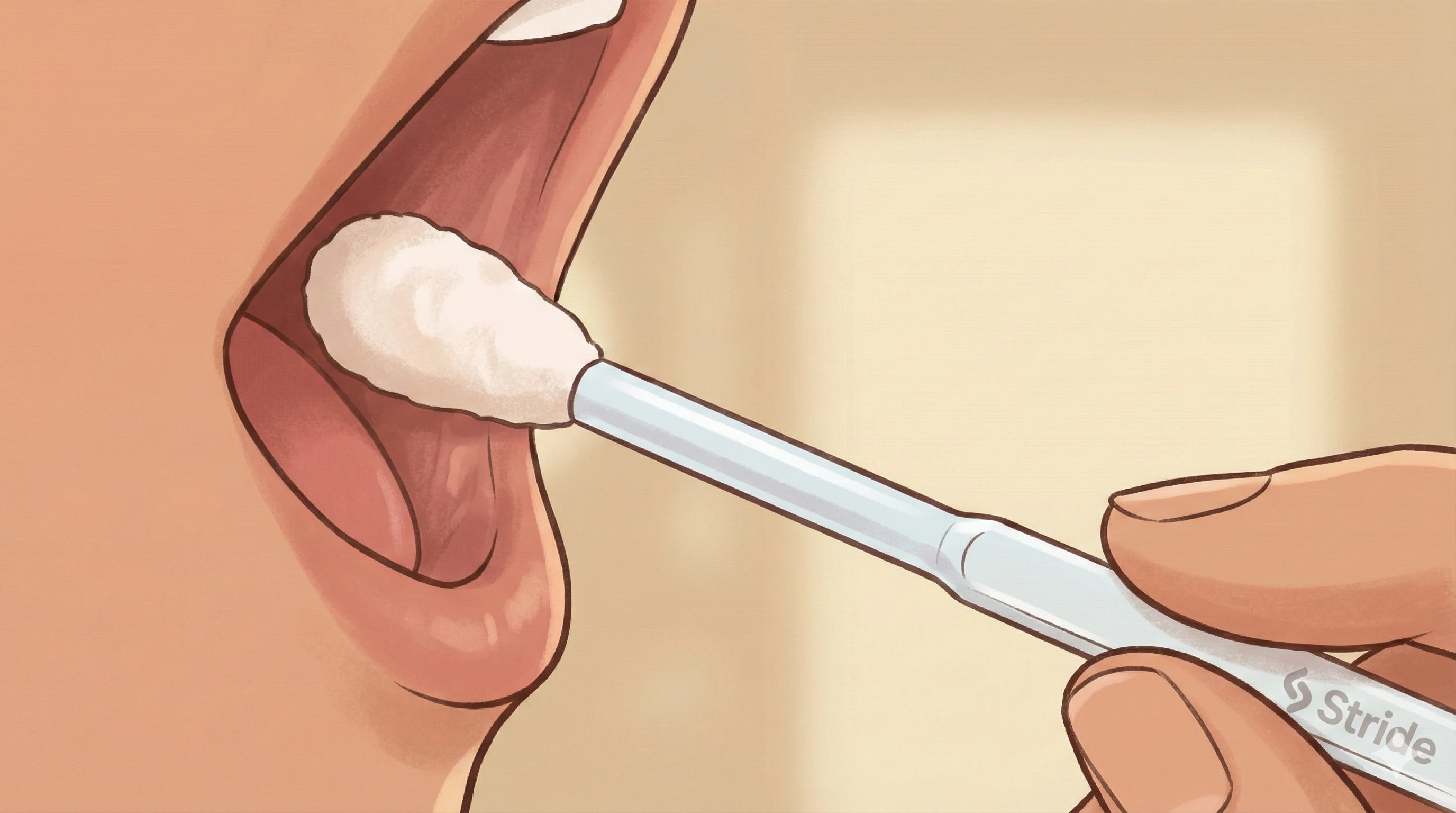
Cheek swab, Blood sample

Collection
At-home

Often paired with
Blood pressure and lipid markers, insulin and glucose, inflammation markers, NOS3 and NOS2 variants, stress & mood genes, cognitive and cardiovascular assessments

Fasting required
Not required for DNA testing; follow clinical guidance for any accompanying blood tests
Key benefits of testing NOS1
- Identify whether you carry NOS1 variants that influence neuronal nitric oxide production, which in turn modulates vascular function, synaptic plasticity, and neuroendocrine regulation.
- Help explain patterns such as hypertension, endothelial dysfunction, or cardiometabolic risk in some individuals, since specific NOS1 SNPs have been associated with coronary heart disease, hypertension, and insulin resistance.
- Add context to mental health and cognitive traits, because NOS1 derived nitric oxide shapes learning, memory, anxiety circuits, and behavioural phenotypes, and NOS1 methylation differences have been linked to panic disorder, while NOS1 variants interact with adversity to affect depression risk.
- Inform personalised strategies around vascular protection, metabolic health, and brain performance, including training, nutrition, stress management, and, in specialist contexts, choice or dosing of therapies that interact with nitric oxide pathways.
- Clarify your baseline nitric oxide synthase architecture alongside other biomarkers, so long term optimisation plans can be built on both genetics and current biology rather than population averages.
What is the NOS1 gene?
NOS1 encodes neuronal nitric oxide synthase (nNOS), one of three nitric oxide synthase isoforms that convert L arginine and oxygen into nitric oxide and L citrulline. NOS1 is calcium and calmodulin dependent and is highly enriched in the central and peripheral nervous system, where it often localises to synaptic sites via adaptor proteins such as NOS1AP and PSD95.
In addition to neurons, NOS1 is expressed in skeletal muscle, cardiac myocytes, gastrointestinal tract, and other tissues, where it participates in smooth muscle regulation, mitochondrial function, and redox balance. The NOS1 locus resides on chromosome 12q24.22 and includes multiple splice variants and regulatory regions, including CpG rich promoter areas where DNA methylation can modulate expression.
What does NOS1 do?
NOS1 catalyses the production of nitric oxide, a gaseous signalling molecule that diffuses locally to activate soluble guanylate cyclase, increase cGMP, and trigger signalling cascades that influence synaptic transmission, vascular tone, and cellular metabolism. In the brain, NOS1 derived nitric oxide participates in long term potentiation and depression, neuronal development, and regulation of learning and memory.
In peripheral tissues, NOS1 modulates autonomic control of smooth muscle, including peristalsis and vascular function, and regulates mitochondrial reactive oxygen species by influencing S nitrosylation and SIRT3 dependent pathways, which can protect against apoptosis and oxidative damage in some contexts. NOS1 knockout models display hypertension, insulin resistance, dyslipidaemia, and increased oxidative stress, highlighting the enzyme's role in cardiometabolic regulation.
NOS1 also influences immune pathways. NOS1 derived nitric oxide can S nitrosylate proteins such as HDAC2, altering chromatin interactions and interferon stimulated gene expression, thereby modulating inflammation, tumour progression, and immune surveillance, including effects on tumour homing lymphocytes in melanoma models.
Why is NOS1 important for health?
NOS1 sits at the intersection of neurovascular, metabolic, and psychiatric health. In the central nervous system, altered NOS1 signalling has been implicated in neurodegenerative diseases, behavioural deficits, and psychiatric disorders, including links to ADHD, depression, anxiety, and schizophrenia related phenotypes through NOS1 and NOS1AP variants and methylation patterns.
In the cardiovascular system, NOS1 contributes to fine tuning of vascular tone and cardiac repolarisation, with NOS1AP mediated interactions influencing L type calcium channels and repolarising currents. Genetic studies have identified NOS1 and NOS1AP variants associated with hypertension, coronary heart disease, sudden cardiac death risk, and metabolic syndrome, emphasising the role of nitric oxide imbalance in cardiometabolic disease.
Recent work has shown that NOS1 loss of function mutations can cause congenital hypogonadotropic hypogonadism with additional deficits in olfaction, hearing, and cognition, indicating a role in GnRH neuron development and minipuberty. Pharmacological modulation of nitric oxide in these models can rescue reproductive and behavioural phenotypes, underscoring the developmental importance of NOS1 activity.
NOS1 vs other nitric oxide markers
It is easy to assume that NOS1 testing and standard cardiovascular or metabolic tests tell you the same story, but they capture different layers of your biology. Blood pressure, lipids, and glucose show how your vascular and metabolic systems are performing now; flow mediated dilation and arterial stiffness measure current endothelial function; NOS1 genotyping and methylation status reveal how your neuronal and local nitric oxide signalling systems are wired and regulated over the long term.
This distinction matters because you can carry NOS1 variants associated with higher vascular or metabolic risk and still maintain healthy blood pressure and lipids when your lifestyle and treatment are aligned, while others without risk variants can develop hypertension and insulin resistance due to other genes, diet, inactivity, or stress. NOS1 offers a mechanistic lens on nitric oxide dependent regulation that complements, rather than replaces, standard clinical markers.
Factors that modify NOS1 variants
The influence of NOS1 variants is strongly shaped by your lifestyle, vascular environment, stress load, and coexisting conditions rather than by the gene alone, which means you have meaningful room to change the trajectory. Several modifiable factors can either buffer or amplify any genetic tendency.
- Blood pressure and vascular load: Sodium intake, alcohol, body weight, activity levels, and sleep apnea all affect vascular tone and can amplify the impact of NOS1 related nitric oxide signalling differences on hypertension and coronary risk.
- Metabolic health and insulin sensitivity: Obesity, physical inactivity, and high sugar intake drive insulin resistance and dyslipidaemia, which interact with NOS1 derived nitric oxide signalling in skeletal muscle, liver, and vasculature. Improving insulin sensitivity often reduces the practical impact of NOS1 risk variants.
- Oxidative stress and inflammation: Smoking, chronic inflammation, and oxidative stress can quench nitric oxide and uncouple NOS enzymes, turning them into superoxide producers. Antioxidant defences, nutrient status, and inflammation control help maintain healthy NOS1 function.
- Stress, mood, and sleep: Chronic stress and sleep disruption alter autonomic balance, HPA axis activity, and central nitric oxide signalling, which can unmask NOS1 related vulnerabilities in mood, anxiety, and cardiovascular regulation. Psychological support, good sleep, and stress management can mitigate this.
- Developmental and hormonal context: For reproductive and neurodevelopmental outcomes associated with rare NOS1 loss of function mutations, timing of nitric oxide availability in early life is crucial. In more common variants, puberty, sex hormones, and aging also shape how NOS1 biology shows up clinically.
NOS1 variants without symptoms
Yes, and this is the norm. Many people carry NOS1 polymorphisms linked to higher risk of hypertension, coronary heart disease, or depression without developing these conditions, especially when lifestyle and other risk factors are well managed. In complex traits such as blood pressure, metabolic syndrome, or psychiatric disorders, NOS1 variants usually explain only a small fraction of overall risk.
Similarly, changes in NOS1 methylation or expression may be present without overt disease, or may reflect adaptive responses to environmental inputs. Disease often arises when NOS1 related susceptibility combines with other genetic, environmental, and behavioural stressors.
Common NOS1 genotypes
Common NOS1 genotypes mainly differ at SNPs in coding, promoter, or intronic regions that influence enzyme expression, activity, and regulation. These variants have been associated with cardiovascular, metabolic, and psychiatric phenotypes in different cohorts.
- Reference NOS1 pattern: Genotypes with typical NOS1 expression and activity. Vascular and metabolic health are primarily driven by broader polygenic background and lifestyle, with NOS1 functioning as a standard neuronal and local NO source.
- Cardiovascular risk associated variants (for example rs3782218 and related SNPs): Some NOS1 SNPs have been associated with increased risk of coronary heart disease and hypertension in population studies, pointing to a role for altered neuronal or local NO signalling in vascular regulation. Effect sizes are modest and highly modifiable.
- Metabolic and psychiatric interaction variants: NOS1 and NOS1AP variants have been linked to metabolic syndrome in schizophrenia and to depression risk in the context of financial hardship, as well as to ADHD and other behavioural traits, suggesting combined effects on neuronal signalling and metabolic regulation.
- Rare loss of function mutations: Ultrarare NOS1 mutations can cause congenital hypogonadotropic hypogonadism with sensory and cognitive comorbidities, representing high impact variants that require specialist evaluation and often have developmental timing windows for intervention.
How to prepare for a NOS1 test
For DNA based NOS1 testing, preparation is straightforward because your genotype does not change with diet, training, or stress. It is most useful to include NOS1 within a broader cardiovascular, metabolic, or neuropsychiatric panel so results can be interpreted in context.
If NOS1 methylation or expression is being measured in research or specialist settings, timing relative to stressors, medications, and circadian phase may matter, and you should follow the specific instructions provided. For standard genotyping in prevention focused panels, no fasting or special timing is required.
Do I need a NOS1 test?
A NOS1 test is most valuable when the result will inform how you approach cardiovascular prevention, metabolic health, and brain health as part of a whole system plan. It is less useful when ordered in isolation without considering other risk factors and biomarkers.
- Strong personal or family history of early cardiovascular disease or hypertension: NOS1, alongside NOS3, lipid, and clotting genes, can provide a richer picture of vascular risk and support more proactive blood pressure, lipid, and lifestyle management.
- Complex metabolic and psychiatric profiles: In conditions such as schizophrenia or depression where metabolic syndrome and cardiovascular risk are elevated, NOS1 and NOS1AP variants can add nuance to risk stratification and preventive strategies.
- Interest in brain performance and neuroprotection: For individuals focused on learning, memory, and long term brain health, NOS1 status can complement BDNF and other neuro genes to shape training, sleep, and vascular strategies that support synaptic plasticity.
- Rare hypogonadotropic hypogonadism or developmental syndromes: In specialist endocrinology and genetics settings, NOS1 sequencing may be part of the workup when reproductive, sensory, and cognitive phenotypes suggest involvement.
Stride tests that include NOS1


Health Tests
Core DNA Methylation Test
5 reports: Methylation profile reports
From $229 $183.20
FAQs
What is the NOS1 gene test?
The NOS1 gene test analyses your DNA from blood or saliva to look for variants in neuronal nitric oxide synthase 1 that can influence nitric oxide production in the brain and vasculature and thereby affect vascular tone, metabolism, and mental health.
What does a NOS1 gene variant mean?
Common NOS1 variants usually act as modest modifiers of nitric oxide signalling that can shift risk for hypertension, coronary heart disease, insulin resistance, or certain psychiatric traits, but they rarely cause disease on their own.
Do NOS1 variants always cause high blood pressure or mood problems?
No; many people with NOS1 risk alleles never develop hypertension or mental health disorders. Outcomes depend heavily on diet, activity, sleep, stress, and other genes, so NOS1 should be seen as one factor within a broader risk profile.
Is NOS1 testing recommended for routine cardiovascular screening?
NOS1 testing is not yet standard in routine screening, but it can add useful nuance in comprehensive prevention panels, particularly when there is strong personal or family cardiovascular risk or complex metabolic and psychiatric comorbidities.
Can NOS1 affect metabolism or insulin resistance?
Yes; NOS1 knockout models show insulin resistance and dyslipidaemia, and human studies link nitric oxide pathway variants and NOS1AP variants to metabolic syndrome, particularly in schizophrenia, indicating that NOS1 related signalling can influence metabolic risk.
Do I need a NOS1 test?
You might consider a NOS1 test if you are building a detailed, actionable plan for cardiovascular and brain health, have early or strong family history of hypertension or heart disease, or have complex metabolic and mental health profiles where nitric oxide signalling insights will be used to adjust prevention strategies.
Do I need to fast for NOS1 testing?
Fasting is not required for DNA based NOS1 testing, although any accompanying blood tests such as lipids, glucose, or nitric oxide related biomarkers may have specific preparation instructions that are worth following for consistent tracking.
How can I optimise NOS1 related pathways?
Rather than trying to change the gene, focus on heart healthy nutrition, regular aerobic and resistance exercise, good sleep, stress management, blood pressure and lipid control, and avoidance of smoking so your vascular, metabolic, and brain systems can benefit from healthy nitric oxide signalling over time, whatever your NOS1 genotype.