
Menu
-
Shop All
Contact
hey@getstride.com
Stride Health Group
Stride Health Group Ltd
Company No 05158025
Lamas Road
Badersfield
Norwich
England
NR10 5FB
UK
Extra 10% Off | Enter code GIFT at checkout


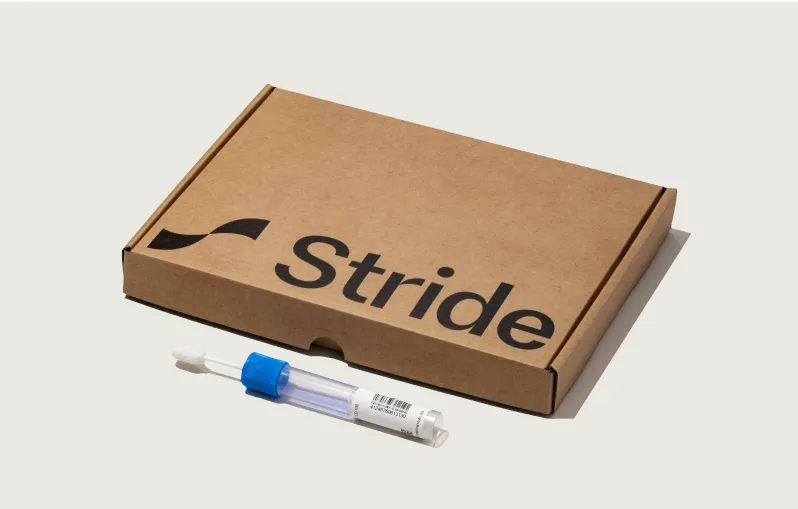





MTHFD1 Gene Test (Methylenetetrahydrofolate Dehydrogenase 1)
The MTHFD1 gene test analyses DNA for variants in methylenetetrahydrofolate dehydrogenase 1 that can alter how efficiently your cells process one carbon units within the folate cycle to support DNA synthesis, repair, and methylation. Understanding your MTHFD1 status adds genetic context to folate metabolism, choline demand, and neural tube defect and cardiovascular risk patterns so you can personalise nutrition and prevention strategies instead of relying on population averages.
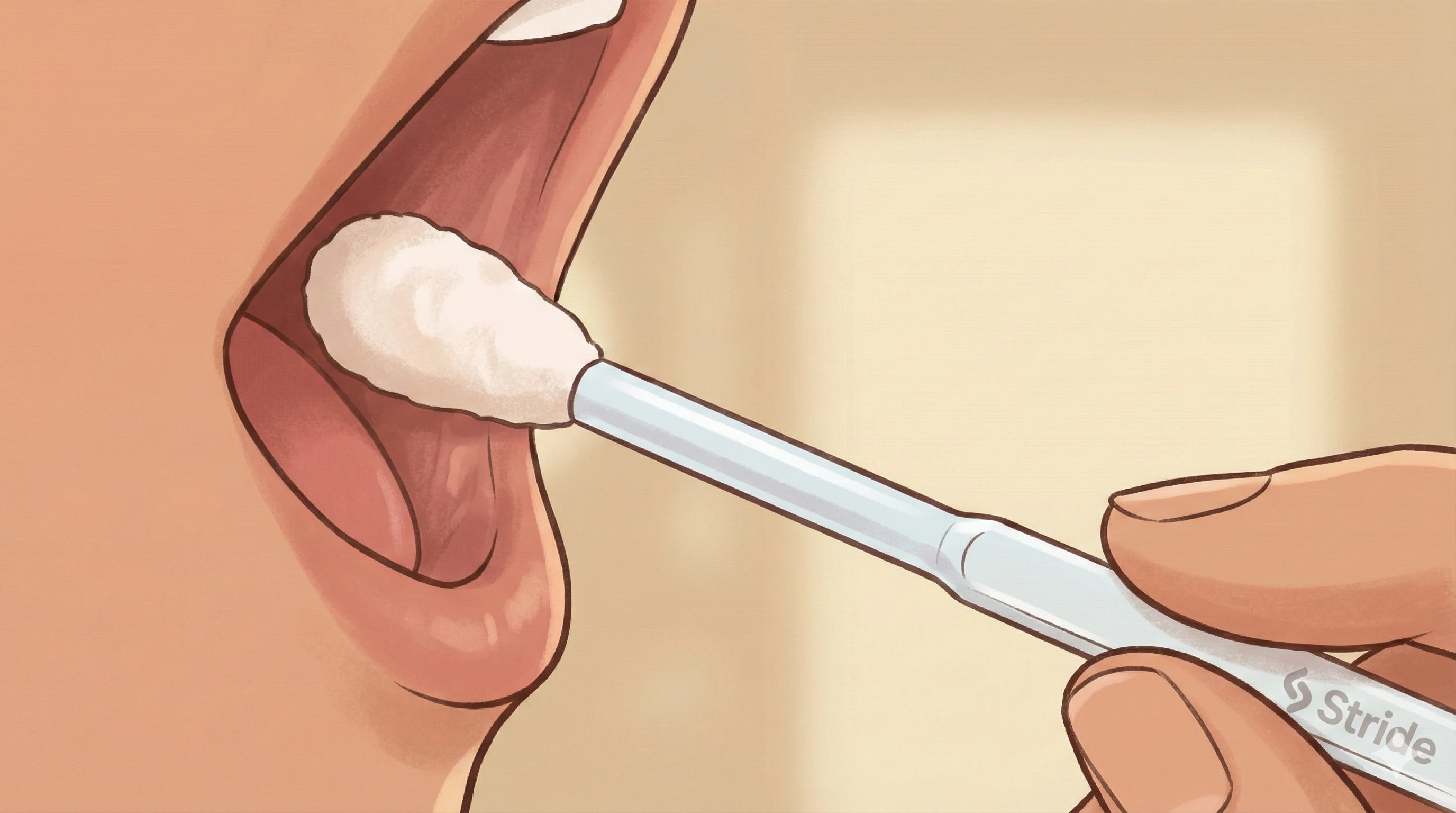

Sample type
Cheek swab, Blood sample

Collection
At-home

Often paired with
MTHFR, MTR, MTRR, DHFR, homocysteine, folate, vitamin B12, choline status proxies, full blood count, cardiometabolic panel

Fasting required
Not required for DNA testing; follow clinical guidance for any accompanying blood tests
What is the MTHFD1 gene?
MTHFD1 encodes a cytosolic trifunctional enzyme with three activities in a single protein: 5,10 methylenetetrahydrofolate dehydrogenase, 5,10 methenyltetrahydrofolate cyclohydrolase, and 10 formyltetrahydrofolate synthetase. Together, these activities interconvert one carbon substituted tetrahydrofolate derivatives that feed de novo purine synthesis, thymidylate synthesis, and remethylation of homocysteine to methionine.
The enzyme contains an amino terminal domain with dehydrogenase and cyclohydrolase activities and a larger synthetase domain that generates 10 formyltetrahydrofolate from formate and tetrahydrofolate. Rare, severe loss of function mutations in MTHFD1 can cause methylenetetrahydrofolate dehydrogenase 1 deficiency with combined immunodeficiency, megaloblastic anaemia, and hyperhomocysteinaemia, while common polymorphisms such as G1958A are associated with more modest shifts in enzyme behaviour and risk patterns.
What does MTHFD1 do?
MTHFD1 acts as a central hub in cytosolic one carbon metabolism, directing one carbon units carried on tetrahydrofolate into three key destinations: purine synthesis, thymidylate synthesis, and methionine generation via homocysteine remethylation. By interconverting 5,10 methylenetetrahydrofolate, 5,10 methenyltetrahydrofolate, and 10 formyltetrahydrofolate, it helps balance nucleotide production with methylation needs according to cellular demand.
When MTHFD1 activity is reduced or biased by genetics or limited folate availability, competition for limited one carbon donors can intensify, potentially favouring DNA synthesis at the expense of methylation, or vice versa, depending on context. This can subtly influence homocysteine levels, DNA repair fidelity, global DNA methylation patterns, and susceptibility to conditions linked to folate status such as neural tube defects and some cancers when other factors are not well supported.
Why is MTHFD1 important for health?
MTHFD1 supports three interconnected domains: nucleotide synthesis, methylation capacity, and homocysteine regulation through its role in one carbon metabolism. These processes underpin cell division, embryonic development, vascular integrity, and long term genomic stability.
Research has associated the G1958A polymorphism with maternal risk for neural tube defects, cleft lip, congenital heart defects, and with patterns in cardiovascular and cancer risk, often through effects on homocysteine and DNA methylation. Some studies suggest that certain MTHFD1 genotypes may carry higher neural tube defect risk but also show a complex relationship with cancer risk and DNA methylation status, underlining that nutrient status, choline intake, and broader environment strongly influence how these variants express.
MTHFD1 vs MTHFR: what is the difference?
It is easy to conflate MTHFD1 and MTHFR because both belong to the folate pathway, but they sit at different control points. MTHFD1 interconverts multiple one carbon forms of tetrahydrofolate and links formate and choline derived one carbon units into purine and thymidylate synthesis and methionine generation. MTHFR, by contrast, specifically converts 5,10 methylenetetrahydrofolate into 5 methyltetrahydrofolate for homocysteine remethylation.
This distinction matters because MTHFD1 influences the overall pool and distribution of one carbon donors, while MTHFR governs a specific branch. A person can have a typical MTHFR genotype but carry MTHFD1 variants that increase choline demand or subtly change neural tube defect risk, or vice versa. Looking across the network, rather than a single gene, gives a more accurate view of one carbon metabolism.
What factors modify the effects of MTHFD1 variants?
The impact of MTHFD1 variants is shaped more by nutrient status, choline availability, pregnancy demands, and broader physiology than by the gene alone. Several modifiable factors can buffer or amplify MTHFD1 related tendencies.
- Folate intake and quality: Adequate folate intake from leafy greens, legumes, and, where appropriate, folate supplements supports one carbon pools and can soften the impact of reduced MTHFD1 activity. Low folate intake or malabsorption can make the same variant more clinically relevant.
- Choline intake and methyl donors: Choline can supply one carbon units and act as an alternative methyl donor when folate pathways are under pressure. People with certain MTHFD1 variants may have a higher choline requirement and can benefit from adequate choline intake through diet or, where appropriate, supplementation.
- Vitamin B12 and B6 status: B12 and B6 sit at key points in the homocysteine and methylation network. Deficiencies can raise homocysteine and strain methylation even when MTHFD1 function is intact, and can compound genetic tendencies when MTHFD1 activity is reduced.
- Pregnancy and preconception status: During preconception and pregnancy, demand for nucleotide synthesis and methylation rises sharply. MTHFD1 variants, especially when combined with low folate or choline intake, may contribute to neural tube defect risk in mothers, making periconceptional folate and choline optimisation particularly important.
- Metabolic and cardiovascular health: Kidney function, metabolic syndrome, and overall inflammatory status can influence homocysteine levels and how one carbon metabolism is utilised. Improving these domains often has a larger effect on cardiovascular risk than genotype alone.
Can you have MTHFD1 variants without symptoms?
Yes, and this is common. Many people carry MTHFD1 polymorphisms such as G1958A without developing clear folate related symptoms, and only learn about their genotype through DNA testing or comprehensive methylation panels.
Symptoms sometimes attributed to "methylation issues," such as fatigue, low mood, or brain fog, are non specific and can arise from sleep problems, iron or B12 deficiency, thyroid dysfunction, mental health conditions, or lifestyle factors. Severe MTHFD1 deficiency with combined immunodeficiency, megaloblastic anaemia, and marked hyperhomocysteinaemia is rare and distinct from the common polymorphisms seen in the general population.
MTHFD1 genotypes: how do common variants differ?
Common MTHFD1 genotypes differ mainly in how they alter enzyme stability or the balance among its three activities, and how strongly they influence one carbon metabolism under nutritional or physiological stress. Understanding your pattern can help fine tune folate and choline support and monitoring.
- G1958A (R653Q) variants: The G1958A polymorphism, which changes an amino acid in the synthetase domain, has been widely studied. Certain genotypes have been associated with altered neural tube defect risk in mothers, shifts in homocysteine and DNA methylation, and nuanced differences in cancer risk patterns across studies. Effect sizes are typically modest and context dependent.
- Reference or "typical" genotypes: Individuals with reference MTHFD1 genotypes generally have full enzyme capacity, so one carbon metabolism depends more on folate and choline intake, B vitamin status, and metabolic health than on MTHFD1 itself.
- Rare pathogenic variants: Rare loss of function mutations in MTHFD1 can cause severe deficiency syndromes and are managed in specialist care. These are not the focus of standard preventive gene panels but highlight how essential this enzyme is for one carbon metabolism.
How do I prepare for an MTHFD1 test?
For DNA based MTHFD1 testing, preparation is straightforward because genotype does not change with meals, sleep, or exercise. The main consideration is ensuring the test panel includes key polymorphisms such as G1958A and aligns with your preventive or clinical questions.
Standalone MTHFD1 genotyping using blood or saliva does not require fasting, since it targets stable DNA sequence rather than dynamic folate or homocysteine levels. If MTHFD1 is bundled with tests like homocysteine, folate, B12, choline markers, lipids, or glucose, follow any fasting or timing guidance so that follow up results are easier to compare.
Do I need an MTHFD1 test?
An MTHFD1 test is most useful when the results will influence folate and choline strategies, preconception planning, or cardiovascular and cancer prevention discussions as part of a broader approach. It is less helpful when done in isolation without homocysteine, folate, B12, and clinical context.
- Preconception and pregnancy planning: For people planning pregnancy or with a history of neural tube defects or folate related pregnancy complications, MTHFD1 testing can add nuance to decisions on folate and choline intake alongside standard folate recommendations.
- Unexplained homocysteine or folate patterns: When homocysteine, folate, or methylation markers do not fully align with diet and supplementation, MTHFD1 genotyping alongside MTHFR, MTR, MTRR, DHFR, and choline intake review can clarify how your one carbon system is balanced.
- Cardiovascular and cancer risk profiling: In comprehensive preventive assessments, MTHFD1 testing plus methylation and cardiometabolic markers can contribute to a more detailed picture of how one carbon metabolism may interact with long term risk, always interpreted alongside established risk factors.
- Deep methylation and nutrient mapping: For individuals investing in detailed methylation and nutrient testing, MTHFD1 genotyping helps map how folate and choline pathways intersect, guiding personalised support that can be tracked over time.
Stride tests that include MTHFD1


Health Tests
Core DNA Methylation Test
5 reports: Methylation profile reports
From $229 $183.20

Health Tests
Advanced DNA & Methylation Test
29 reports: Methylation profile and nutrigenetic reports
From $349 $279.20

Health Tests
Optimal DNA & Methylation Test
46 reports: Methylation profile, nutrigenetic, fitness, sleep, stress and skin reports
From $479 $383.20
FAQs
What is the MTHFD1 gene test?
The MTHFD1 gene test analyses your DNA from blood or saliva to look for variants in the methylenetetrahydrofolate dehydrogenase 1 gene that influence how efficiently you process one carbon units in the folate cycle for DNA synthesis, repair, and methylation.
What does an MTHFD1 variant mean?
Common MTHFD1 variants such as G1958A may modestly change enzyme stability or activity and shift patterns in folate handling, homocysteine, choline requirement, or neural tube defect risk, but they are not a diagnosis on their own and are best interpreted with blood tests and clinical context.
Do MTHFD1 variants always cause health problems?
No. Many people with MTHFD1 variants never develop clear folate related issues, and maintain healthy homocysteine and blood counts when folate, choline, B12, and overall health are well supported. Severe MTHFD1 deficiency is rare and distinct from common polymorphisms.
Can MTHFD1 affect pregnancy or baby development?
Certain MTHFD1 variants, especially when combined with low folate or choline intake, have been associated with a higher maternal risk of neural tube defects and some congenital anomalies. Building strong folate and choline status before and during early pregnancy remains a key strategy for everyone, regardless of genotype.
Is MTHFD1 testing recommended for heart disease or cancer prevention?
MTHFD1 testing is not routinely recommended as a stand alone screen for cardiovascular disease or cancer, but may be included in comprehensive preventive or research panels to add nuance to risk profiling alongside established markers and lifestyle factors.
Do I need an MTHFD1 test?
You might consider an MTHFD1 test if the results would change how you and your clinician approach folate and choline intake, preconception planning, homocysteine management, or long term prevention strategies, ideally as part of a wider assessment.
Do I need to fast for MTHFD1 testing?
Fasting is not required for DNA based MTHFD1 testing, although accompanying blood tests such as homocysteine, folate, B12, lipids, or glucose may have specific preparation instructions to keep results consistent over time.
How can I support MTHFD1 related pathways?
Rather than trying to "fix" the gene, focus on optimising folate and choline intake, ensuring adequate B12 and B6, supporting metabolic and cardiovascular health, moderating alcohol, and maintaining regular movement and sleep so your one carbon metabolism can perform well over the long term, whatever your MTHFD1 genotype.