
Menu
-
Shop All
Contact
hey@getstride.com
Stride Health Group
Stride Health Group Ltd
Company No 05158025
Lamas Road
Badersfield
Norwich
England
NR10 5FB
UK
Extra 10% Off | Enter code GIFT at checkout


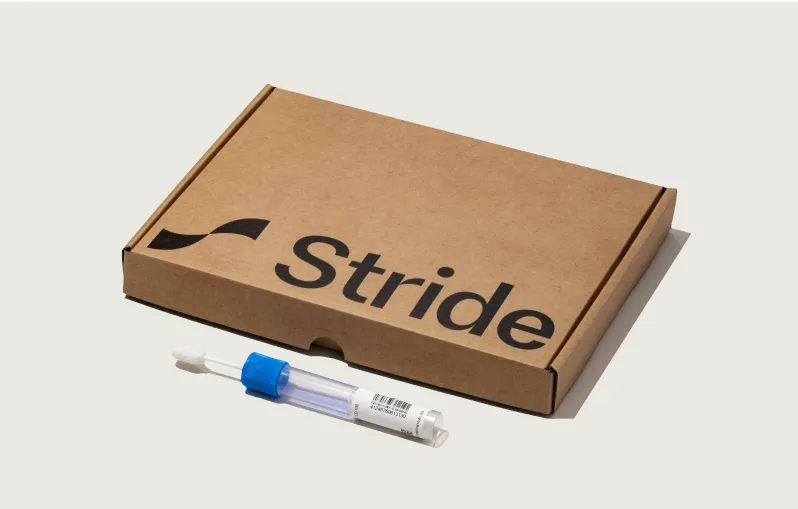




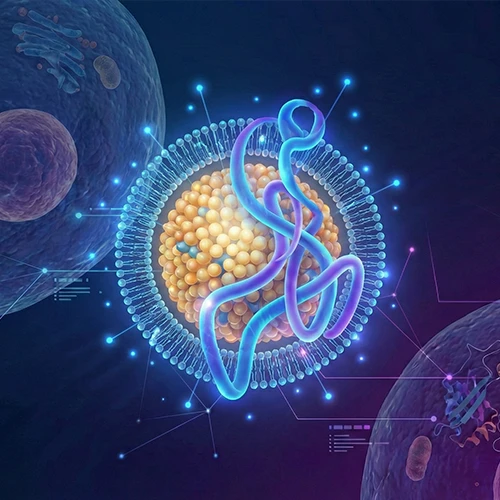

MIR2113 Gene Test (MicroRNA 2113)
The MIR2113 gene test analyses DNA for variants near microRNA 2113, a brain expressed microRNA locus that has been associated with general cognitive function, educational attainment, and the rate of age related episodic memory decline. Understanding your MIR2113 status adds genetic context to how your memory may change over time so you can personalise long term brain health strategies rather than guessing.
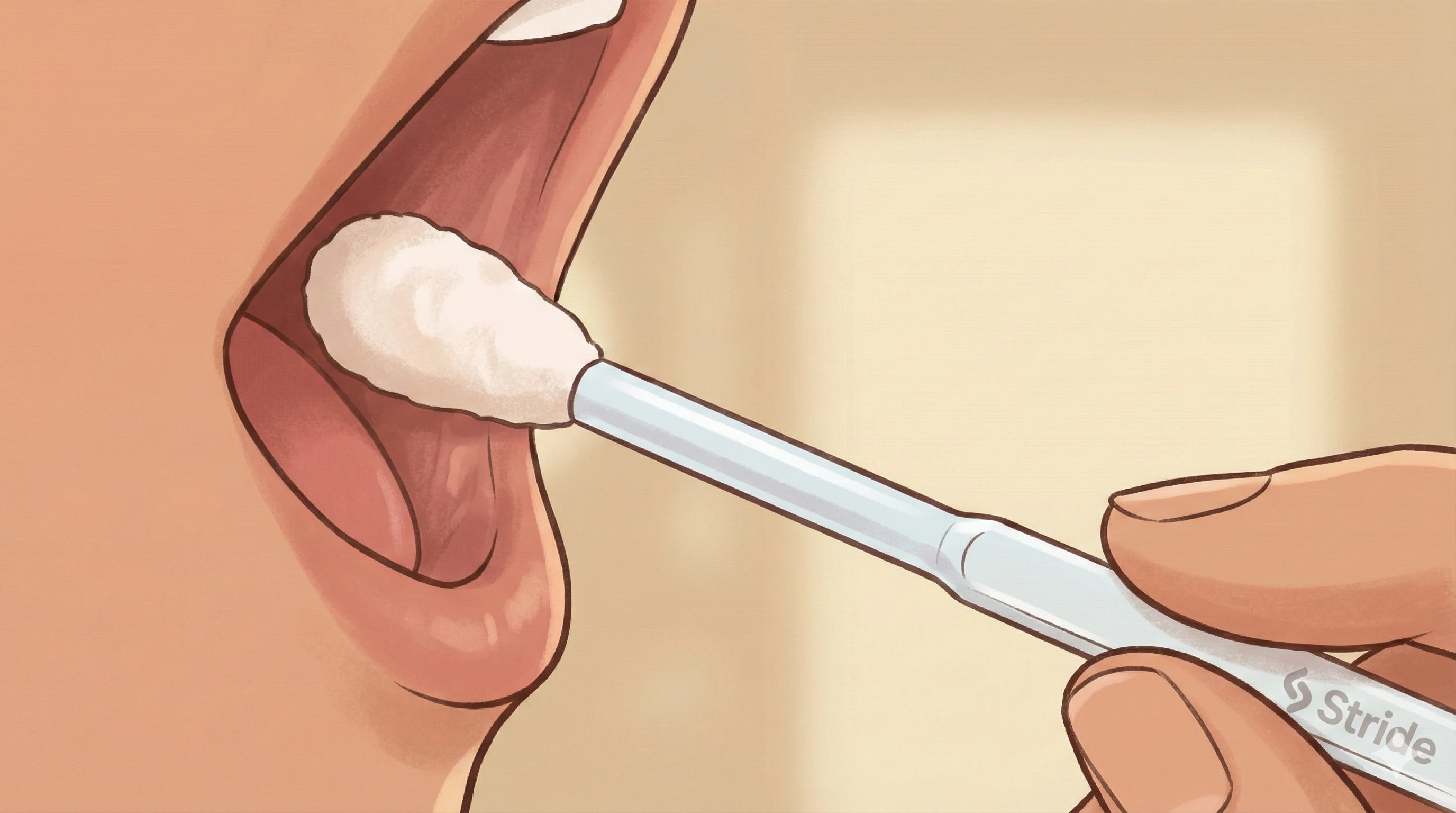

Sample type
Cheek swab, Blood sample

Collection
At-home

Often paired with
Other cognition related genes (AKAP6, APOE, BDNF), cardiometabolic markers, inflammatory markers, sleep and stress response genes, lifestyle and cognitive performance data

Fasting required
Not required for DNA testing; follow clinical guidance for any accompanying blood tests
Key benefits of testing MIR2113
- Identify whether you carry MIR2113 region variants that large genome wide association studies have linked to differences in general cognitive function and faster decline in episodic memory in older adults.
- Help explain patterns such as why memory tasks may feel more sensitive to ageing than other cognitive domains, by highlighting a genetic tendency that can be supported rather than fixed.
- Add context to psychiatric and neurodegenerative risk discussions, as MIR2113 region variants have surfaced in studies of bipolar disorder, educational attainment, and neurodegenerative conditions, primarily as small effect susceptibility signals.
- Inform personalised strategies for cognitive reserve, including sleep, exercise, vascular risk management, mental stimulation, and mood support, when integrated with broader biomarker and lifestyle data.
- Clarify your baseline microRNA regulatory architecture in brain relevant regions so that long term brain health plans can be built on both genetics and real time performance rather than population averages.
What is the MIR2113 gene?
MIR2113 refers to a microRNA locus on chromosome 6q16.1 that encodes a small non coding RNA involved in post transcriptional regulation of multiple target genes. MicroRNAs fine tune gene expression by binding to complementary sequences in target mRNAs and promoting their degradation or inhibiting translation, which makes them powerful modulators of cellular networks.
The region around MIR2113 has shown genome wide significant association with general cognitive function and educational attainment in large samples. It sits in a regulatory rich stretch of 6q16.1 that includes open chromatin, histone modifications, and DNase hypersensitive sites in brain tissue, suggesting that variants here can influence expression of MIR2113 and neighbouring genes in neural circuits that support learning and memory.
What does MIR2113 do?
As a microRNA, MIR2113 does not code for a protein but regulates other genes at the RNA level. It is predicted to target transcripts involved in synaptic plasticity, neuronal signalling, and brain development, although the full set of human targets and pathways is still being mapped. By adjusting the stability and translation of these mRNAs, MIR2113 can subtly influence how neurons respond to activity and how networks adapt over time.
Genetic variants near MIR2113 have been associated with general cognitive function scores and with accelerated decline in episodic memory performance in ageing cohorts, suggesting that MIR2113 related regulation may play a role in how quickly memory networks lose efficiency with age. The same locus has also appeared as a shared signal across educational attainment and several psychiatric and neurodevelopmental traits, indicating that MIR2113 may participate in broader brain development and plasticity pathways rather than a single disease specific route.
Why is MIR2113 important for health?
MIR2113 contributes to interconnected domains of cognitive performance, brain ageing, and psychiatric susceptibility. Genome wide analyses have identified the MIR2113 region as one of a small number of loci consistently associated with variation in general cognitive function and educational attainment, and follow up work has linked a specific MIR2113 region variant to faster decline in episodic memory over 12 years in older adults without dementia.
Because cognitive reserve, memory maintenance, and brain health are key determinants of functional independence, decision making, and quality of life in later years, understanding MIR2113 offers one piece of the puzzle in predicting who might benefit most from intensive brain protective strategies. Effect sizes are modest, and MIR2113 is only one contributor among many, but it helps explain some of the heritable variation in cognitive ageing trajectories.
MIR2113 vs other cognitive markers
It is easy to assume that MIR2113 testing and standard cognitive or imaging tests tell you the same story, but they capture different layers of your biology. Cognitive tests, brain imaging, and functional assessments show how your brain is performing now; serum or CSF biomarkers reflect current neurodegenerative or inflammatory activity; MIR2113 testing looks at inherited variants that may influence how your memory networks are regulated across decades.
This distinction matters because you can carry MIR2113 risk variants and still maintain strong cognitive function if you build high cognitive reserve, control vascular risk, and support brain health through lifestyle and medical care. Conversely, cognitive decline and psychiatric conditions can emerge without notable MIR2113 variants because they depend on many genes and environmental factors. MIR2113 adds nuance rather than providing a simple yes/no answer.
Factors that modify MIR2113 variants
The influence of MIR2113 variants is shaped far more by your brain, vascular, and lifestyle environment than by the microRNA locus alone, which means you have meaningful room to change the trajectory. Several modifiable factors can either buffer or amplify any genetic tendency.
- Vascular and cardiometabolic health: Blood pressure, lipids, glucose, and obesity significantly influence brain ageing and memory decline. Managing these through nutrition, movement, and medication where needed can reduce risk even when MIR2113 related susceptibility is present.
- Cognitive reserve and mental stimulation: Higher education, complex work, and regular mentally stimulating activities build neural redundancy and flexibility that can offset small genetic disadvantages in memory decline. Learning new skills, languages, or instruments remains a powerful lever.
- Sleep, stress, and mood: Chronic sleep disruption, unmanaged stress, anxiety, and depression all accelerate cognitive wear and can unmask genetic vulnerabilities. High quality sleep routines, stress management, and appropriate psychological or pharmacological care help protect memory networks.
- Physical activity and cardiorespiratory fitness: Regular aerobic and strength training improve cerebral blood flow, neurotrophin levels, and synaptic plasticity, which support memory maintenance regardless of MIR2113 genotype.
- Inflammation, toxins, and head trauma: Chronic inflammation, smoking, heavy alcohol use, exposure to neurotoxins, and repeated head injuries all increase brain ageing pressure. Reducing these exposures is critical for anyone, and particularly valuable if MIR2113 suggests greater sensitivity to memory decline.
MIR2113 variants without symptoms
Yes, and that is expected. Most people with MIR2113 risk alleles identified in cognitive GWAS will not experience early dementia or dramatic memory loss. The variants primarily shift population level averages and the slope of decline, not determine individual outcomes on their own.
In addition, cognitive trajectories are highly modifiable by education, occupational complexity, lifestyle, and medical care. People without MIR2113 risk variants can still experience significant cognitive decline due to vascular disease, neurodegenerative processes, or severe psychiatric illness, while many with risk alleles remain cognitively healthy into very old age.
Common MIR2113 genotypes
Common MIR2113 genotypes mainly differ at single nucleotide polymorphisms in or near the microRNA locus that modulate expression or processing of MIR2113 or neighbouring regulatory elements. These variants have been statistically associated with cognitive measures in large samples.
- Non risk MIR2113 alleles: Associated with baseline population level risk for cognitive performance and memory decline, where outcomes are determined mostly by broader polygenic background and environment.
- Cognitive function associated alleles: Variants such as rs10457441 in the MIR2113 region have been associated with accelerated decline in episodic memory and with general cognitive function metrics, indicating a small but measurable influence on how memory changes over time.
- Shared susceptibility region signals: MIR2113 region variants also appear in analyses of educational attainment and psychiatric conditions such as bipolar disorder and autism spectrum disorder as shared signals, suggesting that this regulatory landscape may shape multiple aspects of brain development and function across the life course.
How to prepare for a MIR2113 test
For DNA based MIR2113 testing, preparation is simple because your genotype does not change with sleep, training, or diet. The key step is choosing a panel that situates MIR2113 within a broader set of cognitive, psychiatric, and cardiometabolic genes so any findings can be interpreted in context.
Standalone MIR2113 genotyping using blood or saliva does not require fasting, since it assesses stable DNA sequence rather than dynamic biomarkers. If MIR2113 testing is bundled with cognitive assessments, imaging, or blood markers such as lipids or inflammatory markers, your clinician or testing provider may offer specific preparation guidance for those additional components.
Do I need a MIR2113 test?
A MIR2113 test is most valuable when the result will be used to adapt your long term brain health strategy rather than simply satisfy curiosity. It is less useful in isolation without consideration of cognitive testing, family history, lifestyle, and other biomarkers.
- Strong interest in cognitive ageing and longevity: If you are intentionally building a plan to preserve memory and cognitive performance into later life, MIR2113 can help identify whether episodic memory deserves particular long term focus.
- Family history of dementia or early cognitive decline: In families where memory problems are common, MIR2113 status can add nuance to broader genetic and clinical assessments and support earlier emphasis on modifiable risk factors.
- Brain intensive careers or high performance demands: For people whose work or lifestyle places heavy demands on memory and decision making, MIR2113 can be part of a personalised risk and resilience map that guides sleep, training, and recovery priorities.
- Comprehensive mental health and cognition workups: In complex psychiatric or neurocognitive presentations, MIR2113 reads as one data point in a larger panel that informs prognosis and focus areas, always in combination with clinical assessment and other tests.
Stride tests that include MIR2113


Health Tests
Core DNA Methylation Test
5 reports: Methylation profile reports
From $229 $183.20
FAQs
What is the MIR2113 gene test?
The MIR2113 gene test analyses your DNA from blood or saliva to look for variants in and around the microRNA 2113 locus that have been associated with general cognitive function, educational attainment, and the rate of age related episodic memory decline.
What does a MIR2113 gene variant mean?
Common MIR2113 region variants usually act as subtle modifiers of memory ageing trajectories and cognitive traits, slightly shifting risk or rate of decline rather than directly causing dementia or specific psychiatric disorders.
Do MIR2113 variants always cause memory problems?
No; most people with MIR2113 risk alleles maintain good cognitive function, especially when vascular risk is well managed and lifestyle supports brain health. These variants change probabilities, not certainties.
Is MIR2113 testing recommended for dementia diagnosis?
MIR2113 testing is not a diagnostic tool for dementia. It provides information about susceptibility and memory decline risk at a population level and should always be interpreted alongside clinical assessment, imaging, and other biomarkers.
Can MIR2113 affect mental health or educational attainment?
MIR2113 region variants have been associated with educational attainment and appear in analyses of psychiatric conditions such as bipolar disorder, but effect sizes are small and many other genes and environmental factors are involved.
Do I need a MIR2113 test?
You might consider a MIR2113 test if you are building a detailed, actionable plan for cognitive longevity, have a strong family history of early memory decline, or work with a clinician or coach who will use these data to adjust your prevention priorities.
Do I need to fast for MIR2113 testing?
Fasting is not required for DNA based MIR2113 testing, although any accompanying blood tests such as lipids, glucose, or inflammatory markers may have specific preparation instructions that are worth following for consistent tracking.
How can I optimise MIR2113 related pathways?
Rather than trying to change the gene, focus on controlling vascular and metabolic risk factors, exercising regularly, prioritising high quality sleep, challenging your brain with learning and complex tasks, managing stress and mood, and avoiding smoking and excessive alcohol so your cognitive system can perform well over time, whatever your MIR2113 genotype.