
Menu
-
Shop All
Contact
hey@getstride.com
Stride Health Group
Stride Health Group Ltd
Company No 05158025
Lamas Road
Badersfield
Norwich
England
NR10 5FB
UK
Extra 10% Off | Enter code GIFT at checkout


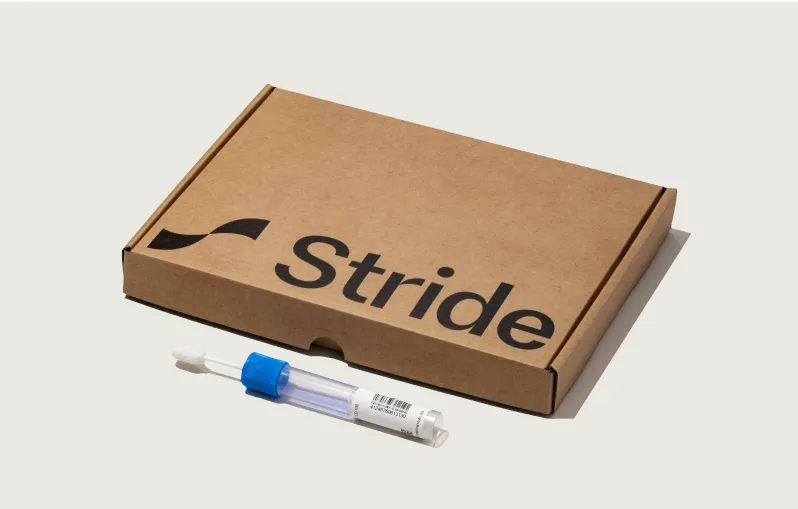






Mean Corpuscular Haemoglobin Concentration (MCHC) Blood Test
Mean corpuscular haemoglobin concentration MCHC is the average concentration of haemoglobin inside your red blood cells. Because haemoglobin carries oxygen, MCHC helps show how densely packed with haemoglobin your red cells are and is used to classify different types of anaemia and red cell disorders.
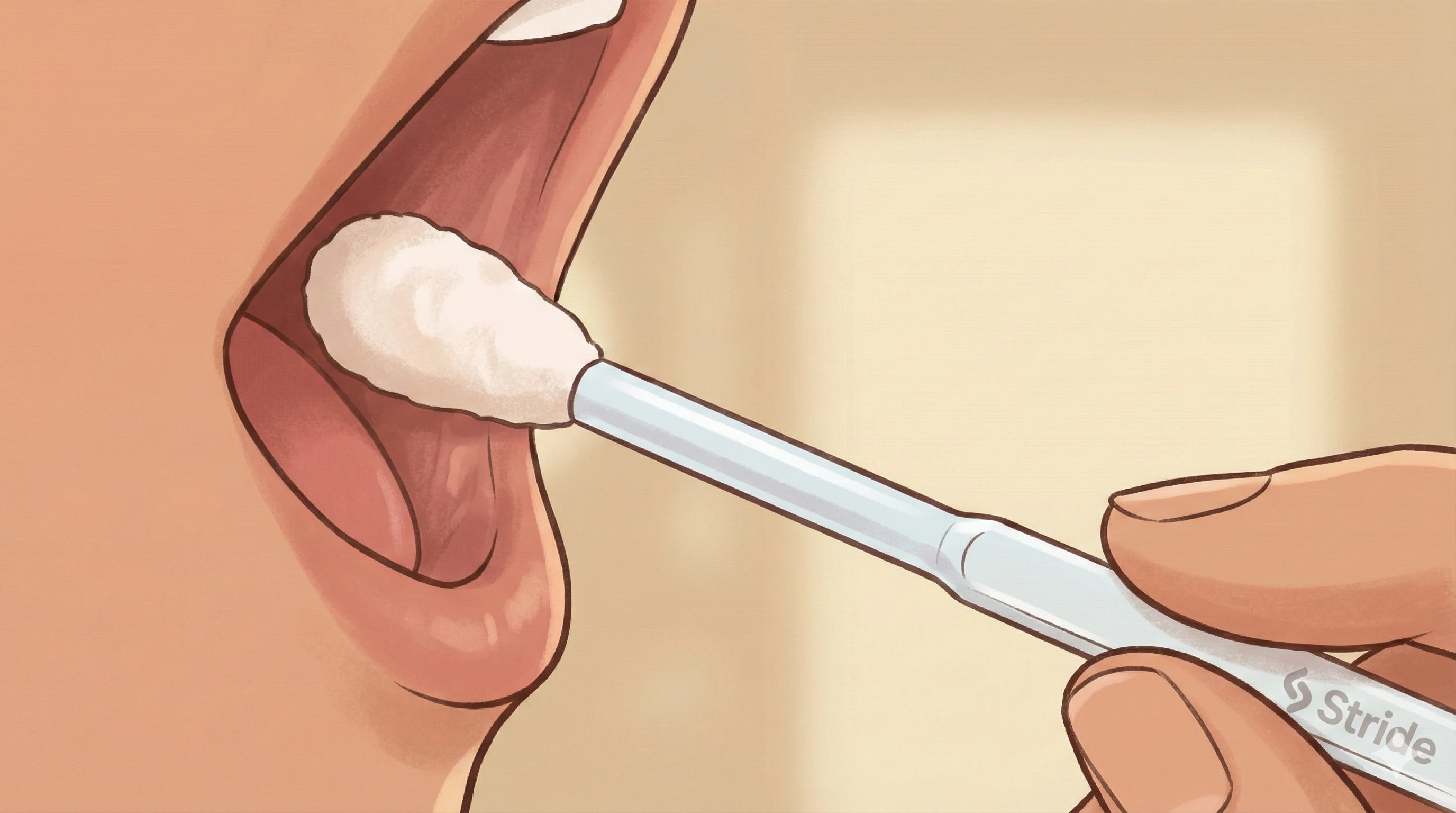

Sample type
Blood sample

Collection
At-home

Often paired with
Haemoglobin, haematocrit, red blood cell count RBC, mean cell volume MCV, mean corpuscular haemoglobin MCH, red cell distribution width RDW, ferritin and iron studies, vitamin B12, folate, kidney and thyroid function

Fasting required
0
Key benefits of testing MCHC
An MCHC blood test can help you:
- Classify anaemia as hypochromic low MCHC or normochromic normal MCHC when interpreted with MCV and other indices.
- Differentiate iron deficiency and thalassaemia typically low MCHC from macrocytic or haemolytic patterns where MCHC may be normal or high.
- Detect subtle changes in haemoglobin concentration within red cells before haemoglobin alone falls outside the reference range.
- Guide further investigation, such as iron, B12, folate, haemoglobinopathy testing, or haemolysis workup.
- Monitor how effectively treatments refill haemoglobin into red cells over time.
What is Mean Corpuscular Haemoglobin Concentration (MCHC)
MCHC stands for mean corpuscular haemoglobin concentration and describes how concentrated haemoglobin is within a given volume of red blood cells. It is:
- Calculated by dividing haemoglobin by haematocrit or from MCH and MCV.
- Reported in grams per decilitre g/dL or grams per litre g/L, often with a reference range around 32 to 36 g/dL.
- One of the standard red cell indices automatically reported on a full blood count.
MCHC effectively tells you how "colourful" or pale your red cells are, reflecting how well they are filled with haemoglobin relative to their size.
What does MCHC show about your red blood cells
MCHC reflects haemoglobin density inside red cells:
- Low MCHC hypochromia means the concentration of haemoglobin within red cells is reduced, and cells often look paler under the microscope.
- Normal MCHC normochromia means haemoglobin concentration is appropriate for cell size, even if haemoglobin level overall is low.
- High MCHC hyperchromia is less common and can be seen when red cells are smaller and more densely packed with haemoglobin or in some haemolytic and hereditary red cell conditions.
On its own, MCHC does not diagnose a condition, but in combination with haemoglobin, MCV, MCH, and RDW it helps narrow down the type and cause of anaemia.
Why is MCHC important for anaemia, oxygen delivery, and long term health
MCHC matters because:
- Low MCHC often points to iron restricted haemoglobin synthesis, as seen in iron deficiency anaemia and thalassaemia, where red cells are both small and pale and less efficient at carrying oxygen.
- High MCHC can suggest hereditary spherocytosis, some autoimmune haemolytic anaemias, and other conditions where red cells are fragile, altered in shape, or breaking down more quickly.
- Normal MCHC with anaemia can indicate anaemia of chronic disease, acute blood loss, kidney related anaemia, or mixed patterns that require different investigation and management.
Identifying the right anaemia pattern helps target treatment to the root cause and reduces the risk of chronic fatigue, reduced performance, and cardiovascular strain.
MCHC vs MCH vs MCV vs haemoglobin: what is the difference
These indices describe different properties of your red blood cells:
- MCHC is the concentration of haemoglobin in a given volume of red blood cells.
- MCH is the average amount of haemoglobin within each red blood cell.
- MCV is the average size of each red blood cell.
- Haemoglobin is the overall haemoglobin concentration in your blood.
Common combinations:
- Low MCHC and low MCV hypochromic, microcytic pattern typical of iron deficiency or thalassaemia trait.
- Normal or high MCHC with high MCV macrocytic pattern may be seen in some haemolytic anaemias and hereditary spherocytosis.
- Normal MCHC with low haemoglobin and normal MCV normocytic pattern may suggest anaemia of chronic disease, early kidney disease, or acute blood loss.
What factors affect MCHC levels
MCHC is influenced by how red cells are built and how they are broken down. Key influences include:
1. Iron deficiency and chronic blood loss
- Iron deficiency reduces haemoglobin synthesis, leading to red cells that are smaller and less haemoglobin dense low MCHC and low MCV.
- Chronic blood loss heavy periods, gastrointestinal bleeding, frequent donation can progressively lower MCHC as iron stores fall.
2. Thalassaemia and haemoglobinopathies
- Thalassaemia traits cause reduced or imbalanced globin chain production, typically producing low MCHC and low MCV with relatively preserved red cell numbers.
- These patterns often prompt haemoglobinopathy screening.
3. Vitamin B12, folate, and macrocytic states
- B12 and folate deficiency usually cause large cells with high MCV and normal or sometimes slightly raised MCH, while MCHC may be normal or mildly altered.
- Alcohol, liver disease, and hypothyroidism can also produce macrocytosis and influence MCHC.
4. Haemolytic and hereditary red cell disorders
- Hereditary spherocytosis and some autoimmune haemolytic anaemias often show raised MCHC because cells are smaller, more spherical, and more densely packed with haemoglobin.
- Severe burns and some rare conditions can also raise MCHC.
5. Laboratory and physiological factors
- Marked hyperlipidaemia, cold agglutinins, or technical artefacts can occasionally skew MCHC readings.
- Hydration status tends to affect haematocrit more than MCHC but can indirectly influence calculated values.
Normal vs low vs high MCHC: what is the difference
Reference ranges vary slightly, but for adults:
- Typical MCHC range is about 32 to 36 g/dL or 320 to 360 g/L.
Broad interpretation:
- Low MCHC hypochromic pattern suggests under filled red cells and is most often seen in iron deficiency anaemia, thalassaemia, some chronic diseases, and occasionally in lead poisoning or other rare causes.
- High MCHC hyperchromic pattern is less common and is associated with hereditary spherocytosis, autoimmune haemolytic anaemia, severe burns, overactive thyroid, or some technical artefacts.
- Normal MCHC does not rule out anaemia; it is typical in normochromic anaemias such as anaemia of chronic disease, acute blood loss, or early kidney related anaemia.
Do I need to fast for an MCHC blood test
You do not usually need to fast for an MCHC test.
You may be asked to:
- Fast if your full blood count and MCHC are part of a fasting metabolic or lipid panel.
- Avoid extreme dehydration or very vigorous exercise immediately before testing so red cell indices reflect your usual baseline.
How can abnormal MCHC be improved clinician guided
Improving MCHC is about addressing the underlying reason red cells are under or over filled with haemoglobin.
For low MCHC, clinician guided steps typically include:
- Checking ferritin and iron studies and treating iron deficiency with dietary changes and iron supplements or infusions, while identifying and managing sources of blood loss.
- Considering thalassaemia or other haemoglobinopathy testing if iron status is normal but MCHC and MCV remain low.
- Managing chronic kidney, inflammatory, or other systemic conditions that can contribute to hypochromic patterns.
For high MCHC, steps may include:
- Assessing for hereditary spherocytosis, autoimmune haemolytic anaemia, and other haemolytic conditions with blood film, reticulocyte count, bilirubin, LDH, and Coombs testing as appropriate.
- Reviewing thyroid and liver function, burns history, and medications.
- Treating the underlying disorder and monitoring red cell indices as haemolysis and red cell shape normalise.
Stride tests that include MCHC
FAQs
What is the Mean Corpuscular Haemoglobin Concentration (MCHC) blood test
The MCHC blood test measures the average concentration of haemoglobin inside your red blood cells and is automatically reported as part of a full blood count. It helps classify anaemia and can suggest whether iron deficiency, haemolysis, hereditary red cell conditions, or other causes are likely when interpreted with other red cell indices.
What is a normal MCHC level
In adults, a typical MCHC reference range is around 32 to 36 g/dL or 320 to 360 g/L, though ranges vary slightly between laboratories. Your result will be flagged as low, normal, or high relative to the range used by your lab.
What is an optimal MCHC level for health and performance
Optimal MCHC is a stable value within the normal range, indicating that your red blood cells are appropriately filled with haemoglobin for their size and can carry oxygen efficiently. The best pattern for you is assessed together with haemoglobin, MCH, MCV, ferritin, B12, folate, and symptoms rather than as a single target number.
Is MCHC better than MCH for checking anaemia
MCHC and MCH provide complementary information. MCHC focuses on haemoglobin concentration within red cells, while MCH looks at how much haemoglobin is present in each cell. Neither is "better" on its own; they are most useful when interpreted together with MCV, haemoglobin, and iron and vitamin markers.
Can MCHC be low even if my haemoglobin is normal
Yes. MCHC can be low in early or mild iron deficiency or some haemoglobinopathies even when total haemoglobin is still within range. This may act as an early signal that red cells are becoming paler and under filled, prompting a closer look at iron status and potential sources of blood loss.
Do I need an MCHC blood test
You will usually have MCHC measured whenever you have a full blood count, which is one of the most common routine blood tests. It is particularly relevant if you have fatigue, low mood, reduced performance, pale skin, heavy periods, gut symptoms, chronic conditions, or a family history of blood disorders.
Do I need to fast for an MCHC test
Fasting is not usually required for an MCHC test. If your full blood count is part of a fasting panel, you will follow those instructions, and MCHC will be calculated from that sample.
How can I improve my MCHC result
Improving MCHC involves treating underlying causes such as iron deficiency, chronic blood loss, B12 or folate deficiency, alcohol related and liver disease, thyroid disorders, haemolytic anaemia, or hereditary red cell conditions, with guidance from your clinician. As these causes are addressed and nutrient and organ status improve, MCHC and other red cell indices typically move back toward a healthier pattern.
Do I need a Mean Corpuscular Haemoglobin Concentration (MCHC) blood test
If you want a more detailed understanding of why you feel tired, short of breath, or off your usual performance, or you have risk factors for iron deficiency, haemolytic anaemia, or hereditary red cell conditions, discussing a full blood count including MCHC with your clinician is a practical step. Within StrideOne, MCHC sits alongside hundreds of other biomarkers, helping you see exactly how this red cell concentration marker fits into your energy, performance, and long term health strategy.