
Menu
-
Shop All
Contact
hey@getstride.com
Stride Health Group
Stride Health Group Ltd
Company No 05158025
Lamas Road
Badersfield
Norwich
England
NR10 5FB
UK
Extra 10% Off | Enter code GIFT at checkout





MC1R Gene Test (Melanocortin 1 Receptor)
The MC1R gene test analyses DNA for variants in the melanocortin 1 receptor, a key regulator of skin and hair pigmentation and ultraviolet light response. Understanding your MC1R status adds genetic context to red hair and fair skin traits, sun sensitivity, skin cancer risk, and pain sensitivity so you can personalise skin protection and procedure planning instead of guessing.
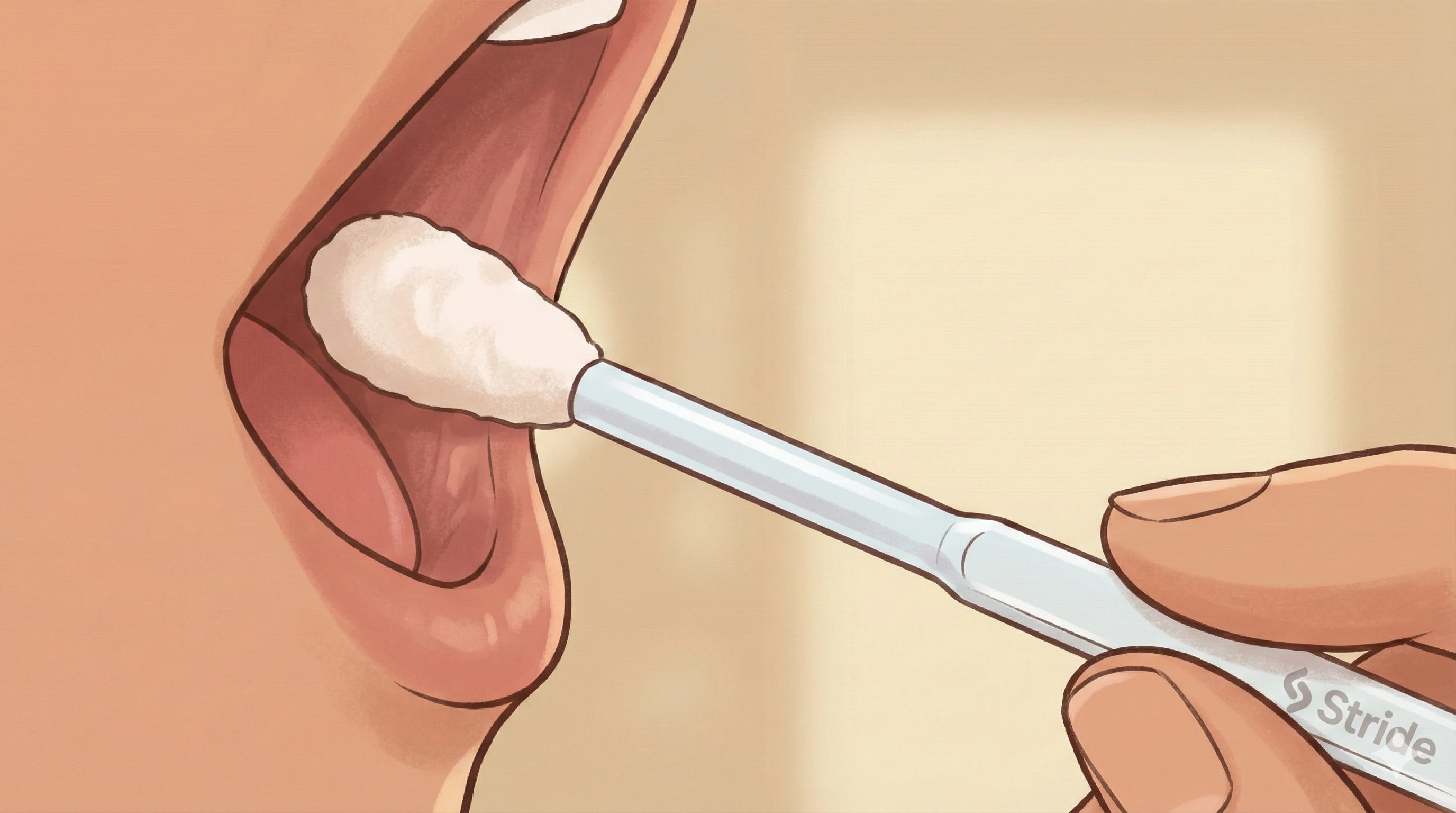

Sample type
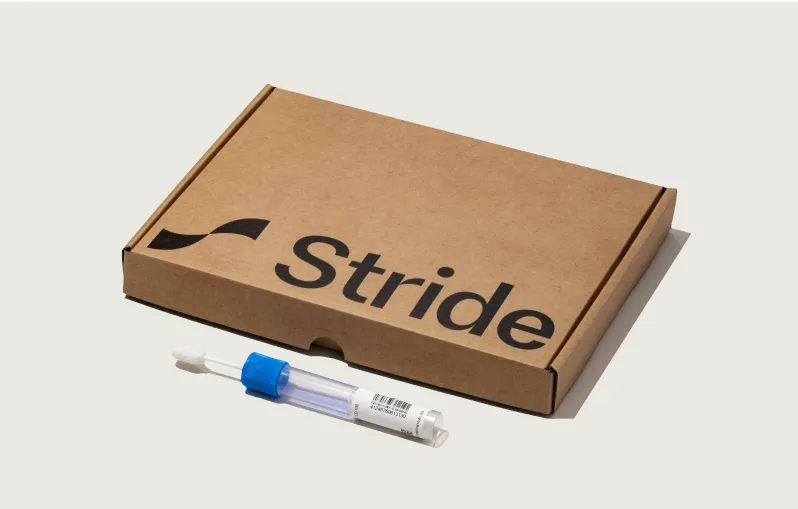
Cheek swab, Blood sample

Collection
At-home

Often paired with
Full skin examination, personal and family history of skin cancer, UV exposure history, vitamin D status, pain history and planned surgery or procedures

Fasting required
Not required
Key benefits of testing MC1R
- Identify whether you carry MC1R variants that influence hair and skin pigmentation, such as "red hair colour" alleles that are strongly associated with red hair, freckles, very fair skin, and high sensitivity to sunburn.
- Help explain patterns such as burning easily, difficulty tanning, clustering of freckles, or a family history of melanoma or non melanoma skin cancer, even when your current skin colour appears intermediate.
- Add context to skin cancer risk, since several MC1R variants increase the risk of melanoma and non melanoma skin cancers both through pigmentary pathways and through direct effects on DNA repair and oxidative stress in melanocytes.
- Inform personalised strategies around sun protection, skin surveillance, vitamin D optimisation, and, in some people, discussions about pain management and anaesthetic planning due to emerging links between MC1R variants and pain and analgesic sensitivity.
- Clarify your baseline pigmentation and UV response architecture alongside lifestyle and dermatology assessments, so long term skin and cancer prevention plans can be built on both genetics and behaviour.
What is the MC1R gene?
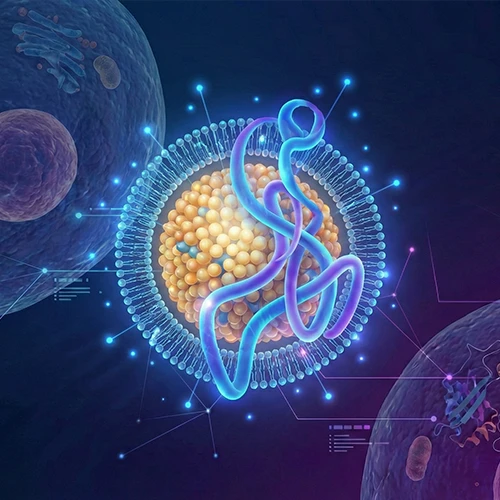
MC1R encodes the melanocortin 1 receptor, a G protein coupled receptor expressed predominantly on melanocytes, the pigment producing cells of the skin and hair follicles. It is activated by melanocortin peptides such as alpha melanocyte stimulating hormone and antagonised by agouti signalling protein.
When active, MC1R signalling pushes pigment production towards brown or black eumelanin that is more photoprotective. Reduced or non functional MC1R signalling shifts pigment production towards red or yellow pheomelanin, which provides less UV protection and can generate more reactive species under UV exposure. Natural human variation in MC1R is a major determinant of hair colour, skin tone, freckling, and UV sensitivity.
What does MC1R do?
Upon binding its agonists, MC1R activates Gs proteins, increases cyclic AMP, and triggers downstream pathways that regulate melanocyte proliferation, survival, and pigment synthesis. This signalling upregulates enzymes like tyrosinase and shifts melanin production towards eumelanin, leading to darker, more UV resistant pigmentation.
Loss of function or reduced function MC1R variants blunt this response, resulting in lower eumelanin and higher pheomelanin production. Clinically, this manifests as red hair, fair skin, freckles, and poor tanning. Beyond pigment, MC1R signalling influences DNA repair responses, oxidative stress handling, and cell cycle control following UV radiation, which means variants can raise skin cancer risk in ways that are not fully explained by pigmentation alone.
Why is MC1R important for health?
MC1R is central to intrinsic skin cancer risk. People carrying "red hair colour" MC1R variants have an increased risk of cutaneous melanoma and non melanoma skin cancers such as basal cell carcinoma and squamous cell carcinoma, even after accounting for fair skin and red hair. Some MC1R variants confer a measurable melanoma risk increase in individuals who are not visibly red haired or extremely fair, highlighting non pigmentary pathways.
MC1R variants that lead to higher pheomelanin and lower eumelanin can increase UV induced DNA damage and reactive oxygen species, and some data suggest that MC1R variants create a degree of melanoma risk that is partly independent of UV exposure, likely through intrinsic oxidative and DNA repair mechanisms. Emerging work also links MC1R variants to altered pain sensitivity and responses to analgesics and anaesthetics, particularly in red haired individuals, which may be relevant when planning surgery or dental procedures.
MC1R vs other skin markers
It is easy to assume that MC1R testing and a quick look at your skin tone or a vitamin D test tell you the same story, but they capture different layers of your biology. Skin colour, tanning ability, and freckling reflect current phenotype; dermatology exams show present sun damage and lesions; MC1R genotyping reveals inherited variants that shape pigment type, UV response, and baseline skin cancer risk across your life, irrespective of how tanned or pale you look on any given day.
This distinction matters because some people with medium skin colour and no obvious red hair can still carry high risk MC1R variants and benefit from more aggressive sun protection and screening, while others with apparent risk factors may not carry these variants but still require protection due to behaviour and other genes. MC1R status complements, but does not replace, clinical assessment and sun exposure history.
Factors that modify MC1R variants
The influence of MC1R variants is strongly shaped by UV exposure, behaviour, and wider health rather than by the gene alone, which means you have meaningful room to change the trajectory. Several modifiable factors can either buffer or amplify any genetic tendency.
- Sun exposure and protection: Intermittent intense UV, sunburns in childhood, and indoor tanning amplify melanoma and non melanoma skin cancer risk in everyone and especially in MC1R variant carriers. Consistent shade seeking, clothing, and high SPF broad spectrum sunscreen can substantially reduce this risk.
- Geography and outdoor habits: Living at lower latitudes, spending long periods outdoors without protection, or pursuing high UV hobbies can magnify MC1R related risk. Adjusting time in peak sun and using physical barriers strengthens protection.
- Skin surveillance and early detection: Regular self checks and professional skin examinations help catch actinic damage and skin cancers early, which is particularly important for those with high risk MC1R genotypes. Early detection improves outcomes regardless of genetics.
- Vitamin D and systemic health: Thoughtful vitamin D management reduces the temptation to rely on unprotected sun exposure for vitamin D, which is especially relevant if you carry MC1R variants that raise skin cancer risk.
- Pain management and procedures: For people with red hair and relevant MC1R variants, discussing anaesthetic and analgesic requirements with clinicians can improve comfort and safety during medical and dental procedures.
MC1R variants without symptoms
Yes, and this is common. Many people carry MC1R variants associated with red hair and skin cancer risk but do not have visible red hair or very fair skin, particularly when other pigmentation genes push the phenotype towards darker hair or skin. They may still have elevated intrinsic risk that only shows up as higher rates of precancers or skin cancers later in life.
Conversely, not everyone with red hair or very fair skin carries the same MC1R variants, and many red haired individuals never develop skin cancer if they combine protection, early detection, and healthy behaviours. MC1R variants tilt risk rather than guaranteeing outcomes.
Common MC1R genotypes
Common MC1R genotypes can be grouped into "high risk red hair colour" variants and other variants with more modest or mixed effects.
- Red hair colour "R" variants (such as D84E, R142H, R151C, I155T, R160W, D294H and some frameshift or nonsense variants): These alleles are strongly associated with red hair, freckles, and very fair skin and confer higher melanoma and non melanoma skin cancer risk. Carrying one or two R variants increases melanoma risk, with two variants generally conferring higher risk.
- Non red hair "r" variants (such as some V60L, V92M, R163Q and others): These alleles may be less tightly linked to red hair but can still increase melanoma risk, sometimes independently of visible pigment phenotype. They contribute to risk in people with non red hair who might otherwise be considered intermediate.
- Wild type / no common variant: Individuals without high risk MC1R variants usually show typical pigmentation for their ancestry and have "baseline" genetic risk for melanoma and other skin cancers, although environment and other genes still play a major role.
The exact risk pattern depends on which variants you carry, whether you carry one or two copies, and how these interact with other pigmentation genes and environmental exposure.
How to prepare for an MC1R test
For DNA based MC1R testing, preparation is simple because your genotype does not change with sun exposure, age, or skin treatments. The key consideration is whether you will use the result to change your sun protection habits, screening schedule, and discussions with clinicians about skin and pain management.
MC1R genotyping from blood or saliva does not require fasting. It is helpful to bring information about personal and family history of skin cancer, sunburns, tanning bed use, and skin type to any consultation where results are discussed, so they can be interpreted in context and translated into a clear prevention plan.
Do I need an MC1R test?
An MC1R test is most valuable when the result will guide how you manage sun exposure, skin surveillance, and sometimes pain management, and when it is interpreted alongside a full dermatological and lifestyle assessment. It is less useful if obtained purely from curiosity with no change in behaviour.
- Personal or family history of melanoma or multiple skin cancers: MC1R testing can clarify intrinsic risk and support more intensive skin checks, stricter sun protection, and, where needed, earlier referral to dermatology.
- Red hair, very fair or freckled skin, or strong sun sensitivity: In these cases, MC1R status may reinforce the need for rigorous UV protection and regular skin checks, and can support more personalised discussions about vitamin D and lifestyle.
- People in high UV occupations or sports: For individuals spending a lot of time outdoors, MC1R testing can help gauge how aggressively to structure protection and surveillance and may influence workplace or training adjustments.
- Planning for surgery or procedures in red haired individuals: In some contexts, MC1R status can be part of a broader conversation about pain sensitivity and anaesthetic requirements with anaesthetists or dentists, although this is not yet routine practice.
Stride tests that include MC1R


Health Tests
Core DNA Methylation Test
5 reports: Methylation profile reports
From $229 $183.20
FAQs
What is the MC1R gene test?
The MC1R gene test analyses your DNA from blood or saliva to look for variants in the melanocortin 1 receptor gene that influence hair and skin pigmentation, UV sensitivity, and baseline risk of melanoma and other skin cancers.
What does an MC1R "red hair" variant mean?
Red hair variants are MC1R changes that reduce receptor function and shift pigment production towards pheomelanin. They are strongly associated with red hair, very fair skin, freckles, easy sunburning, and a higher risk of melanoma and non melanoma skin cancers.
Do MC1R variants always cause red hair or skin cancer?
No; MC1R variants increase the likelihood of red hair, fair skin, and skin cancer but do not guarantee them. Other pigmentation genes, ancestry, sun exposure, protection behaviours, and immune and DNA repair factors strongly influence what actually happens.
Is MC1R testing recommended for routine skin cancer screening?
MC1R testing is not required for routine screening, but it can be helpful for people with personal or family histories of skin cancer, red hair or high sun sensitivity, or high UV exposure, when results will be used to adjust protection and surveillance.
Can MC1R affect pain and anaesthetic response?
Evidence suggests that some MC1R variants, especially in red haired individuals, are linked to altered pain perception and responses to certain analgesics and anaesthetics. This is an emerging area and should be discussed with clinicians when planning procedures.
Do I need an MC1R test?
You might consider an MC1R test if you have red hair or very fair, freckled skin, have had skin cancer or many precancers, have a strong family history of melanoma, or spend a lot of time in high UV environments and want to use the result to upgrade your sun protection and screening strategy.
Do I need to fast for MC1R testing?
Fasting is not required for DNA based MC1R testing. Any accompanying blood tests, such as vitamin D or other panels, may have their own preparation instructions that are worth following for accurate and comparable results.
How can I optimise MC1R related pathways?
Rather than trying to change the gene, focus on strict and consistent sun protection, regular skin self checks and dermatology reviews, avoiding tanning beds, managing vitamin D through diet and supplements rather than unprotected sun, maintaining strong general health and antioxidant defences, and discussing pain management needs with clinicians so your skin and overall health are protected whatever your MC1R genotype.