
Menu
-
Shop All
Contact
hey@getstride.com
Stride Health Group
Stride Health Group Ltd
Company No 05158025
Lamas Road
Badersfield
Norwich
England
NR10 5FB
UK
Extra 10% Off | Enter code GIFT at checkout


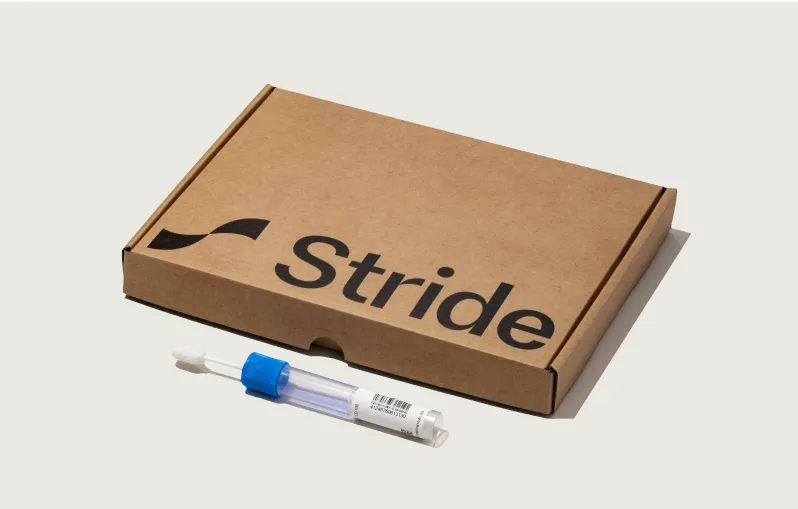




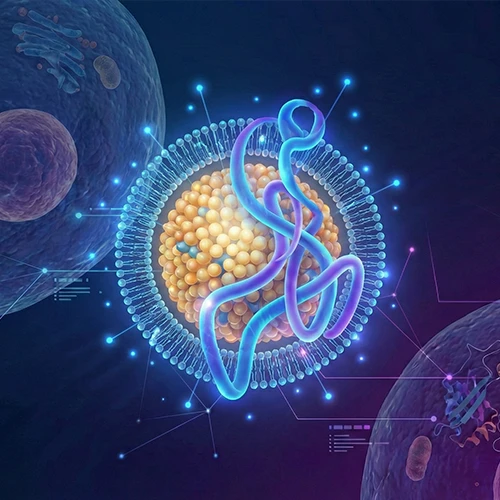

MAOA Gene Test (Monoamine Oxidase A)
The MAOA gene test analyses DNA for variants in monoamine oxidase A that can change how efficiently you break down key neurotransmitters such as serotonin, dopamine, and norepinephrine, especially in the brain and peripheral tissues. Understanding your MAOA status gives genetic context to mood, stress reactivity, and impulse control so you can personalise lifestyle, nutrition, and clinical decisions instead of guessing or over relying on the "warrior gene" narrative.
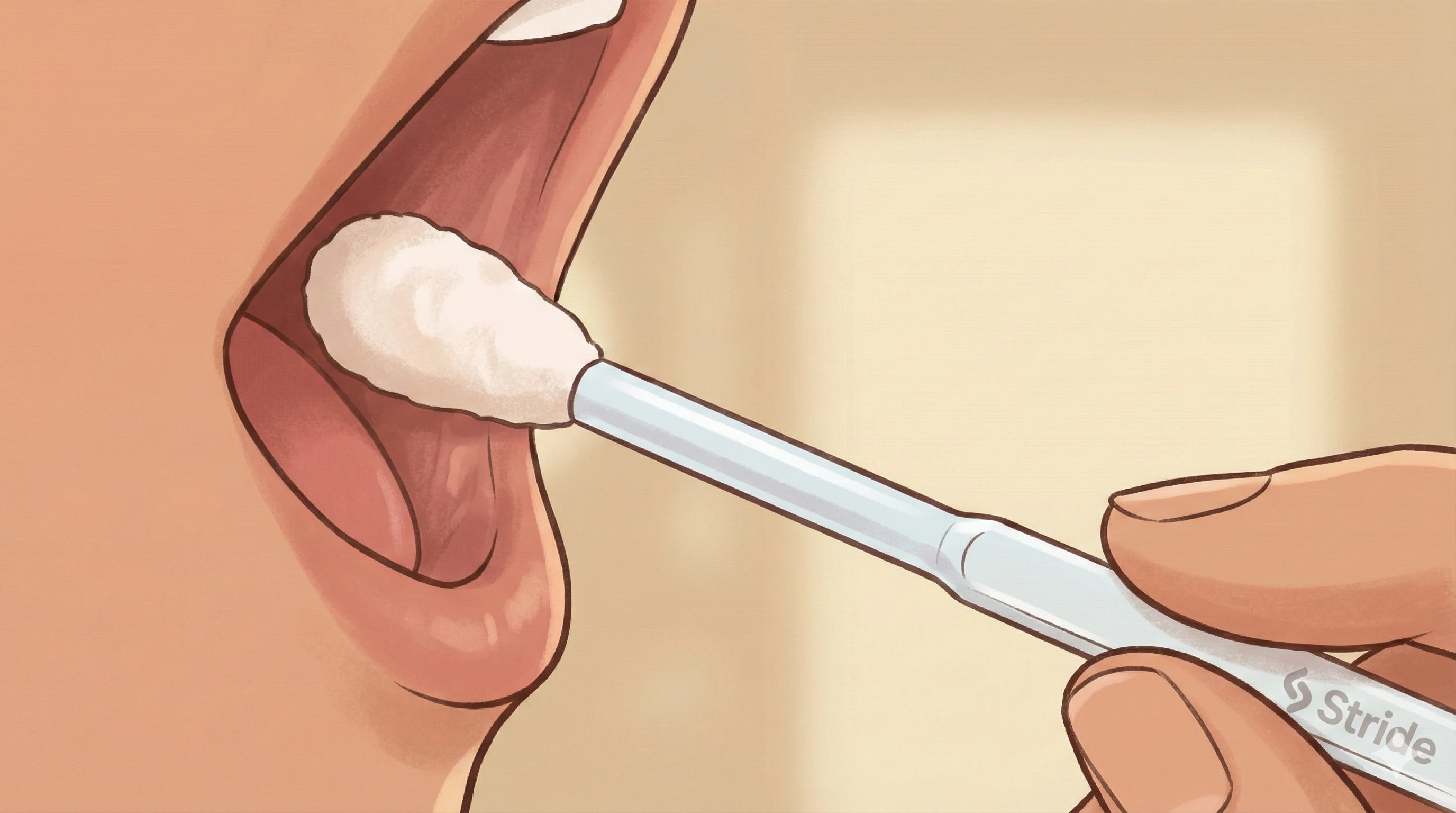

Sample type
Cheek swab, Blood sample

Collection
At-home

Often paired with
COMT, serotonin and dopamine pathway genes, stress and adrenal markers, methylation panel, homocysteine, B vitamin status, mental health and sleep assessments

Fasting required
Not required for DNA testing; follow clinical guidance for any accompanying blood tests
What is the MAOA gene?
Monoamine oxidase A (MAOA) is an enzyme located on the outer mitochondrial membrane that catalyses the oxidative deamination of monoamine neurotransmitters, including serotonin, norepinephrine, epinephrine, and dopamine. The MAOA gene provides the instructions for building this enzyme and sits on the X chromosome, which means males have one copy and females typically have two, with X inactivation patterns adding complexity.
MAOA belongs to a small family with two main members, MAOA and MAOB, which share overlapping but distinct substrate preferences and tissue distributions. Rare, severe mutations in MAOA can cause a syndromic picture with intellectual disability and behavioural disturbances, while more common polymorphisms, such as the upstream variable number tandem repeat (uVNTR) promoter variants, influence transcriptional activity and have been associated with context dependent differences in aggression, impulse control, and vulnerability to stress.
What does MAOA do?
MAOA catalyses the oxygen dependent breakdown of monoamine neurotransmitters into corresponding aldehydes, hydrogen peroxide, and ammonia, which are then further processed by other enzymes. By clearing serotonin, dopamine, and norepinephrine once signalling is complete, MAOA helps shape the intensity and duration of mood, motivation, and stress responses in both the central nervous system and peripheral tissues.
When MAOA activity is relatively low, monoamines may remain elevated for longer, which can increase emotional reactivity or impulsivity in vulnerable contexts but may also support resilience or drive in others, depending on environment and coping skills. When MAOA activity is relatively high, neurotransmitters are cleared more quickly, which may protect against "overload" states in some situations yet contribute to flatter mood or lower arousal in others if compounded by sleep, trauma, or metabolic challenges.
Why is MAOA important for health?
MAOA sits at the intersection of neurotransmitter metabolism, stress biology, and behaviour. It influences how the brain processes threat, reward, and social cues by modulating serotonin and catecholamine tone, and also contributes to vascular and peripheral monoamine handling.
Research has linked MAOA polymorphisms, particularly low activity uVNTR variants, with altered risk profiles for aggression, antisocial behaviour, and some psychiatric outcomes, especially when combined with early life adversity or ongoing stress. At the same time, many carriers live without significant behavioural problems, highlighting that environment, trauma exposure, support networks, and broader biology play a much larger role than the gene alone.
MAOA vs "warrior gene" tests: what is the difference?
It is easy to equate MAOA testing with "warrior gene" tests, but the reality is more nuanced. MAOA genotyping can look at specific promoter uVNTR variants that influence transcriptional activity and enzyme levels, while broader MAOA panels may also assess coding regions and other regulatory sites that affect function or rare disorders.
"Warrior gene" marketing often focuses narrowly on a low activity promoter variant and simplifies its relationship with aggression and success, without adequately emphasising the critical role of upbringing, trauma, and social context. A comprehensive MAOA interpretation recognises that the same variant can show up in very different ways depending on early life experiences, mental health support, substance use, sleep, and stress exposure, and that genes are one factor among many.
What factors modify the effects of MAOA variants?
The influence of MAOA variants is heavily shaped by environment and coexisting biology. Several modifiable factors can buffer or amplify MAOA related tendencies.
- Early life experiences and trauma: Adverse childhood experiences, neglect, and chronic early stress have been shown to interact with MAOA variants to influence aggression and antisocial outcomes in some studies. Supportive environments, stable relationships, and early intervention can significantly buffer genetic sensitivities.
- Current stress load and coping tools: Ongoing psychological stress, sleep deprivation, and substance use can push monoamine systems towards dysregulation, making MAOA related differences more visible. Structured stress management, therapy, and consistent sleep often change outcomes more than genotype.
- Hormonal and developmental factors: Sex hormones, puberty, and life stage shifts can alter how MAOA variants are expressed, particularly given the gene's location on the X chromosome. These factors partly explain why some associations differ between males and females.
- Nutrient status and methylation support: MAOA sits within a wider network that includes methylation pathways, antioxidant defences, and mitochondrial function. Adequate B vitamins, omega 3 fatty acids, and antioxidant support can help maintain healthy monoamine turnover and reduce oxidative stress from neurotransmitter breakdown.
- Mental health support and lifestyle: Access to psychological therapies, social support, exercise, and meaningful routines influences how the brain rewires around both challenges and genetic tendencies. For most people, these levers have far more impact than MAOA status alone.
Can you have MAOA variants without symptoms?
Yes, and that is common. Many people with low or high activity MAOA promoter variants never develop significant behavioural or psychiatric problems and discover their genotype only through consumer DNA testing or broader preventive panels.
Traits often linked to MAOA, such as irritability, impulsivity, or a strong response to provocation, are non specific and can arise from sleep disruption, trauma, chronic stress, other genetic factors, or medical conditions. Severe MAOA deficiency leading to recognised syndromes is rare and distinct from the common variants reported in most MAOA gene tests.
MAOA genotypes: how do common variants differ?
Common MAOA genotypes differ mainly in how they influence transcriptional activity and enzyme levels, which in turn shape monoamine breakdown patterns, especially under stress. Understanding your pattern can support more personalised choices about environment, coping tools, and, when appropriate, medication strategies.
- Higher activity MAOA promoter variants: These patterns are associated with increased transcription and higher enzyme levels, tending towards faster neurotransmitter clearance. In some contexts this may be linked to lower impulsive aggression but could also be associated with certain mood or anxiety profiles when other factors align.
- Lower activity MAOA promoter variants: Lower activity variants are associated, in some studies, with higher susceptibility to aggressive or impulsive behaviour when combined with early life adversity or chronic stress. In supportive environments, many carriers do not show problematic traits and may bring high energy and drive when stress is well managed.
- Sex specific patterns: Because MAOA is X linked, males with a low activity variant may express it more directly, while females often carry a mix of alleles with X inactivation influencing expression. This contributes to sex differences in research findings and underlines the importance of individual assessment.
How do I prepare for an MAOA test?
For DNA based MAOA testing, preparation is simple because genotype does not change from day to day. The key is understanding why you are testing and how results will be interpreted within a responsible, context rich framework that includes mental health, life history, and current support.
Standalone MAOA genotyping using blood or saliva does not require fasting, since it examines stable DNA sequence or promoter repeats rather than dynamic neurotransmitter levels. If your testing is bundled with blood markers such as cortisol, inflammatory markers, or other mental health related labs, follow the specific preparation or timing instructions given for those tests.
Do I need an MAOA test?
An MAOA test is most useful when the results will inform thoughtful, evidence based decisions about mental health support, environment, or, in some cases, medication choices, rather than simply labelling someone with a "warrior gene." It is less helpful as a curiosity test without clinical context, and it should not be used to predict behaviour in isolation.
- Complex mood, impulse control, or aggression patterns: In people with longstanding behavioural or mood challenges, MAOA status can be one small part of a comprehensive assessment that still prioritises history, therapy, social context, and standard clinical evaluation.
- Pharmacogenetic and research settings: Some clinicians and researchers use MAOA genotyping as one element in understanding differential responses to certain psychotropic medications or in studies of aggression and stress, but results are always interpreted alongside many other factors.
- Building a preventive mental health roadmap: For individuals investing in deep preventive profiling, MAOA genotyping alongside COMT, serotonin pathway genes, stress markers, and psychological assessment can offer a framework for tailoring stress management, routines, and support over time.
Stride tests that include MAOA


Health Tests
Core DNA Methylation Test
5 reports: Methylation profile reports
From $229 $183.20

Health Tests
Advanced DNA & Methylation Test
29 reports: Methylation profile and nutrigenetic reports
From $349 $279.20

Health Tests
Optimal DNA & Methylation Test
46 reports: Methylation profile, nutrigenetic, fitness, sleep, stress and skin reports
From $479 $383.20
FAQs
What is the MAOA gene test?
The MAOA gene test analyses your DNA from blood or saliva to look for variants in the monoamine oxidase A gene that can influence how efficiently you break down neurotransmitters such as serotonin, dopamine, and norepinephrine.
What does a MAOA variant mean?
Common MAOA variants, including promoter uVNTR patterns, can shift enzyme activity and nudge traits like stress reactivity, impulsivity, and aggression risk in certain environments, but they do not determine behaviour on their own and must be understood in context.
Do MAOA variants always cause health or behaviour problems?
No. Many people with low or high activity MAOA variants never develop significant psychiatric or behavioural problems, especially when they grow up in supportive environments and have access to stress management, sleep, and mental health care.
Is MAOA the same as the "warrior gene"?
The "warrior gene" label usually refers to certain low activity MAOA promoter variants, but this phrase oversimplifies complex science and can be stigmatising. A responsible interpretation treats MAOA as one small factor among many that shape behaviour.
Can MAOA affect response to antidepressants or other medications?
MAOA is involved in monoamine metabolism, so variants may contribute to how individuals respond to some psychotropic medications or side effects, but decisions about treatment should always be made with a clinician, using full clinical assessment and, where appropriate, broader pharmacogenetic panels.
Do I need a MAOA test?
You might consider a MAOA test if results would change how you and your clinician approach mental health support, stress and trauma informed care, or medication choices, ideally as part of a comprehensive assessment rather than a stand alone explanation for behaviour.
Do I need to fast for MAOA testing?
Fasting is not required for DNA based MAOA testing, although any accompanying blood tests for hormones, lipids, glucose, or inflammatory markers may have specific preparation instructions that help keep results consistent over time.
How can I work with my MAOA status?
Rather than trying to change the gene, focus on high quality sleep, regular movement, structured stress management, nourishment that supports brain health, and access to psychological support where needed, using MAOA as one lens among many to personalise how you structure your environment and routines for long term mental resilience.