
Menu
-
Shop All
Contact
hey@getstride.com
Stride Health Group
Stride Health Group Ltd
Company No 05158025
Lamas Road
Badersfield
Norwich
England
NR10 5FB
UK
Extra 10% Off | Enter code GIFT at checkout


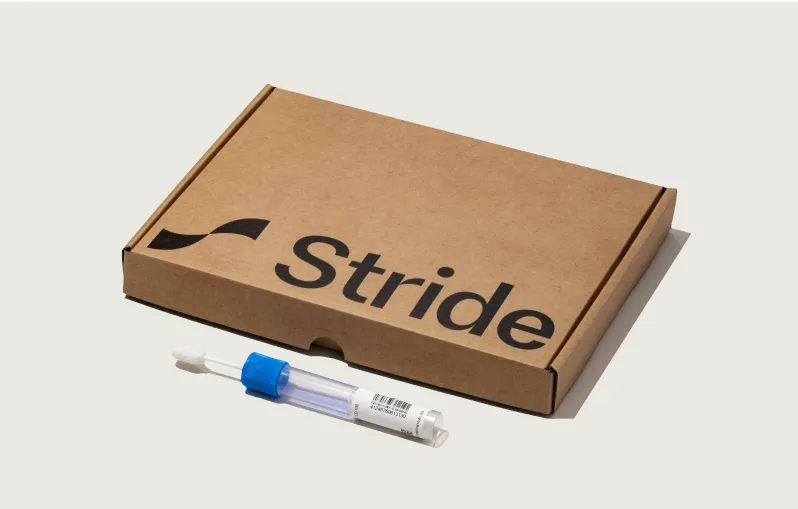






LPL Gene Test (Lipoprotein Lipase)
The LPL gene test analyses DNA for variants in lipoprotein lipase, the key enzyme that clears triglycerides from the bloodstream and helps shape HDL, LDL, and overall cardiovascular risk. Understanding your LPL status adds genetic context to triglyceride levels, lipid patterns, pancreatitis risk, and coronary artery disease so you can personalise cardiometabolic prevention instead of guessing.


Sample type
Cheek swab, Blood sample

Collection
At-home

Often paired with
Full lipid profile (triglycerides, HDL, LDL, non-HDL), apolipoprotein markers, insulin and glucose, inflammatory markers, APOA5/APOC2/LMF1/GPIHBP1 variants, diet and activity data

Fasting required
Not required for DNA testing; fasting is usually recommended for accompanying triglyceride and lipid blood tests
Key benefits of testing LPL
- Identify whether you carry LPL variants that alter lipoprotein lipase function, which can drive very high triglycerides in familial chylomicronaemia or more subtle changes in triglycerides, HDL, and LDL in common variants.
- Help explain patterns such as strikingly elevated triglycerides, low HDL, a family history of early pancreatitis, or "mixed" dyslipidaemia that does not fully match lifestyle, by revealing underlying lipase biology.
- Add context to coronary artery disease risk, since specific LPL polymorphisms such as D9N and N291S are associated with higher CAD risk, while others such as S447X and HindIII tend to be protective through more favourable lipid profiles.
- Inform personalised strategies around diet (particularly fat and refined carbohydrate), use of fibrates and omega‑3s, exercise, and, in severe cases, newer therapies and family screening.
- Clarify your baseline triglyceride clearance and remnant handling architecture alongside other lipid genes, so long term cardiovascular plans can be built on both genetics and real time lipids rather than population averages.
What is the LPL gene?
LPL encodes lipoprotein lipase, a secreted enzyme that is anchored to the luminal surface of capillary endothelium in adipose tissue, heart, and skeletal muscle. It functions as a homodimer and is recruited to its site of action by binding to GPIHBP1 and heparan sulfate proteoglycans on endothelial cells.
Functionally, LPL is a rate limiting enzyme in triglyceride metabolism. It hydrolyses triglycerides in circulating chylomicrons (from dietary fat) and very low density lipoproteins (VLDL, from hepatic production), releasing free fatty acids for uptake and storage or oxidation. LPL also acts as a ligand or bridging factor facilitating the uptake of lipoprotein remnants by hepatic receptors. Severe loss of function mutations cause familial chylomicronaemia syndrome, while milder variation influences common lipid traits.
What does LPL do?
At the biochemical level, LPL hydrolyses triglyceride molecules within chylomicrons and VLDL into free fatty acids and glycerol. The free fatty acids are taken up by nearby tissues such as muscle for energy or adipose tissue for storage, while the partially lipolysed lipoproteins become remnant particles that are cleared by the liver.
By governing the rate of triglyceride hydrolysis and remnant generation, LPL shapes several aspects of the lipid profile: fasting and postprandial triglyceride levels, HDL cholesterol through exchange of surface components, and the balance between VLDL, IDL, and LDL particles. LPL activity and mass correlate with fluctuations in triglycerides and HDL, and variation in LPL function contributes to disorders such as familial hyperchylomicronaemia, familial combined hyperlipidaemia, and common polygenic hypertriglyceridaemia.
Why is LPL important for health?
LPL is central to triglyceride clearance, remnant metabolism, and atherogenesis. Biallelic rare loss of function variants in LPL cause familial chylomicronaemia syndrome, with extreme triglyceride elevation, eruptive xanthomas, lipaemia retinalis, and a high risk of recurrent acute pancreatitis from childhood. Heterozygous damaging variants can also produce severe hypertriglyceridaemia in some families and may act in a dominant fashion in certain contexts.
Beyond rare disease, common LPL polymorphisms influence triglyceride and HDL levels and coronary artery disease risk. D9N and N291S, which reduce catalytic function, are associated with higher triglycerides and increased CAD risk, while S447X and HindIII variants are generally associated with lower triglycerides, higher HDL, and reduced CAD risk. LPL sits alongside APOA5, APOC2, LMF1, and GPIHBP1 as a core gene cluster in primary hypertriglyceridaemia and is part of gene panels for familial hypertriglyceridaemia and combined hyperlipidaemia.
LPL vs other lipid markers
It is easy to assume that LPL testing and standard lipid panels tell you the same story, but they capture different layers of your biology. Lipid panels, apolipoproteins, and remnant cholesterol show how your lipids are behaving now; imaging and calcium scores show current arterial impact; LPL genotyping looks at inherited variants that set the baseline efficiency of triglyceride hydrolysis and remnant clearance across your life.
This distinction matters because you can have LPL variants that push triglycerides higher yet keep triglycerides and HDL in range through diet, exercise, and medication, and you can have high triglycerides with normal LPL genotype due to secondary causes such as obesity, alcohol, diabetes, or certain drugs. LPL results help distinguish between predominantly genetic and predominantly acquired hypertriglyceridaemia and refine risk in people whose lipid patterns are not fully explained by lifestyle.
Factors that modify LPL variants
The influence of LPL variants is strongly shaped by diet, body composition, metabolic health, and other genes rather than by the gene alone, which means you have meaningful room to change the trajectory. Several modifiable factors can either buffer or amplify any genetic tendency.
- Diet quality and macronutrient balance: High intakes of simple sugars, refined carbohydrates, and alcohol increase VLDL production and triglycerides, often unmasking LPL related susceptibility, while diets that emphasise whole foods, fibre, and appropriate fat quality can substantially reduce triglycerides.
- Body weight and insulin sensitivity: Central obesity and insulin resistance increase VLDL production and reduce HDL, amplifying the impact of LPL variants. Weight loss, strength training, and improved insulin sensitivity often move triglycerides more than genetics.
- Physical activity: Regular aerobic and resistance exercise increases LPL activity in muscle, enhances triglyceride clearance, and raises HDL, which can partly offset less favourable LPL genotypes.
- Other lipid genes and secondary causes: Coexisting variants in APOA5, APOC2, APOE, and others, as well as conditions such as uncontrolled diabetes, hypothyroidism, kidney disease, and drugs like corticosteroids or retinoids, can interact with LPL variants to drive high triglycerides or pancreatitis risk.
- Medication choices: Fibrates, omega‑3 fatty acids, and sometimes niacin or newer triglyceride lowering agents are used to target high triglycerides and remnant cholesterol, with LPL biology helping to explain why fibrates are especially effective in very high triglyceride states.
LPL variants without symptoms
Yes, and this is common. Many people carry LPL variants, including D9N, N291S, HindIII, or S447X, without developing pancreatitis or overt cardiovascular disease. The effect sizes of common variants are modest and often only become clinically relevant when combined with other risk factors such as obesity, diabetes, poor diet, or smoking.
Even for familial LPL deficiency, heterozygotes may have a highly variable triglyceride phenotype. Some show significant hypertriglyceridaemia and pancreatitis, while others remain relatively mild, influenced by lifestyle, other genes, and coexisting conditions. This variability underlines the importance of viewing LPL status as one part of a broader cardiometabolic picture.
Common LPL genotypes
Common LPL genotypes mainly differ in how they affect enzyme synthesis, activity, and interaction with lipoproteins, which then shift triglyceride and HDL levels and cardiovascular risk.
- Severe loss of function variants (biallelic): Cause familial chylomicronaemia syndrome with near absence of functional LPL, extreme fasting and postprandial triglycerides, chylomicronaemia, and very high pancreatitis risk. These cases require strict fat restriction and specialised therapies.
- Heterozygous damaging variants: Can produce severe hypertriglyceridaemia and recurrent pancreatitis in some individuals and families, often in combination with secondary factors such as obesity and alcohol.
- D9N and N291S: Partial loss of function variants associated with higher triglycerides and increased coronary artery disease risk in meta analyses, especially when combined with other adverse lipid genes or high CRP in some subgroups.
- HindIII and S447X: Common polymorphisms linked to lower triglycerides, higher HDL, and reduced CAD risk in several populations, and generally considered protective lipid genotypes that improve remnant handling. S447X truncates the protein by two amino acids and appears to enhance LPL activity or secretion.
Other intronic and promoter variants also contribute to differences in LPL mass and activity and are part of the polygenic architecture of lipid traits identified in large genome wide studies.
How to prepare for an LPL test
For DNA based LPL testing, preparation is straightforward because your genotype does not change with diet or training. The key step is ensuring LPL is tested within an appropriate panel, such as a hypertriglyceridaemia or combined hyperlipidaemia gene panel, or a broader cardiometabolic or prevention panel, so that results can be interpreted in context and linked to a clear action plan.
LPL genotyping from blood or saliva does not require fasting. However, fasting is usually recommended for accompanying lipid panels and triglyceride measurements, and you should follow any specific instructions about timing, medication, and alcohol intake for those blood tests so they can be compared reliably over time.
Do I need an LPL test?
An LPL test is most valuable when the result will change how you and your clinician manage triglycerides, pancreatitis risk, and cardiovascular prevention. It is less useful when ordered in isolation without considering lipid profiles, family history, and lifestyle.
- Severe or early onset hypertriglyceridaemia: If fasting triglycerides are very high or there is a history of pancreatitis, LPL testing as part of a hypertriglyceridaemia panel can clarify whether familial LPL deficiency or related monogenic disorders are present.
- Mixed dyslipidaemia with strong family history: In families with early heart disease or mixed lipid patterns that seem disproportionate to lifestyle, LPL genotyping can add nuance to risk assessment and justify more intensive prevention.
- Apparent "paradoxical" HDL and CRP combinations: In people with high HDL but high CRP or other concerning features, specific LPL polymorphisms such as D9N may highlight residual risk despite seemingly favourable lipids.
- Precision cardiometabolic prevention: For individuals designing a detailed prevention strategy, LPL status helps prioritise focus on triglycerides, remnant cholesterol, and fibrate or omega‑3 use within the broader plan.
Stride tests that include LPL


Health Tests
Core DNA Methylation Test
5 reports: Methylation profile reports
From $229 $183.20
FAQs
What is the LPL gene test?
The LPL gene test analyses your DNA from blood or saliva to look for variants in the lipoprotein lipase gene that influence how efficiently you clear triglycerides and remnant lipoproteins from the bloodstream and how this shapes your lipid profile and cardiovascular risk.
What does an LPL gene variant mean?
Rare loss of function LPL variants can cause familial chylomicronaemia with very high triglycerides and pancreatitis risk, while more common polymorphisms such as D9N, N291S, S447X, and HindIII subtly shift triglycerides, HDL, and coronary artery disease risk.
Do LPL variants always cause high triglycerides or heart disease?
No; many people with LPL variants never develop severe hypertriglyceridaemia or early coronary disease. Outcomes depend heavily on diet, body weight, insulin sensitivity, alcohol use, other genes, and overall cardiovascular care.
Is LPL testing recommended for routine lipid management?
LPL testing is most useful in severe or unexplained hypertriglyceridaemia, strong family histories, or in comprehensive prevention work. For routine care, fasting lipid panels and standard risk calculators remain the starting point, with genetics added when they will change management.
Can LPL affect pancreatitis risk?
Yes; severe LPL deficiency and some heterozygous damaging variants can cause very high triglycerides and chylomicronaemia, which significantly increases the risk of acute pancreatitis, particularly when combined with secondary factors such as alcohol or high fat intake.
Do I need an LPL test?
You might consider an LPL test if you or close relatives have very high triglycerides, pancreatitis, or early cardiovascular disease, or if you are designing a detailed cardiometabolic prevention plan where genetic insights will guide diet, exercise, and therapy choices.
Do I need to fast for LPL testing?
Fasting is not required for DNA based LPL testing, but it is usually required for accompanying triglyceride and lipid blood tests so that results are accurate and comparable over time.
How can I optimise LPL related pathways?
Rather than trying to change the gene, focus on maintaining a healthy body weight, limiting simple sugars and alcohol, choosing heart healthy fats, exercising regularly, not smoking, and working with your clinician on lipid targets and treatments so your triglyceride and remnant metabolism stay well controlled over time, whatever your LPL genotype.