
Menu
-
Shop All
Contact
hey@getstride.com
Stride Health Group
Stride Health Group Ltd
Company No 05158025
Lamas Road
Badersfield
Norwich
England
NR10 5FB
UK
Extra 10% Off | Enter code GIFT at checkout


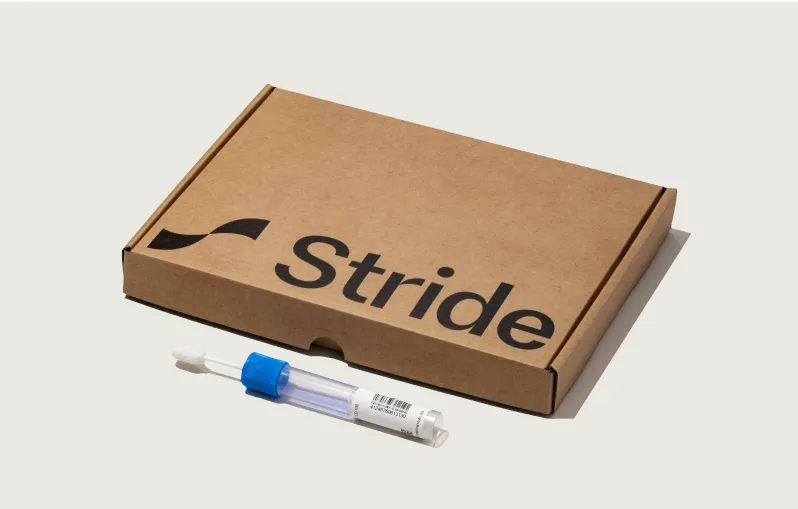




Luteinising Hormone (LH) Blood Test
Luteinising Hormone (LH) is a key reproductive hormone produced by the pituitary gland that helps regulate ovulation in women and testosterone production in men. An LH blood test is central to understanding fertility, menstrual cycle patterns, puberty timing and some causes of low testosterone.
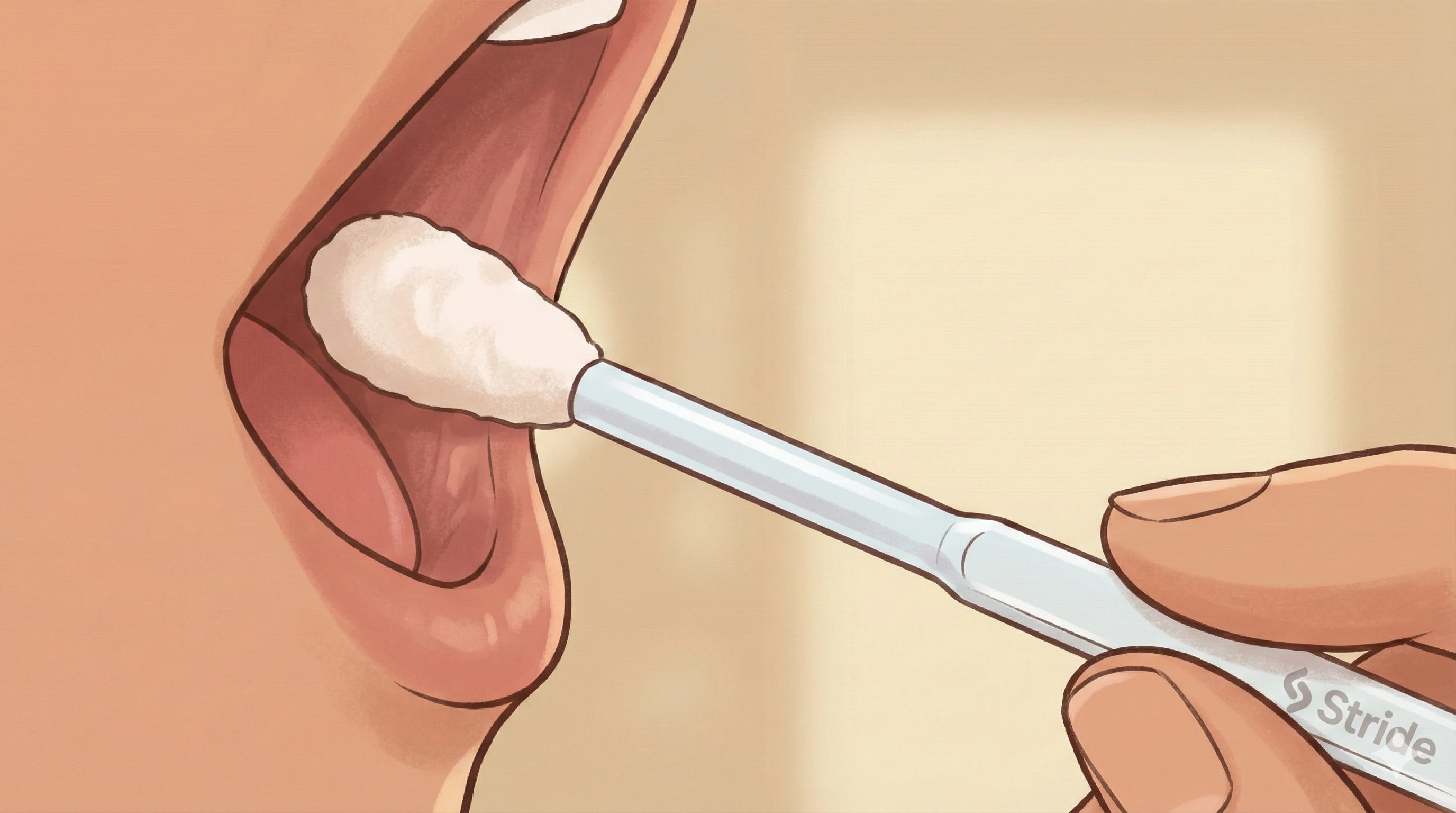

Sample type
Blood sample

Collection
At-home

Often paired with
FSH, oestradiol, progesterone, prolactin, testosterone, AMH, thyroid panel, pelvic ultrasound

Fasting required
Not usually required (follow your test instructions)
Key Benefits of Testing LH
- Helps investigate irregular periods, absent periods or heavy bleeding in women
- Supports diagnosis and monitoring of fertility issues in both men and women
- Assists in the evaluation of PCOS patterns and LH to FSH ratio in women
- Helps assess low testosterone, testicular function and pituitary health in men
- Contributes to the assessment of early or delayed puberty in children and teenagers
What is Luteinising Hormone (LH)?
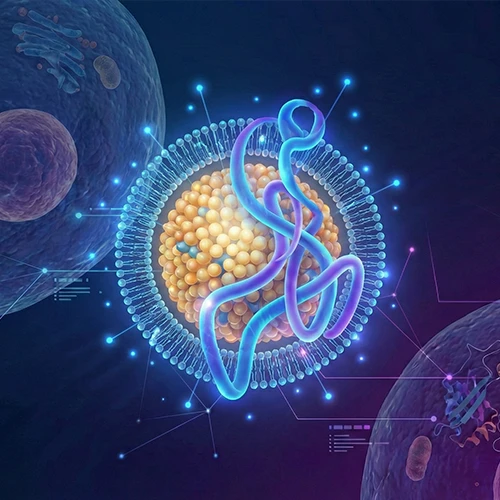
LH is a glycoprotein hormone made by the anterior pituitary gland in the brain. It works in close partnership with follicle stimulating hormone (FSH) to regulate the reproductive system.
In women, LH surges mid cycle to trigger ovulation and support the formation of the corpus luteum, which produces progesterone. In men, LH acts on the Leydig cells in the testes to stimulate testosterone production. LH release is controlled by gonadotropin releasing hormone (GnRH) from the hypothalamus and by feedback from sex hormones such as oestradiol and testosterone.
What does LH do in the body?
In women, LH levels fluctuate across the menstrual cycle. During the follicular phase, LH works with FSH to support follicle development. A sharp LH surge around the middle of the cycle triggers the release of a mature egg from the ovary. After ovulation, LH supports the corpus luteum so it can produce progesterone, which stabilises the uterine lining.
In men, LH is more stable from day to day and maintains testosterone production, which is essential for sperm production, libido, muscle mass, bone density and overall vitality. When LH is too low, the testes may not receive enough stimulation, leading to low testosterone. When LH is high but testosterone is low, this may suggest a primary testicular problem, while low LH with low testosterone can indicate a pituitary or hypothalamic issue.
Why is LH important for reproductive health?
Because LH sits at a central point in the hypothalamus pituitary gonadal axis, it provides insight into how the brain and gonads are communicating. In women, LH helps explain ovulatory patterns, menstrual irregularities and some PCOS related changes, particularly when interpreted with FSH, oestradiol and ultrasound findings.
In men, LH helps separate primary testicular causes of low testosterone from central causes. In children and adolescents, LH is one of the key markers used to assess whether puberty is starting too early or too late. As part of a prevention focused approach, tracking LH alongside related hormones can also help contextualise changes in cycle health, fertility planning and long term hormone resilience.
LH vs FSH: What is the difference?
Both LH and FSH are gonadotropins produced by the pituitary under the control of GnRH, but they act on different targets. FSH primarily stimulates follicle growth in ovaries and supports spermatogenesis in testes. LH is more directly involved in triggering ovulation and maintaining progesterone production in women and in stimulating testosterone production in men.
The ratio of LH to FSH can provide additional clues about underlying conditions. For example, a relatively high LH to FSH ratio is sometimes seen in PCOS patterns, while a higher FSH relative to LH may suggest reduced ovarian reserve. In men with low testosterone, a raised LH and FSH can indicate primary testicular failure, while low or in range LH and FSH with low testosterone may point toward a central cause.
What factors affect LH levels?
LH is influenced by age, sex, life stage, sex hormone levels and pituitary function. Important factors include:
Sex, age and life stage: In women, LH varies across the cycle and rises significantly after menopause. In men, LH is relatively stable in adulthood but can change with aging and testicular function. In children, LH levels are low before puberty and rise as puberty progresses.
Menstrual cycle phase and ovulation: In cycling women, LH is lowest in the early follicular phase, rises as ovulation approaches and peaks at the mid cycle surge. Testing LH without knowing cycle day can make interpretation more challenging, which is why sampling is often targeted to early cycle days when investigating fertility.
Ovarian and testicular function: Ovarian insufficiency, premature ovarian failure or menopause typically lead to higher LH and FSH. Testicular failure or damage often causes raised LH with low testosterone in men. Conditions such as PCOS can alter LH secretion patterns and the LH to FSH ratio.
Pituitary and hypothalamic health: Pituitary adenomas, infiltrative diseases or damage from surgery, radiotherapy or trauma can reduce LH production. Functional hypothalamic suppression due to undernutrition, intense exercise, stress or very low body fat can lower GnRH and lead to low LH and FSH.
Medications and exogenous hormones: Combined hormonal contraception, certain progestins and other hormone therapies can suppress LH secretion. Gonadotropin releasing hormone analogues and some fertility treatments deliberately modulate LH and FSH. Some psychiatric medications, opioids and other drugs can also influence LH through their effects on the hypothalamus and pituitary.
Normal vs optimal LH levels
Reference ranges for LH vary by sex, age and menstrual phase in women. Adult men typically have LH values in a narrow band, while women have lower follicular values, a sharp mid cycle peak and lower luteal values. Postmenopausal women have higher baseline LH because ovarian hormone feedback is reduced.
An LH result outside the expected range for your sex and life stage can point toward primary gonadal issues, central hormone regulation problems or conditions such as PCOS. From an optimisation perspective, the goal is to have LH that matches the expected pattern for your age, cycle phase and clinical picture, rather than aiming for a single universal number.
Do I need to fast for an LH test?
Fasting is not usually required for an LH test. A standard blood sample during the morning is sufficient for most purposes.
For women, timing matters more than fasting. LH is commonly measured on specific cycle days, often in the early follicular phase, and sometimes repeatedly around expected ovulation to study LH surges. Always follow the sampling instructions you are given so results can be interpreted accurately and compared over time.
What can raise LH levels?
LH can be raised when the pituitary is trying to stimulate the ovaries or testes more strongly, or when cyclical surges occur. Examples include:
- Menopause or primary ovarian insufficiency, where the ovaries produce less oestradiol and progesterone
- Primary testicular failure in men, such as after infection, trauma, chemotherapy or genetic conditions
- Certain PCOS patterns, which may show higher LH relative to FSH in some individuals
- Mid cycle in women with regular ovulation, when the LH surge triggers egg release
Occasionally, high LH can be related to pituitary tumors that produce gonadotropins, although this is rare. Persistently raised LH outside expected physiological phases usually warrants further assessment.
How can LH be supported over time?
Supporting healthy LH is about addressing the upstream and downstream factors in the reproductive axis. Practical clinician aligned approaches often include:
- Investigating menstrual irregularities, fertility concerns or low testosterone with a panel that includes LH, FSH, oestradiol or testosterone and sometimes prolactin and thyroid markers
- Addressing lifestyle contributors to hypothalamic suppression, such as chronic undernutrition, over training or high stress, with a focus on adequate energy intake and recovery
- Managing PCOS, ovarian insufficiency or testicular conditions with personalised medical and lifestyle strategies
- Reviewing medications and hormone therapies that might be suppressing or altering LH secretion
In some cases, fertility treatments or hormone replacement therapies are used to support ovulation, sperm production or symptom management. LH is then monitored over time to understand how your biology responds.
Stride tests that include LH
FAQs
What is the LH blood test?
The LH blood test measures the level of luteinising hormone in your bloodstream, which helps assess how your brain and reproductive organs are communicating and is central to fertility, cycle health and testosterone regulation.
What is a normal LH range?
Normal LH ranges depend on sex, age and, in women, menstrual cycle phase. Men typically have stable values in a narrow band, while women have lower follicular values, a mid cycle surge around ovulation and lower luteal values, with higher levels again after menopause.
What does high LH mean?
High LH can indicate that the pituitary is working harder to stimulate the ovaries or testes, as seen in menopause, primary ovarian insufficiency or primary testicular failure. In some women with PCOS, LH may be relatively higher than FSH, and in regularly ovulating women a sharp rise is expected at mid cycle as part of the normal LH surge.
What does low LH mean?
Low LH can suggest a problem higher up in the hypothalamus or pituitary, or functional suppression due to undernutrition, high training load, stress or some medications. In men, low LH with low testosterone can point toward central hypogonadism. In women, low LH may contribute to absent or irregular periods.
Do I need a Luteinising Hormone (LH) test?
You might consider an LH test if you are experiencing irregular or absent periods, difficulty conceiving, symptoms of low testosterone, signs of early or delayed puberty, or if you want a more complete view of your reproductive hormones as part of a prevention focused health assessment. Including LH in your Stride panels helps you see how this core reproductive signal sits alongside 500 plus other biomarkers.