
Menu
-
Shop All
Contact
hey@getstride.com
Stride Health Group
Stride Health Group Ltd
Company No 05158025
Lamas Road
Badersfield
Norwich
England
NR10 5FB
UK






LDL Cholesterol Blood Test
LDL cholesterol, often called the "bad" cholesterol, is a blood lipid marker that reflects the amount of cholesterol carried by low density lipoprotein particles in your bloodstream. When LDL is elevated, especially alongside high ApoB and low HDL, it increases the chance of cholesterol building up in artery walls over time and raising cardiovascular risk.
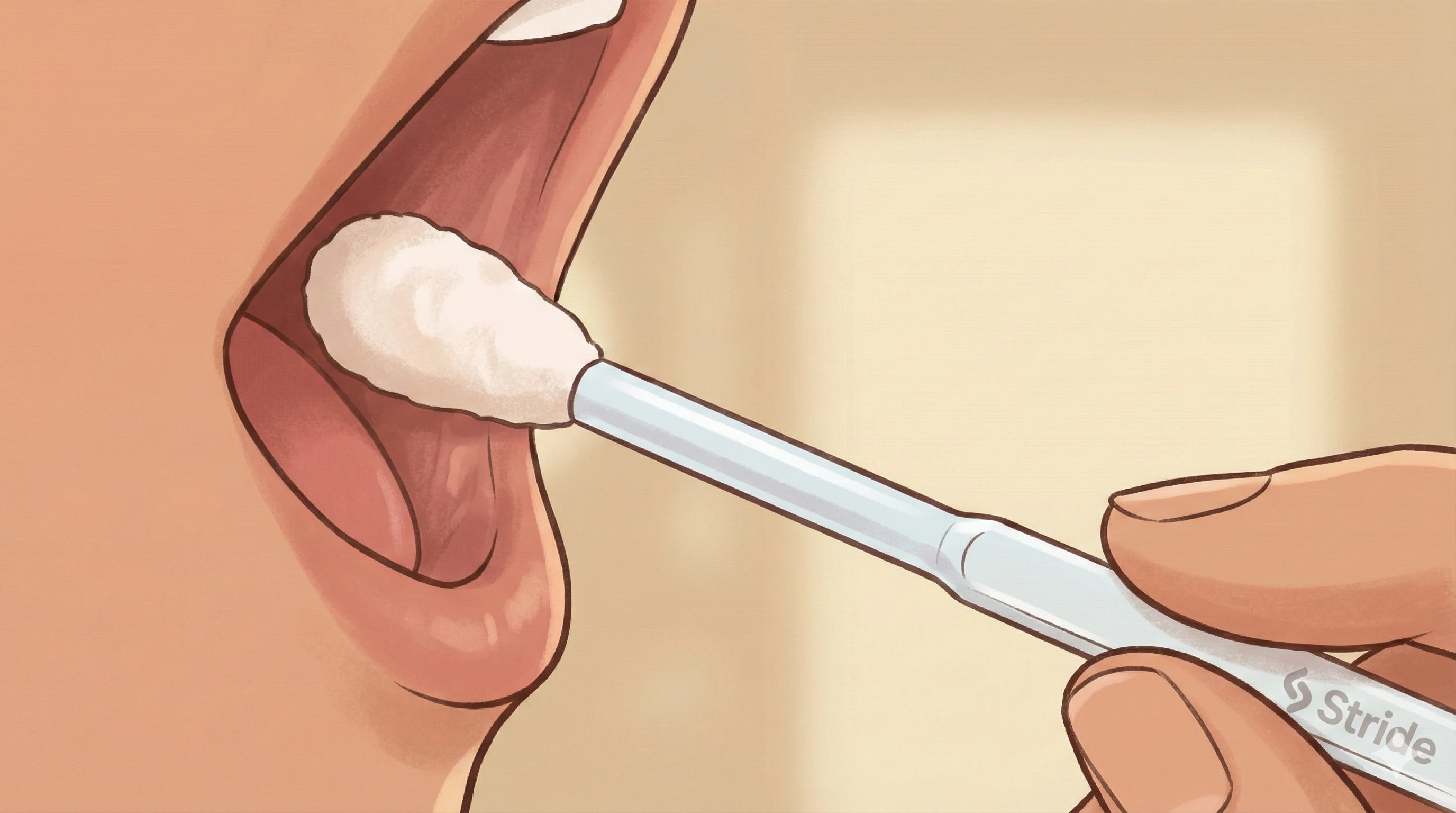

Sample type
Blood sample

Collection
At-home

Often paired with
Total cholesterol, HDL cholesterol, non HDL cholesterol, triglycerides, ApoB, ApoA1, ApoB/A1 Ratio, Lp(a), hsCRP, HbA1c

Fasting required
1
Key benefits of testing LDL cholesterol
An LDL cholesterol blood test can help you:
- Understand how much "bad" cholesterol is circulating in your blood and potentially entering artery walls.
- Assess and monitor cardiovascular risk, particularly when combined with ApoB, HDL, and non HDL cholesterol.
- Evaluate how well lifestyle changes and lipid lowering therapies are working over time.
- Clarify risk when total cholesterol is high by showing how much is driven by LDL.
- Guide clinician led decisions about whether to start, adjust, or intensify treatment for cholesterol and broader cardiometabolic risk.
What is LDL cholesterol
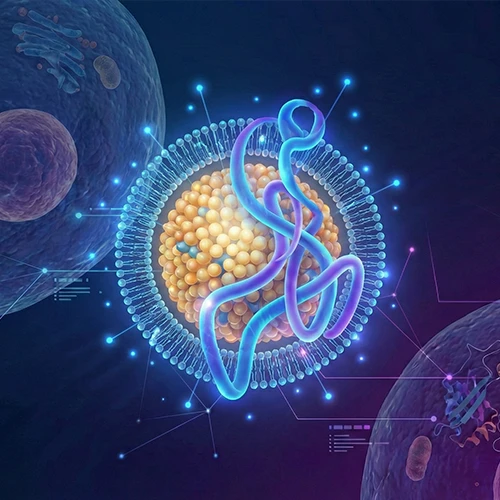
LDL stands for low density lipoprotein. LDL particles are cholesterol carrying packages made of lipids and proteins that transport cholesterol from the liver to tissues throughout the body, where it is used to build cell membranes, hormones, and vitamins.
LDL cholesterol is the portion of your total cholesterol that is carried within these LDL particles. Each LDL particle carries one ApoB protein on its surface, which is why ApoB is often used as a direct count of how many LDL and related particles are present.
When LDL levels are high, especially for many years, more cholesterol laden particles pass by artery walls and can enter the vessel lining. Over time, this contributes to plaque formation and narrowing of arteries, increasing the risk of heart attack and stroke.
What does LDL cholesterol do
LDL particles have a normal physiological role. They:
- Deliver cholesterol to cells for building membranes, producing steroid hormones, and supporting other essential functions.
- Transport fat soluble vitamins around the body.
The problem is not that LDL exists, but when there is too much LDL cholesterol relative to what your body needs and can safely handle. In that context, LDL becomes a key driver of atherosclerosis, particularly when combined with:
- High ApoB more cholesterol carrying particles.
- Low HDL reduced capacity to clear cholesterol.
- Inflammation and oxidative stress, which make LDL more likely to damage vessel walls.
Why is LDL cholesterol important for heart health
Atherosclerosis is driven largely by the long term exposure of artery walls to cholesterol rich particles. LDL cholesterol is important because:
- Higher LDL is strongly associated with increased risk of coronary heart disease, stroke, and peripheral artery disease.
- Lowering LDL through lifestyle changes and medications has been shown to reduce cardiovascular events in many groups.
- LDL is a central target in most cholesterol guidelines for both prevention and treatment, especially for people with existing cardiovascular disease or high risk.
LDL is particularly useful when interpreted alongside ApoB, which counts the actual number of atherogenic particles, and with non HDL cholesterol, which captures all cholesterol carried by potentially harmful particles.
LDL cholesterol vs ApoB: what is the difference
It is easy to assume LDL cholesterol and ApoB are interchangeable, but they capture different aspects of lipid risk.
- LDL cholesterol measures the amount of cholesterol contained within LDL particles.
- ApoB counts the number of ApoB containing particles, including LDL, VLDL, IDL, and Lp(a), each carrying one ApoB protein.
This distinction matters because:
- Two people can have the same LDL cholesterol but different numbers of LDL particles. One may have many small cholesterol light particles and the other fewer cholesterol heavy particles.
- ApoB captures particle number directly and may better reflect atherogenic burden in some situations, especially when triglycerides are high or the lipid pattern is complex.
In clinical practice, LDL remains a widely used marker, but ApoB and related ratios such as ApoB/A1 provide additional precision.
What factors affect LDL cholesterol levels
LDL cholesterol is shaped by genetics, lifestyle, hormones, and other health conditions. These are some of the main influences.
1. Genetics and inherited lipid disorders
- Familial hypercholesterolaemia and other genetic conditions can cause very high LDL levels from a young age.
- Even without a clear genetic disorder, some people naturally produce more LDL or clear it less efficiently.
- A strong family history of early heart attacks or strokes often signals a genetic contribution to LDL elevation.
2. Diet and nutrition patterns
- Diets high in saturated fats, trans fats, and certain ultra processed foods can raise LDL in many people.
- Whole food patterns rich in fibre, plant foods, and unsaturated fats can help reduce LDL and support a healthier lipid profile.
- Dietary cholesterol has a smaller and more variable impact, but may still matter for some individuals.
3. Weight and metabolic health
- Carrying excess weight, particularly around the abdomen, is often associated with an adverse lipid pattern that includes higher LDL or non HDL cholesterol and high triglycerides.
- Metabolic syndrome and insulin resistance can alter LDL particle size and number, sometimes leading to more small, dense LDL particles that are more atherogenic.
- Improving metabolic health and losing excess visceral fat can support lower LDL and better overall lipid patterns.
4. Physical activity and lifestyle
- Regular physical activity can modestly lower LDL and non HDL cholesterol and supports HDL and triglycerides.
- Smoking and high alcohol intake can worsen lipid patterns, raising LDL and lowering HDL in many individuals.
- Chronic stress and poor sleep may indirectly influence LDL through their effects on weight, insulin sensitivity, and lifestyle.
5. Hormones, thyroid, and medical conditions
- Low thyroid function hypothyroidism can raise LDL cholesterol, sometimes substantially.
- Kidney disease, liver disease, type 2 diabetes, and certain inflammatory conditions can all alter LDL levels.
- Hormonal changes, such as menopause, can shift LDL upwards for some people.
6. Medications
- Some medications, including certain diuretics, steroids, antipsychotics, and immunosuppressants, can raise LDL.
- Others, such as statins and other lipid lowering agents, are designed to reduce LDL and ApoB to lower cardiovascular risk.
Any change in medication should be considered when interpreting LDL trends over time.
Can LDL cholesterol be high if total cholesterol looks normal
Yes. Total cholesterol bundles together LDL, HDL, and other fractions. You can have a total cholesterol that appears only mildly raised or even normal, while LDL or non HDL cholesterol is high and HDL is low.
Examples include:
- A pattern with high LDL and low HDL that still sums to a total cholesterol within a broad reference range but carries significant risk.
- A pattern with elevated non HDL cholesterol and ApoB but relatively modest total cholesterol.
This is why interpreting LDL, non HDL cholesterol, ApoB, and HDL separately is more informative than relying on total cholesterol alone.
Normal vs optimal LDL cholesterol: what is the difference
Laboratories and guidelines usually provide reference ranges for LDL cholesterol. In many UK and European contexts:
- LDL below around 3.0 mmol/L is often considered a general target for healthy adults.
- Stricter targets below 2.6 mmol/L or even below 1.8 mmol/L may be recommended for people at high or very high cardiovascular risk.
However, "normal" population ranges are not always the same as "optimal" for an individual. From a prevention perspective:
- Lower LDL is generally associated with lower cardiovascular risk, especially when accompanied by favourable ApoB and non HDL cholesterol.
- The right target for you depends on your age, existing cardiovascular disease, diabetes, kidney disease, other risk factors, and preferences.
Your clinician will usually set a personalised LDL target based on your overall risk, rather than aiming for the same number in every person.
Do I need to fast for an LDL cholesterol test
LDL cholesterol can be estimated using formulas based on total cholesterol, HDL, and triglycerides, or measured directly. Fasting requirements depend on how your LDL is being assessed.
- For many people, non fasting lipid panels provide enough information, and LDL can be interpreted reliably, especially when triglycerides are not very high.
- Fasting for 8 to 12 hours may be recommended if a precise calculation is needed or if triglycerides are likely to be elevated and could affect the formula.
Your test instructions will specify whether you need to fast and for how long, and how to handle fluids and medications beforehand.
How can LDL cholesterol be lowered clinician guided
Lowering LDL cholesterol focuses on both lifestyle and, when indicated, medications. Depending on your situation, clinician guided strategies may include:
- Nutrition changes that reduce saturated and trans fats and increase fibre, especially soluble fibre from foods like oats, legumes, and many fruits and vegetables.
- Increasing physical activity, combining aerobic exercise with resistance training to support lipid metabolism and weight management.
- Supporting healthy weight and waist circumference through sustainable habits rather than crash diets.
- Stopping smoking and moderating alcohol intake to improve overall cardiovascular health.
- Using lipid lowering therapies such as statins, and, where appropriate, add on treatments if lifestyle changes alone are not sufficient or if your risk is high.
Tracking LDL over time, alongside ApoB, non HDL cholesterol, HDL, triglycerides, and hsCRP, shows how your biology responds and whether your current approach is moving the needle.
Stride tests that include LDL Cholesterol
FAQs
What is the LDL cholesterol blood test
The LDL cholesterol blood test measures the amount of cholesterol carried by low density lipoprotein particles in your bloodstream. It is a key part of a lipid panel and one of the main markers used to estimate and manage cardiovascular risk.
What is a normal LDL cholesterol level
For many adults, an LDL cholesterol level below about 3.0 mmol/L is often considered acceptable, while lower targets are usually recommended for people with higher cardiovascular risk. Your clinician will interpret your LDL in the context of your total cholesterol, HDL, non HDL cholesterol, ApoB, and overall risk profile.
What is an optimal LDL cholesterol level for heart health
Optimal LDL levels depend on your personal risk. For those at very high risk or with existing cardiovascular disease, targets below about 1.8 mmol/L are often recommended. For moderate risk, slightly higher but still relatively low targets may be appropriate. The key is aligning your LDL goal with your individual risk and preferences.
Is LDL cholesterol worse than total cholesterol
Total cholesterol is a broad measure that includes LDL, HDL, and other fractions. LDL is more directly linked to plaque formation, so it is often a more useful target for reducing cardiovascular risk. Non HDL cholesterol and ApoB add further precision, but LDL remains a central focus in most prevention and treatment strategies.
Can LDL cholesterol be high if my diet is healthy
Yes. Genetics, hormones, thyroid function, and other medical conditions can keep LDL high even when diet is relatively good. In these cases, fine tuning nutrition, supporting metabolic health, and, in some situations, using lipid lowering medication can all play a role in reaching a safer LDL level.
Do I need LDL cholesterol testing
Most adults benefit from periodic LDL testing as part of a lipid panel, especially if they have risk factors such as family history of heart disease, high blood pressure, diabetes, kidney disease, or are over a certain age. If you are focused on prevention, regular LDL checks help you see how your choices are affecting your long term risk.
Do I need to fast for LDL cholesterol
You may or may not need to fast, depending on your test panel and your clinician's preference. Many modern lipid assessments can be done without fasting, but fasting is still often requested, particularly if triglycerides are a key part of the interpretation. Always follow the instructions provided before your test.
How can I lower my LDL cholesterol
You can lower LDL by combining nutrition changes, increased physical activity, weight management, and not smoking, and by using evidence based lipid lowering medications when needed. Tracking LDL over time, alongside ApoB and other markers, shows which changes are making the biggest difference for you.
Do I need an LDL cholesterol test
If you want a clear, personalised view of your heart health and how your lifestyle and genetics are shaping your long term risk, discussing an LDL cholesterol test as part of a comprehensive panel makes sense. Within StrideOne, LDL sits among more than 500 biomarkers, helping you move from guessing to understanding what truly supports your cardiovascular health.