
Menu
-
Shop All
Contact
hey@getstride.com
Stride Health Group
Stride Health Group Ltd
Company No 05158025
Lamas Road
Badersfield
Norwich
England
NR10 5FB
UK
Extra 10% Off | Enter code GIFT at checkout






Iron Blood Test
An iron blood test looks at how much iron is circulating in your blood and how your body is transporting and using it. On its own it offers a snapshot of available iron, but it becomes far more powerful when combined with ferritin, transferrin, and transferrin saturation to understand whether low energy, anaemia, or iron overload are present.

Sample type
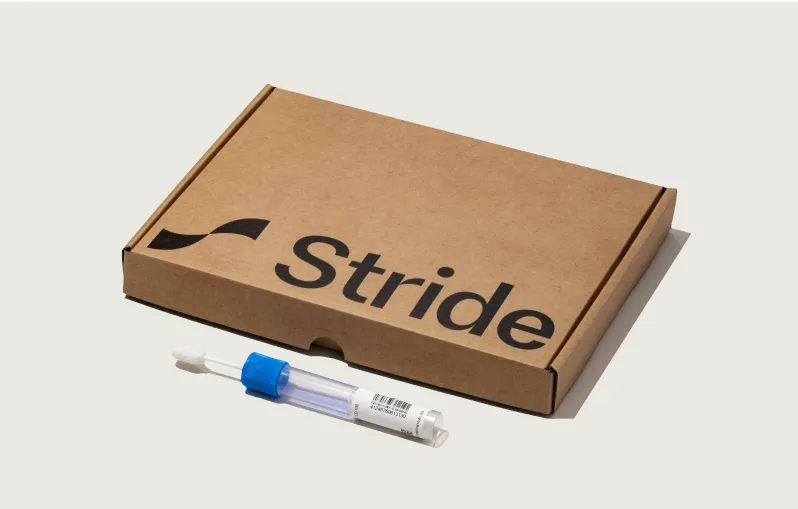
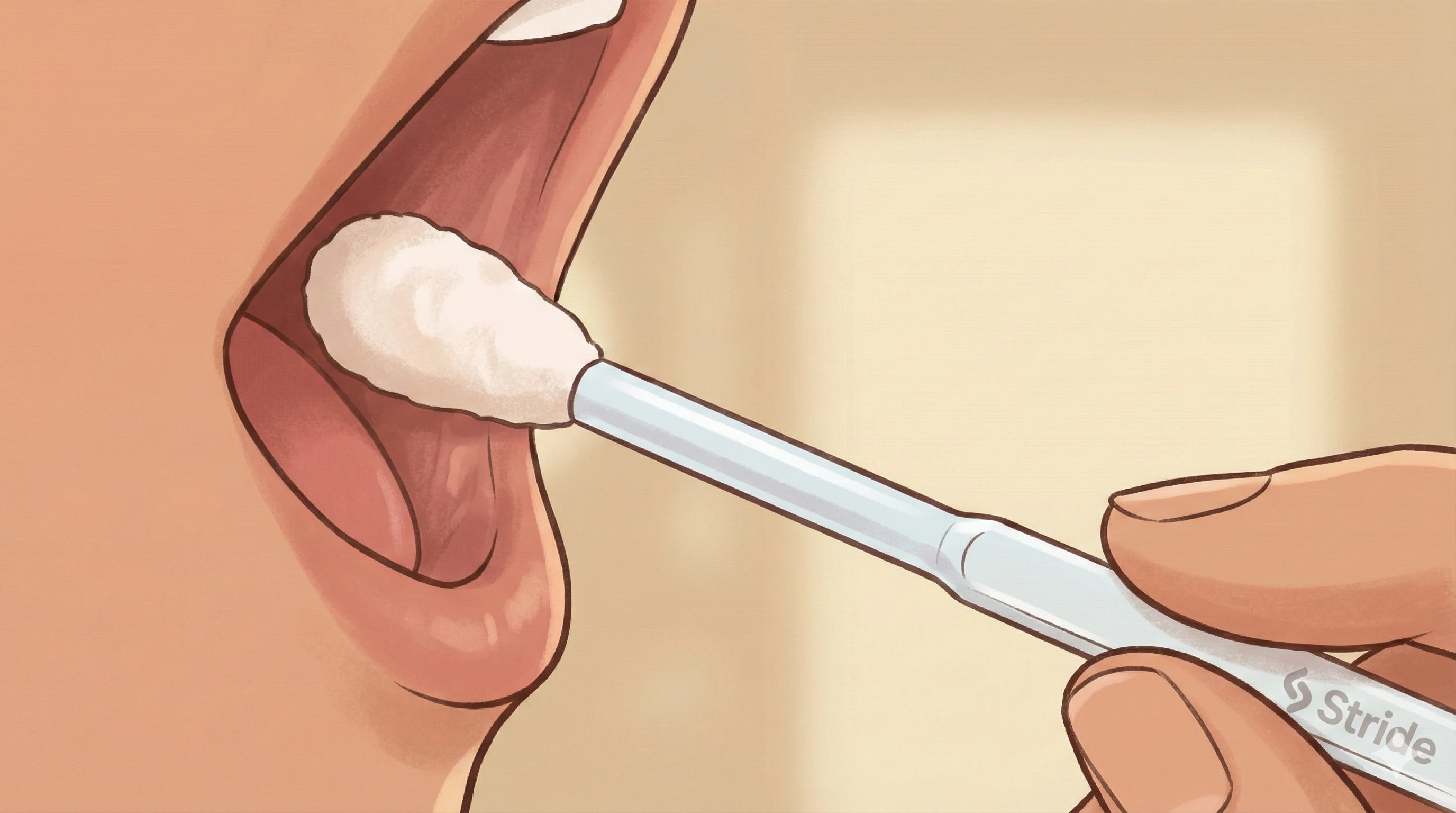
Blood sample

Collection
At-home

Often paired with
Ferritin, transferrin, transferrin saturation, total iron binding capacity TIBC, full blood count, vitamin B12, folate, CRP, liver function tests

Fasting required
1
Key benefits of testing iron
An iron blood test can help you:
- Check the amount of iron circulating in your blood at the time of the test.
- Contribute to diagnosing iron deficiency anaemia when interpreted with ferritin, TIBC, and transferrin saturation.
- Assess for possible iron overload when iron and transferrin saturation are high.
- Clarify results when ferritin is borderline or influenced by inflammation.
- Monitor iron status in people with chronic disease, heavy periods, gut conditions, or those on iron therapy.
What is iron
Iron is a trace mineral that your body uses mainly to:
- Build haemoglobin in red blood cells and myoglobin in muscle, both of which carry and store oxygen.
- Support enzymes involved in energy production, detoxification, and DNA synthesis.
Most body iron is in haemoglobin; smaller amounts are stored in ferritin and haemosiderin in the liver, bone marrow, and spleen. In blood tests, "serum iron" refers only to iron circulating in the liquid part of blood, bound to the transport protein transferrin.
What does the iron blood test do
A serum iron test measures the concentration of iron in your blood at a single point in time. It:
- Reflects how much iron is currently available for transport and use.
- Helps differentiate between different patterns of anaemia when analysed with other iron studies.
- Can support the diagnosis of iron overload when iron and transferrin saturation are high.
However, serum iron alone is not a reliable measure of body iron stores because it:
- Fluctuates throughout the day.
- Is influenced by recent meals, inflammation, and hormones.
This is why a full iron panel, including ferritin and transferrin saturation, is usually preferred.
Why is iron important for energy and long term health
Iron matters because:
- Low iron contributes to iron deficiency anaemia, a leading cause of fatigue, poor exercise tolerance, headaches, paleness, and breathlessness.
- Even before anaemia develops, low iron availability can affect performance, cognition, and mood.
- Excess iron can accumulate in organs in iron overload conditions, particularly hereditary haemochromatosis, contributing to liver disease, joint problems, diabetes, and heart issues over time.
Iron balance is therefore about enough but not too much, and is best assessed using a combination of iron tests, not serum iron alone.
Iron vs ferritin vs transferrin saturation vs TIBC: what is the difference
These markers each describe different parts of iron handling:
- Serum iron measures the amount of iron circulating in your blood bound to transferrin at that moment.
- Ferritin reflects your iron stores in tissues and is usually the best single marker of overall iron status.
- Transferrin is the main protein that carries iron in the blood.
- Transferrin saturation or iron saturation measures what percentage of transferrin is filled with iron.
- TIBC total iron binding capacity reflects how much iron could be bound by transferrin and other transport proteins.
Typical patterns include:
- Iron deficiency: low serum iron, low ferritin, high TIBC, low transferrin saturation.
- Anaemia of chronic disease: low serum iron, normal or high ferritin, low TIBC.
- Iron overload: high serum iron, high ferritin, high transferrin saturation, low or normal TIBC.
What factors affect iron levels
Serum iron is sensitive to several influences:
1. Diet and recent meals
- Iron rich foods red meat, offal, shellfish, and iron fortified foods can temporarily raise serum iron after a meal.
- Vitamin C rich foods enhance non haem iron absorption, while tea, coffee, and high calcium foods can reduce it.
2. Iron stores and deficiency
- Low body iron stores due to poor intake, chronic blood loss, or increased demand often lower serum iron and ferritin.
- Early deficiency may show more clearly in ferritin than in serum iron.
3. Inflammation and chronic disease
- Inflammatory signals cause the body to lock iron away in storage, often lowering serum iron while ferritin rises or stays normal.
- This pattern is typical of anaemia of chronic disease.
4. Iron supplementation and transfusions
- Oral or intravenous iron therapy and blood transfusions can raise serum iron and ferritin.
- Timing of the blood test after a dose can influence results.
5. Genetic and metabolic factors
- Hereditary haemochromatosis and some other iron loading conditions cause increased iron absorption and raised serum iron and transferrin saturation over time.
6. Time of day
- Serum iron is highest in the morning and can fall through the day, which is why many protocols recommend morning sampling.
Can iron be normal if ferritin is low
Yes. This is common in early or mild iron deficiency.
You can have:
- Normal serum iron on a single sample, particularly if taken after a meal.
- Low ferritin reflecting depleted iron stores.
In this setting, ferritin is more informative than serum iron. A normal serum iron result does not rule out iron deficiency if ferritin is low and symptoms are present.
Normal vs low vs high iron: what is the difference
Reference ranges for serum iron vary by lab and are often roughly:
- Adults: around 10 to 30 or 11 to 32 micromol per litre, with sex specific ranges in some labs.
Broadly:
- Low serum iron, especially with low ferritin and high TIBC, supports iron deficiency.
- High serum iron, particularly with high transferrin saturation and ferritin, raises concern for iron overload.
Because serum iron is so variable, interpretation always relies on the full iron studies pattern and your clinical context.
Do I need to fast for an iron blood test
Many clinicians recommend a morning, fasting sample for iron studies because:
- Serum iron varies with recent food and drink.
- A consistent fasting protocol makes serial results easier to compare.
If your test provider requests fasting, you will usually be asked not to eat or drink anything except water for 8 to 12 hours before the blood draw and to avoid taking iron supplements that morning.
How can iron levels be improved or reduced clinician guided
Improving or reducing iron is about restoring balance, guided by the full picture of your iron studies.
If iron and iron stores are low, strategies may include:
- Increasing iron rich foods and pairing them with vitamin C sources.
- Using oral iron supplements in an appropriate dose and form, often for several months, to rebuild stores.
- Considering intravenous iron in selected cases where oral iron is not tolerated, not absorbed, or not sufficient.
- Investigating and addressing sources of blood loss, such as heavy menstrual bleeding or gastrointestinal bleeding.
If iron and ferritin are high, strategies may include:
- Assessing for hereditary haemochromatosis or other iron loading conditions, and considering genetic testing.
- Reducing alcohol intake and addressing metabolic or liver conditions.
- Using therapeutic venesection or blood donation programs to reduce iron stores where indicated.
Regular monitoring of iron, ferritin, transferrin saturation, and full blood count helps ensure that treatment keeps you within a healthy iron range.
Stride tests that include Iron
FAQs
What is the iron blood test
The iron blood test usually refers to serum iron, which measures how much iron is circulating in your blood at a given moment. It is one part of an iron studies panel used to investigate iron deficiency, anaemia, and iron overload conditions.
What is a normal iron level
Normal serum iron ranges vary between laboratories but are often around 10 to 30 micromol per litre in adults, with small differences by sex and age. Your lab report will show the exact reference range and where your result sits within it.
What is an optimal iron level for health
Optimal iron cannot be judged from serum iron alone. Instead, a healthy pattern is one where iron, ferritin, transferrin saturation, and full blood count all sit in ranges that indicate adequate but not excessive iron. The ideal target for you will depend on your symptoms, menstrual status, diet, and any underlying conditions, and should be discussed with your clinician.
Is iron better than ferritin for checking iron status
Serum iron and ferritin answer different questions. Serum iron shows circulating iron at one point in time, while ferritin reflects body iron stores. Ferritin is usually a better single marker of iron status, but the most accurate assessment comes from looking at both together with transferrin saturation and TIBC.
Can iron be high even if my ferritin is normal
Yes. Serum iron can be temporarily high after a meal, after iron supplementation, or at certain times of day, even when ferritin is normal. Persistently high iron with normal ferritin is less common and needs careful interpretation in context with transferrin saturation, liver markers, and symptoms.
Do I need iron testing
You may benefit from iron testing if you have symptoms such as fatigue, breathlessness, pale skin, hair shedding, restless legs, or reduced exercise capacity, have heavy periods, follow a diet low in iron, have gut disease, or have a family history of iron overload. Iron tests are also used to monitor treatment with iron supplements or venesection.
Do I need to fast for an iron blood test
Many providers recommend a morning, fasting blood sample for iron studies because serum iron varies with recent food intake and time of day. If fasting is requested, you will typically avoid food and drink except water for 8 to 12 hours before your test and skip your morning iron supplement.
How can I improve my iron results
If your iron and iron stores are low, you can support improvement by eating more iron rich foods, pairing them with vitamin C, taking appropriate iron supplements when advised, and addressing causes of blood loss or malabsorption. If your iron and ferritin are high, management focuses on reducing iron stores safely and tackling underlying causes, guided by your clinician.
Do I need an iron blood test
If you want clarity on whether your tiredness, performance issues, or recovery problems are linked to iron or you are using iron supplements and want to avoid both deficiency and overload, discussing an iron blood test as part of a full iron studies panel is a sensible step. Within StrideOne, serum iron is measured alongside ferritin, transferrin saturation, and hundreds of other biomarkers, helping you see exactly how iron fits into your energy, performance, and long term health strategy.