
Menu
-
Shop All
Contact
hey@getstride.com
Stride Health Group
Stride Health Group Ltd
Company No 05158025
Lamas Road
Badersfield
Norwich
England
NR10 5FB
UK
Extra 10% Off | Enter code GIFT at checkout


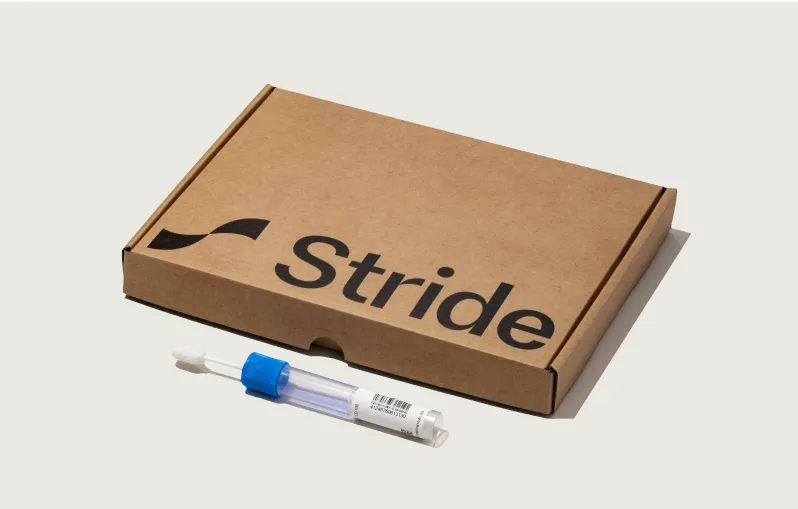





HTR2A Gene Test (Serotonin 2A Receptor)
The HTR2A gene test analyses DNA for variants in the serotonin 2A receptor, a major excitatory serotonin receptor that shapes mood, sleep, cognition, and how you respond to antidepressant medication. Understanding your HTR2A status adds genetic context to depression risk, SSRI response, and social and emotional processing so you can personalise mental health and brain health strategies instead of guessing.

Sample type
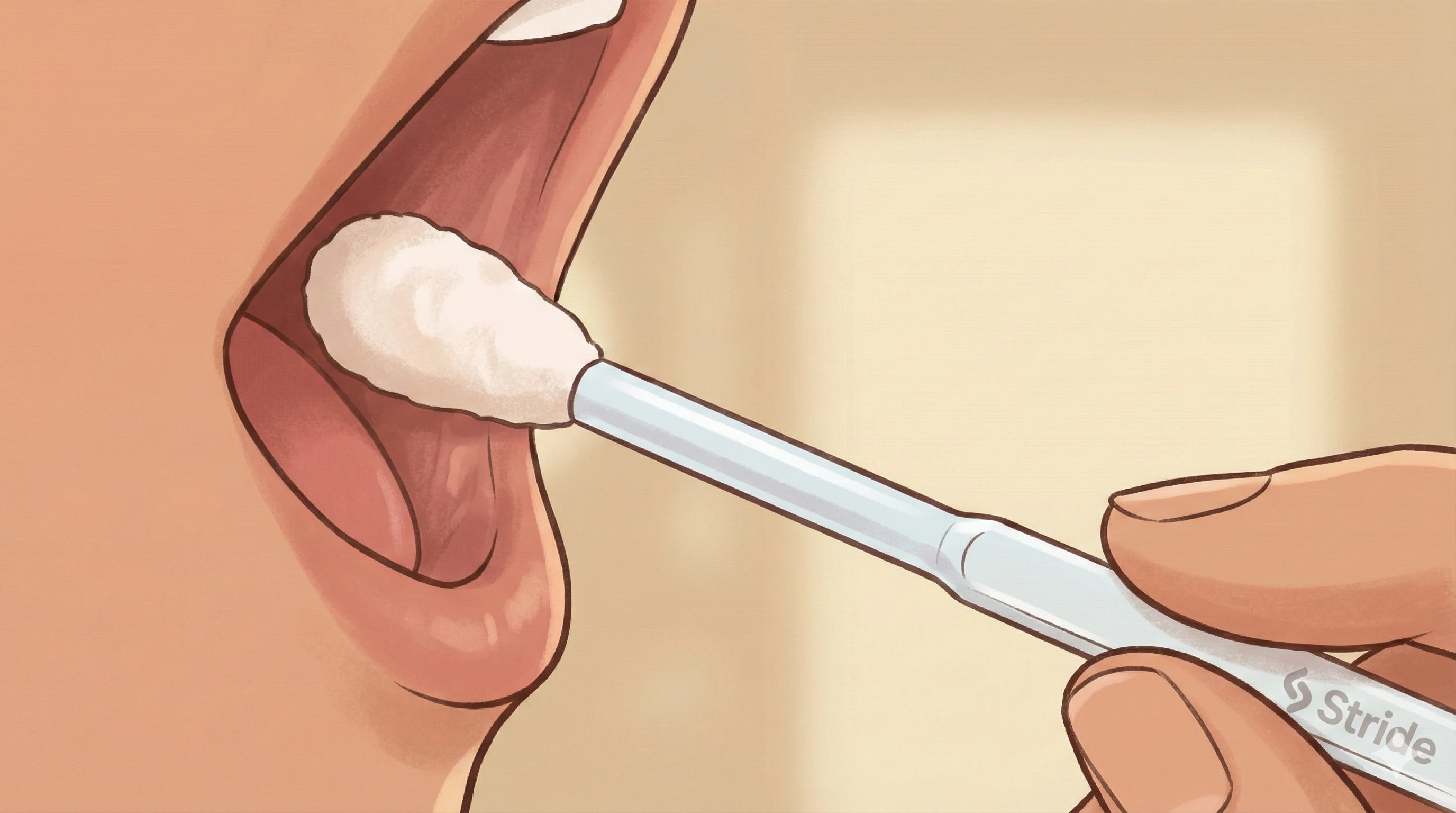
Cheek swab, Blood sample

Collection
At-home

Often paired with
SLC6A4 and other serotonin pathway genes, dopamine and stress response genes, sleep and chronotype markers, mood and cognition assessments, cardiometabolic markers

Fasting required
Not required for DNA testing; follow clinical guidance for any accompanying blood tests
Key benefits of testing HTR2A
- Identify whether you carry HTR2A variants in promoter, intronic, or coding regions that influence receptor expression and function and have been associated with susceptibility to depression, anxiety, schizophrenia, and obsessive compulsive disorder in some studies.
- Help explain why some people experience richer or blunted emotional responses, altered social cognition or empathy, or particular sleep and dreaming patterns, by highlighting a serotonin receptor profile that can be supported rather than fixed.
- Add context to antidepressant treatment planning, since several HTR2A polymorphisms are used in pharmacogenomic algorithms to estimate the probability of response or side effects to SSRIs such as citalopram and other serotonergic antidepressants.
- Inform personalised strategies around sleep timing, stress management, therapy modalities, and drug choices, especially when combined with SLC6A4 and other neurotransmitter genes and with clinical assessment.
- Clarify your baseline serotonin receptor architecture alongside other biomarkers, so long term mental health and performance plans can be built on both genetics and current biology rather than population averages.
What is the HTR2A gene?
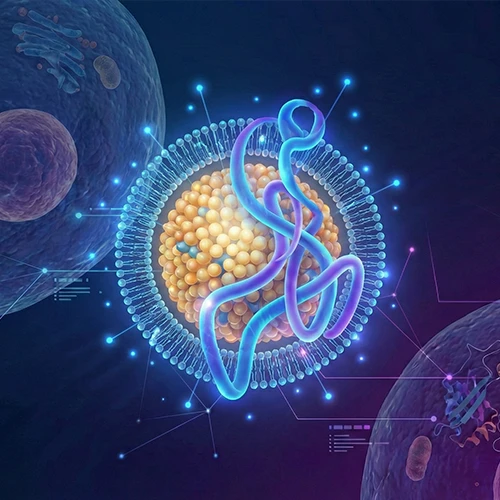
HTR2A encodes the 5 hydroxytryptamine (serotonin) receptor 2A, a G protein coupled receptor that is one of the most abundantly expressed serotonin receptors in the human brain. It is highly expressed in the cerebral cortex, particularly in pyramidal neurons, as well as in hippocampus, basal ganglia, and other limbic and associative regions.
HTR2A couples mainly to Gq/11 proteins, activating phospholipase C beta and triggering intracellular signalling cascades that increase inositol triphosphate and diacylglycerol, release calcium from intracellular stores, and modulate kinases and transcription factors. This receptor is a primary target for many atypical antipsychotics and is also engaged by psychedelic compounds, which contributes to its central role in perception and mood. Multiple HTR2A polymorphisms, such as rs6311 (−1438G/A), rs6313 (T102C), and rs7997012, have been widely studied in relation to mental health and antidepressant response.
What does HTR2A do?
HTR2A receptors mediate excitatory serotonin signalling at postsynaptic neurons, influencing glutamate release, cortical pyramidal neuron activity, and thalamocortical processing. Through these actions, HTR2A helps shape mood regulation, cognitive flexibility, sensory perception, and sleep architecture, including slow wave sleep and dreaming.
Genetic and functional studies show that promoter and intronic HTR2A variants can alter transcription factor binding, DNA methylation, and allele specific expression, leading to individual differences in receptor density and responsiveness. Some polymorphisms are associated with variation in antidepressant treatment response, where carriers of particular alleles show higher remission or response rates to SSRIs such as citalopram in certain cohorts. Others have been linked to differences in perspective taking, autistic like traits, and prosocial behaviour, consistent with HTR2A's role in social cognition and emotional processing.
Why is HTR2A important for health?
HTR2A lies at the intersection of serotonin biology, mental health, and treatment response. Altered HTR2A expression and function have been implicated in major depressive disorder, anxiety disorders, schizophrenia, obsessive compulsive disorder, and post traumatic stress disorder, as well as in the mechanisms of action of antidepressants and psychedelic assisted therapies.
Large clinical studies have examined HTR2A polymorphisms as predictors of SSRI response, with some variants associated with better outcomes or fewer side effects and others showing weaker or inconsistent effects. Pharmacogenomic panels that include HTR2A, often alongside SLC6A4, can support medication selection in difficult to treat depression. Beyond pharmacology, differences in HTR2A signalling may contribute to trait differences in empathy, social behaviour, and perception, which in turn influence mental health, relationships, and performance under stress.
HTR2A vs serotonin and mood markers
It is easy to assume that HTR2A testing and current mood scales or serotonin level tests tell you the same story, but they capture different layers of your biology. Symptom questionnaires and clinical interviews describe how you are feeling now; serum or platelet serotonin and imaging studies show current neurotransmitter patterns; HTR2A genotyping looks at inherited variants that shape how your brain responds to serotonin and to serotonergic medications over time.
This distinction matters because you can carry HTR2A variants associated with higher depression risk and still feel well when lifestyle, relationships, and treatment are supportive. Conversely, depression and anxiety can arise without notable HTR2A risk alleles because many other genes, experiences, and health factors contribute. HTR2A is best understood as a receptor level sensitivity marker that complements, rather than replaces, clinical and environmental information.
Factors that modify HTR2A effects
The influence of HTR2A variants is strongly shaped by your environment, health, and treatment decisions rather than by the gene alone, which means you have meaningful room to change the trajectory. Several modifiable factors can either buffer or amplify any genetic tendency.
- Stress exposure and trauma: Chronic stress, adverse life events, and trauma affect serotonin signalling, cortical circuits, and HTR2A expression. Supportive relationships, therapy, and stress management can markedly reduce the impact of vulnerable HTR2A profiles.
- Sleep quality and circadian rhythms: Sleep deprivation and circadian disruption alter serotonin tone and receptor dynamics, worsening mood and anxiety in many people. Consistent sleep and light habits support healthier serotonin receptor function.
- Physical activity and metabolic health: Regular exercise enhances serotonin signalling and plasticity and improves mood, often helping to offset genetic susceptibility to depression. Metabolic health and inflammation also modulate brain serotonin pathways.
- Substance use and medications: Alcohol, cannabis, and certain illicit drugs interact with serotonin systems and can destabilise mood, particularly in those with sensitive HTR2A profiles. Antidepressant choices, dosing, and augmentation strategies can be tuned using pharmacogenomic information that includes HTR2A.
- Psychological interventions and environment: Therapy, meaningful work, social connection, and a sense of purpose build resilience and can buffer against genetic risk, while isolation, chronic conflict, and misaligned work environments can unmask vulnerabilities.
HTR2A variants without symptoms
Yes, and that is common. Many people carry HTR2A alleles that have been associated with depression, anxiety, or altered antidepressant response without ever developing a mental health disorder. The effect sizes of individual variants are modest, and outcomes depend heavily on environment, history, and other genes.
Similarly, people without notable HTR2A variants can experience severe depression or anxiety if other risk factors are strong. This means HTR2A status is most useful as part of a broader risk profile, helping to explain why certain experiences, drugs, or therapies land differently for some individuals.
Common HTR2A genotypes
Common HTR2A genotypes differ at promoter, intronic, and synonymous coding polymorphisms that influence receptor expression and possibly function. Several of these are used in research and clinical pharmacogenomics.
- Promoter polymorphism rs6311 (−1438G/A): Associated with changes in transcription factor binding and expression, with some studies linking the A allele to altered HTR2A levels and depression or treatment response, though findings vary by population.
- Synonymous polymorphism rs6313 (T102C): In tight linkage disequilibrium with rs6311 and often used as a tagging SNP. The C allele has been associated in some studies with higher antidepressant response rates and with changes in receptor expression and methylation.
- Intronic polymorphism rs7997012: Identified in large antidepressant trials as associated with citalopram response, with A allele carriers showing better outcomes in some cohorts. Other studies have found different or weaker effects, but rs7997012 remains a key marker in some pharmacogenomic panels.
- Other HTR2A SNPs, including rs977003 and rs7333412, have been implicated in antidepressant response, brain connectivity changes, or serotonin transporter binding, but their clinical use is still evolving.
Preparing for an HTR2A test
For DNA based HTR2A testing, preparation is simple because your genotype does not change with diet, sleep, or stress. The main consideration is choosing a test that includes HTR2A within a broader pharmacogenomic or mental health genetics panel so the results can be interpreted alongside other relevant genes.
Standalone HTR2A genotyping using blood or saliva does not require fasting. If pharmacogenomic testing is paired with drug level monitoring, metabolic panels, or other blood tests, follow any preparation instructions given so those dynamic markers are collected consistently.
Do I need an HTR2A test?
An HTR2A test is most valuable when the result will be used to personalise antidepressant treatment or shape a long term mental health strategy. It is less helpful when ordered in isolation without considering clinical history, other genes, and current symptoms.
- Depression or anxiety that has not responded well to first line antidepressants: Pharmacogenomic testing including HTR2A can sometimes highlight which serotonergic agents are more or less likely to work or cause side effects and can help guide medication adjustments with your clinician.
- Strong family history of mood or psychotic disorders: HTR2A testing, within a broader panel, can contribute to a more nuanced understanding of risk and help justify early, proactive support around sleep, stress, and substance use.
- Interest in precision prescribing: If you and your clinician are already using genetic information to guide medicine choices, HTR2A is a core part of many mental health algorithms and adds useful detail on serotonergic sensitivity.
- Psychedelic assisted therapy or research contexts: As these approaches evolve, HTR2A, which encodes the main receptor target of classic psychedelics, may become one of several markers used to stratify risk and optimise support, though this is still an emerging area.
Stride tests that include HTR2A


Health Tests
Core DNA Methylation Test
5 reports: Methylation profile reports
From $229 $183.20
FAQs
What is the HTR2A gene test?
The HTR2A gene test analyses your DNA from blood or saliva to look for variants in the serotonin 2A receptor gene that can influence serotonin signalling, mood, cognition, and how you respond to serotonergic antidepressant medications.
What does an HTR2A gene variant mean?
Common HTR2A variants generally act as subtle modifiers of receptor expression and function that can shift susceptibility to depression or anxiety and influence antidepressant response, but they do not on their own cause mental illness.
Do HTR2A variants always cause depression or anxiety?
No; many people with HTR2A risk alleles never develop depression or anxiety. Outcomes depend heavily on life events, stress, support, other genes, and overall health, and HTR2A is only one part of the picture.
Is HTR2A testing recommended for choosing antidepressants?
HTR2A testing can be helpful as part of a broader pharmacogenomic panel when antidepressant response has been limited or side effects have been significant, and when results will be used by a clinician to guide medication decisions.
Can HTR2A affect empathy or social behaviour?
Yes; HTR2A is highly expressed in cortical regions involved in social cognition, and some polymorphisms have been linked with differences in perspective taking, autistic like traits, and prosocial behaviour, although effects are modest and context dependent.
Do I need an HTR2A test?
You might consider an HTR2A test if you have had complex or treatment resistant depression or anxiety, a strong family history of mood disorders, or are working with a clinician who uses pharmacogenomics to refine antidepressant selection and overall mental health planning.
Do I need to fast for HTR2A testing?
Fasting is not required for DNA based HTR2A testing, although any accompanying blood tests such as lipids, glucose, or inflammatory markers may have specific preparation instructions that are worth following for consistent tracking.
How can I optimise HTR2A related pathways?
Rather than trying to change the gene, focus on consistent sleep, regular exercise, strong social connection, stress management, careful substance use, and, where appropriate, evidence based psychological and pharmacological treatment so your serotonin system and brain can function well over time, whatever your HTR2A genotype.