
Menu
-
Shop All
Contact
hey@getstride.com
Stride Health Group
Stride Health Group Ltd
Company No 05158025
Lamas Road
Badersfield
Norwich
England
NR10 5FB
UK


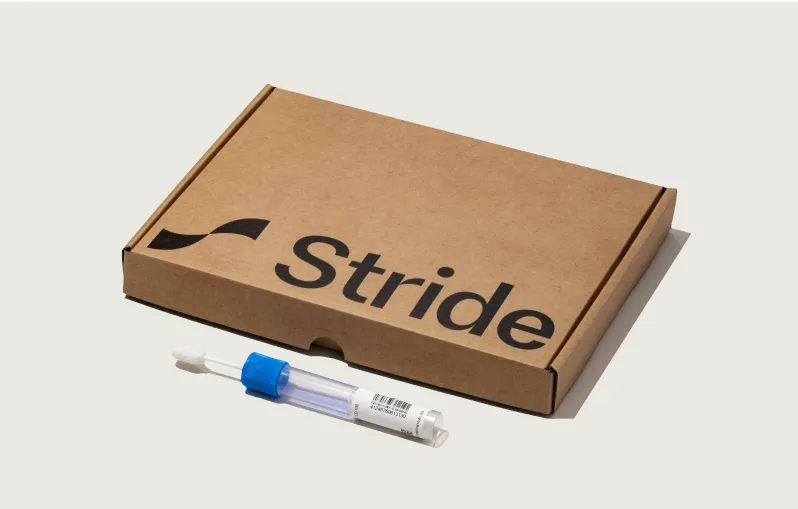



HLA-DQ2/DQ8 Gene Test (Coeliac Disease Risk Haplotypes)
The HLA DQ2/DQ8 gene test analyses DNA for specific HLA class II haplotypes that are strongly associated with coeliac disease and related gluten driven autoimmunity. Understanding your HLA DQ2/DQ8 status shows whether you carry the necessary genetic background for coeliac disease and helps interpret symptoms, blood tests, and responses to gluten over your lifetime.
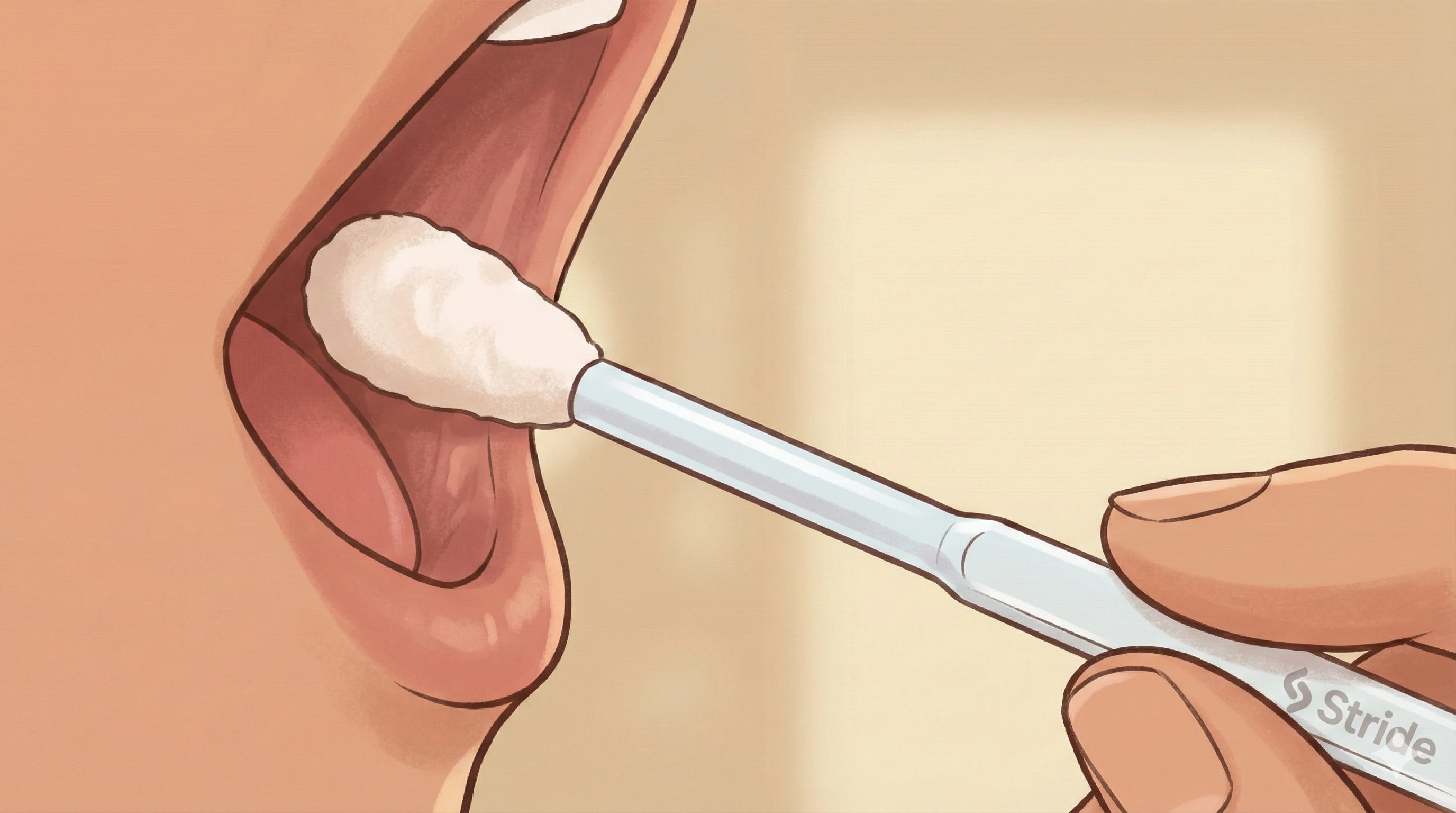

Sample type
Cheek swab, Blood sample

Collection
At-home

Often paired with
Coeliac serology (tissue transglutaminase IgA, total IgA, deamidated gliadin antibodies), small bowel biopsy, iron status, B12 and folate, vitamin D, thyroid function, bone density

Fasting required
Not required for DNA testing; follow clinical guidance for any accompanying blood tests
Key benefits of testing HLA DQ2/DQ8
- Identify whether you carry HLA DQ2, HLA DQ8, or related half DQ2 haplotypes that together account for almost all genetic susceptibility to coeliac disease.
- Help rule out coeliac disease where appropriate, since absence of both DQ2 and DQ8 makes coeliac disease extremely unlikely over a lifetime.
- Support diagnosis and risk stratification when coeliac serology or biopsy results are borderline, or when testing is performed after starting a gluten free diet.
- Inform screening strategies for at risk relatives and for people with conditions commonly associated with coeliac disease, such as type 1 diabetes or autoimmune thyroid disease.
- Clarify your baseline genetic predisposition to gluten driven autoimmunity so you and your clinical team can decide how closely to monitor symptoms and blood markers over time.
What are HLA DQ2 and HLA DQ8?
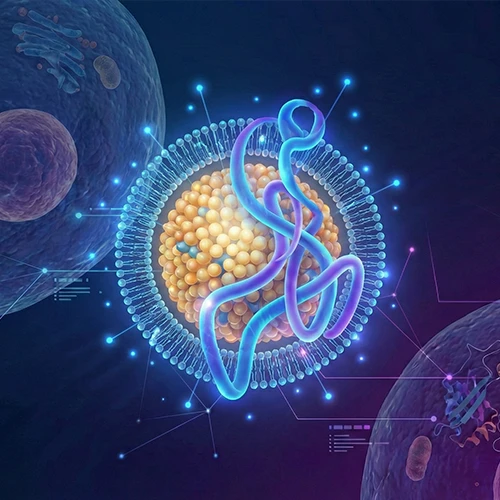
HLA DQ2 and HLA DQ8 are specific combinations of HLA class II genes within the human leukocyte antigen system that encode antigen presenting molecules on immune cells. DQ2 is most commonly formed by the DQA1*05 and DQB1*02 alleles (often referred to as DQ2.5), while DQ8 is formed by DQA1*03 and DQB1*0302. Other variants, such as DQ2.2 and so called half DQ2 (possession of only DQA1*05 or only DQB1*02), also modulate risk.
These HLA DQ molecules specialise in binding particular gluten derived peptides and presenting them to CD4 T cells in the small intestinal mucosa. In genetically susceptible individuals, this presentation triggers an inappropriate immune response to gluten that can lead to villous atrophy, crypt hyperplasia, and the broad clinical picture of coeliac disease, as well as increased risk of certain other autoimmune conditions.
What do HLA DQ2 and DQ8 do?
HLA DQ2 and DQ8 sit at the centre of antigen presentation in gluten driven autoimmunity by binding deamidated gluten peptides and displaying them to T cells. This process is essential for coeliac disease to develop, since most other HLA types cannot present these peptides in a way that triggers the same inflammatory cascade.
Once gluten peptides are presented on DQ2 or DQ8, reactive T cells release cytokines and recruit other immune cells, leading to inflammation, tissue damage, and production of autoantibodies against tissue transglutaminase. The strength of binding and the gene dose of DQ2 in particular influence how robust these T cell responses can be, which is one reason why certain DQ2 gene combinations carry higher risk or more severe disease.
Why are HLA DQ2 and DQ8 important?
HLA DQ2 and DQ8 contribute to three interconnected areas: risk of coeliac disease, risk of other gluten related and autoimmune conditions, and interpretation of symptoms in people who avoid gluten. Almost all people with coeliac disease carry DQ2, DQ8, or a closely related haplotype, so knowing your status provides a powerful way to clarify whether coeliac disease is on the table or very unlikely.
Carrying DQ2 or DQ8 does not mean you have or will definitely develop coeliac disease, but it increases risk compared with the general population and justifies more attention to symptoms, coeliac serology, and related conditions. In contrast, not carrying either haplotype has a very high negative predictive value, which can spare many people from repeated invasive investigations and unnecessary restrictive diets.
HLA DQ2/DQ8 vs coeliac serology
It is easy to assume that HLA DQ2/DQ8 testing and coeliac serology or biopsy tell you the same thing, but they answer different questions. HLA DQ2/DQ8 testing asks whether you carry the underlying genetic requirement for coeliac disease, and this result is stable throughout life and is not affected by whether you currently eat gluten.
Coeliac serology (such as tissue transglutaminase IgA) and small bowel biopsy assess whether an active immune response and intestinal damage are present while you are consuming gluten. These tests can normalise on a gluten free diet, making interpretation difficult if genetics are unknown. Together, HLA status and active disease markers provide a more complete picture than either alone.
Factors that modify HLA DQ2/DQ8 effects
The presence of HLA DQ2 and/or DQ8 is necessary but not sufficient for coeliac disease, so many other factors determine whether disease actually develops. Several modifiable and environmental factors can either buffer genetic risk or amplify it.
- Gluten exposure over time: The amount, timing, and pattern of gluten intake across life may influence whether coeliac disease emerges in susceptible individuals. Some research suggests that gene dose of DQ2 and high early gluten exposure can interact to increase risk.
- Gut health and infections: Early life infections, microbiome composition, and gut barrier integrity appear to interact with HLA status, potentially influencing whether the immune system develops tolerance or persistent intolerance to gluten.
- Other genes and immune factors: Many non HLA genes contribute to immune regulation, intestinal barrier function, and inflammation. These can modify how strongly DQ2 or DQ8 predisposition translates into disease.
- Co-existing autoimmune conditions: Type 1 diabetes, autoimmune thyroid disease, and other autoimmune disorders share some immune pathways with coeliac disease and are more common in HLA DQ2/DQ8 carriers, which may heighten clinical suspicion.
- Age, hormones, and life events: Coeliac disease can present at any age, sometimes triggered or unmasked around major life events such as pregnancy, surgery, or severe stress, even in people who have carried DQ2 or DQ8 for decades.
- Overall diet and lifestyle: While gluten is the specific trigger for coeliac disease, broader diet quality, nutrient status, and lifestyle influence resilience, symptom expression, and recovery once a gluten free diet is initiated.
HLA DQ2/DQ8 without symptoms
Yes, and this is very common. A significant proportion of the general population carries HLA DQ2 and/or DQ8 but will never develop coeliac disease or clear gluten related symptoms. In these individuals, genetic predisposition remains silent unless other environmental and immune factors align to trigger disease.
Some carriers may have non specific symptoms such as fatigue, bloating, or iron deficiency that could be due to many different causes. In such cases, genetics helps frame the possibility of coeliac disease but does not prove it; careful interpretation of serology, biopsy, and other diagnoses remains essential.
Common HLA DQ2/DQ8 patterns
Common HLA DQ2 and DQ8 patterns mainly differ in how strongly they increase risk for coeliac disease and related conditions, particularly in the context of gluten exposure and other immune factors. Understanding your pattern can help tailor monitoring and clinical decisions rather than labelling you as simply "intolerant" or "not at risk."
- No DQ2 or DQ8: Absence of both HLA DQ2 and DQ8 haplotypes makes coeliac disease very unlikely and effectively rules out a genetic predisposition in most clinical contexts. Other causes should be considered for symptoms.
- Single DQ2.5 heterozygous (DQA1*05/DQB1*02): Carrying one copy of the classic DQ2.5 haplotype increases risk compared with the general population but many carriers will never develop coeliac disease. Risk is meaningful but not deterministic.
- DQ2.5 homozygous or DQ2.5/DQ2.2 combinations: Carrying two DQ2.5 copies or certain combinations such as DQ2.5 with DQ2.2 is associated with a higher relative risk and often more robust T cell responses to gluten. These patterns may warrant particularly close clinical attention if symptoms arise.
- DQ8 (DQA1*03/DQB1*0302) without DQ2: DQ8 confers increased risk for coeliac disease, though typically lower than DQ2.5. It is seen in a minority of coeliac patients and also plays a role in the risk architecture of type 1 diabetes.
- Half DQ2 (only DQA1*05 or only DQB1*02) or DQ2.2 alone: These patterns carry a weaker but still real predisposition and are sometimes found in people with coeliac disease or milder gluten related disorders.
Preparing for an HLA DQ2/DQ8 test
For DNA-based HLA DQ2/DQ8 testing, preparation is straightforward because your HLA type does not change over time and is not affected by whether you currently eat gluten. The most important step is clarifying with your clinician or health team why the test is being done and how the result will be used in your care.
Cheek swab, saliva, or blood based HLA typing does not require fasting. If HLA testing is combined with coeliac serology or other blood tests, you may be asked to consume gluten regularly for a period of time so that antibody tests and biopsy, if needed, are interpretable. Your clinician will guide you on this if it is relevant.
Do I need an HLA DQ2/DQ8 test?
An HLA DQ2/DQ8 test is most valuable when the result will influence how you interpret symptoms, blood tests, or gluten exposure, rather than as a curiosity alone. It becomes particularly informative when combined with coeliac serology, biopsy results, and clinical context.
- Persistent symptoms with negative or equivocal coeliac tests: If you have ongoing gastrointestinal symptoms, iron deficiency, or other features suggestive of coeliac disease but negative or borderline serology or biopsies, HLA testing can help clarify whether coeliac disease is still on the table.
- Already gluten free before testing: If you removed gluten before coeliac testing was completed, HLA DQ2/DQ8 typing helps decide whether a gluten challenge and repeat testing are worthwhile.
- First degree relatives of coeliac patients: HLA testing can identify which relatives carry the necessary genetic background and may benefit from ongoing serology screening, and which are very unlikely ever to develop coeliac disease.
- Co-existing autoimmune conditions: In people with type 1 diabetes, autoimmune thyroid disease, or other autoimmune diagnoses, HLA typing can support decisions about coeliac screening frequency and interpretation of borderline results.
Stride tests that include HLA-DQ2/DQ8


Health Tests
Core DNA Methylation Test
5 reports: Methylation profile reports
From $229 $160.30
FAQs
What is the HLA DQ2/DQ8 gene test?
The HLA DQ2/DQ8 gene test analyses your DNA from blood or saliva to see whether you carry HLA class II haplotypes that are strongly associated with coeliac disease, most commonly DQ2 and DQ8, as well as certain related variants such as half DQ2.
What does it mean if I have HLA DQ2 or DQ8?
Having HLA DQ2 or DQ8 means you have the necessary genetic background to develop coeliac disease, but it does not mean you definitely have or will develop the condition. Many carriers remain healthy and tolerant of gluten throughout life.
What does it mean if I do not have HLA DQ2 or DQ8?
If you do not carry HLA DQ2 or DQ8, coeliac disease is very unlikely and there is effectively no genetic predisposition to classical coeliac disease. Other causes should be considered for symptoms, although non coeliac gluten sensitivity and other gut conditions can still occur.
Can HLA DQ2/DQ8 testing diagnose coeliac disease?
No. HLA DQ2/DQ8 testing cannot diagnose coeliac disease on its own. It shows whether you have the genetic predisposition. Diagnosis still relies on coeliac serology, small bowel biopsy, and clinical judgment while you are consuming gluten.
Does a positive HLA DQ2/DQ8 test mean I must avoid gluten?
Not necessarily. A positive test means you are at increased risk, not that disease is present. Decisions about gluten restriction should be guided by symptoms, blood tests, biopsy findings, and shared decision making with a clinician or dietitian.
Do I need an HLA DQ2/DQ8 test?
You might consider an HLA DQ2/DQ8 test if you have persistent symptoms suggestive of coeliac disease, are already gluten free but never had full testing, have a first degree relative with coeliac disease, or have another autoimmune condition where coeliac risk is higher and screening strategy matters.
Do I need to fast for HLA DQ2/DQ8 testing?
Fasting is not required for DNA-based HLA DQ2/DQ8 testing. If other blood tests are done at the same time, follow the preparation guidance provided with those tests.
How can I optimise my health if I carry HLA DQ2 or DQ8?
Rather than removing gluten without clear reason, focus first on appropriate testing and diagnosis. If coeliac disease is confirmed, a strict lifelong gluten free diet plus regular monitoring of nutrients, bone health, and symptoms is key. If you are a carrier without disease, prioritise a nutrient dense diet, good gut health, and regular check ins with your clinician if symptoms or risk factors emerge.